Football has always carried a strange kind of power. One moment, it is about tactics, rivalries, trophies, heartbreak, national pride, millions screaming inside packed stadiums. Then suddenly, music enters the picture and transforms the entire atmosphere into something emotional, unforgettable, almost spiritual. Certain World Cup songs do not just entertain people for a few weeks, they become permanent memories tied to an entire generation. Years later, people still remember exactly where they were when those songs first exploded across televisions, radio stations, viewing centers, street parties, bars, stadiums, cars, clubs, schools, and social media timelines.
That is exactly why the sudden announcement involving Shakira and Burna Boy immediately sent shockwaves across football culture, music culture, entertainment culture, celebrity culture, African music conversations, Latin pop conversations, FIFA fan spaces, sports media platforms, TikTok pages, Reddit threads, fan forums, radio discussions, podcasts, and global streaming communities. People were not reacting to just another collaboration. Something much bigger appeared to be unfolding.
Fans began asking difficult questions. Could this become the biggest sports anthem of the decade? Could Burna Boy help push African music even deeper into football’s biggest global stage? Could Shakira recreate the same emotional magic she delivered years ago with Waka Waka? Could FIFA finally be preparing a soundtrack powerful enough to unite continents again?.
Those questions became even louder after the official teaser video surfaced online on May 7, 2026. The visuals were dramatic, emotional, colorful, deeply cinematic, carrying the exact kind of atmosphere football fans associate with World Cup fever.
Yet behind the excitement sits a much deeper story.
What started as a teaser quickly transformed into one of the most discussed entertainment stories connected to the FIFA World Cup 2026 tournament. As anticipation continues building toward the official May 14, 2026 release date, millions of people are now trying to understand how this collaboration happened, why FIFA chose these artists, what Dai Dai truly represents, whether the song can match past World Cup classics, plus why this moment feels especially emotional for many Africans watching Burna Boy step into one of football’s biggest cultural stages.
FIFA’s Long History With World Cup Music
Long before social media turned every major release into a global event within minutes, FIFA already understood the emotional power music carried during football tournaments. World Cup anthems were never created merely for entertainment. They were designed to become emotional soundtracks attached to memories of victory, heartbreak, national unity, celebrations, controversies, unforgettable goals, shocking upsets, iconic players, stadium chants, fan culture, street parties, family gatherings, late night celebrations, tears, joy, disappointment, hope, pride, national identity, cultural exchange, plus global togetherness.
Every major tournament eventually becomes attached to a specific sound. Sometimes people forget the final scores of certain matches, yet they never forget the song that dominated the tournament atmosphere. That emotional connection is precisely why FIFA treats World Cup music very seriously.
Several World Cup songs became global cultural landmarks over the decades. Some exploded commercially while others disappeared quickly after tournaments ended. Few songs, however, reached the level achieved by Waka Waka during the 2010 FIFA World Cup hosted in South Africa.
That particular anthem changed everything.
When Shakira released Waka Waka in 2010, many people initially viewed it as simply another FIFA soundtrack. Nobody fully predicted the global explosion that followed. The song became massive across continents, dominating charts, streaming platforms, sports broadcasts, television stations, radio playlists, dance floors, social events, football celebrations, international competitions, fan gatherings, plus digital platforms for years afterward. The success was not accidental.
Waka Waka carried energy, rhythm, emotional warmth, African musical influence, football spirit, crowd chant potential, memorable choreography, cultural symbolism, plus a feeling of celebration that connected instantly with audiences worldwide. More importantly, the song arrived during Africa’s first ever FIFA World Cup, making its emotional significance even deeper.
That tournament permanently attached Shakira’s identity to football culture.
Years later, many fans still describe her as the unofficial queen of World Cup songs because her football related records managed to survive far beyond tournament periods. Very few artists in history achieved that level of sports music immortality.
Now, with FIFA bringing her back for Dai Dai alongside Burna Boy, many supporters believe the organization is attempting to recreate that emotional lightning once again.
Burna Boy’s Rise Into Global Dominance


Before Burna Boy became one of Africa’s biggest global exports, the Nigerian superstar spent years building his sound through persistence, experimentation, criticism, controversy, reinvention, consistency, international touring, collaborations, plus fearless artistic identity. His journey did not follow the easy route many outsiders imagine when discussing Afrobeats success stories.
Early in his career, Burna Boy faced heavy pressure from critics who believed his style was too unconventional for mainstream dominance. Some argued his music sounded too rooted in African identity for global audiences. Others believed he lacked the commercial softness required for international crossover success.
Time eventually proved those doubts wrong.
Across several years, Burna Boy steadily transformed into one of the most influential African artists of his generation. His music began dominating global streaming charts. International festivals aggressively pursued him. American artists started seeking collaborations. European audiences embraced his concerts. African supporters elevated him into a symbol of cultural pride.
Albums, sold out arenas, Grammy recognition, major collaborations, global tours, festival headlines, international interviews, stadium performances, everything gradually pushed Burna Boy into a different category entirely.
What made his rise especially important was the timing.
Afrobeats itself was expanding rapidly across the world. Streaming platforms helped African music cross borders faster than ever before. Nigerian artists started appearing on major international charts regularly. Global audiences became increasingly curious about African sounds, rhythms, slang, dance culture, fashion influence, plus storytelling styles.
Burna Boy emerged as one of the movement’s strongest faces.
Unlike artists who watered down their identity for foreign markets, Burna Boy consistently pushed African influence directly into mainstream global spaces. His sound remained heavily rooted in African rhythms, African storytelling, African energy, African social commentary, African confidence, African instrumentation, plus African cultural identity. That authenticity became his greatest strength.
By the time FIFA reportedly decided to involve him in the 2026 World Cup anthem project, Burna Boy already represented far more than just a successful musician. To many Africans, he symbolized global recognition finally arriving for African music without requiring cultural compromise.
That emotional significance explains why so many Nigerians reacted passionately after the Dai Dai teaser surfaced online.
For countless fans, Burna Boy’s presence on the official FIFA World Cup anthem felt symbolic. Africa was no longer being invited merely as background entertainment. Africa was becoming central to the global football soundtrack itself.
May 7, 2026: The Announcement That Changed Everything
The internet moves fast. Stories trend aggressively for several hours before disappearing beneath newer headlines. Yet certain announcements carry a different kind of energy immediately after release. People recognize almost instantly that they are witnessing something culturally significant.
That feeling surrounded the Dai Dai teaser release on May 7, 2026.
Once the teaser surfaced online, reactions exploded almost immediately across social media platforms. Football pages reposted the visuals within minutes. Entertainment blogs rushed breaking news updates. Music fans began dissecting every second of the teaser. Reaction videos flooded YouTube. Sports analysts discussed the anthem during broadcasts. Fan accounts started comparing the collaboration to previous FIFA music eras.
The teaser itself looked carefully designed to trigger emotional anticipation.
Maracanã Stadium appeared prominently throughout the visuals, adding immediate football prestige to the project. Shakira danced through dramatic cinematic shots carrying familiar World Cup energy. Multicultural dancers wearing football inspired colors represented different regions of the world. Fireworks exploded across nighttime stadium scenes. Football symbolism connected past tournament memories with future anticipation.
Most importantly, Burna Boy’s vocals blended into the teaser alongside Shakira’s voice. That single detail intensified excitement massively.
Fans who initially believed rumors about the collaboration suddenly realized the project was real. FIFA was genuinely bringing together one of Latin music’s biggest global stars with one of Africa’s strongest musical forces for the 2026 World Cup soundtrack.
The timing also mattered. With the FIFA World Cup 2026 tournament approaching steadily, supporters were already entering early excitement stages. Countries were preparing qualification campaigns. National team conversations dominated football discussions. Host nation planning continued accelerating. Sponsorship campaigns intensified. Tourism conversations expanded. Merchandise marketing increased.
Then Dai Dai entered the picture. Rather than feeling disconnected from football culture, the teaser appeared specifically crafted to revive emotional memories associated with classic World Cup moments. That nostalgic atmosphere played a major role in the internet reaction.
Many fans immediately began saying the same thing across comment sections.
FIFA finally brought back real World Cup music.
Why FIFA Needed A Cultural Reset

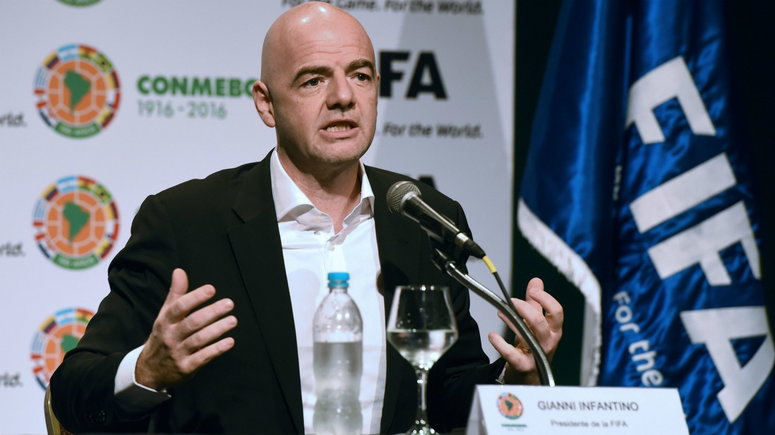
Football supporters can be brutally honest whenever something feels emotionally disconnected from the sport’s deeper culture. Several recent tournaments faced criticism regarding music direction because fans felt some official songs lacked emotional identity or memorable energy.
Older World Cup songs succeeded because they felt deeply connected to football passion itself. They sounded like celebration, competition, pride, unity, movement, chaos, excitement, national identity, emotional release, victory, heartbreak, resilience, dreams, plus global togetherness.
Modern audiences wanted that feeling again. FIFA likely understood this growing frustration.
Choosing Shakira immediately reconnected the organization to one of its most beloved musical eras. Her history with football already carried emotional credibility among supporters across generations. Younger audiences recognized her from viral streaming culture while older fans remembered earlier World Cup experiences attached to her music.
Adding Burna Boy introduced another layer entirely. Afrobeats currently stands among the world’s most influential music movements. Ignoring that reality during a modern global tournament would appear disconnected from current entertainment culture. FIFA seemingly recognized that younger football audiences consume African music heavily across digital platforms.
By pairing Shakira with Burna Boy, FIFA effectively connected nostalgia with modern global culture.
That strategic balance explains why excitement spread far beyond ordinary music fans. Sports audiences, entertainment audiences, African audiences, Latin audiences, streaming communities, social media users, festival lovers, plus football supporters all found reasons to care about the collaboration.
The Meaning Behind Dai Dai
Song titles often shape public curiosity long before full tracks release officially. That curiosity intensified heavily once people started asking what Dai Dai actually means.
Several international reports suggested the phrase derives from an Italian expression associated with motivation, encouragement, movement, excitement, crowd energy, competitive spirit, plus emotional momentum. Interpretations linked the phrase to meanings similar to let’s go, keep pushing, come on, keep moving.
That explanation made sense almost immediately within football culture.
Football stadiums thrive on repetitive emotional chants. Fans scream motivational phrases repeatedly throughout matches. Songs attached to tournaments usually depend heavily on chant friendly hooks capable of energizing giant crowds inside stadium environments. Dai Dai sounds designed specifically for that purpose.
The phrase carries rhythm naturally. Crowds can repeat it easily. Stadium audiences can chant it collectively. Television broadcasts can integrate it smoothly. Marketing campaigns can use it repeatedly. Supporters from different language backgrounds can pronounce it comfortably.
Everything about the title appears intentionally built for global football environments.
That simplicity may ultimately become one of the song’s greatest strengths.
Africa’s Emotional Connection To This Moment
Many outsiders may view Burna Boy’s involvement as simply another major collaboration between global stars. Across Africa, however, reactions carried much deeper emotional layers.
African music spent decades fighting for serious mainstream international respect. Despite massive talent across the continent, global entertainment industries often treated African artists as regional acts rather than central figures within worldwide culture.
Streaming changed that reality dramatically. African music now dominates clubs, festivals, social media trends, playlists, dance culture, collaborations, plus global streaming algorithms. Nigerian artists especially pushed Afrobeats into international consciousness through relentless consistency, digital growth, touring expansion, plus cultural confidence.
Burna Boy became one of the strongest symbols of that transformation.
Seeing him attached to an official FIFA World Cup anthem feels deeply validating for many African fans because football itself already carries enormous emotional significance across the continent. African countries treat football almost like spiritual identity. World Cup tournaments dominate conversations, viewing centers, social gatherings, television programming, radio discussions, plus online culture across numerous African nations.
Now an African artist stands directly inside the tournament soundtrack itself. That symbolism matters enormously.
Many fans online described the collaboration as another Afrobeats to the world moment because it represents African music reaching one of entertainment’s largest global stages without losing its cultural essence.
For younger African artists watching this unfold, the emotional message becomes even bigger.
Global institutions are beginning to recognize African creativity not as a side attraction, but as a driving force shaping worldwide entertainment culture.
Shakira’s Football Legacy Returns
Very few musicians possess the ability to attach themselves permanently to sports history. Athletes achieve legendary football status through goals, trophies, records, leadership, rivalries, plus unforgettable moments. Musicians rarely enter that same emotional territory unless their work becomes inseparable from tournament memories. Shakira achieved exactly that years ago.


Waka Waka transformed beyond ordinary pop success into a football cultural phenomenon. Stadium crowds embraced it. Fans learned the choreography. Schools performed it. Tournament broadcasts repeated it endlessly. Television stations used it constantly. Supporters connected emotionally with its celebratory atmosphere.
That cultural longevity explains why many football fans reacted emotionally after discovering Shakira would return for another FIFA anthem.
Some supporters genuinely believe no artist understands World Cup musical energy better than she does. That belief intensified expectations surrounding Dai Dai.
Fans immediately began comparing the upcoming anthem to Waka Waka despite the new song not yet releasing officially. While such comparisons create pressure, they also reveal enormous trust in Shakira’s football music reputation. Her experience matters significantly here.
She understands the emotional demands attached to global sports music. She understands crowd energy. She understands tournament atmosphere. She understands how football supporters emotionally attach songs to memories.
Pairing that experience with Burna Boy’s modern global energy created exactly the kind of combination FIFA likely wanted.
Social Media Explodes
Modern entertainment announcements live or die through online reaction speed. Dai Dai succeeded immediately because conversations spread across multiple digital communities simultaneously.
Football supporters discussed the anthem from sports perspectives. Music fans focused on artistic chemistry. African audiences celebrated Burna Boy’s global recognition. Latin pop communities celebrated Shakira’s return. TikTok creators started predicting dance trends. Reddit users debated whether the anthem could match classic FIFA songs.
The reactions became enormous partly because the collaboration crossed several cultural worlds at once.
Fans repeatedly described the project as feeling global rather than regionally restricted. That perception matters greatly for FIFA because the World Cup itself markets unity between nations, cultures, languages, identities, plus backgrounds. Several online reactions stood out repeatedly.
Many supporters argued FIFA finally corrected previous soundtrack mistakes by returning to emotionally energetic music. Others praised Burna Boy’s involvement specifically because Afrobeats currently dominates worldwide party culture. Some viewers became emotional discussing Africa’s growing visibility inside major global entertainment platforms.
Criticism also appeared naturally. Some fans questioned whether any World Cup song could realistically surpass Waka Waka’s legacy. Others worried expectations had already become dangerously high before the full release. A few argued nostalgia might overpower objective judgment once the track officially drops.
Still, excitement overwhelmingly dominated the internet conversation.
That early emotional investment already signals major cultural momentum behind the project.
FIFA World Cup 2026: A Tournament Built For Spectacle
The FIFA World Cup 2026 tournament already carries historic significance before a single match officially begins. Scheduled between June 11, 2026 plus July 19, 2026, the competition will unfold across the United States, Canada, plus Mexico.
That multinational hosting arrangement alone makes the tournament culturally unique.
North America plans enormous stadium experiences, entertainment integrations, tourism campaigns, celebrity involvement, sponsorship expansions, digital activations, plus massive global media coverage. FIFA clearly intends for the tournament to feel larger than previous editions in scale, visibility, audience engagement, plus commercial impact.
Music naturally becomes central within that vision.
Major sports tournaments no longer operate purely as athletic competitions. They function as entertainment ecosystems combining football, celebrity culture, fashion, digital influence, tourism, social media engagement, brand partnerships, cultural symbolism, live performances, plus emotional storytelling.
Dai Dai appears positioned directly at the center of that broader entertainment strategy.
The anthem will likely dominate tournament promotions, television intros, stadium experiences, sponsorship campaigns, fan festivals, highlight reels, digital advertisements, plus official FIFA content leading into the tournament period.
That exposure alone could push the collaboration into extraordinary global visibility.
The Confusion Around FIFA’s Music Campaigns
Another major reason online conversations intensified involved confusion surrounding multiple FIFA related music projects happening simultaneously.
Several fans mistakenly mixed Dai Dai with another football connected promotional campaign involving artists like J Balvin, Travis Barker, Amber Mark, plus Steve Vai. That separate project reportedly connects to Coca Cola’s FIFA marketing campaign rather than the official World Cup anthem itself.
Dai Dai remains the official FIFA World Cup song.
That distinction matters significantly because official tournament anthems carry far greater emotional association with tournament identity itself. Promotional partnerships may trend commercially, but official FIFA songs become permanently tied to tournament memories historically.
Clarifying that difference became important as misinformation spread across social media platforms.
Once international outlets confirmed Dai Dai as the official World Cup anthem, excitement increased even further.
The Pressure Facing Dai Dai
Success creates expectation. Expectation creates pressure. That reality now surrounds Dai Dai heavily before release day even arrives.
Because Waka Waka became one of football history’s most iconic songs, audiences naturally expect another cultural masterpiece whenever Shakira returns to FIFA territory. Burna Boy’s massive global popularity adds additional pressure because supporters expect him to represent African music powerfully on such an enormous stage.
Together, both artists face extraordinary expectations. Fans want emotional energy. They want unforgettable hooks. They want danceability. They want stadium chant potential. They want replay value. They want emotional connection. They want football spirit. They want nostalgia mixed with modernity.
Achieving all those goals simultaneously is incredibly difficult. Still, the teaser successfully created one essential ingredient already, Anticipation.
Millions of people now genuinely care about hearing the full song once it officially releases on May 14, 2026.
That emotional investment alone proves FIFA succeeded strategically before the complete anthem even arrived.
Burna Boy’s Biggest Sports Moment Yet
Although Burna Boy already achieved major international success across music culture, festivals, touring, streaming, plus collaborations, Dai Dai may ultimately become his most globally visible sports related moment ever.
The FIFA World Cup reaches audiences beyond ordinary entertainment spaces.
Football crosses language barriers, economic classes, political divides, cultural differences, plus geographic limitations. World Cup moments reach households containing people who may never normally follow modern global music trends closely.
That exposure matters enormously. Burna Boy’s involvement introduces his artistry directly into millions of football centered environments worldwide. Supporters who rarely consume Afrobeats may suddenly encounter his voice repeatedly throughout tournament broadcasts, stadium events, promotional campaigns, plus social media highlights.
That level of visibility can permanently reshape international recognition.
For Nigerian supporters specifically, the emotional significance feels even stronger because football already holds near sacred status across the country. Watching a Nigerian artist help soundtrack the FIFA World Cup creates immense national pride.
Many fans online already describe the collaboration as historic regardless of the song’s eventual commercial performance.
The Emotional Power Of Football Music
Football without music feels incomplete. Before kickoff, fans sing national anthems emotionally. During matches, supporters chant aggressively inside stadiums. After victories, songs dominate celebrations. During heartbreak, music becomes emotional therapy. Tournaments themselves become attached to specific melodies permanently.
That emotional relationship explains why World Cup songs matter far more than ordinary soundtrack releases.They become emotional containers for memories.
Years later, hearing certain football anthems instantly transports people back into tournament moments. They remember goals, celebrations, arguments, viewing parties, heartbreak, excitement, family experiences, friendships, rivalries, plus unforgettable nights.
FIFA understands this emotional psychology deeply. Dai Dai therefore carries responsibilities beyond entertainment value. The anthem must help shape emotional atmosphere around the world’s biggest football tournament.
That challenge explains why anticipation remains so intense globally.
What Happens Next
Everything now moves toward May 14, 2026.
That release date will determine whether Dai Dai fully delivers on the enormous expectations currently surrounding the project. Fans will analyze the lyrics, production quality, emotional energy, replay value, choreography potential, stadium compatibility, visual direction, plus cultural impact almost immediately after release.
If the song succeeds emotionally, FIFA may finally regain the kind of iconic World Cup musical identity many supporters believed disappeared years ago.
If it fails, criticism will arrive brutally fast because expectations already stand extremely high.
Still, one reality already feels undeniable.
The collaboration itself represents something culturally important.
Shakira’s football legacy returning beside Burna Boy’s African global dominance reflects a changing entertainment landscape where African music no longer waits outside global conversations hoping for recognition. It now enters directly through the front door, standing beside some of the world’s biggest cultural institutions confidently.
That deeper symbolism may ultimately outlive the song itself. Because beyond football, beyond streaming numbers, beyond charts, beyond social media trends, beyond celebrity headlines, Dai Dai already represents a moment showing how global culture continues evolving before the world’s eyes.