The atmosphere around Lagos carried a different kind of weight as the night unfolded, a feeling that moved beyond entertainment into something closer to memory, gratitude, and recognition of time itself. The Africa Magic Viewers’ Choice Awards returned with its 2026 edition under the banner of Africa Magic Viewers Choice Awards, but the opening focus did not begin with competition or red carpet glamour alone.
It began with a gathering that felt like a pause in the industry’s fast moving rhythm, where names that shaped Nigerian cinema were placed at the center of attention without debate or rivalry. The Icons Night set the tone as a pre ceremony moment that drew attention toward legacy rather than victory, toward contribution rather than applause chasing.
Lagos, Nigeria, the host city, became the backdrop for a celebration that felt personal to many who grew up watching home videos and early cinema productions that defined Nollywood’s rise. The recognition of veteran performers created a reflective mood that lingered through speeches, presentations, and audience reactions. Conversations around the venue hinted at an understanding that this year’s focus was not just about winners of categories but about the people whose careers built the foundation others now stand on. The night carried emotional undertones that many attendees described as rare in award shows, especially in an industry that often moves quickly from one trending name to another.
Icons Night Recognition Moment: Veterans Take Center Stage
Attention shifted fully when the Icon Awards segment began, drawing the room into a quieter state of focus. The ceremony highlighted four figures whose contributions to Nollywood span decades, each representing a different era and style of storytelling that helped shape African screen culture. The presentation of honors to Joke Silva, Nkem Owoh, Patience Ozokwo, and Afeez Oyetoro marked a defining moment of the evening, as their names were announced to sustained applause and visible emotion from audience members.
The recognition took place during Icons Night ahead of the main AMVCA ceremony scheduled for Saturday May 9 2026 at Eko Hotel and Suites in Lagos. The Icons segment itself stood apart from competitive categories, positioning itself as a tribute driven moment rather than a contest. Reports from the event indicated that the segment was supported through sponsorship involving MTN Group, with discussions circulating that each honoree received a financial recognition of 5 million naira alongside the symbolic award presentation. While the monetary aspect drew attention online, the emotional weight of the moment remained the dominant focus within the venue.
Each honoree walked into recognition shaped by years of audience connection, industry growth, and cultural influence. The applause carried recognition of careers that had already been written into Nollywood history long before streaming platforms and global distribution expanded African film reach. The Icons Night became less about introducing these names and more about confirming their place in a story that audiences already knew by heart.
Joke Silva: Legacy Of Discipline, Mentorship, Industry Architecture


Among the honorees, Joke Silva stood out not only for her acting legacy but for her long standing influence in shaping performance standards within Nigerian film and theatre. Her career spans decades of consistent presence across stage, television, and cinema, establishing her as one of the most respected figures in the industry. Beyond screen appearances, her involvement in actor development and mentorship has positioned her as a guiding presence for multiple generations of performers.
Her recognition at the Icons Night carried additional significance because she also serves as head judge for the 2026 edition of the awards, a role that places her at the center of evaluating emerging talent while simultaneously being celebrated as a veteran. Many observers noted the layered symbolism of her presence at the event, where she represents both history and present day industry oversight. Audience reactions suggested a shared belief that her contributions extend beyond performance into shaping how Nigerian actors approach craft, discipline, and longevity.
The acknowledgment of her career was framed by years of influence that include theatre development, film production participation, and continuous involvement in creative education. Attendees described the moment of her recognition as one that felt deserved across all timelines of Nollywood growth, reflecting a career that has remained active, relevant, and impactful without interruption across industry phases.
Patience Ozokwo: Screen Authority, Character Depth, Generational Influence

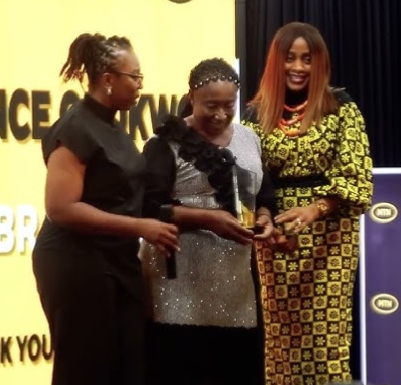
Patience Ozokwo received recognition that reflected her long standing dominance in character driven storytelling. Known widely for strong maternal and antagonist roles, she became a defining figure in early Nollywood home video culture. Her screen presence often carried authority, emotional weight, and narrative tension that shaped many family centered storylines that dominated Nigerian cinema in its earlier years.
Her contribution to Nollywood is often discussed in terms of versatility, as she transitioned between roles that required emotional depth and those that demanded commanding screen presence. Audiences across different regions of Africa became familiar with her characters, often associating her with storylines that carried moral lessons, family conflict, and social reflection. The Icons Night recognition placed her contribution in a broader historical context, acknowledging how her roles influenced storytelling patterns within the industry.
The applause that followed her award presentation reflected recognition from multiple generations, including younger audiences who discovered her work through streaming platforms and older audiences who followed her from early home video releases. Her career continues to serve as a reference point for character acting within Nollywood, especially in roles that require emotional intensity and narrative authority.
Nkem Owoh: Comedy Heritage, Cultural Memory, Screen Identity
The recognition of Nkem Owoh brought a different emotional energy into the room, one rooted in nostalgia and cultural memory. Widely known for his comedic brilliance, his performances helped define a generation of Nollywood comedy that blended humor with social storytelling. His role in films that gained continental popularity positioned him as one of the most recognizable faces in African entertainment, especially through characters that audiences continue to reference years after release.
His work in Osuofia in London became a cultural marker that expanded Nollywood comedy beyond local audiences into wider African and diaspora viewership. The style he brought to screen performances combined exaggerated expression with relatable storytelling, creating a form of humor that resonated across different age groups. His recognition at Icons Night was accompanied by audience reactions that reflected familiarity rather than introduction, as many attendees already associated his face with some of the industry’s most iconic comedic moments.
The award presentation highlighted his contribution to mainstream acceptance of Nollywood comedy as a structured genre rather than a secondary element of film production. His recognition also served as a reminder of how early Nollywood actors shaped audience expectations long before modern production budgets and international collaborations became common features of the industry.
Afeez Oyetoro, Comedy Identity, Academic Presence, Cultural Reach

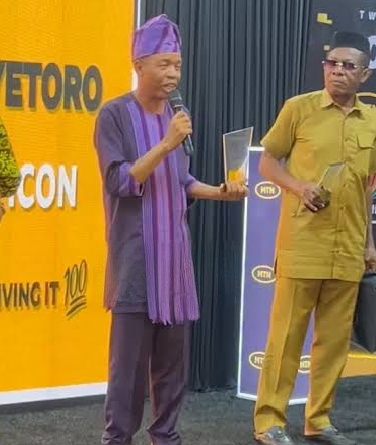
Afeez Oyetoro, popularly known as Saka, received recognition that highlighted both his comedic influence and his academic background in theatre arts. His rise to prominence through comedic film roles and advertising campaigns created a unique dual identity that blends entertainment and education. His widely recognized MTN campaign phrase I don port o became a cultural reference point that extended his visibility beyond film into everyday public conversation.
His presence in both academia and entertainment gives his career a layered significance within Nollywood development. As a lecturer in theatre arts, he has contributed to training upcoming performers while simultaneously maintaining an active screen presence. His recognition at the Icons Night drew strong reactions online, especially from audiences who believe comedy performers often do not receive equivalent acknowledgment compared to dramatic actors.
The award segment placed his career within a broader discussion about the value of comedic storytelling in African cinema. Audience responses highlighted how his work continues to influence modern comedy performance styles, particularly in timing, expression, and character interpretation.
Digital Conversation Surge
The announcement of the Icon Awards triggered widespread conversation across social platforms, where audiences expressed emotional responses to the recognition of veteran performers. Many reactions focused on the idea that these figures shaped Nollywood during its formative years, often working with limited resources while building narratives that still resonate today. The sentiment around the event reflected appreciation for recognition given while these figures remain active and visible within the industry.
Online discussions also reflected comparisons between earlier Nollywood eras and the current landscape shaped by streaming platforms, international collaborations, and higher production budgets. Many viewers described the Icons Night as a reminder of how far the industry has progressed while still relying on foundations built by earlier generations. Emotional posts highlighted gratitude, nostalgia, and reflection on personal memories tied to films and characters associated with the honorees.
Other Event Highlights: Fashion Moment, Hosting Announcement, Category Expansion
Beyond the Icon Awards segment, attention also moved to other aspects of the night. Actress Susan Peters received recognition as Best Dressed, drawing attention to the fashion side of the event. The main ceremony hosting announcement confirmed Bovi Ugboma and Nomzamo Mbatha as presenters for the upcoming awards night, adding anticipation to the main event scheduled for May 9 2026.
The 2026 edition of the AMVCA introduced 32 categories, including expanded recognition for Indigenous Language films from North and Central Africa. This expansion reflects ongoing efforts to widen representation within African storytelling and acknowledge linguistic diversity in cinema production. Films such as Gingerrr, The Herd, To Kill A Monkey, and My Father’s Shadow emerged as leading nominees, setting expectations for a competitive main ceremony.
Closing Reflection on Industry Memory and Cultural Continuity
The Icons Night ultimately became a reminder that Nollywood’s history is built on consistent creative effort across decades, not isolated moments of success. The recognition of Joke Silva, Nkem Owoh, Patience Ozokwo, and Afeez Oyetoro placed emphasis on continuity, influence, and cultural impact that extends beyond individual films. Their careers represent different chapters of an evolving industry that continues to redefine itself while still drawing strength from its earliest contributors.
As attention shifts toward the main ceremony on May 9 2026 at Eko Hotel and Suites in Lagos, the emotional tone set by Icons Night lingers within public conversation. The evening established a narrative that goes beyond awards competition, focusing instead on recognition of legacy, preservation of cultural memory, and acknowledgment of those whose work shaped Nollywood into a globally recognized film industry.