Something powerful has been happening around Davido’s name for years now, something bigger than hit songs, sold out arenas, luxury headlines, streaming records, or celebrity conversations. Every major stage he has stepped on since 2011 has quietly carried a deeper message about African music’s changing position in the world. What once looked like another ambitious Nigerian artist chasing global relevance has gradually transformed into a movement that forced international music spaces to open their doors wider to Afrobeats, African creators, African stories, African sounds, African confidence.
Now another historic moment has arrived. A planned induction into the 2026 Black Music & Entertainment Walk of Fame in Atlanta, Georgia, is already sending emotions across the entertainment industry because of what this recognition truly represents behind the scenes. Beyond the applause, beyond the congratulatory messages flooding social media, beyond the celebrity reactions, lies a deeper story about persistence, cultural impact, rejection, validation, timing, legacy, sacrifice, global acceptance, African pride, musical diplomacy, generational influence, personal battles, family expectations, international pressure, reinvention, consistency, survival.
Many people are celebrating the announcement because of the famous names attached to it. Others are looking at the history behind the institution itself. Some fans are already calling it one of the defining moments of Davido’s entire career. Yet beneath all the excitement sits a much bigger conversation that stretches far beyond one artist receiving another honor.
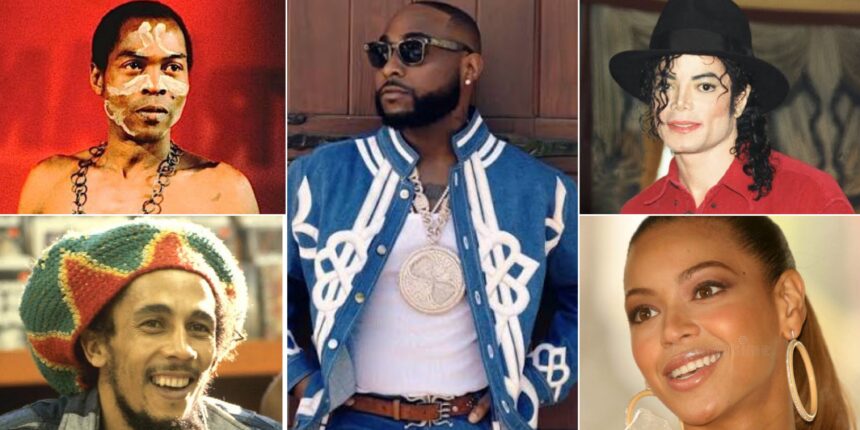
How exactly did a young Nigerian artist who was once doubted by critics grow into a figure now being immortalized alongside Beyoncé, Michael Jackson, Bob Marley, Stevie Wonder, Fela Kuti, Prince, Usher, Nas, Missy Elliott, Mary J Blige, Lauryn Hill, Lil Wayne, Smokey Robinson, Kirk Franklin, Charlie Wilson, Snoop Dogg, Ray Charles, Patti LaBelle, Busta Rhymes, Lionel Richie, Shirley Caesar, others?
That answer did not happen overnight.
A Historic Announcement That Changed Conversations
News of Davido’s planned induction into the Black Music & Entertainment Walk of Fame became official ahead of the June 1, 2026 ceremony scheduled to hold at Atlanta’s Historic Westside. Organizers unveiled the latest class of honorees, confirming Davido among several respected figures whose contributions shaped Black entertainment, music, culture, leadership, artistic influence across generations.
The announcement immediately exploded across social media because of what it symbolized for Afrobeats globally. Davido’s inclusion instantly stood out to millions of Africans who understand how difficult it once was for African music to receive serious institutional recognition outside the continent. Long before Afrobeats became a dominant force on global charts, African artists often struggled for visibility in Western award systems, mainstream radio spaces, international music conversations.
That reality has dramatically changed over the last 15 years, with Davido standing among the artists who helped force that transformation into existence.
Fans quickly connected the dots between Davido’s long career journey, his relentless consistency, his crossover appeal, his global collaborations, his cultural reach, his touring dominance, his streaming power, his mainstream visibility. Many described the induction as overdue while others called it another sign that Afrobeats has permanently entered the global music establishment.
Davido himself responded emotionally after the announcement surfaced online. His message was short but deeply revealing because it reflected the weight of the moment from a personal perspective.
“God is the best of all planners! 15 years in da game.”
That single sentence carried years of pressure, battles, criticism, growth, loss, success, reinvention, survival.
Atlanta’s Powerful Connection To Black Music History
Atlanta is not just another American city hosting an entertainment event. The city carries enormous historical importance within Black culture, Black music, Black business, Black political influence, Black creativity across multiple generations.
For decades, Atlanta has served as one of the strongest cultural capitals for Black entertainment worldwide. Hip hop legends, R and B stars, gospel icons, producers, executives, filmmakers, entrepreneurs built powerful careers through the city’s entertainment ecosystem. Many groundbreaking sounds that shaped global popular culture emerged directly from Atlanta’s music scene.
That context makes Davido’s induction even more significant. Atlanta also shares a deep relationship with African culture, especially among African American communities who continue reconnecting with African identity through music, fashion, spirituality, heritage, art, activism, storytelling. Afrobeats itself has developed a strong presence within Atlanta over the years, with concerts, festivals, clubs, radio stations, celebrity networks embracing the sound aggressively.
Davido has maintained strong ties to Atlanta throughout his career. Several of his collaborations, appearances, performances, recording sessions, industry relationships trace back to the city. His global rise cannot be separated from the American music spaces that gradually embraced Afrobeats during the last decade, with Atlanta playing a major role in that transition.
Holding the ceremony at Atlanta’s Historic Westside creates a symbolic bridge between African music history, Black American entertainment history, future global culture.
The Walk Of Fame’s Bigger Mission
Since launching in 2021, the Black Music & Entertainment Walk of Fame has focused on honoring legendary Black figures whose influence transformed entertainment, culture, music, social impact across generations.
Unlike ordinary award ceremonies that celebrate temporary trends or yearly achievements, the Walk of Fame centers on legacy. That difference matters deeply because legacy honors permanence rather than popularity alone.
Every inductee becomes part of a larger historical archive tied to Black artistic excellence, cultural contribution, entertainment evolution.
Names already recognized through the institution reveal the level of prestige attached to the honor.
Beyoncé’s influence on music, fashion, performance culture remains historic. Michael Jackson’s impact on global entertainment still shapes artists decades later. Stevie Wonder transformed soul music through innovation, songwriting, instrumentation, activism. Bob Marley became one of the most powerful cultural ambassadors in modern history through reggae music. Prince redefined musical artistry, creative independence, genre experimentation. Fela Kuti revolutionized African music while challenging political oppression through Afrobeat.
Davido entering this space carries emotional weight because it connects Afrobeats directly to a wider lineage of Black musical history recognized globally.
Many fans view this as another important step toward preserving African artists within international cultural memory rather than treating Afrobeats as a temporary trend.
Davido’s 15 Year Climb Toward Global Recognition


Davido’s journey toward this recognition did not begin with sold out stadiums or Grammy nominations. The story started much earlier during a period when Nigerian music still struggled for mainstream international attention.
Back around 2011, Davido emerged into the Nigerian music scene with enormous energy, confidence, charisma, ambition. Songs like Dami Duro instantly disrupted the industry because of their infectious sound, youthful swagger, commercial appeal.
Yet early success also came with criticism. Many doubted whether Davido possessed the longevity required to survive the constantly changing entertainment industry. Critics questioned his artistry. Others dismissed him because of his wealthy background. Some argued he would fade after a few hit songs.
Instead, Davido continued evolving. Year after year, he adapted his sound without losing his core identity. He embraced collaborations strategically. He maintained visibility aggressively. He connected with audiences emotionally through vulnerability, confidence, consistency, relatability.
Albums, singles, tours, endorsements, performances gradually expanded his influence beyond Nigeria into other African countries, Europe, North America, South America, Asia.
His ability to balance mainstream commercial success with authentic African identity became one of his greatest strengths.
While many artists struggled to crossover internationally without diluting their roots, Davido managed to push Afrobeats forward while remaining culturally grounded.
That balancing act helped reshape how global audiences viewed African music.
How ‘Fall’ Changed Everything
Among Davido’s biggest milestones, Fall remains one of the defining records that accelerated Afrobeats internationally.
Released in 2017, the song achieved something few African songs had previously accomplished within the American music ecosystem. Without major Western label machinery initially driving the record, Fall began spreading organically across clubs, parties, streaming platforms, diaspora communities, radio spaces.
Its momentum became impossible to ignore. The song eventually broke streaming records, entered Billboard conversations, dominated DJ playlists, crossed into mainstream American spaces. Several industry insiders later described Fall as one of the records that helped executives realize Afrobeats possessed genuine commercial potential globally.
That success opened more doors not just for Davido but for the entire genre.
Labels started investing more aggressively in African artists. International collaborations increased. Festival bookings expanded. American audiences became more curious about Nigerian music.
Davido’s role during that transition period remains crucial because he consistently positioned himself as one of Afrobeats’ strongest ambassadors internationally.
Grammy Recognition Elevated The Conversation
Davido’s Grammy recognition for Timeless represented another major career turning point because it elevated perceptions around his artistry internationally.
Released in 2023, Timeless arrived during one of the most emotionally difficult periods of Davido’s life following devastating personal tragedy. Many observers wondered whether he could emotionally return to music at the same level after stepping away from public attention for months.
Instead, Timeless became one of the strongest projects of his career.
The album showcased maturity, emotional depth, sonic versatility, artistic confidence. It generated global success commercially while receiving widespread critical praise.
Grammy recognition further validated Davido’s position within global music conversations. Although Afrobeats had already gained momentum internationally, Grammy acknowledgement still carried symbolic importance because of the institution’s influence within global entertainment culture.
That recognition also reinforced the idea that Afrobeats artists could compete artistically at the highest international levels without abandoning African musical identity.
Collaborations That Expanded Afrobeats Worldwide
Davido’s international collaborations played a major role in helping expose Afrobeats to wider audiences over the years.
Working with artists across multiple genres allowed him to bridge musical worlds effectively. Collaborations with Chris Brown, Nicki Minaj, Lil Baby, Summer Walker, Young Thug, Popcaan, Latto, others expanded his visibility beyond traditional African music audiences.
Yet one important detail separated Davido from many crossover artists.
Rather than completely adapting into foreign sounds, he consistently carried Afrobeats elements into those collaborations. African rhythms, Nigerian slang, local influences, vocal textures remained visible inside his music regardless of the collaborators involved.
That consistency helped preserve Afrobeats’ identity even while the genre expanded globally.
International collaborations also strengthened Davido’s reputation as a connector between cultures, industries, audiences.
Touring Dominance Strengthened His Global Reach
Another major factor behind Davido’s growing legacy lies in his touring power.
Global music success today depends heavily on an artist’s ability to command live audiences internationally. Davido repeatedly demonstrated that strength through sold out shows across Africa, Europe, North America, Middle East, Caribbean regions.
Concert footage from his performances often reveals intense emotional connection between Davido, fans. Crowds from different nationalities singing Nigerian lyrics word for word became increasingly common during his tours.
That level of cultural penetration helped normalize Afrobeats globally. Large venues previously reserved mainly for Western pop stars gradually opened toward African artists because performers like Davido proved the demand existed internationally.
His performances also strengthened Afrobeats as a live experience rather than just a streaming phenomenon.
Fela Kuti’s Legacy Still Looms Large
Davido joining Fela Kuti among African inductees carries enormous symbolic importance because of what Fela represents historically within African music culture.

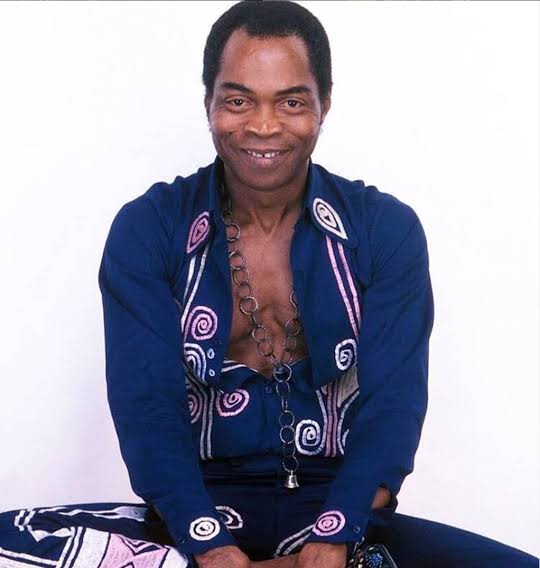
Fela Kuti was far more than an entertainer. Through Afrobeat, he created an entire cultural movement rooted in political resistance, African consciousness, musical experimentation, social commentary, artistic fearlessness.
His influence spread across generations globally, inspiring musicians, activists, intellectuals, creatives.
For decades, Fela stood almost alone as one of Africa’s most internationally recognized musical icons within institutional global conversations.
Now Davido’s inclusion reflects how much African music has evolved since Fela’s era.
Afrobeats operates within a different context from Afrobeat, yet both movements share a common thread involving African expression reaching global audiences powerfully.
Many fans view Davido’s induction beside Fela as symbolic proof that newer generations of African artists are continuing the international cultural pathway legends like Fela helped create decades earlier.
Why Fans Are Calling This Bigger Than Awards
Awards often come with temporary excitement before public attention moves elsewhere. Walk of Fame inductions operate differently because they symbolize permanence.
Fans celebrating Davido’s latest recognition understand that difference clearly.
This moment is not about weekly chart numbers or social media trends. It reflects long term impact across culture, music, international visibility, representation.
Several supporters described the announcement as emotional because they remember periods when African artists struggled for international respect despite immense talent.
Watching Davido now receive recognition alongside globally legendary figures feels validating for many Africans who witnessed Afrobeats’ difficult rise from regional sound into international powerhouse.
Some fans also connected the moment to Nigeria’s broader cultural influence globally through music, fashion, film, comedy, dance, digital creativity.
Davido’s success increasingly feels tied to something larger than one celebrity career.
Organized Noize, Ludacris, Paul S Morton, Maynard Jackson
Davido’s planned induction class includes influential figures from multiple sectors of Black culture, entertainment, leadership.
Ludacris remains one of Atlanta’s most commercially successful hip hop artists with enormous impact on rap culture, film, entertainment entrepreneurship.
Organized Noize helped shape Southern hip hop history through groundbreaking production work connected to Outkast, TLC, Goodie Mob, others.
Paul S Morton built a respected legacy within gospel music, spiritual leadership, Black religious culture.
Maynard Jackson made history as Atlanta’s first Black mayor while transforming political representation, economic empowerment within the city.
Being honored alongside such figures further reinforces the Walk of Fame’s broader mission beyond entertainment alone. The institution recognizes cultural architects whose contributions shaped communities, industries, generations.
Davido’s inclusion inside such company reflects how seriously his cultural influence is now viewed internationally.
Afrobeats’ Permanent Global Position
Perhaps the biggest takeaway from Davido’s induction involves what it says about Afrobeats itself.
Years ago, many industry observers treated Afrobeats as temporary international excitement that would eventually fade. Critics questioned whether the genre possessed staying power globally beyond dance trends, club popularity, viral moments.
Today those doubts look increasingly outdated. Afrobeats now commands major festival stages, streaming dominance, award recognition, international collaborations, stadium tours, fashion influence, cultural visibility worldwide.
Artists like Burna Boy, Wizkid, Tems, Rema, Asake, Tyla, Ayra Starr, others continue expanding the genre’s reach globally.
Davido’s induction into the Black Music & Entertainment Walk of Fame reinforces the idea that Afrobeats has moved beyond trend status into permanent cultural relevance.
That transition carries enormous significance for future African artists coming behind this generation.
Nigerian Music’s Long Road To Recognition
Long before Afrobeats gained mainstream global attention, Nigerian artists spent years building infrastructure, audiences, creativity with limited international support.
Earlier generations fought through piracy, poor industry structures, limited funding, weak distribution systems, inadequate media coverage, international neglect.
Artists continued creating regardless. Over time, digital technology, streaming platforms, diaspora support, social media gradually helped African music bypass traditional gatekeepers.
Davido emerged during a critical transition period when Nigerian music was beginning to expand internationally but still lacked full global acceptance.
His success therefore reflects both personal ambition, larger industry evolution happening simultaneously.
Many younger fans enjoying Afrobeats’ current dominance may not fully understand how difficult global recognition once seemed for African artists.
That history makes moments like this induction especially meaningful.
Davido’s Cultural Influence Beyond Music
Another reason Davido’s recognition resonates strongly lies in his influence beyond music itself.
Over the years, he became one of Nigeria’s most recognizable public figures globally. His lifestyle, philanthropy, fashion presence, celebrity relationships, family background, online personality all contributed toward his cultural visibility.
Davido also maintained strong emotional connection with ordinary fans through social media engagement, generosity, accessibility, humor.
Despite enormous wealth, many supporters still view him as relatable because of his openness emotionally.
His public image blends superstar glamour with personal vulnerability, confidence with accessibility, ambition with emotional transparency.
That combination helped strengthen his mass appeal across different audiences globally.
Legacy Conversations Are Already Beginning
Following the Walk of Fame announcement, conversations around Davido’s long term legacy intensified online.
Fans debated his position within Afrobeats history, Nigerian music history, African entertainment history.
Some argued his influence on Afrobeats globalization remains unmatched because of his consistency across multiple markets simultaneously. Others focused on his commercial achievements, international reach, streaming numbers, touring impact.
Several supporters described him as one of the foundational architects who helped normalize Afrobeats internationally before the genre exploded globally.
Regardless of personal rankings, one reality continues becoming clearer.
Davido’s name is now permanently attached to major historical conversations surrounding African music’s global rise during the 21st century.
June 1, 2026 Could Become Another Landmark Moment
The official induction ceremony scheduled for June 1, 2026 is already generating anticipation among fans, entertainment observers, cultural commentators.
Many expect major celebrity appearances, emotional speeches, performances, tributes during the ceremony held at Atlanta’s Historic Westside.
For Davido personally, the event could become another defining visual moment within his career journey. Images of him officially receiving recognition alongside globally legendary Black cultural figures will likely travel worldwide instantly.
African fans especially are expected to celebrate aggressively online during the ceremony because of the pride attached to the moment.
Several entertainment analysts already predict the induction will further strengthen Davido’s international profile heading into the next phase of his career.
A Moment Bigger Than Davido Alone
Although the celebration centers around Davido, many Africans view this moment collectively rather than individually.
The induction represents years of cultural struggle, artistic persistence, international resistance, eventual acceptance involving countless African creatives across generations.
Producers, DJs, dancers, video directors, promoters, bloggers, executives, fans, radio personalities, cultural ambassadors all contributed toward Afrobeats’ current global position.
Davido became one of the movement’s biggest faces internationally, yet the movement itself involved millions of people pushing African creativity forward relentlessly.
That collective pride explains why reactions to the announcement became so emotional across social media platforms globally.
Final Reflection
The planned induction into the 2026 Black Music & Entertainment Walk of Fame is not simply another entertainment headline designed to dominate social media for a few hours before disappearing into the next viral conversation. The moment carries deeper historical weight because it reflects how far African music has traveled from the margins of global entertainment into permanent international recognition.
Fifteen years ago, few people could have predicted that a young Nigerian artist who burst into the scene with youthful confidence would one day stand beside names like Beyoncé, Michael Jackson, Bob Marley, Prince, Stevie Wonder, Lauryn Hill, Fela Kuti, Mary J Blige, Nas, Usher, others within one of Black entertainment’s respected legacy institutions.
That transformation did not happen through luck alone.
Davido’s journey involved consistency, reinvention, resilience, strategic growth, emotional survival, artistic evolution, global ambition, cultural pride. Every sold out concert, every international collaboration, every Billboard breakthrough, every streaming milestone, every Grammy conversation slowly built toward moments like this.
Most importantly, the induction speaks volumes about Afrobeats itself.
African music is no longer knocking at the door waiting for validation. The genre has entered the building permanently, reshaped global soundscapes, forced industries to pay attention, opened pathways for future generations. Davido’s latest recognition now stands as another powerful reminder that African creativity is no longer viewed as regional entertainment but as a defining force within modern global culture.
June 1, 2026 will therefore represent more than a ceremony in Atlanta.
For millions of Africans watching worldwide, it will feel like another chapter in history finally receiving the recognition it always deserved.