Nigeria’s startup scene has seen grants, accelerators, pitch competitions, investor meetups, tech conferences, countless promises, yet something about May 2026 felt unusually different. Conversations that normally stayed inside tech circles suddenly spilled into WhatsApp status updates, Facebook business groups, university communities, LinkedIn timelines, X threads, Telegram channels, coworking hubs, even barber shops where young Nigerians now discuss startups with the same passion people once reserved for music or football.
Everywhere people turned, one name kept resurfacing with growing intensity – Startup Innovation Challenge 2026.
At first, many people ignored it because Nigeria’s digital space has become crowded with flashy opportunities that often disappear after the hype fades. Several founders initially assumed it was another online competition carrying ambitious promises without real substance. Curiosity slowly replaced skepticism when details began circulating about the size of the support package, the structure of the competition, the partnership with major technology players, plus the growing testimonies from startup founders discussing why they had already submitted applications before the May 31, 2026 deadline.
Momentum grew rapidly after screenshots of the prize structure started moving across social media platforms around May 8, 2026. Young entrepreneurs struggling with funding pressures suddenly saw something that looked bigger than the average startup contest making rounds in Nigeria. Founders building applications from cramped apartments, university hostels, shared workspaces, roadside cafes, small offices powered by noisy generators, began paying close attention. Many were not just looking at the cash prize. They were looking at possibility, access, visibility, credibility, survival.
Questions flooded the internet almost immediately. People wanted to know whether the programme was truly open to early stage founders. Others debated whether AWS credits could genuinely help struggling startups scale beyond the prototype phase. Several aspiring entrepreneurs without CAC registration wondered if they even stood a chance. Student founders quietly building projects after classes suddenly became interested. Developers who had spent months creating products without investor attention started reconsidering their chances in the ecosystem.
That growing curiosity transformed the Startup Innovation Challenge 2026 from a regular entrepreneurship announcement into one of the most discussed startup opportunities of May 2026. Beneath the loud conversations about millions of naira sat a deeper story about timing, ambition, economic pressure, Africa’s changing tech culture, plus a generation desperately searching for breakthrough opportunities in a difficult economy.
A New Wave Of Startup Attention
Nigeria’s startup ecosystem entered 2026 carrying both optimism plus exhaustion. Funding conversations had become more serious across Africa, yet thousands of founders still struggled to survive beyond the idea stage. Venture capital firms increasingly focused on startups showing traction, revenue, profitability, user growth, scalability. Early stage entrepreneurs without strong financial backing often found themselves locked out of opportunities before even getting noticed.
Many young founders had already grown tired of competitions demanding polished revenue numbers before participation. Several startup accelerators preferred companies already making money, leaving idea stage innovators frustrated. Student entrepreneurs especially faced enormous barriers because they lacked funding, industry networks, business visibility, plus access to infrastructure. That environment created the perfect conditions for something like the Startup Innovation Challenge 2026 to attract immediate attention.
Discussions intensified around May 10, 2026 after startup communities began sharing detailed eligibility information. Unlike several traditional accelerator programmes, this challenge reportedly welcomed:
• Early stage startups
• Working prototypes
• MVP founders
• Solo entrepreneurs
• Student innovators
• African focused builders
That single detail changed everything for many applicants. Founders who usually felt invisible suddenly believed they had a realistic opportunity to compete without pretending to be bigger than they truly were. Several people saw the programme as a rare chance to enter the tech ecosystem before investors started paying attention.
Social media reactions reflected that excitement. Young entrepreneurs openly discussed unfinished products they had abandoned months earlier. Developers revisited dormant startup ideas. Friends formed emergency partnerships to meet the application deadline. University students started researching pitch deck structures late into the night. Some founders reportedly spent entire weekends polishing applications because they believed this competition might finally give them visibility beyond their immediate circles.
₦100 Million Buzz : Why The Numbers Sparked Attention
Money naturally became the loudest headline surrounding the challenge. Once the phrase “Over ₦100 million” started appearing online, attention exploded beyond traditional startup audiences. Nigeria’s digital economy has become highly competitive, making large financial opportunities spread rapidly across social media platforms. People who had never discussed cloud infrastructure or startup accelerators suddenly joined conversations because the figures sounded impossible to ignore.
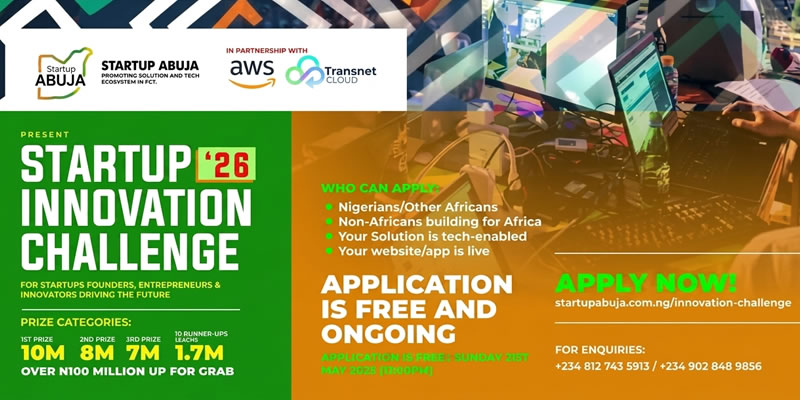
Prize breakdowns circulated heavily throughout May 2026. Many users reposted graphics explaining the rewards attached to different positions. The structure reportedly included:
1st Position
• ₦5 million cash
• ₦4 million AWS credits
• ₦1 million mentorship package
• Total value of ₦10 million
2nd Position
• ₦3 million cash
• ₦4 million AWS credits
• ₦1 million mentorship package
• Total value of ₦8 million
3rd Position
• ₦2 million cash
• ₦4 million AWS credits
• ₦1 million mentorship package
• Total value of ₦7 million
10 Runners Up
• ₦200,000 cash each
• ₦1.7 million AWS credits each
Selected Participants
• ₦500,000 AWS credits each
Several founders admitted online that the numbers alone forced them to take the programme seriously. Nigeria’s economic realities also amplified reactions. Startup founders battling inflation, rising operational expenses, unstable electricity costs, expensive internet subscriptions, cloud hosting bills, developer payments, office rent, suddenly saw a competition presenting resources capable of easing some pressure.
Conversations became even louder because people realized the competition combined cash with infrastructure support. Several entrepreneurs understood that receiving cloud credits from AWS could significantly reduce startup expenses during critical growth stages. Founders dealing with backend scaling issues recognized the practical value behind the headline figures.
Equity Free Appeal : A Rare Attraction
One major factor separating the Startup Innovation Challenge 2026 from many startup opportunities was its equity free structure. That detail deeply resonated with founders who feared losing ownership of their businesses too early.
Startup culture across Africa has increasingly educated young entrepreneurs about equity dilution. Founders now understand that giving away large ownership percentages during early stages can create long term problems. Several entrepreneurs have watched stories of founders gradually losing control over companies they built from scratch. Because of that awareness, opportunities offering support without demanding equity usually attract enormous interest.
People discussed this aspect passionately throughout May 2026. Some founders openly admitted they had avoided previous accelerator programmes because the equity requirements felt too aggressive for businesses still trying to find direction. Others argued that early stage founders need breathing space before entering complex ownership negotiations.
That conversation became emotional for many young entrepreneurs because startups often represent years of sacrifice. Several founders spend personal savings, borrow money from relatives, skip stable jobs, survive sleepless nights, endure family pressure, face social criticism, all while trying to build something meaningful. Naturally, the possibility of receiving support without surrendering ownership felt refreshing.
For student founders especially, the equity free model created psychological confidence. Young innovators who previously believed startup competitions mainly favored already funded businesses started reconsidering their assumptions. Many finally saw a programme that appeared interested in potential rather than just existing revenue figures.
AWS Partnership : More Than Branding
Partnership with Amazon Web Services added another layer of credibility to the challenge. People within Nigeria’s tech ecosystem understand the importance of cloud infrastructure in modern startup development. Hosting costs continue rising for growing startups, especially products handling increasing user traffic, storage requirements, plus backend processing demands.
AWS credits became one of the most debated aspects online. Some people initially underestimated their importance because they focused only on cash prizes. Experienced founders quickly explained why infrastructure support could become transformational for startups trying to scale beyond prototype level.
Cloud services power modern applications across sectors including fintech, ecommerce, logistics, education technology, healthcare technology, artificial intelligence, SaaS platforms, plus digital marketplaces. Startups without reliable infrastructure often struggle with downtime, slow performance, security limitations, scaling problems, plus rising technical expenses.
Several Nigerian founders reportedly explained that cloud credits could help startups survive crucial growth stages without immediately burning through operational funds. Conversations around AWS also elevated perceptions of legitimacy because many entrepreneurs viewed the partnership as evidence that the challenge carried serious technological backing.
Attention intensified because infrastructure challenges remain one of Africa’s biggest startup problems. Founders constantly battle electricity instability, hosting expenses, internet reliability issues, technical scaling limitations. Access to stronger cloud support therefore represented something practical rather than symbolic.
African Vision : Beyond Nigeria
Another reason the Startup Innovation Challenge 2026 gained widespread attention was its continental positioning. Eligibility reportedly extended beyond Nigerians alone. Africans from different countries plus non Africans building solutions for African markets could also participate.
That widened the competition’s relevance significantly. Rather than appearing like a small local initiative restricted to Abuja based businesses, the challenge started looking continental in ambition. Founders from Kenya, Ghana, South Africa, Rwanda, Uganda, Egypt, plus other African countries reportedly began discussing the programme online.
Africa’s technology ecosystem has become increasingly interconnected over recent years. Startup founders across the continent now follow each other’s funding announcements, product launches, accelerator opportunities, expansion strategies, investor partnerships. Social media platforms have made African startup conversations more unified than before.
Because of that growing ecosystem connection, opportunities positioned around “building for Africa” usually attract broader attention. Several entrepreneurs believe the continent’s next major technology successes will emerge from startups solving African specific problems rather than blindly copying foreign business models.
People also appreciated that the competition appeared focused on scalability. Many startup opportunities fail because they support ideas lacking long term market relevance. Conversations around the challenge suggested organizers wanted businesses capable of growing across multiple African markets.
Hot Sectors – Timing Played A Role
Sector targeting became another important driver behind the challenge’s popularity. The programme reportedly focused on industries currently dominating investment conversations across Africa.
Highlighted sectors included:
• FinTech
• HealthTech
• EduTech
• AgroTech
• Web3
• SaaS
• Logistics
• Ecommerce
• Real Estate technology
Those sectors already carry strong investor interest across Africa’s startup ecosystem. Fintech especially continues attracting major funding because financial inclusion remains a massive opportunity across the continent. Education technology gained stronger relevance after digital learning adoption accelerated over recent years. Health technology startups also continue drawing attention because healthcare accessibility remains uneven across many African regions.
AgroTech conversations grew significantly throughout 2025 into 2026 as food security discussions intensified globally. Logistics startups similarly gained relevance because Africa’s delivery infrastructure still presents enormous growth opportunities. Real estate technology expanded because urbanization pressures continue reshaping housing conversations across major African cities.
By targeting sectors already viewed as high potential, the Startup Innovation Challenge 2026 naturally aligned itself with existing investor trends. That strategic positioning increased excitement because founders felt the programme understood where the market was heading.
Nigeria’s Economic Reality
Economic realities across Nigeria heavily influenced reactions to the challenge. Youth unemployment conversations remained intense throughout early 2026. Many graduates struggled finding stable employment opportunities despite growing educational qualifications. Rising living costs forced countless young Nigerians to rethink traditional career expectations.
Entrepreneurship increasingly became more than ambition. For many people, it became survival strategy.
Technology culture also evolved rapidly across Nigeria between 2024 through 2026. Artificial intelligence discussions exploded online. Young Nigerians started learning software development, UI design, product management, data analysis, digital marketing, blockchain development, cloud computing, plus startup operations at unprecedented levels. Social media constantly showcased stories of founders raising funding, building applications, securing partnerships, expanding internationally.
That cultural shift created fertile ground for entrepreneurship opportunities to trend aggressively online. Many young people no longer viewed startups as distant Silicon Valley fantasies. They now saw entrepreneurship as something ordinary Nigerians could realistically pursue from Lagos, Abuja, Port Harcourt, Enugu, Ibadan, Kano, Benin City, plus university campuses nationwide.
Reports showing African startups raised approximately $145.85 million during April 2026 added more momentum to startup conversations generally. Funding headlines across the continent created psychological optimism. Even founders without investment started believing opportunities might finally expand.
Against that backdrop, the Startup Innovation Challenge 2026 arrived at exactly the right moment.
Social Media Virality : Deadline Pressure Took Over
Deadline culture played a huge role in making the challenge trend across digital spaces. Once people realized applications reportedly closed on May 31, 2026, urgency intensified dramatically.
Founders started posting reminders constantly. LinkedIn timelines filled with startup discussions. WhatsApp groups shared application links repeatedly. X users debated eligibility rules. Instagram startup pages encouraged followers to apply before the deadline expired.
That urgency created viral momentum because nobody wanted to miss a potentially life changing opportunity. Human psychology naturally reacts strongly to limited time opportunities, especially when money plus visibility are involved. Founders who initially delayed applications suddenly rushed preparations after seeing countdown reminders online.
Several people reportedly stayed awake overnight refining applications, recording demo videos, updating pitch decks, rewriting business descriptions, researching cloud infrastructure benefits, preparing product screenshots. Student founders particularly embraced the rush because many saw the challenge as a possible breakthrough moment before graduation.
Fear of regret quietly fueled much of the virality. Many entrepreneurs understood that opportunities capable of attracting widespread attention usually become more competitive over time. Early applicants therefore encouraged friends to move quickly before application numbers surged further.
Questions Flooding The Internet
Curiosity surrounding the programme generated enormous engagement online. Rather than blindly accepting promotional material, people constantly asked practical questions.
Common discussions included:
• Is the challenge legitimate?
• Can idea stage startups apply?
• Must applicants have CAC registration?
• Are student founders eligible?
• Does AWS credit function like real money?
• Can solo founders participate?
• Is participation restricted to Abuja?
• Are non Nigerians eligible?
• Must startups already generate revenue?
Those questions helped sustain online visibility because every answer triggered new conversations. Startup founders shared personal opinions based on previous accelerator experiences. Experienced entrepreneurs explained cloud credits to beginners. Tech communities debated whether infrastructure support mattered more than direct cash.
Some skeptics questioned whether startups without traction realistically stood any chance. Others argued that idea stage inclusion represented the programme’s biggest strength. Several discussions became surprisingly emotional because many young founders viewed the competition through the lens of personal struggle rather than business strategy alone.
That emotional connection pushed engagement beyond normal startup conversations. People were not merely discussing technology. They were discussing survival, ambition, opportunity, frustration, possibility, belief.
Media Attention
Media organizations quickly realized the challenge carried strong storytelling potential. Startup competitions rarely trend outside technology communities unless they contain larger cultural relevance. This one checked several important boxes simultaneously.
Newsrooms recognized:
• Big money headlines
• Youth empowerment angle
• Technology ecosystem relevance
• Startup culture momentum
• Deadline urgency
• Economic hope narrative
• Continental participation
• Artificial intelligence era relevance
Those elements made the story attractive across business publications, entrepreneurship blogs, digital media platforms, startup newsletters, plus social media commentary channels. Journalists understood audiences were already emotionally invested in conversations around young Nigerians creating opportunities outside traditional employment systems.
Another reason media coverage expanded was because the challenge symbolized broader changes happening across Africa’s innovation landscape. Technology entrepreneurship no longer feels like a niche conversation restricted to developers. Investors, students, content creators, corporate organizations, government agencies, plus ordinary citizens increasingly follow startup news because the ecosystem now influences employment, commerce, education, entertainment, healthcare, logistics, financial access, daily communication.
That wider relevance helped transform the Startup Innovation Challenge 2026 into a mainstream business conversation rather than a small tech community event.


Bigger Meaning Behind The Buzz
Beneath the excitement surrounding money, cloud credits, mentorship packages, plus partnerships sat something deeper. The challenge represented aspiration during uncertain economic times. Many young Africans feel caught between ambition plus instability. Traditional career paths no longer guarantee financial security the way they once did. Entrepreneurship therefore carries emotional weight beyond profit.
Several startup founders spend years building quietly without public recognition. Friends sometimes mock their ambitions. Family members question their decisions. Financial pressure creates anxiety. Products fail repeatedly before improving. Investors ignore emails. Partnerships collapse unexpectedly. Motivation fluctuates constantly.
Because of those realities, opportunities like the Startup Innovation Challenge 2026 create emotional energy beyond normal business competitions. Founders see validation. Students see possibility. Developers see relevance. Dreamers see momentum.
That emotional layer explains why conversations around the programme became so intense during May 2026. People were reacting not only to the headline figures but also to what those figures symbolized within Africa’s evolving technology culture.
Final Reflection : More Than Startup Noise
Startup Innovation Challenge 2026 became one of the most talked about entrepreneurship opportunities of May 2026 because it arrived at the intersection of timing, technology, economic pressure, youthful ambition, plus digital culture. Every detail surrounding the programme appeared designed to trigger attention naturally. Large prize figures attracted curiosity while the equity free structure increased credibility. Continental eligibility widened participation while AWS support added technical seriousness.
Several startup competitions offer money every year, yet few manage to create genuine emotional momentum across different audiences simultaneously. This one crossed beyond ordinary startup discussions because it tapped into something millions of young Africans currently understand deeply, the search for opportunity in uncertain times.
Whether every applicant eventually succeeds may become a different conversation entirely. What remains undeniable is that the Startup Innovation Challenge 2026 succeeded in capturing attention across Nigeria’s digital ecosystem during May 2026. For thousands of founders quietly building ideas with limited resources, the challenge represented more than another online application.
It represented the possibility that someone, somewhere, might finally pay attention.