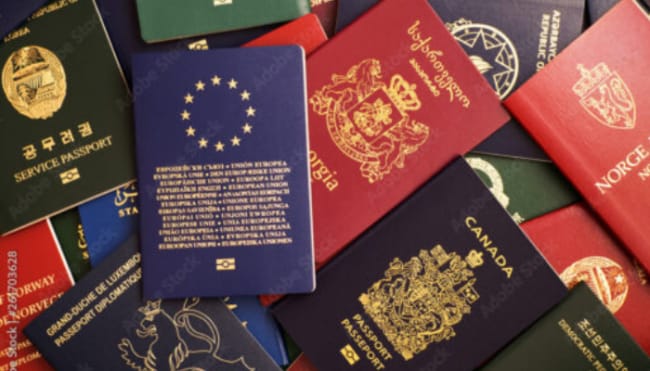
The strength of a country’s passport has continued to shape how easily its citizens can move across borders for business, tourism, education, and investment opportunities.
Across Africa, passport mobility has gradually improved in recent years, although many countries on the continent still face varying visa limitations when compared with nations in Europe, Asia, and North America.
Recent global mobility rankings released by Henley & Partners highlighted the African countries with the strongest passports based on the number of destinations accessible through visa-free entry or visa-on-arrival arrangements.
The report showed that several African nations either retained their previous positions or recorded modest progress due to evolving diplomatic partnerships and international travel agreements.
SEYCHELLES RETAINS CONTINENTAL LEAD


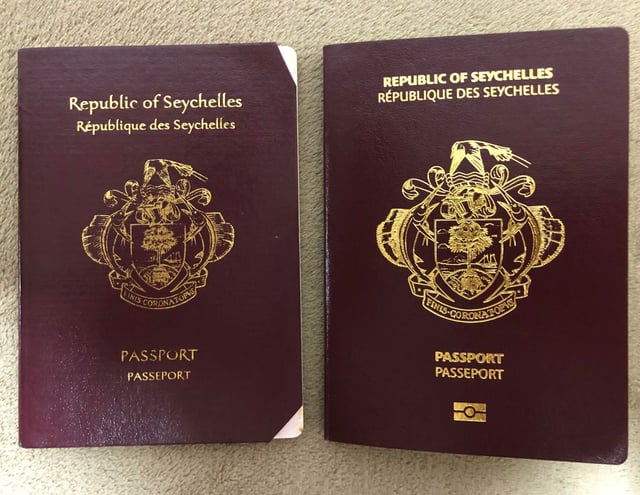
Seychelles emerged as the highest-ranked African country on the index, occupying the 22nd position globally with access to 154 destinations without requiring a traditional visa process beforehand.
The island nation has consistently ranked ahead of other African countries in mobility assessments, largely due to its diplomatic relations and tourism-driven international engagements.
Its passport continues to provide one of the broadest levels of travel access available to African citizens.
MAURITIUS MAINTAINS STRONG POSITION

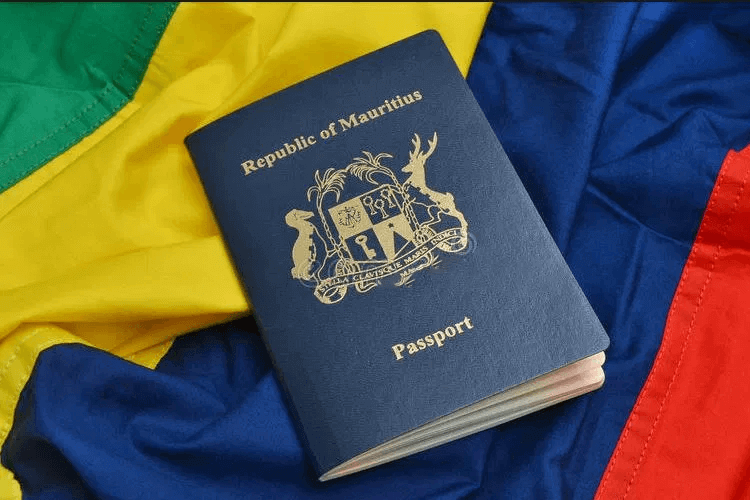
Mauritius followed closely behind Seychelles, ranking 25th in the world with access to 147 destinations through visa-free or visa-on-arrival entry arrangements.
The country has maintained a strong reputation for economic stability and international cooperation, factors often associated with improved travel mobility.
Mauritius also remains one of the few African countries regularly positioned within the upper tier of global passport rankings.
SOUTH AFRICA LEADS MAINLAND AFRICA

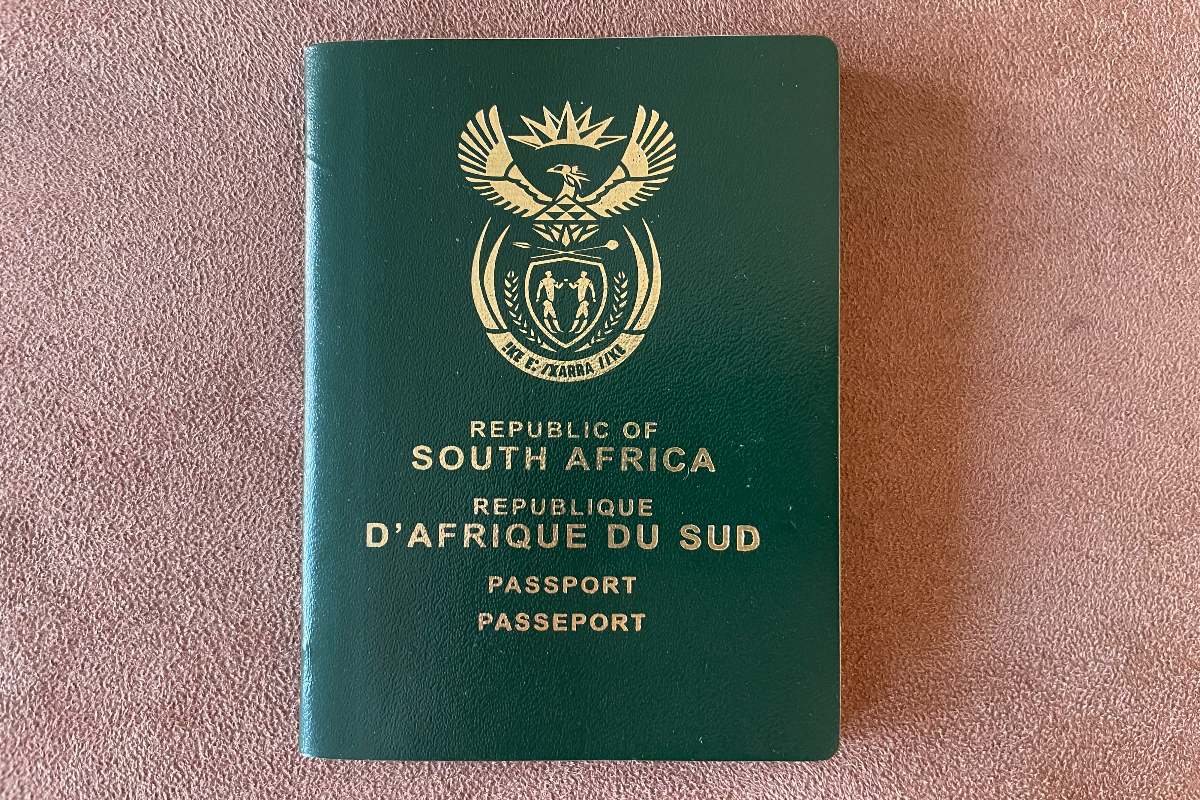
South Africa ranked third in Africa and 46th globally, with its passport offering access to 100 destinations.
Although South Africa retained its place as the strongest passport holder on mainland Africa, the ranking reflected a considerable gap between the continent’s leading island nations and the rest of Africa.
The country’s diplomatic influence and economic links across multiple regions continue to support its travel access advantages.
BOTSWANA AND NAMIBIA RECORD SOLID RANKINGS

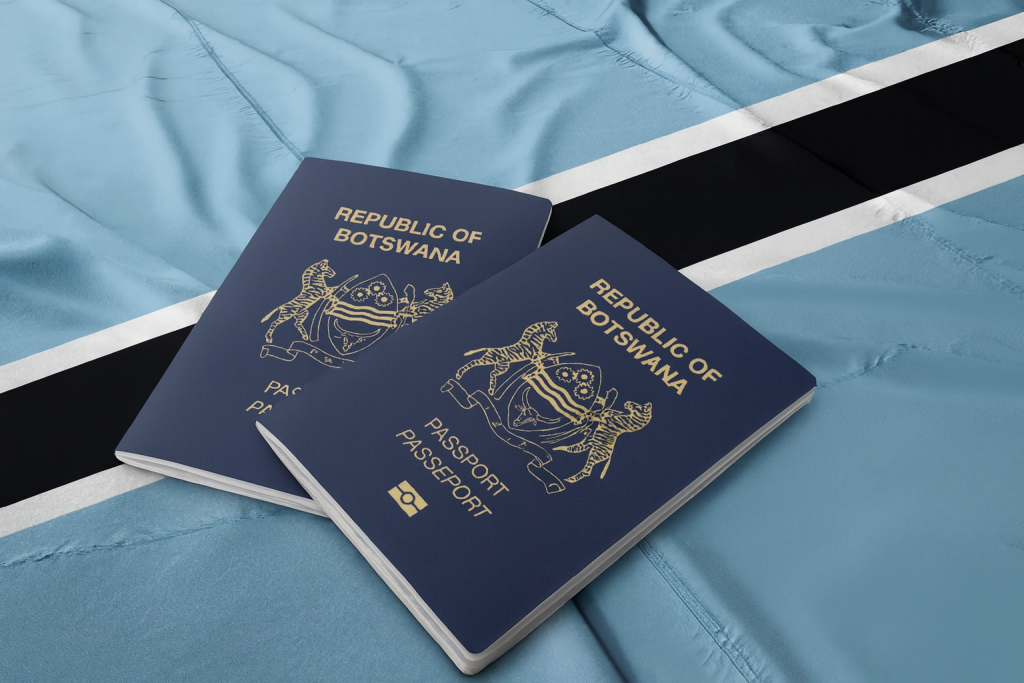
Botswana secured the fourth position in Africa and ranked 55th globally with access to 82 destinations.
The country has often been recognised for political stability and regional cooperation, factors that contribute to its relatively favourable travel standing.
Namibia occupied the fifth position on the continent and ranked 60th globally with access to 75 destinations.


Namibia’s mobility performance reflects continued engagement with international and regional partners.
LESOTHO, MOROCCO, AND ESWATINI FEATURE IN TOP GROUP
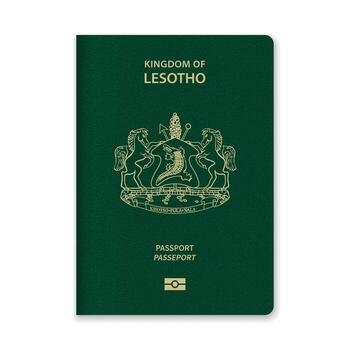
Lesotho ranked sixth in Africa and 61st globally, with holders of its passport gaining access to 73 destinations.

Morocco and Eswatini shared the seventh position in Africa and ranked 62nd globally, with both countries offering access to 71 destinations.

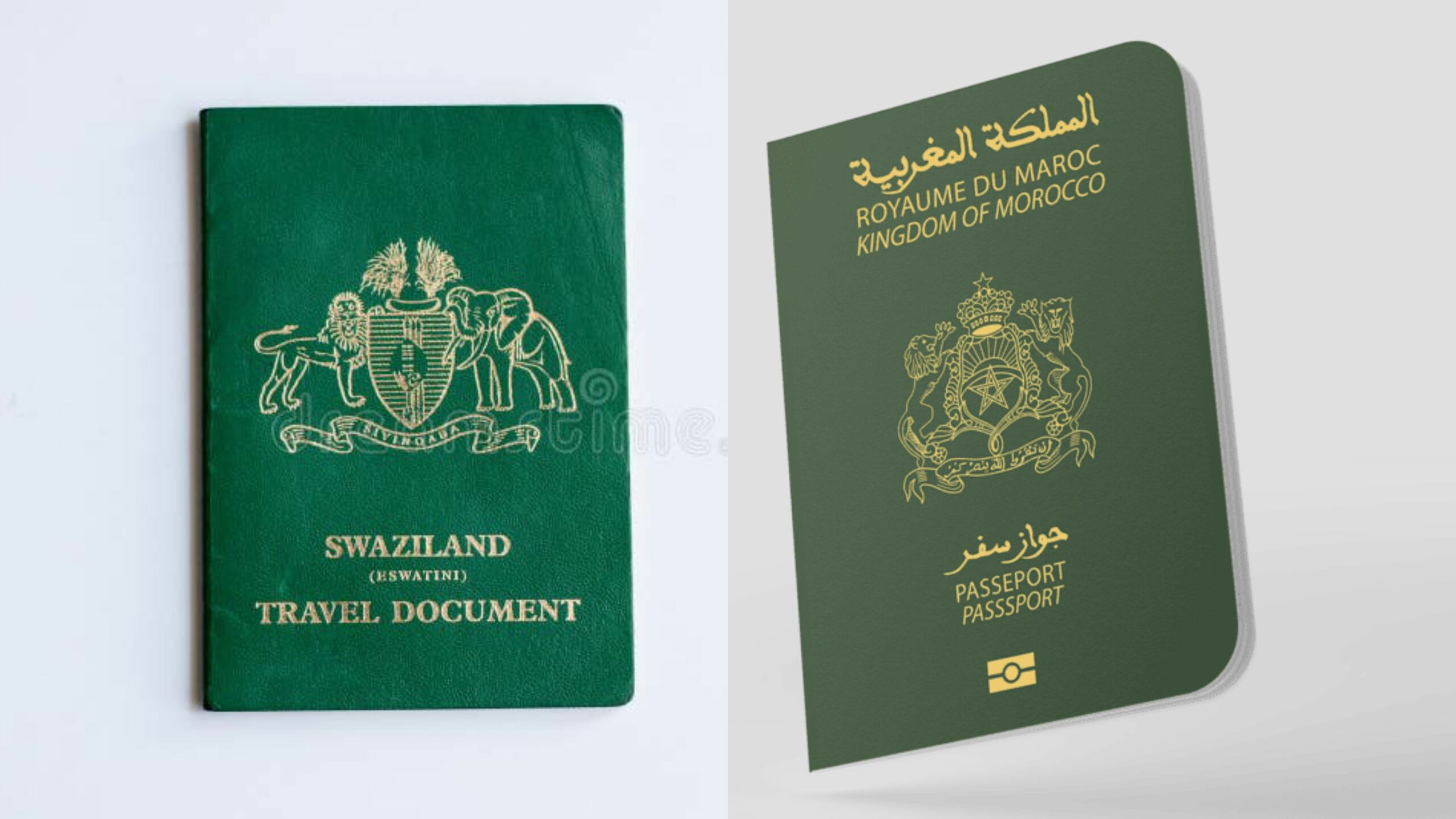
Morocco’s growing diplomatic and trade relationships in recent years have contributed to improvements in its international mobility profile.
Eswatini also maintained its standing through regional agreements and established travel partnerships.
MALAWI AND KENYA COMPLETE THE LIST
Malawi occupied the ninth position among African countries and ranked 63rd globally with access to 70 destinations.
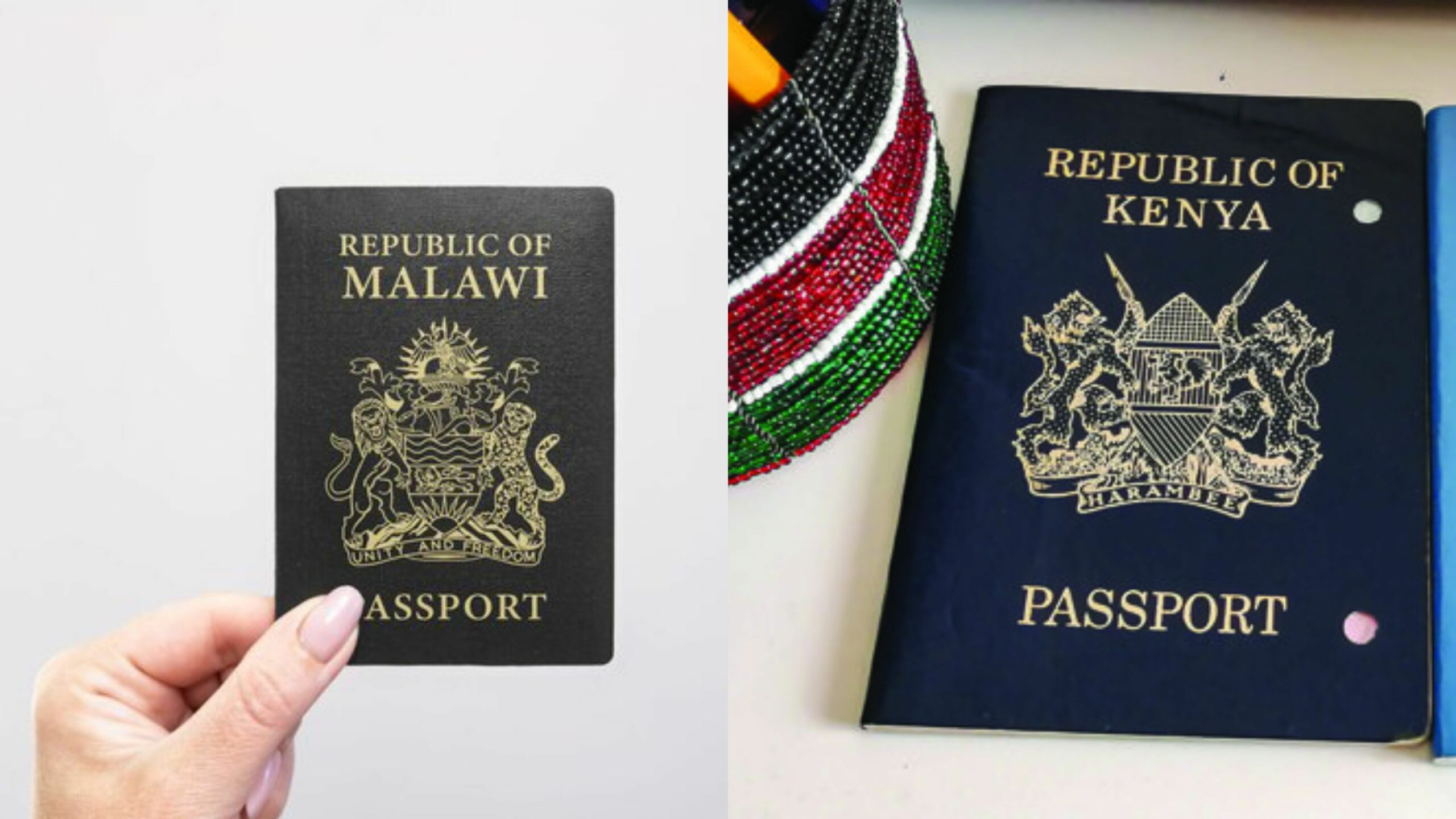
Kenya completed the top 10 list, ranking 64th globally with access to 69 destinations.
Kenya’s inclusion reflects its growing role in regional diplomacy, trade, and international connectivity within East Africa and beyond.
SHIFTING PATTERNS IN GLOBAL MOBILITY
The latest rankings indicated that while several African nations maintained stable positions, there were subtle changes in the broader pattern of global mobility.
Some countries improved their positions in the international ranking system despite recording only marginal increases in visa-free destinations.
Analysts attribute such movements to adjustments in diplomatic relationships, bilateral travel agreements, and changing international entry policies.
The report also highlighted the continuing disparity in travel freedom between countries across different regions of the world.
Although African passport mobility has shown gradual progress, many citizens on the continent still face extensive visa requirements when travelling internationally.
Observers note that stronger diplomatic engagement, regional integration, and international cooperation may continue to influence future mobility outcomes for African countries.