Dangote himself has consistently criticised the importation of petrol into the country, noting that aside from the inferior quality of the imported fuel, such a practice is detrimental to the nation’s economy and does not reflect a nation serious about achieving energy security and industrialisation.
On Friday, the federal government announced that it has issued a licence to six marketers for the importation of Premium Motor Spirit (petrol).
into the country. The marketers, NIPCO, AA Rano, Matrix, Shafa, Pinnacle, and Bono, will import 720,000 metric tonnes of petrol.
The issuance of the licences by the Nigerian Midstream and Downstream Petroleum Regulatory Authority (NMDPRA) marked a shift from the policy that favoured sales and consumption of locally refined petroleum products which NMDPRA claimed the country has achieved with the full commencement of operation of Dangote’s 650,000 barrel per day refinery.
NMDPRA had earlier stated that there was no need for petrol importation because the country now has sufficient local refining capacity following the commencement of operations at the Dangote refinery. The agency had stated that it did not issue a single import licence in the first quarter of 2026 because the Dangote refinery had the capacity to meet Nigeria’s petrol demand.
In March, the immediate past Chief Executive of the NMDPRA, Saidu Mohammed, disclosed that the agency was no longer importing petrol. Mohammed warned against attempts to return Nigeria to an era of heavy petrol importation, saying the country must sustain the gains made in domestic refining. He disclosed while addressing newsmen at the agency’s headquarters in Abuja during a courtesy visit aimed at strengthening strategic partnerships between the media organisation and key institutions in the energy sector.
However, President of the Dangote Group, Aliko Dangote, disagreed with the former NMDPRA chief executive, insisting that licences were still being issued to fuel importers. According to Punch, sources at Dangote group the refinery could resort to exporting all its products if the Federal Government continued issuing import licences for petroleum products.
Since the Dangote refinery became operational, there have been debates on whether Nigeria should continue importing petrol or turn to Dangote refinery for the nation’s daily petrol consumption. On the one hand we have those who support continued continued importation of petrol arguing that depending on one company for the nation’s energy security could lead to monopoly and price gouging which would in turn defeat the very essence of having and supporting a local refinery, On the other hand, we have those who asserted that continued petrol importation is highly detrimental to the nation’s fiscal and macroeconomic stability, noting such a decision will further weaken the naira and also continue to make Nigeria the dumping ground for substandard fuel.
Both positions are not devoid of reason or logic and in the last year or so we have seen them manifest in different ways and forms in our national life. Dangote himself has constantly raiconsistently criticisedon of petrol into the country, noting that aside from the inferior quality of the imported fuel, such a practice is detrimental to the nation’s economy and is not a refledoesion oreflect is seriouachieving energy security and industrialisation. Some have opined that his assertion is nothing more than the strategy and gimmick of a ruthless businessman who wants to monopolise a vital and key area of the nation’s energy.
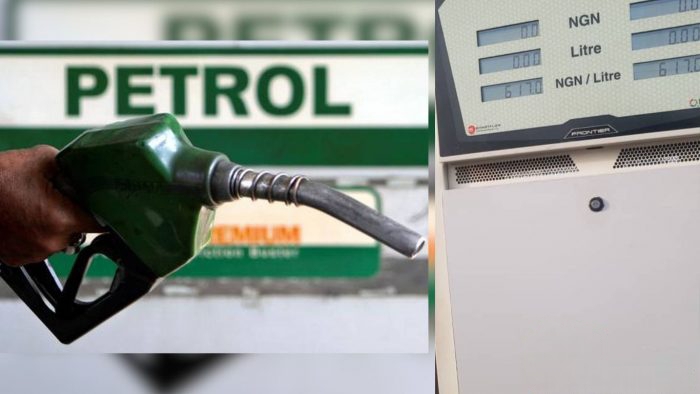
Since the outbreak of the Israel and United States war on Iran the price of fuel has gone up by more than 80 per cent as prices jumped from between 750 and 850 to N1400 further worsening the galloping inflation and cost of living crisis. The closure of the Strait of Hormuz has been cited as the reason for the hike in petrol prices. There have been calls for the government to reintroduce the petrol subsidy but the government has maintained that the subsidy will not be reintroduced.
The announcement of the issuance of petrol import licences to marketers is already causing ripples in the downstream sector. Following the announcement, sensing that the marketers who had obtained licences to import petrol would sell at a lower price to undercut him, Dangote dropped its ex-depot petrol price to ₦1,200 per litre after an increase to 1,350 earlier in the week.
Nigerians are the winners in this corporate shenanigans and government sleight of hand as the importation of petrol by marketers will deepen competition among players in the downstream sector and engender a price war which will ultimately drive a reduction in pump prices of petrol as Dangote and marketers move to dominate the market. Elimination of petrol import is the goal but doing so at the expense of suffering Nigerians is at best unfair and inconsiderate and at worst sinister. Many Nigerians will ditch patriotism and loyalty to local refining companies if petrol import will bring about a significant reduction in the pump price of petrol.