The story that began circulating from Nigeria’s southwest forests in May 2026 did not arrive like ordinary crime news, it surfaced with a weight that immediately forced attention from security circles, local communities, and international observers following drug trafficking trends across West Africa. What the National Drug Law Enforcement Agency eventually revealed pointed to a level of coordination, secrecy, and industrial scale production that raised deeper questions about how far transnational drug networks have expanded into rural Nigeria without detection for extended periods. The details, as later shared by NDLEA leadership led by Brigadier General Mohamed Buba Marwa Mohamed Buba Marwa, painted a picture that stretched beyond a single raid and instead suggested a structured operation blending foreign expertise, local protection systems, and carefully selected urban safe points.
What made the case even more compelling was not just the size of the discovery but the way it was hidden in plain sight inside a forest zone that residents had long considered inactive and low risk. The unfolding account reveals how a rural landscape became the center of what authorities describe as one of the largest synthetic drug production networks ever uncovered in the country, setting the stage for a broader investigation into international cartel movement and domestic collaboration patterns that may have operated undisturbed for months or longer.
Forest Discovery: Inside Ogun Territory
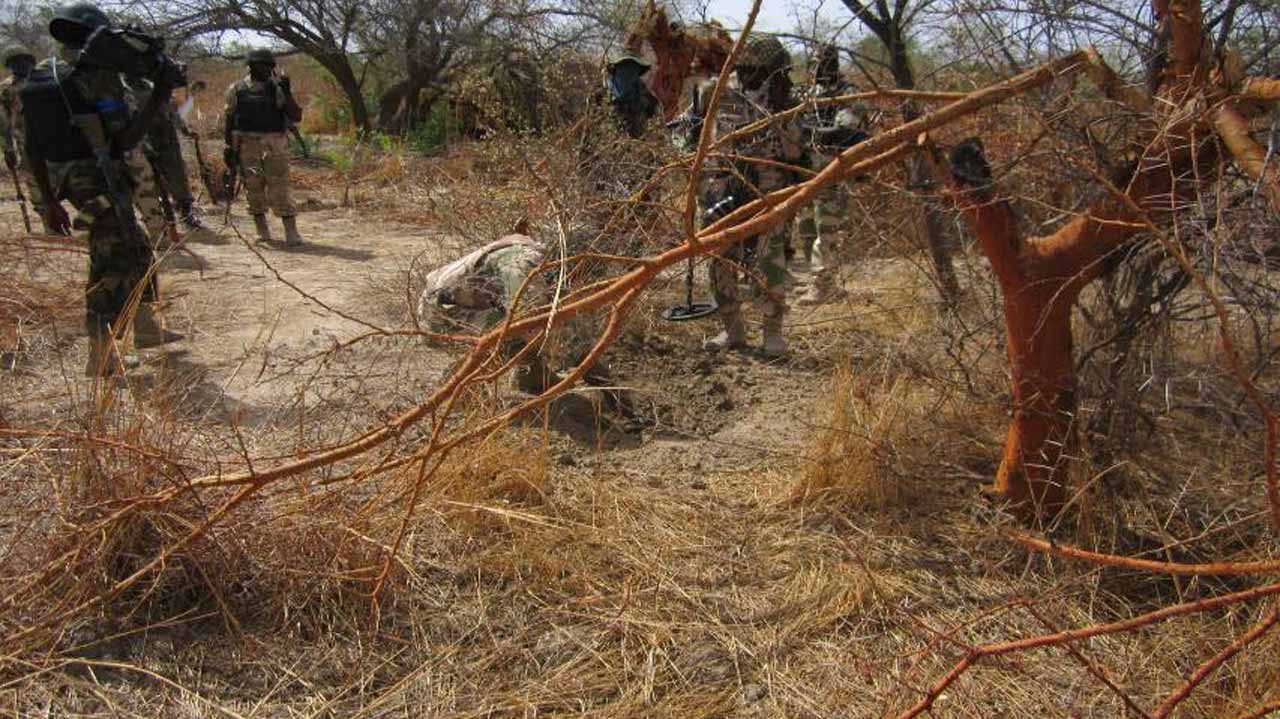
The operational breakthrough reportedly occurred across Abidagba Forest in Ijebu East Local Government Area of Ogun State, a region characterized by thick vegetation, scattered settlements, and limited industrial activity, which made it an ideal cover for concealment according to investigators. Security operatives described the entry into the forest site as cautious and intelligence driven, following surveillance patterns that suggested unusual movement of vehicles and materials not consistent with farming activity. What initially appeared as agricultural infrastructure gradually unfolded into a layered industrial setup, with hidden compartments and chemical storage units positioned beneath what looked like ordinary farm structures.
The environment showed deliberate attempts at disguise, including cultivated crops surrounding areas that contained equipment associated with chemical processing. Residents nearby reportedly had little indication that such an operation existed so close to their daily movement routes, which reinforced NDLEA suspicion that the site had been carefully selected for isolation and visual blending. The discovery sequence did not happen randomly but followed weeks of intelligence gathering that pointed toward synthetic drug production activity occurring deep within forest boundaries where external monitoring would be difficult.
Hidden Laboratory Construction
Further examination of the site revealed that the forest facility was not a temporary setup but a structured laboratory designed for continuous production cycles. Investigators identified multiple sections dedicated to different stages of methamphetamine processing, including mixing zones, crystallization areas, drying units, and storage compartments. Equipment found at the site indicated industrial intent rather than small scale experimentation, with machinery capable of handling large chemical volumes at once. The layout suggested that the operators had invested significant planning into airflow control and chemical handling safety within the constraints of a concealed forest environment.
Workers likely rotated through specific roles, ensuring that no single individual controlled the entire production chain, a method commonly associated with organized criminal enterprises. NDLEA reports indicated that the lab functioned with a level of precision that implied technical knowledge imported from established meth production regions, reinforcing suspicions of foreign technical involvement embedded within the operational structure.
Chemical Scale Evidence Recovery
The materials recovered from the site further highlighted the industrial scale of the operation, with NDLEA confirming the seizure of crystallised methamphetamine, liquid chemical mixtures, precursor substances, and industrial solvents commonly used in synthetic drug production. The total weight of seized substances was reported at 2,419.48 kilograms, a figure that immediately placed the operation among the most significant drug laboratory discoveries in the region. The chemicals were not limited to finished products but included intermediate compounds used during synthesis, suggesting ongoing production cycles rather than a completed batch. Vehicles and logistics equipment were also found on site, indicating a distribution plan already integrated into the production system.


Toxic substances discovered at the location raised environmental concerns, as improper handling of such chemicals in forested areas could lead to long term soil and water contamination affecting surrounding communities. The scale of materials suggested that the operation was capable of generating continuous output for international markets rather than serving local distribution alone.
International Cartel Connection
Authorities later disclosed that the operation carried strong indicators of transnational coordination involving a Nigerian Mexican collaboration network. According to NDLEA briefings conducted in May 2026, intelligence gathered during the raid pointed toward the presence of foreign expertise embedded within the production system, particularly specialists believed to have been brought in to supervise chemical synthesis processes. The involvement of Mexican nationals introduced a global dimension to the case, linking it to regions historically associated with large scale methamphetamine production networks.
The structure of the operation suggested a clear division of roles between local coordinators responsible for logistics and foreign experts handling technical production processes. This hybrid model reflects an evolving trend in organized drug trafficking where production is decentralized across continents to reduce detection risk. The presence of foreign operatives inside Nigerian territory also raised concerns about the country being used as an emerging manufacturing base rather than just a transit corridor for narcotics.
Mexican Operatives Arrest
During coordinated operations that extended beyond the Ogun forest site, NDLEA officers arrested three Mexican nationals identified as Martinez Felix Nemecto, Jesus Lopez Valles, and Torrero Juan Carlos. These individuals were reportedly found to be directly involved in supervising production activities within the laboratory environment. Their arrest followed surveillance operations that tracked movement between Lagos residential areas and the forest production site. Investigators believe they were brought into Nigeria specifically for technical expertise, focusing on optimizing chemical yield and maintaining production stability under concealed conditions.


Their presence in Nigeria was not incidental, as travel and accommodation patterns suggested structured integration into a broader network of operatives. The arrests marked a turning point in the investigation, confirming suspicions that the operation extended beyond domestic criminal organization and involved deliberate international recruitment of chemical specialists.
Nigerian Network Structure Mapping
Alongside the foreign arrests, NDLEA also detained several Nigerian suspects believed to form the logistical and coordination backbone of the operation. Among those identified was Anochili Innocent, described by authorities as the alleged mastermind coordinating both forest production and urban support systems. Additional suspects included Nwankwo Sunday Christian, Igwe Abuchi Remijus, Ifeanyichukwu Chibuike Joshua, Egwuonwu Uchenna Victor, Kingsley Orike Omonughwa, and Emeka Nwobum who was linked through follow up operations.
These individuals were reportedly responsible for managing transportation routes, securing accommodation for foreign operatives, and maintaining communication channels between production and distribution nodes. Evidence gathered from mobile devices and documents suggested that coordination extended across multiple states, with Lagos serving as a critical operational hub. The network structure reflected a layered hierarchy designed to isolate key decision makers from frontline operatives, reducing exposure risk in the event of law enforcement intervention.
Lagos Operational Grid Exposure
Simultaneous raids conducted in Lagos areas including Lekki, Lakowe, and Mayfair Estate revealed that the cartel maintained urban safe houses used for logistics and coordination. These locations were allegedly used to store sensitive materials, host foreign operatives, and facilitate communication between different segments of the network. The choice of high value residential estates indicated a strategy of blending into affluent environments to avoid suspicion. Investigators recovered passports belonging to arrested foreign nationals, communication devices, and operational documents linking Lagos properties to the Ogun forest laboratory.
The integration of urban and rural operational zones demonstrated a dual structure where production occurred in isolated environments while coordination and planning took place in metropolitan settings. This separation allowed the network to maintain continuity even if one segment was compromised during enforcement action.
Financial Valuation Breakdown Analysis
NDLEA estimated the total value of seized methamphetamine and related chemicals at approximately 362.9 million dollars, equivalent to over 480 billion naira at prevailing exchange calculations reported during the operation. This valuation placed the discovery among the highest value drug seizures recorded in Nigeria’s enforcement history. The calculation was based on projected international street value of processed methamphetamine derived from the quantity recovered at the site.
Authorities noted that the volume seized could potentially translate into millions of individual doses if fully processed and distributed through global markets. The financial scale highlighted the economic motivation behind the operation, indicating that the cartel was operating within a high profit international narcotics supply chain rather than local consumption markets. Such valuation also underscored the level of investment required to establish and maintain the laboratory infrastructure observed in Ogun State.
Arrest Timeline Development
The arrest sequence unfolded over multiple coordinated operations carried out around mid May 2026 following weeks of intelligence tracking and surveillance activities. Initial movement detection within forest corridors led to covert observation phases before tactical intervention was approved by NDLEA command structures. The Ogun forest raid was followed within hours by Lagos coordinated arrests targeting suspected coordinators and foreign operatives. This rapid sequence was designed to prevent escape or destruction of evidence across linked locations.
The timeline demonstrated a synchronized enforcement strategy that combined rural penetration with urban containment operations. Each phase of the arrest operation contributed to a broader dismantling of what authorities described as an interconnected production and distribution system operating across state boundaries.
Security Implications – National Concern
The implications of the discovery extended beyond drug enforcement into broader national security discussions due to the scale, sophistication, and international involvement identified. Authorities emphasized that synthetic drug production at this level could contribute to rising addiction rates, increase violent crime risks, and strengthen organized criminal networks across West Africa. The presence of foreign technical experts within Nigerian territory also raised concerns about cross border criminal collaboration becoming more entrenched. Security analysts noted that such operations, if left undetected, could evolve into permanent industrial zones capable of sustained production. Environmental risks from chemical waste further added to the urgency of addressing similar hidden facilities across forest regions.
National Response Enforcement Position
Following the announcement, NDLEA leadership reaffirmed commitment to expanding intelligence operations targeting clandestine laboratories nationwide. Mohamed Buba Marwa emphasized that the agency would continue disrupting drug production networks regardless of their scale or international connections. The agency described the discovery as a clear indication of evolving criminal tactics that require enhanced surveillance, inter agency cooperation, and community reporting systems.
Government response focused on strengthening border monitoring, improving chemical tracking systems, and increasing forest surveillance capabilities. The case was presented as both a successful enforcement action and a warning signal about the adaptability of modern drug cartels operating within and across Nigerian territory.
West Africa Context Expansion
The broader regional context suggests that Nigeria is increasingly becoming part of a shifting landscape in synthetic drug production across West Africa. Criminal networks are reportedly moving away from traditional trafficking routes toward localized production hubs closer to target markets. This reduces transportation risk while increasing profit margins for organized groups.
The Ogun forest laboratory discovery fits into this emerging pattern where rural areas with low monitoring capacity are used as production enclaves. Analysts suggest that similar operations may exist undetected in other forested regions across neighboring states, raising concerns about regional enforcement coordination and intelligence sharing effectiveness.
Ongoing Investigation Outlook
Current investigations remain active as authorities continue tracing financial flows, communication networks, and additional operational sites linked to the arrested suspects. NDLEA has indicated that digital evidence recovered from seized devices may reveal further connections to international partners and additional production facilities.
The complexity of the case suggests that full dismantling of the network may require extended surveillance and cross border collaboration with international drug enforcement agencies. The evolving nature of the investigation indicates that what has been uncovered so far may represent only part of a larger operational structure still under active scrutiny.