Every year, Ojude Oba transforms Ijebu Ode into a place where culture, identity, history, fashion, family pride, royalty, and tradition come together in a way few events can match. Yet something felt different about the 2026 edition. The excitement was there. The crowds were larger than ever. The colorful outfits captured attention from every corner. The horse riding displays remained breathtaking. Social media buzzed with endless photos and videos. Still, beneath all the glamour and celebration was a deeper feeling that could be sensed across the town from the earliest hours of the day.
Visitors who arrived in Ijebu Ode expecting another spectacular cultural gathering quickly realized they were witnessing something that carried a greater meaning. Every gathering point, every procession, every cultural display seemed connected to a larger story that stretched far beyond fashion or entertainment. The atmosphere reflected pride, remembrance, gratitude, and continuity. People traveled from different states across Nigeria while others flew in from overseas, all determined to be part of a festival that had become one of Africa’s most celebrated cultural events.
Long before the first horse appeared on the parade ground and before cameras began flashing across the festival venue, conversations had already begun about what this year’s celebration would represent. There was anticipation, curiosity, excitement, and emotion woven into every discussion. Many wanted to see how the festival would unfold following a major chapter in Ijebuland’s history. Others came to witness the famous displays that have made Ojude Oba a global attraction. What unfolded throughout the day became a remarkable blend of tradition, remembrance, prestige, and cultural pride that left lasting memories for everyone present.
A Festival Carrying A Special Meaning
The 2026 Ojude Oba Festival arrived during a significant period for the people of Ijebuland. Unlike many previous editions, this year’s celebration carried an emotional weight because it was the first major festival held following the passing of Oba Sikiru Kayode Adetona, the revered Awujale of Ijebuland. His influence on the growth and international recognition of Ojude Oba remains one of the defining aspects of the festival’s modern history.
Many attendees arrived with memories of the monarch’s decades long reign fresh in their minds. His leadership helped transform Ojude Oba from a respected local gathering into one of Nigeria’s most important cultural celebrations. Generations of Ijebu sons and daughters witnessed the festival evolve under his watch, attracting visitors from around the world while preserving the traditions that make it unique.
Throughout the day, conversations repeatedly returned to his legacy. Elderly residents shared stories of earlier editions while younger participants reflected on how the festival had become a symbol of cultural excellence. Every major activity appeared connected to the desire to honor the foundations that had been laid over many decades. Rather than overshadowing the celebration, the atmosphere of remembrance added a deeper layer of significance to the entire event.
Arrival Of Thousands Into Ijebu Ode
Days before the festival officially commenced late May 2026, signs of an extraordinary turnout had already become visible across Ijebu Ode. Hotels experienced high demand, transportation services operated at full capacity, and major roads leading into the town recorded significant traffic as visitors streamed into the area.
People arrived from Lagos, Ogun State, Abuja, Port Harcourt, Kano, Ibadan, and several other cities. Diaspora visitors who had followed the festival’s growth through social media also returned home to witness the event firsthand. Families reunited after months or years apart while cultural enthusiasts prepared cameras and equipment to document every memorable moment.
Markets became busier as traders welcomed increased patronage. Restaurants served visitors from morning until late evening. Local businesses experienced an economic boost that reflected the festival’s growing impact on tourism. Everywhere one looked, there was a sense that something major was about to happen.
By the morning of the festival, streets were filled with people dressed in carefully selected traditional attire. Anticipation continued building as groups assembled, horses were prepared, musicians rehearsed, and spectators searched for the best locations to witness the day’s activities.
Regberegbe Groups Take Center Stage
One of the most anticipated aspects of Ojude Oba remains the appearance of the Regberegbe age grade groups. These groups represent one of the strongest symbols of unity, identity, and organization within Ijebu society. Their participation has become an essential feature of the annual celebration.

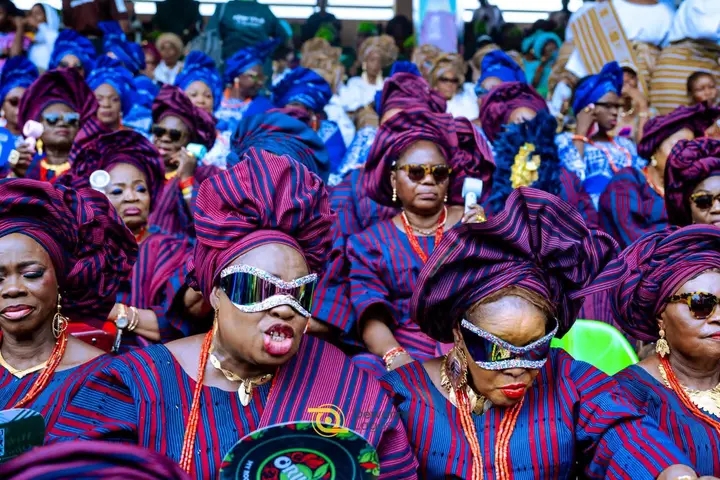
Months of preparation often go into planning their appearances. Members coordinate fabrics, accessories, footwear, jewelry, and presentation styles long before the festival date arrives. Every detail matters because each group seeks to make a powerful impression while reflecting dignity and cultural pride.
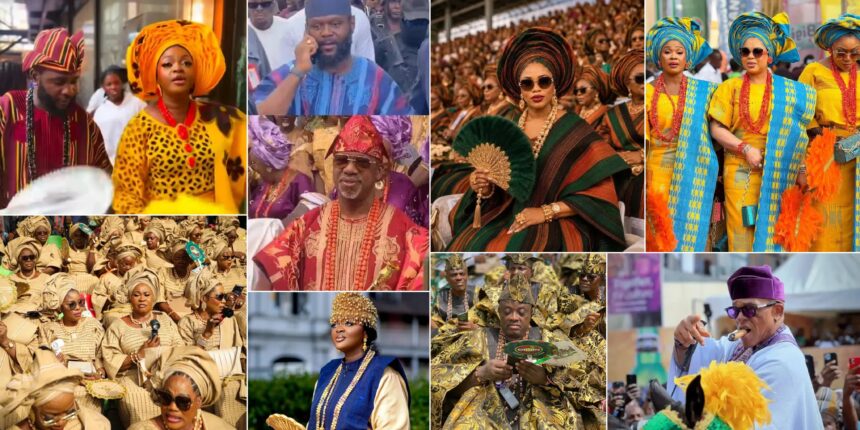
The 2026 edition elevated this tradition to another level. Spectators watched as group after group arrived in magnificent coordinated outfits that blended traditional craftsmanship with modern elegance. Rich Aso Oke fabrics, expertly tailored Agbada designs, stunning Gele styles, coral beads, luxurious accessories, and carefully planned entrances created a visual spectacle that immediately captured attention.

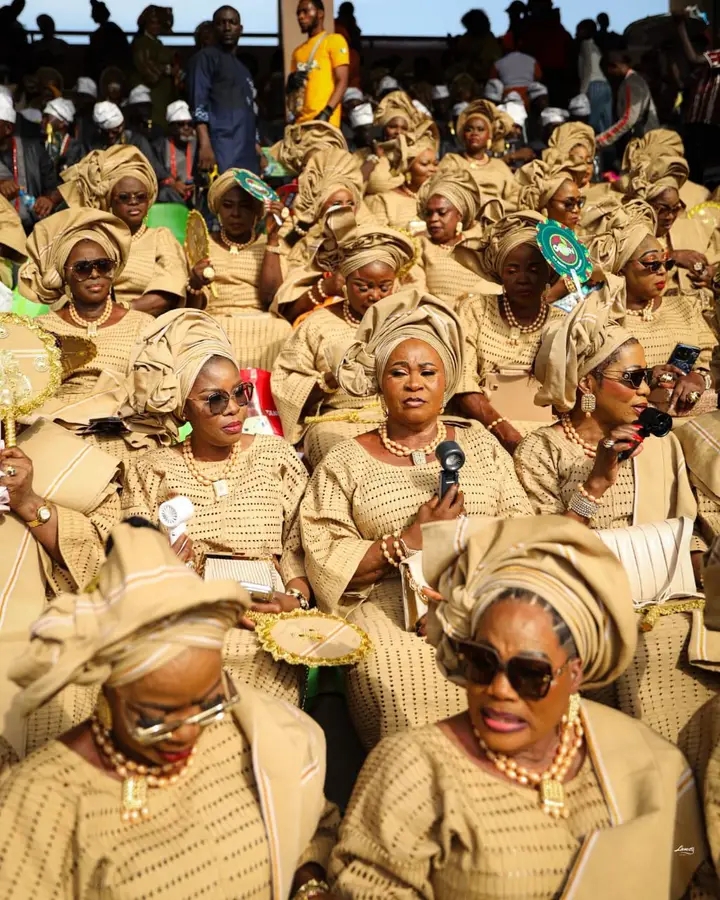
Crowds cheered as each group made its entrance. Photographers rushed to document every appearance. Visitors who had never experienced Ojude Oba before found themselves mesmerized by the creativity and discipline displayed by participants. Social media platforms quickly became flooded with images showcasing the extraordinary fashion statements presented throughout the day.
Fashion Becomes A Cultural Language
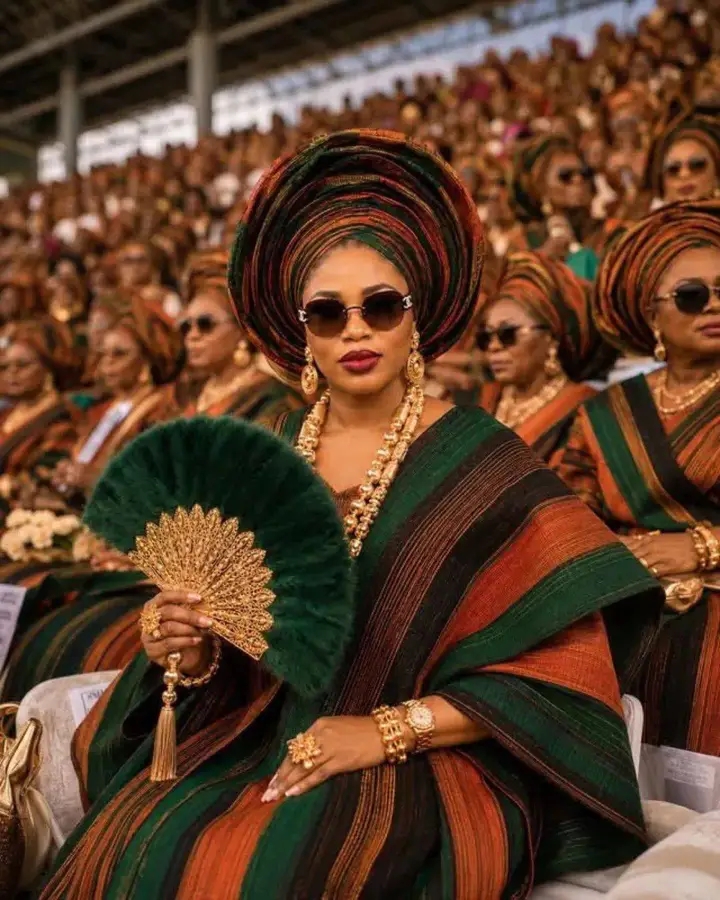
Fashion has always played a major role during Ojude Oba, but the 2026 edition reinforced its position as one of the festival’s most powerful attractions. Traditional attire was not merely worn for appearance. Every fabric choice, accessory, color combination, and design reflected identity, status, heritage, and artistic expression.
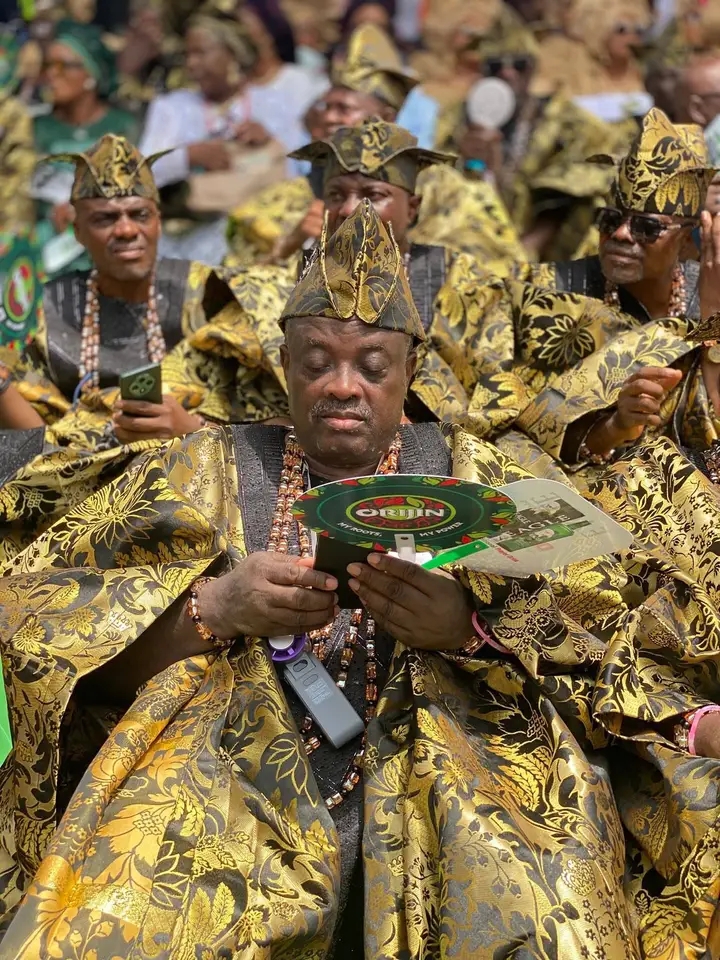
Designers spent months preparing outfits for clients who viewed the festival as an opportunity to celebrate Yoruba culture through clothing. Men appeared in flowing Agbada ensembles featuring intricate embroidery and luxurious fabrics. Women showcased breathtaking traditional looks enhanced by beautifully crafted Gele styles and statement jewelry.
Visitors moved from one location to another admiring the creativity on display. Cameras followed groups of attendees whose appearances quickly became talking points both within the festival grounds and online. Fashion enthusiasts discussed craftsmanship, styling techniques, and emerging trends while photographers captured images that would continue circulating long after the event ended.
What stood out most was the balance between tradition and innovation. Participants remained rooted in cultural heritage while embracing contemporary interpretations that appealed to younger generations. The result was a celebration of fashion that felt authentic, sophisticated, and deeply connected to Yoruba identity.

Horse Riding Processions Capture Attention
No Ojude Oba celebration feels complete without the famous horse riding displays performed by descendants of historic warrior families. These processions remain among the festival’s most recognizable traditions and continue attracting enormous attention from visitors.
Hours before their appearance, anticipation could already be felt among spectators eager to witness one of the festival’s most iconic experiences. Families associated with ancient military heritage prepared their horses with elaborate decorations while riders dressed in attire reflecting prestige and ancestral pride.
When the processions finally began, the atmosphere shifted dramatically. Decorated horses moved through the festival grounds as riders demonstrated confidence, discipline, and cultural pride. Spectators lined the viewing areas, cheering and recording videos as each family made its entrance.

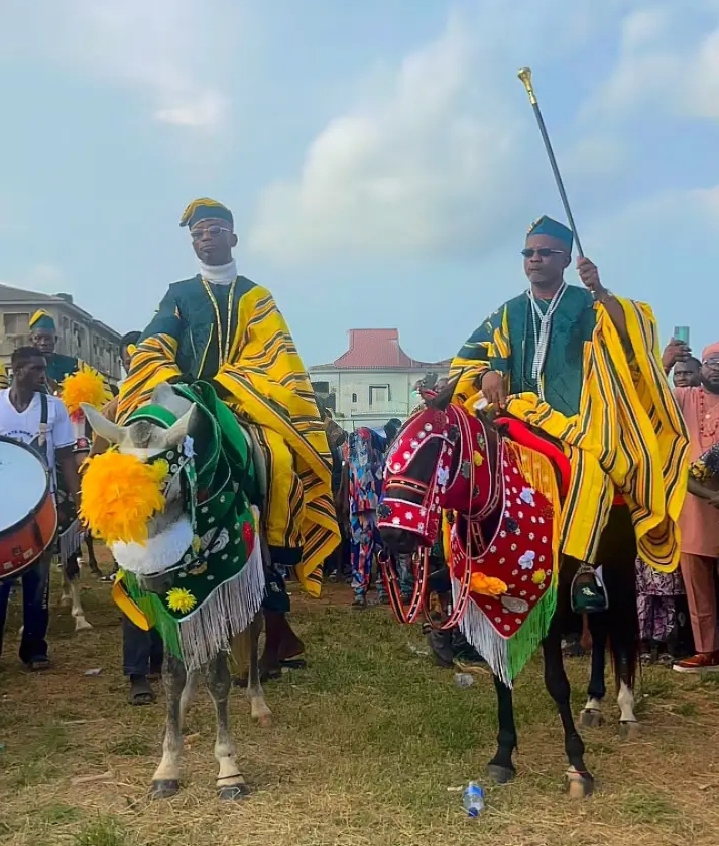
Every procession represented more than entertainment. They served as living reminders of historical achievements, family legacies, and the enduring connection between present generations and their ancestors. Visitors frequently described these displays as among the most unforgettable moments of the entire festival.
Farooq Oreagba Returns To The Spotlight
Few personalities generated as much anticipation ahead of Ojude Oba 2026 as Farooq Oreagba. Following the widespread attention he received during previous editions, many attendees arrived expecting another memorable appearance from the businessman whose distinctive style had already become synonymous with the festival.
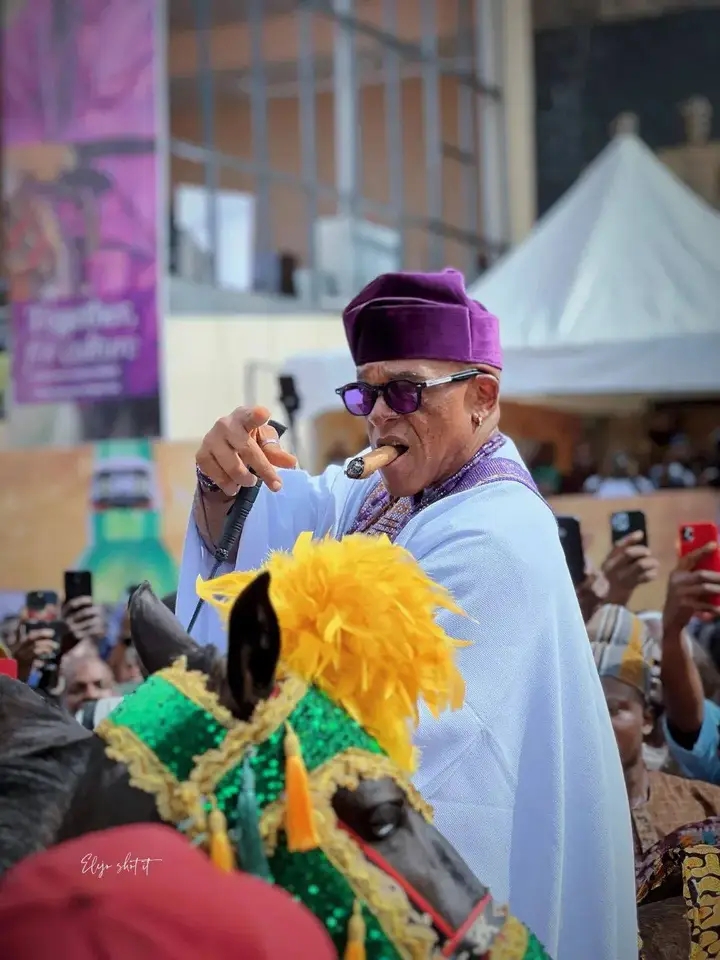
Expectations proved accurate. The moment he appeared on horseback, cameras immediately focused on his arrival. Crowds gathered to watch while photographers and content creators documented every detail. His confidence, fashion choices, and commanding presence once again turned him into one of the day’s most discussed figures.
Social media platforms reacted almost instantly. Videos and photographs of his appearance circulated widely across Instagram, Facebook, TikTok, and X. Within hours, discussions surrounding his entrance became a major part of the festival’s online conversation.
What made his appearance particularly notable was the way it reflected Ojude Oba’s growing ability to create cultural icons who resonate far beyond the festival grounds. His presence demonstrated how tradition and contemporary influence can coexist within a modern cultural celebration.
Celebrities Add More Excitement
Beyond cultural groups and traditional participants, Ojude Oba 2026 attracted several prominent figures from entertainment, politics, business, and public life. Among notable attendees mentioned across reports were Dapo Abiodun, Seyi Tinubu, Jide Awobana, Eniola Badmus. Their presence increased national attention while introducing the festival to wider audiences.

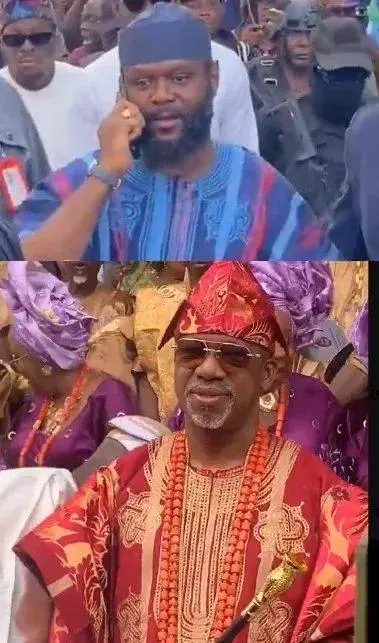
Celebrities arrived dressed in elegant traditional attire, contributing to the atmosphere of prestige that defined the event. Their appearances generated excitement among attendees who welcomed opportunities to see familiar faces participating in a celebration deeply rooted in cultural heritage.
Public officials and political leaders also attended, reflecting the significance of the festival within Nigeria’s cultural landscape. Their participation highlighted the growing recognition of Ojude Oba as an event capable of bringing together people from different backgrounds, professions, and regions.

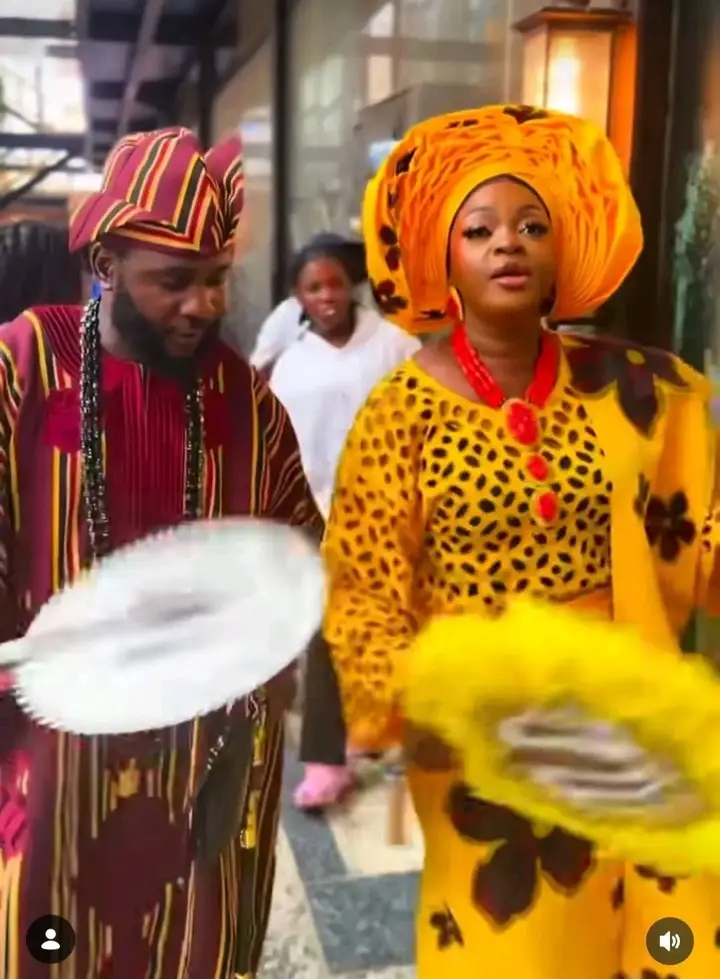
Despite the attention surrounding notable personalities, the festival itself remained the true star of the day. Visitors appreciated seeing influential figures embrace the traditions being celebrated while contributing to the event’s national visibility.
Moments Of Tribute Across The Festival Grounds
While fashion, entertainment, and cultural displays dominated many conversations, moments of tribute provided some of the most meaningful experiences of the day. Numerous participants used their appearances and presentations to acknowledge the late Awujale’s contributions to Ijebuland.
Cultural groups incorporated messages of respect into their activities. Elders spoke about the monarch’s influence on community development and cultural preservation. Attendees reflected on how his leadership helped position Ojude Oba among Nigeria’s most recognized festivals.

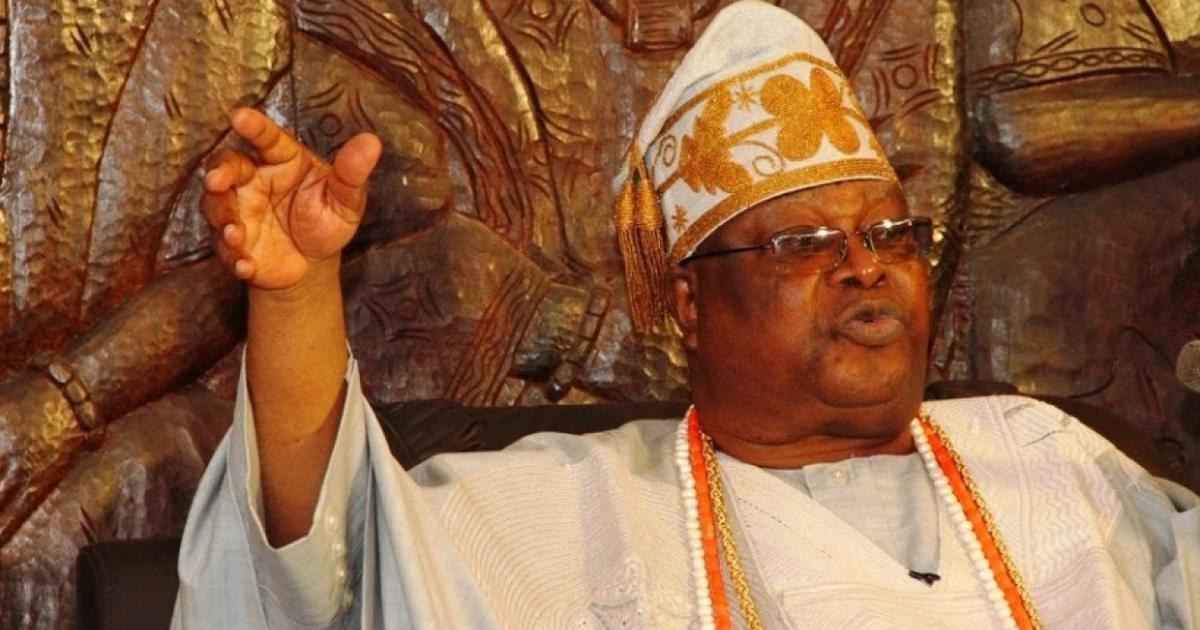
These moments created emotional connections that resonated throughout the celebration. Rather than focusing solely on loss, participants emphasized gratitude for a legacy that continues shaping the future of the festival. The atmosphere encouraged reflection while maintaining the celebratory spirit that defines Ojude Oba.
Visitors unfamiliar with the monarch’s impact gained a deeper appreciation for the role he played in strengthening cultural identity. For longtime attendees, the tributes served as reminders of how much the festival had evolved during his reign.
Social Media Turns Into A Festival Ground
Technology played a major role in expanding the reach of Ojude Oba 2026 beyond Ijebu Ode. Throughout the day, smartphones remained constantly active as attendees documented experiences and shared content with audiences across Nigeria and around the world.
Drone footage captured breathtaking aerial views of the crowds, horse riding displays, and cultural processions. Photographers uploaded professional images showcasing fashion highlights and memorable moments. Content creators produced short videos that quickly attracted thousands of views.
Online discussions focused on best dressed participants, standout Regberegbe groups, celebrity appearances, horse riding performances, and tribute moments. Many individuals who could not attend followed events in real time through social media updates.
This digital engagement demonstrated how Ojude Oba has successfully adapted to modern communication while preserving its traditional foundations. The festival’s influence now extends far beyond physical attendance, reaching global audiences interested in culture, fashion, history, and heritage.
Cultural Identity Remains The Foundation
Amid the glamour, media attention, celebrity appearances, and online excitement, the core purpose of Ojude Oba remained unchanged. At its heart, the festival continues serving as an opportunity for Ijebu sons and daughters to gather, celebrate shared heritage, and pay homage to traditional authority.
Families reunited across generations. Elders shared stories with younger relatives. Cultural values were passed from one generation to another through participation and observation. Community bonds strengthened as thousands came together in celebration of a shared identity.
Every major attraction ultimately pointed back to this foundation. Fashion reflected cultural pride. Horse riding honored historical traditions. Regberegbe groups showcased community organization. Tribute moments celebrated leadership and legacy. Together, these elements formed a powerful expression of belonging.
Visitors left with a deeper understanding of what makes Ojude Oba unique. Beyond the spectacle lies a celebration rooted in memory, family, history, respect, and cultural continuity.
Legacy Fashion Spectacle
As the sun gradually set over Ijebu Ode on the festival day, conversations centered around experiences that would remain memorable for years to come. Visitors departed with photographs, videos, stories, and emotions that captured the essence of the celebration. Businesses benefited from increased activity. Families strengthened bonds. Cultural traditions found renewed expression before local and international audiences.
Ojude Oba 2026 ultimately became a festival defined by 3 powerful themes. Legacy shaped its emotional foundation. Fashion elevated its visual appeal. Spectacle delivered unforgettable moments that captivated everyone present. Each element contributed to an experience that balanced remembrance with celebration while reinforcing the enduring importance of cultural heritage.
What visitors, celebrities, traditional leaders, cultural groups, business figures, and tourists experienced during Ojude Oba 2026 was far more than a single day of festivities. They witnessed a living tradition continuing to evolve while remaining firmly connected to its roots. Through every procession, every outfit, every tribute, and every gathering, the festival once again demonstrated why it remains one of Nigeria’s most remarkable cultural celebrations.