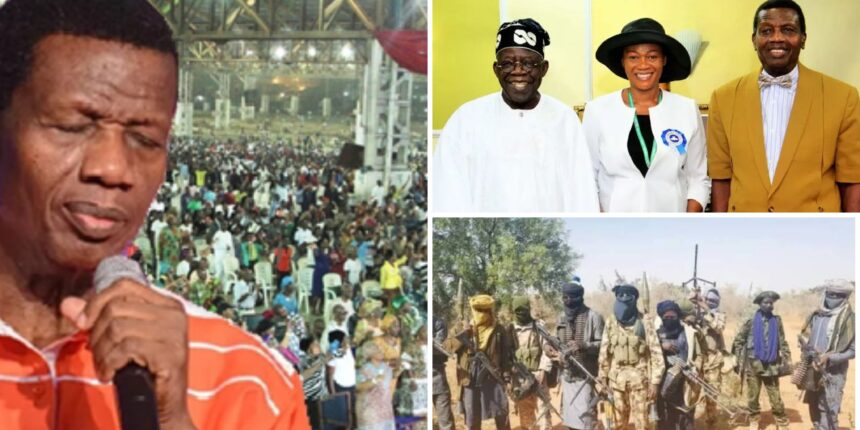
It started quietly, almost like background noise on social media, a short clip here, a caption there, nothing that looked like a major national conversation at first glance. But within hours, the tone shifted, and what seemed like isolated remarks began merging into a single storyline that pulled religion, insecurity, and public action into one tense space. The claim was simple on the surface yet heavy underneath, suggesting that a major church had moved toward a public protest and then pulled back at the final moment.
What made it spread was not clarity but uncertainty, the kind that grows when fragments travel faster than facts and every repost adds a slightly different shade to the same idea. By the time the conversation reached wider attention, it was no longer about a single video or speaker, but about whether a large religious institution had quietly stepped away from a moment of public expression on insecurity in Nigeria.
And in the middle of that storm sits a question that refuses to settle, whether there was ever truly a planned protest at all, or whether the story itself is what got carried away by the speed of the internet.
Trigger Point: Early Viral Video Emergence
The origin of the controversy can be traced to viral videos circulating around late May 2026, where individuals described what they believed was preparation for a peaceful public expression. These videos did not come from a single coordinated source, instead they appeared independently across different accounts, each presenting slightly different wording but similar emotional framing.
Some online users claimed that fasting and preparation had taken place, suggesting anticipation of a coordinated action. Others referred to instructions that were later changed or withdrawn, though the nature of those instructions remained unclear. The language used in these clips often relied on phrases like we were told and it was cancelled, without providing documented evidence or official backing.
As these clips were reposted, the original context was gradually stripped away. What began as personal recollection turned into a broader claim that a nationwide protest had been planned by members of Redeemed Christian Church of God and later stopped. The transformation from individual testimony to collective narrative happened rapidly within a short window between May 30 2026 and May 31 2026.
Central Allegation – Structure Online Framing of the Claim
The most repeated version of the story follows a three part structure that became widely circulated across social platforms. First, that members of the church were preparing for a peaceful protest focused on insecurity in Nigeria. Second, that this preparation reached a stage where participants believed an organized public expression was imminent. Third, that a directive or instruction later stopped the action before it could take place.
Within this structure, the most sensitive element is the cancellation claim, because it implies a decision made at a higher level of authority within the organization. Some posts attributed this alleged decision indirectly to senior leadership connections, including references to Pastor Enoch Adeboye, though no verified statement has been released confirming such involvement in any protest related directive.

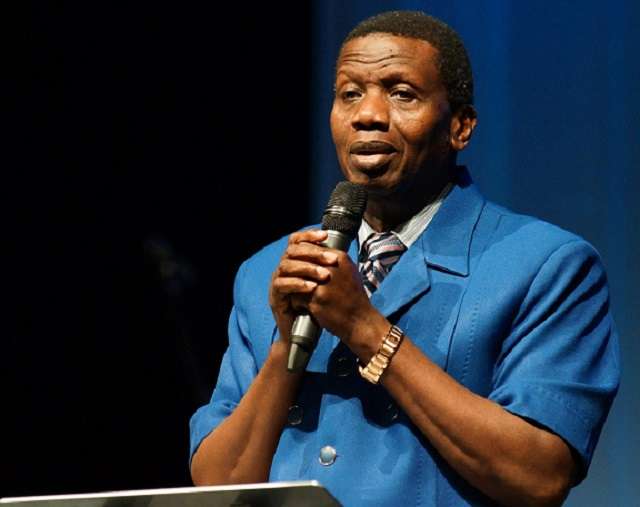
The framing often includes emotional wording such as we were ready to protest insecurity but it was cancelled at the top, a phrase that became widely repeated across reposts. However, these statements originate mainly from anonymous or self identified individuals speaking in videos, not from official communication channels of Redeemed Christian Church of God.
Nature of Claims
A closer look at the circulating clips shows a pattern where individuals describe personal experiences or perceived instructions rather than documented organizational policy. One speaker mentions preparation for a peaceful walk or protest, another speaks about sudden cancellation, while others suggest that instructions came from above without specifying whether that refers to spiritual direction, administrative leadership, or informal communication.
The ambiguity in language plays a major role in how the story spread. Without clear definitions or official confirmation, viewers interpreted the statements in different ways, often aligning them with pre existing assumptions about religion and politics. By the time these videos were widely shared, most had been shortened or re edited, removing context that might have clarified whether the claims were local discussions or national directives.
Importantly, no official document from Redeemed Christian Church of God confirming a nationwide protest has been released, and no verified press briefing has validated the cancellation narrative. That absence remains a critical gap in the overall story.
Conflicting Narratives: Online Diverging Interpretations
As the story gained traction, two dominant narratives emerged online. The first narrative claims that a protest was planned and later cancelled by leadership intervention. This version gained popularity because it presents a clear timeline and a decisive conclusion, making it easy to share and understand.
The second narrative argues that no official protest was ever approved at the institutional level. According to this view, what circulated online may have originated from informal discussions or localized interpretations that were later exaggerated into a nationwide claim. Some posts even describe the story as completely false, suggesting that only prayer based or civic awareness discussions existed rather than any organized street protest.
There are also circulating claims suggesting political sensitivity involving prominent figures, including references to Remi Tinubu who is associated with pastoral links to Redeemed Christian Church of God and serves as First Lady of Nigeria.

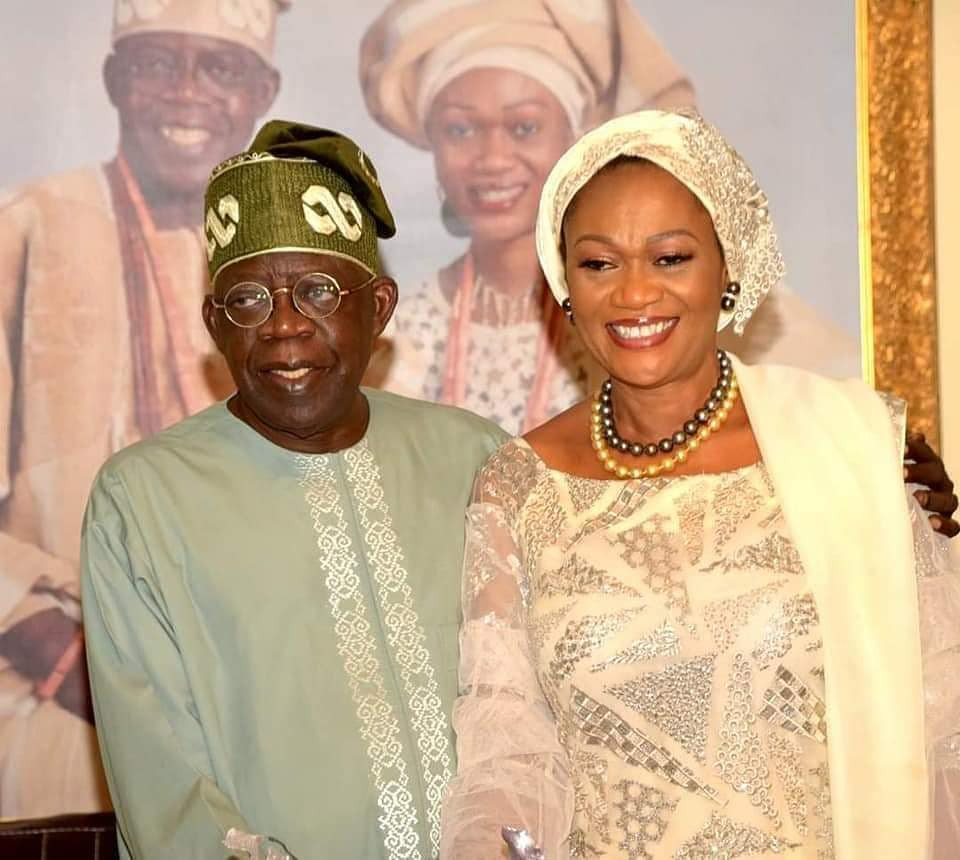
However, these claims remain unverified and are part of the broader online speculation rather than confirmed institutional communication.
Official Position Assessment: Institutional Silence
As of early June 2026, there is no verified official statement confirming that a nationwide protest was planned or cancelled. There is also no documented national directive announcing a church wide demonstration. Mainstream national media outlets have not produced confirmed evidence showing that such an organized protest was formally stopped.
This creates a clear position based on available facts. No confirmed institutional protest announcement means there can be no confirmed institutional cancellation. The absence of formal documentation from Redeemed Christian Church of God remains central to understanding the current status of the claim.
Institutional silence does not automatically validate or invalidate viral narratives, but it does highlight the gap between online circulation and verified record.
Why the Story Spread Fast
Several conditions contributed to the rapid spread of the story between May 30 2026 and May 31 2026. The first is Nigeria’s ongoing insecurity situation, which already places public attention on any narrative involving safety, governance, or civic response. The second is the scale of influence of Redeemed Christian Church of God, whose global membership ensures that even small claims can quickly reach wide audiences.
A third factor is the sensitivity surrounding religion and politics. When both appear in the same narrative, engagement tends to increase rapidly, especially on platforms that prioritize shareable emotional content. Finally, the circulation of unsourced clips without verification allowed the story to evolve faster than any correction or clarification could travel.
These combined factors created an environment where the narrative could expand without needing official confirmation to sustain visibility.
Likely Scenario Evidence Based Interpretation
Based on available reporting patterns, a more grounded interpretation suggests that internal conversations or informal discussions may have occurred regarding peaceful public expression related to insecurity concerns. Some members may have interpreted these discussions as organized plans, while others may have shared them publicly in ways that increased their perceived scale.
As these interpretations moved through social media, they were reshaped into a single narrative of a planned protest and subsequent cancellation. However, there is no verified evidence showing that a nationwide protest was officially approved or later withdrawn by leadership within Redeemed Christian Church of God.
The most consistent pattern in the available information is not confirmation of a protest, but fragmentation of interpretation across multiple sources.
Bottom Line – Clear Status of the Claim
At this stage, the situation can be summarized in a structured way. Viral claims exist across multiple platforms and are supported by individual testimonies. However, those testimonies are not backed by official documentation or institutional confirmation. No verified proof shows that a nationwide protest was formally sanctioned. No verified evidence shows that a leadership cancellation order was issued.
What exists is a social media driven narrative built from fragmented statements that gained momentum through repetition and emotional framing. The absence of official confirmation from Redeemed Christian Church of God remains the defining factor in assessing the credibility of the claim.
Final Takeaway – Narrative Reality Gap
The story reflects a familiar pattern in digital information cycles where partial statements evolve into complete narratives without formal verification. Between May 30 2026 and early June 2026, a combination of viral clips, emotional framing, and national sensitivity turned scattered claims into a widely discussed controversy.
What remains clear is that the narrative is stronger online than it is in verified institutional record. The gap between what was claimed and what is confirmed defines the entire conversation, making this less about a documented protest cancellation and more about how quickly interpretation can become perceived fact in a fast moving digital environment.