
The Nollywood industry was thrown into mourning on Friday night, June 12, 2026, following the death of veteran actor, dramatist, director, and academic Professor Kola Oyewo at the age of 80.
His passing was confirmed by his son, Adetoyese Oyewo, and actor Kunle Afod, prompting an outpouring of tributes from colleagues, students, and fans who celebrated a career that spanned more than six decades. Earlier in 2026, President Bola Tinubu described the revered thespian as a “national treasure,” a fitting tribute to a man whose contributions to theatre, film, and academia helped shape generations of Nigerian storytellers.
Oyewo began his acting career in 1964 with the legendary Oyin Adejobi Theatre Group and went on to become one of the most respected figures in Yoruba and Nigerian performing arts. Beyond the stage and screen, he distinguished himself in academia, earning a Bachelor’s degree in Theatre Arts from Obafemi Awolowo University in 1995 before obtaining both a Master’s degree and PhD from the University of Ibadan. He later lectured at Obafemi Awolowo University, where he rose to the rank of Senior Lecturer before retiring in 2011. He subsequently headed the Department of Dramatic Arts at Redeemer’s University and later taught Performing Arts at Elizade University, Ilara-Mokin, Ondo State.
From his unforgettable portrayal of Oba Lapite in Saworoide to his acclaimed performance as Odewale in The Gods Are Not to Blame, Oyewo built a legacy that transcended generations.
As Nigeria mourns one of its finest cultural icons, here are five classic productions that ensured Professor Kola Oyewo’s place in the pantheon of Nigerian performing arts.
1. Saworoide (1999)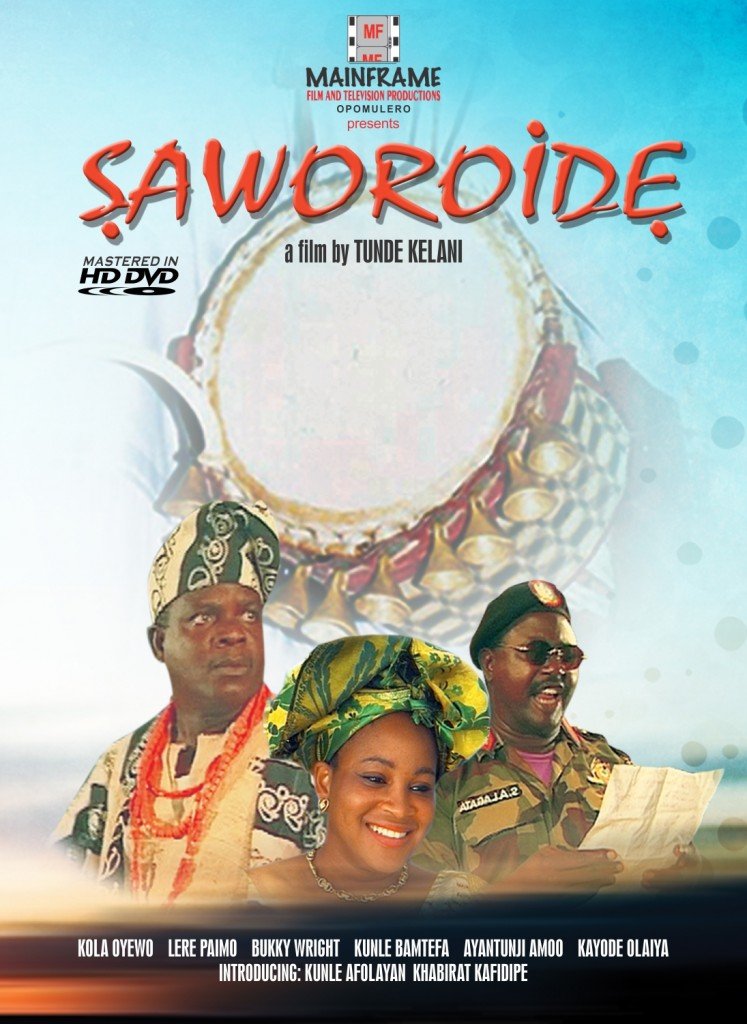

No discussion of Kola Oyewo’s legacy would be complete without Saworoide, the 1999 political drama directed by Tunde Kelani and widely regarded as one of the greatest films in the history of Yoruba Nollywood.
In the classic film, Oyewo delivered a memorable performance as Oba Lapite, the ambitious ruler of the fictional kingdom of Jogbo. Determined to enjoy the privileges of kingship without submitting to the sacred traditions that bind rulers to their people, Lapite manipulates the system, enriches himself, suppresses dissent, and ultimately plunges his kingdom into crisis.
What made Oyewo’s portrayal remarkable was the depth he brought to the character. He transformed Lapite from a simple villain into a complex symbol of greed, abuse of power, and failed leadership. His commanding screen presence and masterful delivery helped make the character one of the most memorable in the movie industry.
More than two decades after its release, Saworoide remains a cultural and political touchstone, frequently referenced in conversations about governance, corruption, and accountability in Nigeria. For many movie lovers, Oyewo’s portrayal of Oba Lapite stands as one of the defining performances of his illustrious career.
2. Koseegbe (1995)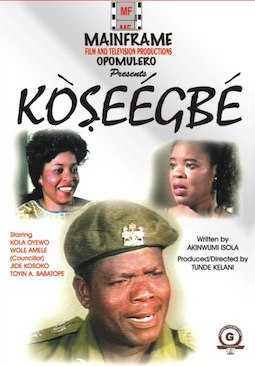

Years before captivating audiences as the controversial Oba Lapite in Saworoide, Kola Oyewo delivered another memorable performance in Koseegbe, the 1995 Yoruba drama directed by Tunde Kelani and based on a stage play by renowned playwright Akinwunmi Isola.
In the film, Oyewo played Mako, a principled and incorruptible customs officer determined to rid his department of fraud, smuggling, and other sharp practices. His commitment to honesty, however, places him on a collision course with powerful interests who benefit from corruption and are willing to do anything to protect their influence.
What made the role stand out was Oyewo’s ability to portray integrity without making the character feel one-dimensional. Through Mako, he embodied the everyday Nigerian public servant struggling to uphold his values in a system where corruption often appears deeply entrenched.
Produced by Mainframe Films, Koseegbe went on to become one of the most celebrated Yoruba films of its era and remains one of the performances that best showcased Oyewo’s ability to combine compelling storytelling with powerful social commentary.
3. Sango (1997)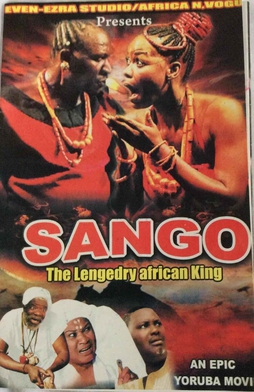

Kola Oyewo’s filmography is filled with culturally significant productions, but few can match the historical weight of Sango: The Legendary African King, the 1997 epic directed by Obafemi Lasode.
Based on the life and reign of the legendary Alaafin of Oyo who later became one of the most revered deities in Yoruba mythology, the film remains one of the most ambitious historical productions in Nigerian cinema. The epic assembled some of the biggest names in Yoruba theatre and film, with Oyewo appearing as a High Chief in the royal court.
While he was not the central character, Oyewo’s presence reflected the esteem in which he was held within the industry. By the time Sango was released, he had already established himself as one of the most respected figures in the industry, making him a natural fit for a production that sought to celebrate Yoruba history, culture, and tradition.
The film would later gain international exposure through screenings at major film festivals in New York, Los Angeles, and Minneapolis, helping introduce Yoruba historical storytelling to audiences beyond Nigeria. For Oyewo, Sango remains one of the landmark productions associated with a career dedicated to preserving indigenous culture through performance.
4. The Gods Are Not to Blame

If there is one role that became inseparable from Kola Oyewo’s name, it was Odewale in Ola Rotimi’s classic tragedy The Gods Are Not to Blame.
Adapted from Sophocles’ Oedipus Rex and first staged in Nigeria in 1968, the play tells the tragic story of Odewale, a king desperately trying to outrun a prophecy only to fulfil it in the process. The work remains one of the most studied and celebrated plays in African literature and theatre.
Oyewo’s portrayal of Odewale was so compelling that it became the role for which he was most widely recognised throughout his career. After joining the University of Ife Theatre following his years with the Oyin Adejobi Theatre Group, he worked closely with renowned playwright Ola Rotimi and brought the tragic king to life in a performance that earned him acclaim across the African theatre scene.
While The Gods Are Not to Blame was primarily a stage production rather than a conventional film, its significance in Oyewo’s career cannot be overstated. For many theatre lovers, scholars, and students, Kola Oyewo was Odewale. The role showcased his emotional depth, commanding stage presence, and ability to embody complex characters caught between destiny and choice.
5. Oleku (1997)

Long before Nollywood romance became a staple of Nigerian cinema, Oleku set the standard with its compelling story, memorable characters, and rich use of Yoruba language and culture.
Directed by Tunde Kelani and adapted from Professor Akinwunmi Isola’s celebrated novel of the same name, the 1997 classic follows Ajani, a University of Ibadan student caught in a complicated web of love, family expectations, and difficult choices. The film became one of the most iconic Yoruba productions of the 1990s and later inspired the popular “Oleku” fashion trend that swept through Nigeria years after its release.
In the film, Oyewo played Oloye Ajasa, one of several respected elders whose presence added weight and authenticity to the story’s traditional setting. Though not the lead character, he brought the same gravitas and commanding screen presence that had become his trademark throughout his career.
Beyond its commercial success, Oleku remains one of the most celebrated Yoruba-language films ever made. Its enduring popularity reflects the culturally rooted storytelling that Oyewo championed throughout his life and career.
Conclusion


From the tragic Odewale in The Gods Are Not to Blame to the unforgettable Oba Lapite in Saworoide, Kola Oyewo left an indelible mark on Nigerian theatre and cinema. Though the veteran actor, scholar, and cultural icon has taken his final bow, the timeless productions he helped bring to life will ensure that his legacy endures for generations to come.