Before the world fully adjusted to the idea of football legends stepping into music on a global scale, a new kind of announcement began circulating across entertainment spaces. It carried the weight of a sporting icon, the reach of international music, and the timing of a global tournament that already had the world watching. What made it even more striking was not just the name attached to the project, but the scale of artists involved and the direction the project was taking.
Reports emerging on June 2026 pointed toward a release that was not built like a regular debut album, but rather a structured global collaboration involving dozens of artists from multiple continents. The name behind it, Ronaldinho, instantly pulled attention due to his legacy in football, but what followed in the details revealed a creative ambition that extended far beyond sports nostalgia. The project connected music markets across Africa, Europe, South America, and North America under one umbrella, setting the stage for a release designed for global consumption.
As the details unfolded, it became clear that this was not just about music. It was about positioning, timing, and cultural alignment with one of the biggest sporting events in history. The 2026 FIFA World Cup, jointly hosted across the United States, Mexico, and Canada, provided the backdrop for this rollout. The album arrived at a moment when global audiences were already tuned into international entertainment conversations, making its presence even more noticeable.
The structure of the project, the artists involved, and the intention behind its release created a narrative that demanded closer examination. Each layer revealed how football culture was merging with global music production in ways that had never been attempted at this scale before.
Ronaldinho’s Tu Música Vision Structure
Ronaldinho’s entry into music was not framed as a casual experiment but as a structured business and creative move through a newly established label known as Tu Música. Announced as the home of his debut project, the label positioned itself as a platform designed to merge sports identity with global sound culture. The release of Camisa 10 marked the first major output from the label, instantly giving it international visibility.
The project was built on collaboration rather than solo performance. Instead of focusing on a single artist narrative, it was designed to function as a collective body of work involving multiple voices. This approach reflected a shift in how global music projects are now being structured, especially those tied to large scale cultural events like the World Cup.
According to early reports from June 2026, the album brought together 44 artists from 18 countries, a scale that placed it among the largest international music collaborations ever linked to a football figure. The intention behind such a wide net of contributors was not limited to musical diversity but extended into cultural representation, ensuring that multiple regions were reflected within the project.
This structure also positioned the album as more than entertainment. It became a cultural document shaped through global participation, where each artist contributed a piece of their regional identity into a unified project.
Camisa 10 – Meaning Legacy Symbolism
The title Camisa 10 carries deep football meaning, especially within Brazilian culture. Translated directly as Number 10 Shirt, it refers to the iconic jersey number traditionally worn by playmakers and creative leaders on the pitch. For Ronaldinho, the number represents a defining part of his identity during his career with Brazil national team and FC Barcelona.
The number 10 role in football is historically associated with creativity, vision, and technical brilliance. Ronaldinho embodied these traits during his playing years, becoming one of the most recognizable footballers in modern history. Naming the album after this symbol was not accidental but a deliberate connection between his football legacy and his new musical direction.
The choice of title also served as a bridge between two industries. Football fans instantly recognize the significance of the number, while music audiences are introduced to a symbolic identity that carries emotional weight. This combination created an immediate connection point for global audiences who have followed Ronaldinho’s career across different eras.

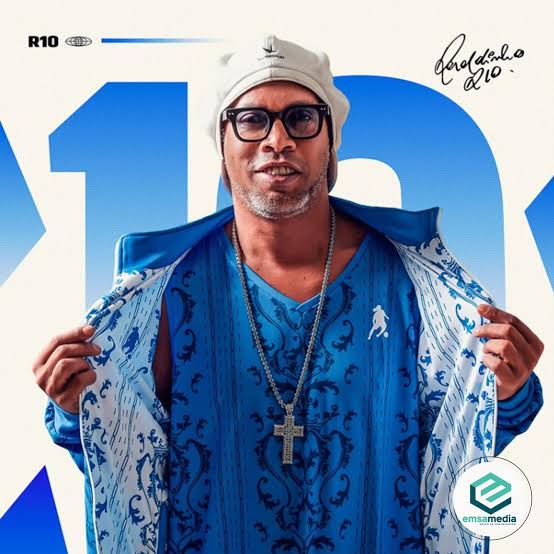
The album title therefore functions as both a tribute and a branding tool, linking his sporting identity with his creative expansion into music.
Release Timing: World Cup Context
The release of Camisa 10 in June 2026 was strategically aligned with the buildup to the FIFA World Cup 2026. The tournament itself was set to begin just days after the album rollout, placing the project directly within global media attention focused on football celebrations.
This timing allowed the album to function as part of the wider cultural atmosphere surrounding the tournament. With cities across the United States, Mexico, and Canada hosting matches, entertainment projects tied to football gained additional visibility due to increased global audience engagement.
June 2026 therefore became a critical window for both sports and entertainment industries. The album’s release during this period ensured that it entered conversations already dominated by football discussions, making it part of the World Cup cultural environment rather than a standalone music project.
The strategic alignment also reinforced the idea that modern football events are no longer limited to matches alone. They now function as cultural festivals where music, fashion, and entertainment play equally important roles.
Nigerian Artists Selection Impact
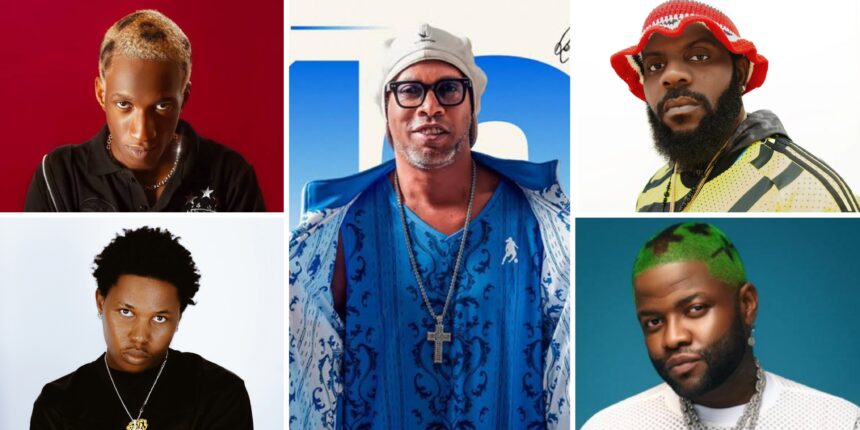
Among the most discussed aspects of the Camisa 10 project was the inclusion of four Nigerian artists, Odumodublvck, Skales, Shoday, and Mavo. Their presence on the album reflected the continued expansion of Afrobeats into global music collaborations tied to major international platforms.
Each of these artists represents different stages of the Nigerian music ecosystem. Skales brings experience and recognition from years of established presence in the industry. Odumodublvck represents a newer wave of energetic and genre blending sounds that have gained attention in recent years. Shoday and Mavo reflect emerging talent positioned for international exposure through collaborative projects.
Their selection into a 44 artist global lineup spanning 18 countries highlights how Nigerian music has become integrated into international music production strategies. Rather than being placed in isolated features, Nigerian artists are now included in large scale collaborative projects that position them alongside acts from Latin America, Europe, and North America.
This inclusion signals a broader shift where Afrobeats is no longer treated as a regional genre but as a core component of global music architecture.
Global Artist Lineup Composition
Beyond the Nigerian representation, Camisa 10 features a wide range of international artists including Sean Paul, Pitbull, Jonas Blue, Justin Quiles, Dalex, and Gyakie. The presence of these artists reflects the album’s cross genre and cross regional structure.
Each artist brings a different sound identity, from dancehall to Latin pop and global EDM influenced production. This combination creates a layered musical experience designed to appeal to multiple audiences simultaneously. The diversity of contributors ensures that no single genre dominates the project, allowing it to function as a fusion of global sounds.
Reports from Latin American media and Billboard described the project as a large scale collaboration that spans continents and genres. The involvement of established global names alongside emerging artists further strengthens the album’s positioning as a platform for both recognition and discovery.
The structure of 44 artists across 18 countries highlights the complexity of coordination behind the project, suggesting a carefully curated effort rather than a random compilation of features.
Album Size Structure Depth
Camisa 10 is reported to consist of two volumes containing nearly 60 songs in total. This scale places it far beyond a typical debut album format and closer to a global anthology project. The decision to release the work in two volumes allows for broader thematic exploration and genre distribution.
The songs span multiple musical styles including Afrobeats, dancehall, reggaeton, Latin pop, Brazilian music, and regional Mexican sounds. This diversity reflects the multicultural vision behind the project, where each region contributes its own musical identity.
Language also plays a significant role in the album structure. Tracks are performed in Portuguese, English, and Spanish, reinforcing its global accessibility. This multilingual approach ensures that audiences across different regions can connect with the project without linguistic limitations.
The scale and diversity of the album demonstrate its ambition to function as a global music platform rather than a traditional debut release.
Tu Música Label Direction
The establishment of Tu Música as Ronaldinho’s record label introduces a new layer to his post football career. The label serves as the foundation for Camisa 10 and potentially future projects that merge sports identity with global music production.
Rather than positioning itself as a conventional music label, Tu Música appears to be structured around collaboration, cultural exchange, and international representation. Its first release already reflects a strategy aimed at global reach rather than local market penetration.
The label’s direction suggests an understanding of how modern entertainment ecosystems function, where cross industry collaboration plays a central role in visibility and success. By anchoring the label’s debut project around the World Cup period, Ronaldinho ensures immediate relevance and global attention.
Afrobeats Global Position Expansion
The inclusion of Nigerian artists in Camisa 10 highlights the continued expansion of Afrobeats within international music structures. Over recent years, Afrobeats has moved from regional dominance to global collaboration, appearing in major music festivals, award shows, and now large scale international projects linked to global sporting events.
The participation of Odumodublvck, Skales, Shoday, and Mavo demonstrates how Nigerian music is being integrated into global production frameworks rather than treated as external influence. Their involvement in a project of this size reinforces the genre’s growing commercial and cultural importance.
This development also reflects increased recognition of African music within mainstream global entertainment systems. The presence of Nigerian artists alongside global names creates a shared platform that elevates visibility across regions.
Cultural Convergence Narrative
Camisa 10 represents more than a debut album. It reflects a convergence between football culture and global music production. Ronaldinho’s identity as a football icon provides a foundation for the project, while the diverse artist lineup transforms it into a cultural exchange platform.
The timing, structure, and scale of the project align with the growing trend of entertainment convergence during major sporting events. Football no longer exists in isolation from music or pop culture, and projects like Camisa 10 illustrate how deeply interconnected these industries have become.
The album therefore stands as a cultural artifact shaped by sport, music, and global collaboration, reflecting how modern entertainment is evolving in real time.
Closing Thoughts
Ronaldinho’s Camisa 10 arrives as a project defined by scale, timing, and global ambition. With 44 artists from 18 countries, nearly 60 songs, and representation across multiple continents, the album positions itself as one of the most expansive football linked music projects ever released.
The inclusion of Odumodublvck, Skales, Shoday, and Mavo places Nigerian music at the center of this global collaboration, reinforcing Afrobeats’ growing presence in international entertainment. Released during the buildup to the 2026 FIFA World Cup, the project stands as a reflection of how football and music continue to merge into shared global experiences.
From Tu Música’s debut statement to the symbolic weight of Camisa 10, the project captures a moment where sport and sound intersect on a worldwide stage, shaping a narrative that extends far beyond the pitch or the studio.