A quiet transformation has been unfolding inside Nollywood that no single premiere night, red carpet moment, or cinema release calendar can fully explain, yet its impact is now visible in how audiences consume stories, how filmmakers structure releases, and how entire careers are being shaped across digital and theatrical spaces in 2026. The conversation is no longer about whether cinema remains important or whether online platforms are simply alternatives, but about which system now defines the true center of film distribution in Nigeria’s evolving entertainment economy.
Between Lagos cinema halls filled on weekend premieres and YouTube channels pushing out films that cross millions of views within days of release, a new hierarchy has formed where attention itself has become the most valuable currency. What used to be a single pipeline of film distribution has expanded into competing ecosystems, each driven by different audience behaviors, revenue models, and cultural expectations.
Understanding which platform holds the upper hand requires looking beyond popularity metrics into deeper questions of reach, speed, accessibility, monetization, and long term cultural influence. The answer is not as simple as choosing a winner in isolation, but rather examining how each system operates within a rapidly shifting entertainment landscape where audience control has become the ultimate measure of power.
Structure Of Nigerian Film Distribution 2026 Reality
The Nigerian film industry in 2026 operates within a multi layered distribution system that no longer depends on a single dominant channel. Instead, three major pathways now define how films reach audiences across the country and the diaspora, each serving a distinct purpose within the broader Nollywood ecosystem.
The first layer is cinema distribution, which remains the traditional theatrical model where films are released in physical screening locations across Lagos, Abuja, and select urban centers. This system is built around ticket sales, scheduled premieres, and structured exhibition windows that prioritize exclusivity and event based viewing experiences.
The second layer is YouTube based Nollywood distribution, which has evolved into a massive digital ecosystem where films are released directly to global audiences without physical barriers. This model thrives on accessibility, algorithm driven visibility, and rapid audience scaling that can transform a release into a viral phenomenon within hours.
The third layer involves streaming platforms such as Netflix, Amazon Prime, and Showmax, which still play a role in Nollywood distribution but have gradually shifted into a secondary position in terms of release frequency and cultural immediacy compared to earlier years.
YouTube As The Fastest Growing Distribution Engine
By May 2026, YouTube had firmly established itself as the most dominant force in Nigerian film distribution when measured by audience reach and engagement speed. The platform’s structure allows filmmakers to bypass traditional gatekeeping systems and connect directly with viewers across Nigeria, Africa, Europe, and North America within seconds of uploading content.
One of the clearest indicators of this shift is the performance of major Nollywood releases on YouTube during early 2026. Films such as Monica starring Uche Montana demonstrated the platform’s ability to generate massive viewership in extremely short timeframes. Released on March 7 2026, Monica reportedly surpassed 13 million views within two weeks, while its sequel Monica 2 achieved over 10 million views within 48 hours of release.
This pattern illustrates a new form of film consumption where audience attention is concentrated in short explosive cycles rather than prolonged theatrical runs. The speed at which Monica scaled reflects how YouTube algorithms and audience sharing behaviors now function as primary drivers of film success.
Koleoso And The Rise Of Long Form Digital Franchises

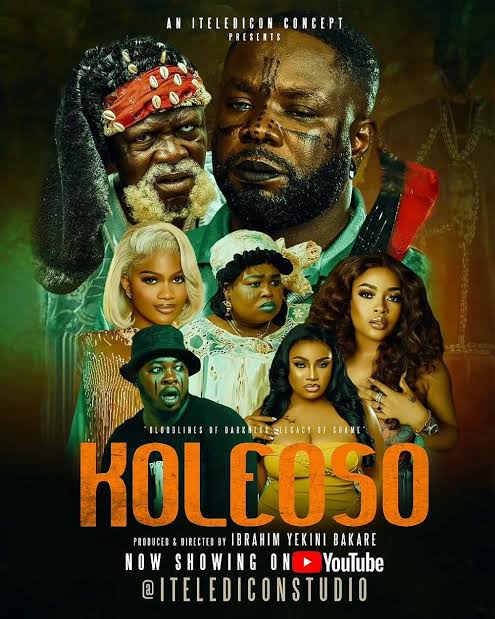
Another major example reinforcing YouTube dominance is the Koleoso franchise starring Itele. By 2026, the series had accumulated over 100 million views across multiple episodes, positioning it as one of the strongest long form Nollywood digital properties on the platform.
Unlike traditional cinema films that rely on single release events, Koleoso operates as a serialized storytelling ecosystem that encourages repeat viewing, episodic engagement, and sustained audience retention. Its Yoruba epic structure blends action, spirituality, and cultural mythology, making it particularly effective in both domestic and diaspora markets.
The success of Koleoso highlights a critical shift in Nollywood consumption patterns where audiences are increasingly comfortable engaging with film narratives as ongoing series rather than isolated cinematic events.
YouTube Distribution Model Explained
The YouTube Nollywood system is built on accessibility and speed. Unlike cinema distribution, which requires physical attendance and scheduled screenings, YouTube allows immediate global access without geographical or financial barriers.
Key advantages include unrestricted audience reach, algorithm driven visibility, high frequency content release cycles, and strong diaspora engagement. Films can be uploaded weekly, monthly, or as multi part franchises without the logistical constraints of cinema scheduling.
Monica, Koleoso, Love In Every Word, and similar productions demonstrate how YouTube has become a primary storytelling infrastructure rather than a secondary promotional channel.
Cinema Distribution System Still Holding Ground

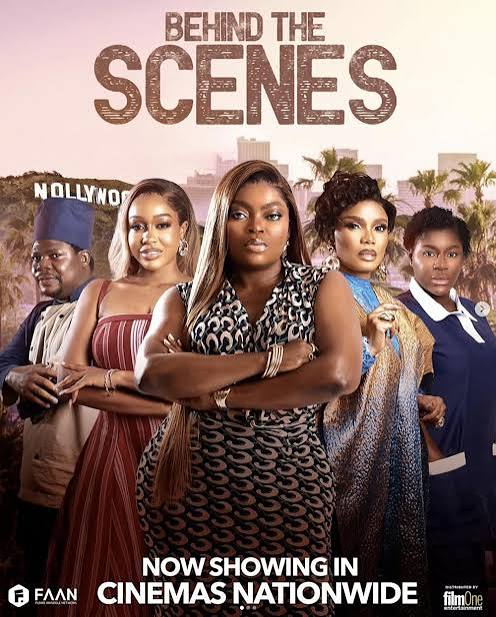
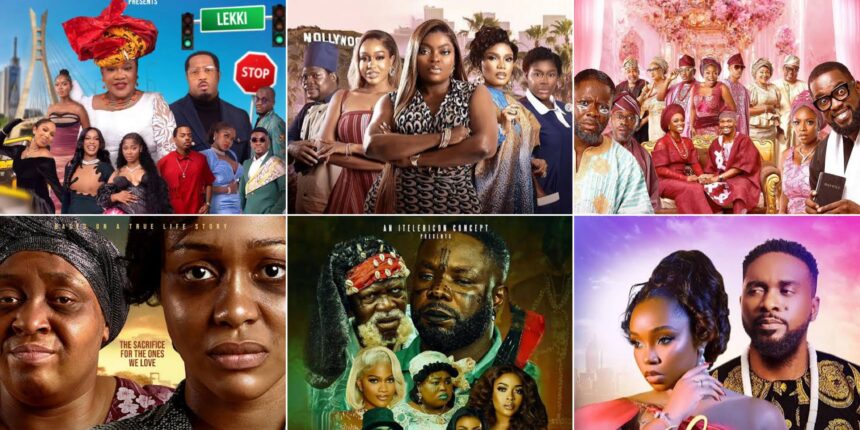
Despite the rise of YouTube, cinema distribution in Nigeria remains a powerful cultural and financial platform, particularly for high budget productions and prestige driven releases. Films such as Behind The Scenes by Funke Akindele, which crossed over 2 billion naira in box office earnings, demonstrate that theatrical releases can still generate significant revenue when properly structured and marketed.
Toyin Abraham’s Oversabi Aunty also crossed the 1 billion naira milestone, reinforcing the continued viability of cinema as a high revenue but selective distribution channel. Movies like Ajosepo further illustrate the sustained demand for theatrical experiences among urban audiences.
However, cinema operates within structural limitations that affect its overall dominance in distribution. These include high ticket prices, limited screen availability, concentrated geographic access in cities such as Lagos and Abuja, and short theatrical windows before digital release.
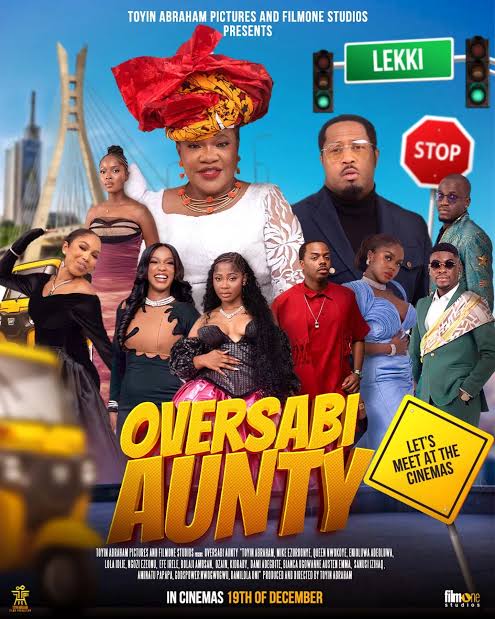
Cinema Value Structure Explained
Cinema distribution is built around exclusivity and event driven consumption. Films are marketed as premium experiences where audiences pay for early access, large screen viewing, and collective audience engagement.
This model prioritizes revenue per viewer rather than total audience volume. A single successful cinema release can generate billions of naira, but its reach remains limited compared to digital platforms that operate without physical constraints.
Cinema also retains strong influence in award circuits, industry recognition, and formal validation of filmmaking quality, making it a prestige driven ecosystem within Nollywood.
YouTube Versus Cinema Audience Reach Comparison
When measured purely by audience size, YouTube clearly surpasses cinema distribution. Films on YouTube can reach millions of viewers across multiple continents within days, while cinema releases remain restricted by screening capacity and physical attendance limits.

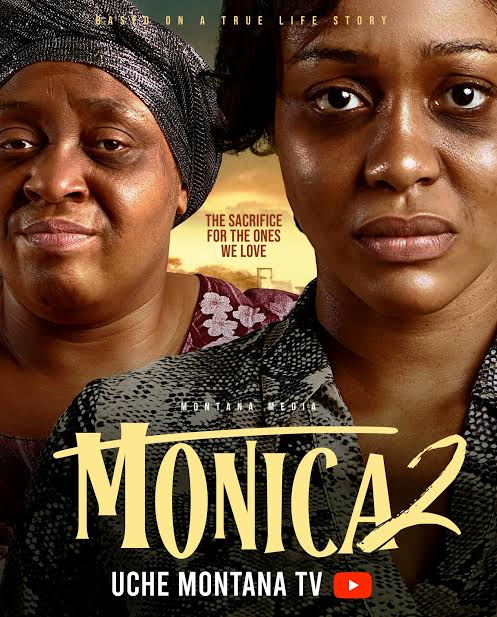
Monica reaching over 13 million views in under two weeks illustrates the scale advantage of digital distribution. Koleoso surpassing 100 million cumulative views further emphasizes the long term reach potential of YouTube based film ecosystems.
Cinema, while powerful in revenue concentration, cannot match this level of global simultaneous accessibility.
Speed Of Distribution As A Competitive Factor
Speed of distribution has become one of the most important competitive factors in 2026 Nollywood. YouTube allows immediate global release with no logistical delay, while cinema requires scheduling, physical distribution, and regional rollout planning.
This difference means that YouTube films can trend globally within hours, while cinema films build momentum gradually through ticket sales and word of mouth over weeks.
The speed advantage of YouTube has significantly influenced how filmmakers structure their production cycles and marketing strategies.
Monetization Differences Between Platforms
Cinema monetization relies primarily on ticket sales, with revenue concentrated during theatrical release windows. Successful films can generate high immediate returns, but revenue potential declines sharply after the cinema run ends.
YouTube monetization operates through advertising revenue, sponsorships, and long term view accumulation. While individual earnings per viewer may be lower, the total revenue potential increases over time as films continue to generate views long after release.
This creates a long tail income model that contrasts sharply with cinema’s short term revenue spikes.
Diaspora Influence On YouTube Growth
One of the strongest drivers of YouTube dominance is diaspora engagement. Nigerian audiences outside the country rely heavily on digital platforms for access to Nollywood content due to limited cinema availability in international markets.
Films like Monica and Love In Every Word benefit significantly from diaspora viewership, which contributes to rapid view growth and sustained engagement across different time zones.
This global accessibility gives YouTube a structural advantage in expanding Nollywood’s international footprint.
Industry Perception Shift In 2026
By 2026, industry perception has shifted toward recognizing YouTube as a primary distribution channel rather than a secondary release platform. Many filmmakers now design productions specifically for digital release first, with cinema considered an optional prestige extension.
This marks a reversal from earlier Nollywood models where cinema was seen as the ultimate goal of film distribution success.
Structural Limitations Of Streaming Platforms
Streaming platforms such as Netflix, Amazon Prime, and Showmax continue to participate in Nollywood distribution, but their influence has diminished in terms of release frequency and cultural immediacy.
Licensing constraints, curated selection processes, and delayed release cycles reduce their ability to compete with the speed and accessibility of YouTube or the cultural impact of cinema premieres.
As a result, streaming platforms now occupy a middle position in the distribution hierarchy.
Final Distribution Balance 2026 Reality
The 2026 Nollywood distribution landscape shows a clear division of influence. YouTube dominates in reach, speed, accessibility, and global audience engagement. Cinema dominates in prestige, structured revenue, and industry recognition.


Films such as Omoni Oboli’s Love in Every Word and Koleoso demonstrate the explosive power of digital distribution, while cinema successes like Behind The Scenes and Oversabi Aunty confirm that theatrical releases remain financially and culturally relevant.
However, when measuring overall distribution control, audience access, and frequency of engagement, YouTube currently holds the strongest position in shaping how Nollywood content reaches the world.
Concluding Lens
The Nigerian film industry in 2026 is no longer defined by a single distribution pathway but by a competitive ecosystem where cinema and YouTube serve different but overlapping roles. Cinema continues to represent prestige, structure, and concentrated revenue, while YouTube represents accessibility, speed, and mass cultural penetration.
The rise of films like Monica and Koleoso signals a fundamental shift in audience behavior, where digital immediacy has become just as important as theatrical experience. Cinema remains relevant, but its role has evolved into a prestige driven platform rather than the central engine of distribution.
Ultimately, YouTube leads in shaping the direction of Nollywood distribution because it controls attention at scale, reaches global audiences instantly, and sustains engagement far beyond traditional release cycles.