After almost four months of conflict, Iran and the United States have moved towards ending hostilities through a framework agreement that opens the door for negotiations on Tehran’s nuclear programme, sanctions relief, and broader post-war arrangements.
Although the complete text of the accord has not yet been officially released, reports from Iranian media outlets have offered insight into provisions said to be contained in the proposed framework.
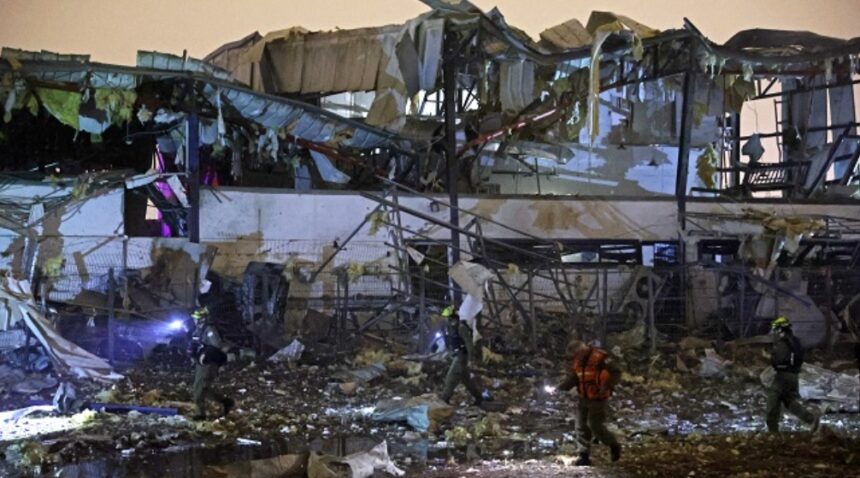
The development represents a significant diplomatic step after months of military tension that affected regional security, international shipping routes, and global energy markets.
Before the announcement of the agreement, Iran’s Foreign Minister, Abbas Araghchi, indicated that details would only be made public after the document receives final approval and signatures.
He stated, “Once finalised, I undertake to explain the details to the public.”
Ceasefire And Economic Measures
According to reports published by Iran’s Mehr news agency, the proposed framework calls for an immediate and lasting halt to military operations across all fronts linked to the conflict.
The report also suggested that the cessation of hostilities would extend beyond Iran and the United States to include conflict zones connected to the wider regional confrontation, including Lebanon.
Among the economic provisions reportedly included in the draft is the release of approximately $24bn in Iranian assets that have remained frozen abroad.
The reported arrangement would allow half of the funds to be made available before negotiations commence, while the remainder would be addressed during a planned 60-day discussion period.
The framework is also said to include the suspension of sanctions affecting Iranian crude oil exports, petrochemical products, and related sectors of the economy.
Iranian media further reported that restrictions affecting maritime access to Iranian ports would be removed as part of confidence-building measures designed to facilitate negotiations.
According to Mehr, “The final negotiations will not begin before half of the frozen funds are released, Iran’s oil sanctions are suspended, and the naval blockade is lifted.”
Focus On The Strait Of Hormuz
One of the most closely watched aspects of the agreement concerns the Strait of Hormuz, a strategic shipping corridor through which a significant portion of the world’s energy supplies passes.
Following the announcement, United States President Donald Trump stated on social media that the waterway would remain open “toll free”.
Iranian reports, however, suggested that Tehran intends to introduce a system of maritime service charges under arrangements expected to be implemented within the coming weeks.
Iran’s Fars news agency reported that discussions surrounding maritime service fees emerged during the final phase of negotiations.
The agency quoted an unnamed source as saying, “The use of the term ‘maritime services’ means that the United States has accepted that fees will be paid to Iran.”
While addressing the issue, Araghchi maintained that traditional toll charges would conflict with international legal norms but indicated that service-based arrangements remained under consideration.
He said, “Iran has made a firm decision that the administration of the Strait of Hormuz will no longer be the same as before.”
The minister also described the waterway as an important component of Iran’s security strategy and regional influence.
Nuclear Programme Takes Centre Stage
The proposed framework establishes a 60-day period for detailed negotiations aimed at resolving longstanding disagreements over Iran’s nuclear activities.
Key issues expected to dominate discussions include uranium enrichment levels, Iran’s stockpile of highly enriched uranium, and the future of United States and United Nations sanctions.
Iran’s Deputy Foreign Minister, Kazem Gharibabadi, stated that reconstruction and economic development following the conflict would also form part of the discussions.
He added that negotiators would seek agreement on mechanisms designed to ensure compliance with any final settlement.
Araghchi indicated that Tehran favours reducing its stockpile of highly enriched uranium through domestic dilution processes rather than transferring material abroad.
Reports from international media also suggest that discussions continue regarding possible limits on Iran’s enrichment programme for an extended period.
President Trump was quoted as indicating that any future arrangement must ensure that Iran’s enrichment activities cannot be used for military purposes.
Outstanding Questions
Despite the reported progress, several important issues remain unresolved.
It is still unclear whether negotiations will include Iran’s missile programme or its relationships with regional groups often referred to as the “Axis of Resistance”.
Both subjects have historically been major concerns for Israel and have featured prominently in previous diplomatic disputes involving Tehran.
However, Iranian media reports claimed that discussions concerning missile development and support for allied regional movements have been excluded from the current negotiating agenda.
As diplomats prepare for the next phase of talks, attention is expected to focus on whether the ceasefire framework can be transformed into a comprehensive agreement capable of reducing tensions and providing a foundation for longer-term stability.