Conversations about Nigeria’s security challenges often extend beyond the country’s borders, especially when they involve influential religious leaders speaking before international audiences. Every public appearance by a respected figure carries the potential to shape discussions on issues affecting millions of people, particularly when those remarks touch on national leadership, terrorism, religious freedom, and global cooperation. Such moments frequently attract attention because every statement is carefully examined long after the event has ended.
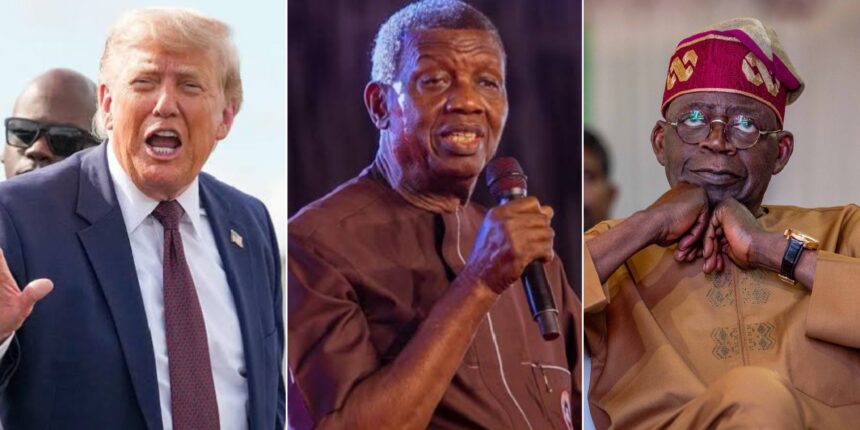
That was the atmosphere surrounding Pastor Enoch Adeboye’s appearance at the United States Nigeria Faith Heroes Award Gala in Washington, D.C. During his address, the General Overseer of the Redeemed Christian Church of God spoke extensively about terrorism, Nigeria’s security situation, President Bola Ahmed Tinubu’s constitutional responsibilities, and the role he believes the United States should continue playing in the fight against violent extremism. Several remarks delivered during the speech quickly became the subject of widespread discussion because they touched on both domestic leadership and international cooperation.
Rather than focusing on a single issue, Pastor Adeboye’s address connected several themes into one broader message. From his comments about United States President Donald Trump to his explanation of the responsibilities of a Commander in Chief, the speech outlined his views on leadership, security, prayer, humanitarian support, and the need for stronger international collaboration against terrorism. Understanding those remarks requires examining the speech from the beginning, placing each statement within the sequence in which it was delivered.
Washington Event
Pastor Enoch Adeboye delivered the remarks during the United States Nigeria Faith Heroes Award Gala held in Washington, D.C. The event was organised by the Save Nigeria Group USA in partnership with the United States Nigeria Civil Society Coalition. Discussions throughout the gathering centred largely on terrorism, religious freedom, humanitarian concerns, and Nigeria’s continuing security challenges.
The occasion brought together religious leaders, public officials, community representatives, and other invited guests to examine issues affecting Nigeria while encouraging stronger international engagement. Against that background, Pastor Adeboye used his address to discuss the growing impact of terrorism, the responsibilities of political leaders, and the need for greater cooperation between Nigeria and its international partners.
His remarks attracted significant attention because they extended beyond spiritual matters into broader conversations concerning governance and national security. Several statements made during the speech soon became widely circulated across traditional media platforms and social media, prompting renewed discussion about the issues he raised.
Trump Praise
One of the most widely discussed aspects of the speech centred on Pastor Adeboye’s remarks about United States President Donald Trump. While addressing the audience, he repeatedly expressed appreciation for what he described as America’s actions against terrorist groups affecting Nigeria.
During his address, he declared, “Thank God for Trump. He means business.” That statement immediately became one of the most quoted parts of the speech because it reflected his belief that President Trump approaches major decisions with determination once a course of action has been chosen.
Pastor Adeboye continued by appealing directly for continued American involvement in addressing terrorism affecting Nigeria. Rather than asking for existing efforts to remain unchanged, he encouraged the United States to intensify its support in confronting terrorist organisations operating within the region.

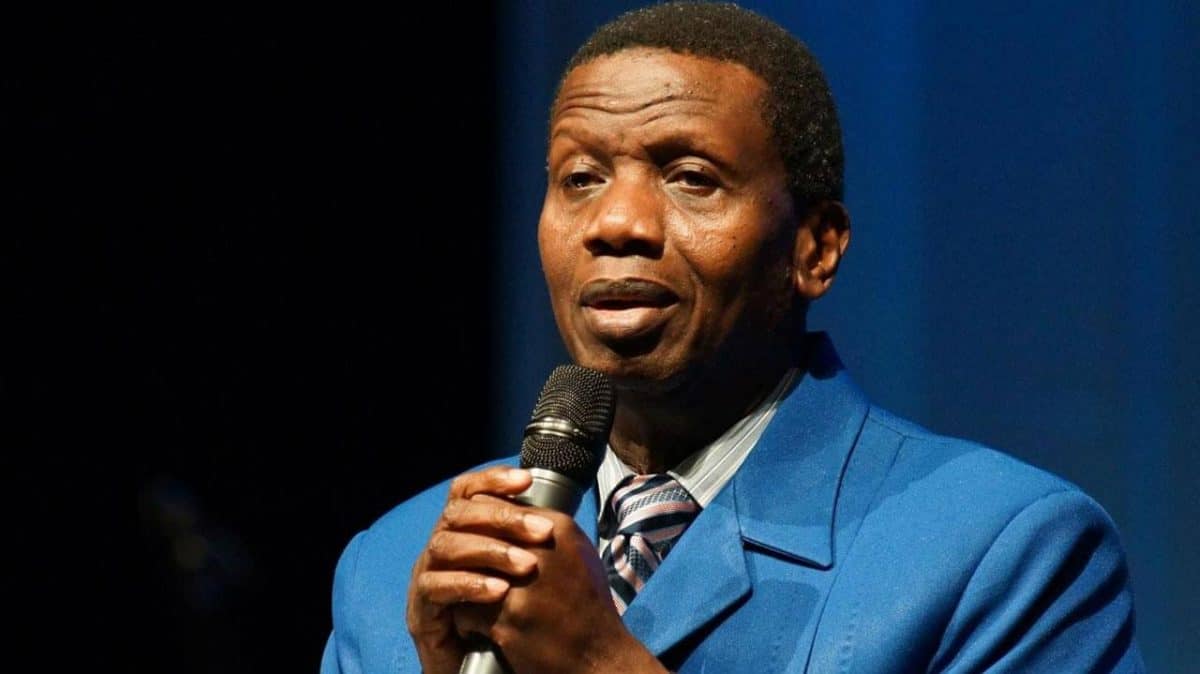
Another remark that attracted widespread attention came when he described Donald Trump by saying, “The best politician I have ever met.” Moments later, however, Pastor Adeboye clarified that he had never personally met President Trump. His explanation was that his assessment came from closely following Trump’s public speeches, decisions, and leadership style rather than from personal interaction.
Explaining his position further, Pastor Adeboye said he admired what he viewed as consistency between public promises and subsequent actions. According to him, “When he says, ‘I want to do this,’ you had better get ready.” That observation reflected his belief that President Trump generally follows through on policies once they are publicly announced.
Despite those compliments, Pastor Adeboye also drew an important distinction regarding his views. Addressing the audience, he stated, “That does not mean I agree with all his ways.” He explained that his remarks related specifically to what he regarded as consistency between words and actions rather than complete agreement with every policy or decision associated with Trump’s presidency.
Appeal For Support
Following his comments about President Trump, Pastor Adeboye turned his attention toward Nigeria’s continuing security challenges. According to him, terrorism within the country has developed into a problem requiring stronger international cooperation because of the scale of the threat confronting Nigerian communities.
He explained that terrorist groups operating within Nigeria are well armed and possess significant financial resources. Those realities, according to Pastor Adeboye, have made the challenge increasingly difficult for Nigeria to confront without broader assistance from international partners possessing greater military capabilities and strategic influence.
During the speech, he appealed directly to the United States by urging American leaders to continue supporting efforts aimed at weakening terrorist organisations. His message included the appeal, “Use your influence to help us.” That statement reflected his belief that cooperation between Nigeria and its international allies remains important in confronting violent extremism.
Pastor Adeboye also offered a personal reflection illustrating how widespread insecurity has become across the country. He declared, “Terrorism is now at my doorstep.” Through those words, he sought to emphasise that violence is no longer limited to isolated regions but has increasingly affected communities across different parts of Nigeria.

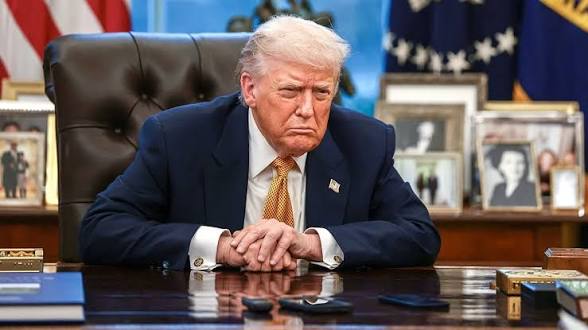
Those remarks established the broader context of his speech before he moved to another issue that would also attract widespread public attention, namely his explanation of President Bola Ahmed Tinubu’s constitutional responsibilities as Nigeria’s Commander in Chief.
Tinubu’s Constitutional Role
Pastor Adeboye next addressed the criticism frequently directed at President Bola Ahmed Tinubu over Nigeria’s security situation. Rather than discussing military strategy or operational decisions, he focused on the constitutional responsibilities attached to the office of the President as Commander in Chief of the Armed Forces.
During his speech, Pastor Adeboye made one of the most widely quoted statements of the event, declaring, “He has done his bit; he can’t wear military uniform and fight terrorists.” That remark became a central point of discussion because it explained how he believes the President’s constitutional duties should be understood within the context of Nigeria’s fight against terrorism.
Developing that position further, Pastor Adeboye explained that the President’s responsibility is to issue directives and provide leadership as Commander in Chief. Once lawful instructions have been given to the military and other security agencies, the responsibility for carrying out those directives belongs to the institutions established for that purpose rather than to the President personally.
He expressed that view again by saying, “When the Commander in Chief has given instructions to his subordinates, he has done his bit. You don’t expect him to wear military uniform and go and fight.” Through those remarks, Pastor Adeboye argued that constitutional leadership should be separated from direct participation in military operations.
To illustrate his point, he compared President Tinubu’s position with that of President Donald Trump, explaining that presidents lead armed forces through commands, policies, and strategic decisions rather than by personally entering combat. According to his explanation, commanders in chief exercise authority by directing military institutions responsible for implementing national security decisions.
Security Challenge
Although Pastor Adeboye defended President Tinubu’s constitutional responsibilities, he also acknowledged that Nigeria continues facing serious security challenges. Throughout his address, he repeatedly referred to terrorism as an ongoing national concern requiring sustained attention from both Nigerian authorities and international partners.
His remarks recognised that terrorism remains a significant threat affecting many communities across the country. Kidnappings, violent attacks, displacement of families, and continuing insecurity formed part of the broader context of his appeal for stronger international cooperation against terrorist groups.
Those observations demonstrated that his defence of the President’s constitutional role should not be interpreted as a declaration that Nigeria’s security problems had already been resolved. Rather, his message combined recognition of the continuing security crisis with an explanation of how executive leadership functions under Nigeria’s constitutional framework.

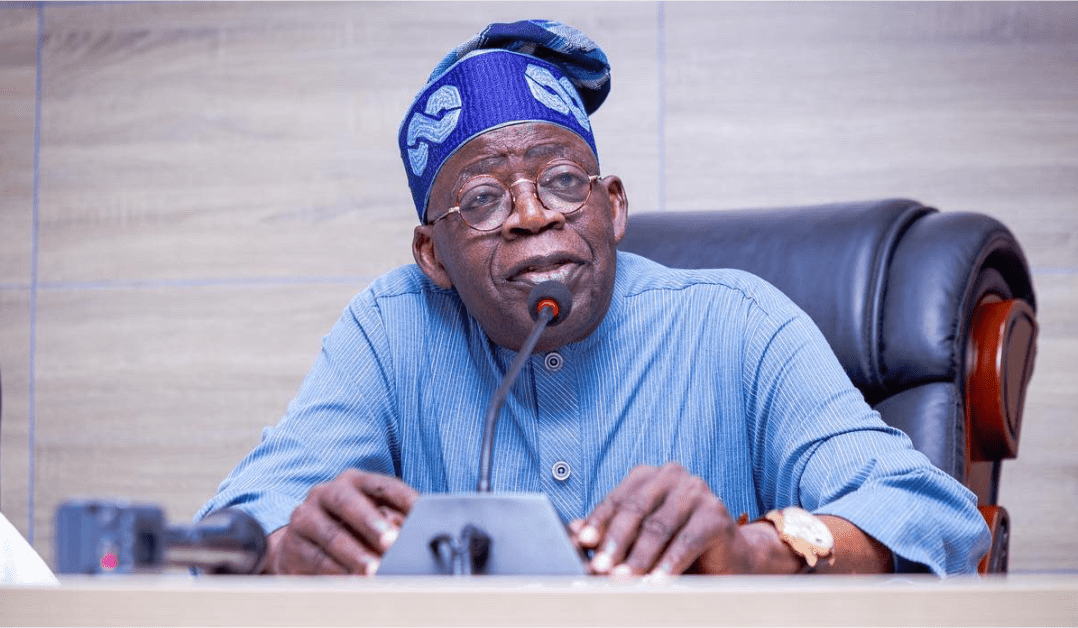
That distinction remained one of the defining features of his address because it separated his comments about presidential responsibility from the wider reality of terrorism still affecting parts of the country.
Powerful Actors
Pastor Adeboye also shared his concerns about forces he believes continue making the fight against terrorism more difficult within Nigeria. During the speech, he referred to the existence of individuals whom he described as untouchable, suggesting that certain powerful figures continue influencing events in ways that complicate efforts to defeat terrorist organisations.
According to his remarks, those individuals possess influence that extends beyond ordinary criminal activity. He suggested that some of them provide protection or support that enables violent groups to continue operating despite ongoing security efforts directed against them.
While discussing those concerns, Pastor Adeboye remarked that only God could ultimately deal with some of those powerful actors. That observation reflected his belief that the security challenge extends beyond military operations alone and includes deeper issues requiring both practical action and spiritual intervention.
His comments on this subject formed part of his broader appeal for greater cooperation between Nigeria and international partners while recognising the complexity of the country’s security environment.
Prayer’s Place
Pastor Adeboye also responded to suggestions that he had remained silent regarding attacks affecting Christians and vulnerable communities across Nigeria. Addressing that issue directly, he explained that his response to the security crisis has consistently included both spiritual and humanitarian efforts.
According to him, prayer has remained a central part of his approach to confronting terrorism and violence. He described this as spiritual warfare, expressing his belief that persistent prayer continues playing an important role alongside practical efforts aimed at supporting affected communities.
Beyond prayer, Pastor Adeboye highlighted humanitarian initiatives undertaken through the church. Those efforts include providing assistance to internally displaced persons, distributing food to families affected by violence, and supporting longer term recovery through plans for schools and vocational centres intended to help victims rebuild their lives.
Those comments illustrated that his response to Nigeria’s security challenges extends beyond public statements, combining spiritual ministry with practical assistance directed toward communities affected by terrorism.
Oyedepo’s Message
The event also featured remarks connected to Bishop David Oyedepo, who was represented during the programme. His message likewise focused on Nigeria’s continuing security challenges while encouraging stronger international engagement against terrorism.
According to the message presented on his behalf, Nigeria’s security situation has become deeply alarming and requires sustained cooperation between national authorities and international partners. The remarks also recognised ongoing efforts directed toward confronting violent extremism while encouraging continued support from countries capable of assisting those operations.

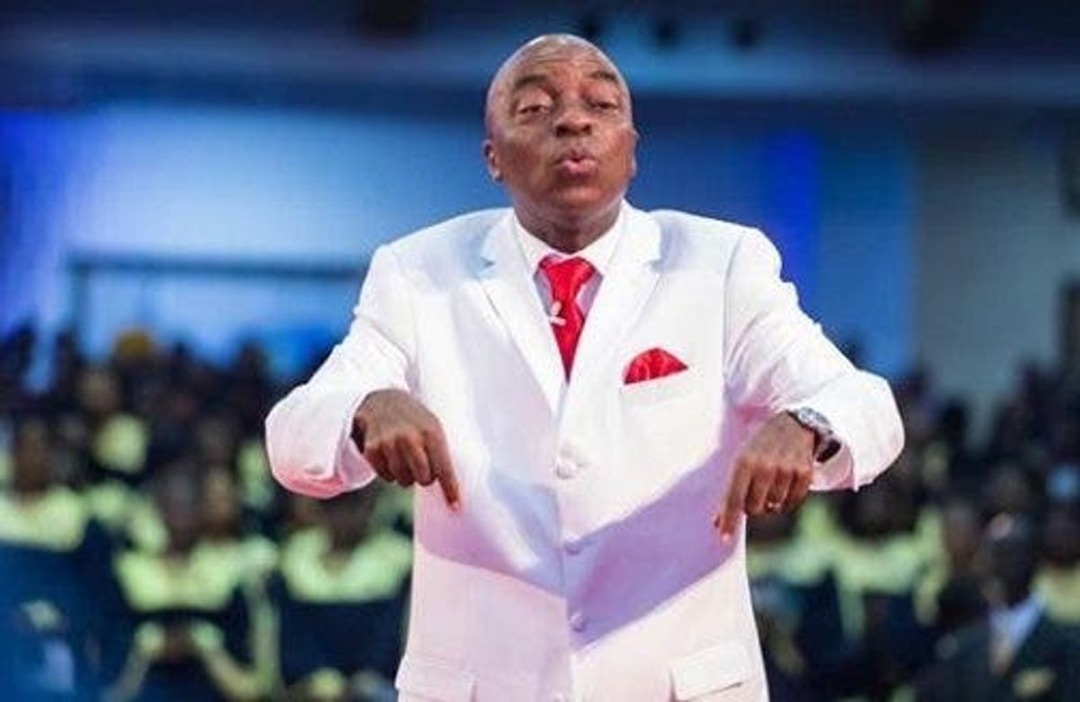
Although Pastor Adeboye’s comments received much of the public attention after the event, Bishop Oyedepo’s message reflected similar concern regarding the impact of terrorism on affected communities. Together, both addresses reinforced the broader theme of the gathering, which centred on religious freedom, humanitarian concerns, and collective action against insecurity.
Speech’s Central Message
Viewed as a whole, Pastor Enoch Adeboye‘s address at the United States Nigeria Faith Heroes Award Gala in Washington, D.C., brought together several connected themes within a single message. He expressed appreciation for what he regarded as decisive leadership by President Donald Trump in matters relating to terrorism, appealed for stronger international cooperation against violent extremist groups, explained President Bola Ahmed Tinubu’s constitutional responsibilities as Commander in Chief, acknowledged the continuing reality of insecurity across Nigeria, and highlighted the church’s commitment to both prayer and humanitarian support.
His speech therefore combined observations about leadership, national security, constitutional responsibility, international partnership, and faith based intervention within the context of Nigeria’s continuing fight against terrorism. Every major statement formed part of that broader message, making the address one of his most widely discussed public speeches in recent times.
As of the period following the Washington, D.C., event, Pastor Adeboye’s remarks remain part of the wider national conversation surrounding Nigeria’s security challenges, presidential responsibility, and the role international cooperation can play in addressing terrorism affecting communities across the country.