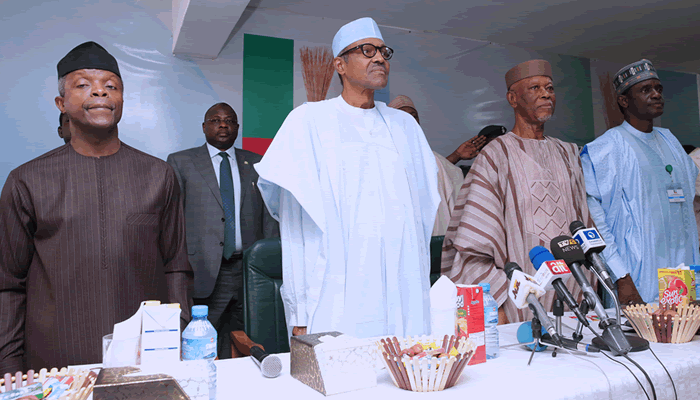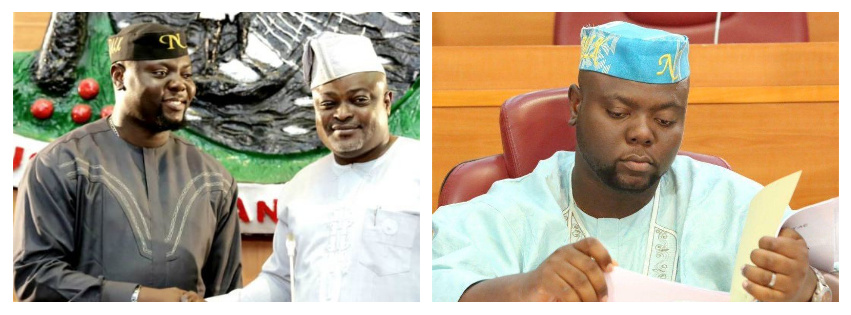
As preparations intensify for the 2027 general election, controversies arising from the All Progressives Congress senatorial primaries have placed renewed attention on the party’s commitment to internal democracy.
For years, the APC has projected itself as a political platform where candidates emerge through competitive and transparent processes, but recent nomination exercises across several states have generated disputes that continue to reverberate within the ruling party.
From Delta and Kogi to Kebbi, Plateau and Ogun, allegations of irregularities accompanied several contests, with aggrieved aspirants questioning not only the outcomes but also the conduct of the primaries themselves.
At the centre of the debate is whether the processes that produced many of the party’s candidates reflected the democratic principles outlined in the APC constitution and the Electoral Act.
While political contests naturally create winners and losers, many dissatisfied aspirants insist their objections stem from concerns about procedure rather than mere electoral defeat.
A notable trend during the primaries was the strong presence of influential political figures, including serving governors and former governors, many of whom secured senatorial tickets.
Reports from various states indicated that several incumbent senators seeking re-election were unable to retain their positions after losing out to candidates perceived to enjoy stronger political backing.
The development reinforced longstanding discussions about the influence wielded by governors and established political power brokers within party structures.
Among those who openly challenged the outcomes was Senator Ned Nwoko, representing Delta North, who rejected the emergence of former Delta State Governor, Ifeanyi Okowa, as the APC candidate for the district.

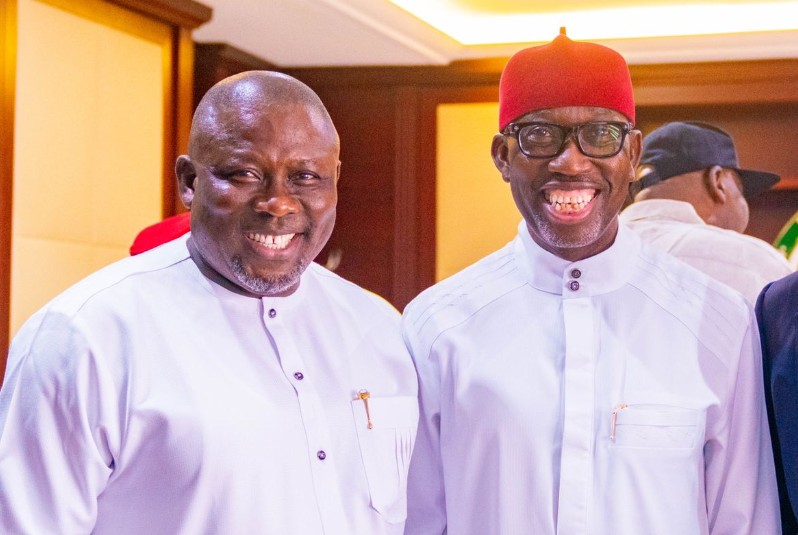
Nwoko argued that the declared results did not accurately reflect voting patterns across the senatorial district and subsequently petitioned the party’s appeal mechanism over allegations including manipulation, intimidation, vote-buying and pre-written results.
In Kogi East, Jibrin Isah also questioned the legitimacy of the process that produced another candidate, maintaining that no valid primary election was conducted.
Political tensions were equally evident in Kebbi South, where Garba Maidoki exited the APC before the exercise and later joined the African Democratic Congress after citing unresolved internal disagreements.
Several other lawmakers, including Senators Pam Dachungyang, Lola Ashiru, Eteng Williams, Diket Plang and Titus Zam, also failed to secure nominations amid concerns raised by supporters over the conduct of the exercises in their constituencies.
Observers noted that governors appeared to play significant roles in shaping outcomes across multiple states, reflecting their influence over party structures and grassroots mobilisation networks.
In Delta State, political analysts linked the emergence of Ifeanyi Okowa to support from Governor Sheriff Oborevwori.
Supporters of former Gombe State Governor, Danjuma Goje, similarly accused Governor Inuwa Yahaya of deploying political machinery against their preferred aspirant during the nomination process.
In Ogun State, former Governor Gbenga Daniel withdrew from the race shortly before Governor Dapo Abiodun emerged as the consensus candidate.
THE RULES
Across different states, allegations surfaced that party membership registers, consensus arrangements and voting processes were influenced before delegates cast ballots.
Although consensus candidacy remains legally recognised under both party guidelines and electoral regulations, critics contend that genuine consensus requires voluntary agreement among aspirants rather than political pressure.
Ironically, many of those raising concerns were involved in legislative processes that strengthened legal provisions governing party primaries and internal democracy.
The APC constitution and the Electoral Act contain detailed procedures covering notification, accreditation, voting, collation and dispute resolution mechanisms intended to ensure fairness and transparency.
However, dissatisfied aspirants alleged that these procedures were inconsistently applied during the primaries.
Some claimed membership registers were altered shortly before voting commenced, while others alleged that results were announced before election materials arrived at designated venues.
Although these claims remain contested, their recurrence across several states has intensified scrutiny of the nomination exercises.
Adding to the conversation, Senate President, Godswill Akpabio, acknowledged concerns among lawmakers when he disclosed that efforts were being made to ensure there would be “very few disappointments” among senators affected by the outcomes.
Another major issue emerging from the controversies relates to Section 87 of the Electoral Act 2026, which outlines conditions for adopting consensus candidates.
The law requires written consent from all cleared aspirants before a consensus arrangement can be validly implemented.
Where unanimous consent is absent, political parties are expected to conduct direct primaries and subsequently ratify candidates through properly constituted congresses.
Several aspirants who rejected the outcomes argued that these statutory conditions were not fully observed in certain states.
A CLEAR SIGNAL FOR 2027
Legal experts note that any proven breach of these provisions could expose nominations to judicial scrutiny because compliance is a statutory obligation rather than an internal party matter.
Beyond the ambitions of individual politicians, the disputes have reignited broader conversations about the health of internal democracy within Nigeria’s political parties.
Political analysts maintain that transparent internal elections remain critical to strengthening public confidence in democratic institutions.
With appeals, petitions and possible court actions already being considered by some aspirants, the APC faces the challenge of managing grievances while preserving party cohesion ahead of the 2027 polls.
As the election season gathers momentum, the controversies surrounding the primaries have become an important test of the ruling party’s ability to convince both its members and the wider electorate that its candidates emerged through processes that are credible, transparent and democratic.