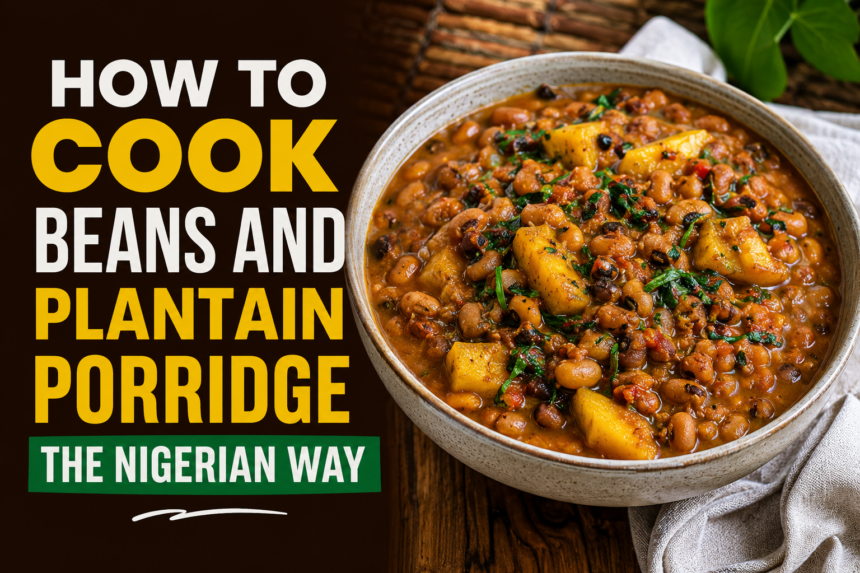
There are some foods that Nigerians will defend with full chest, and beans and plantain porridge is one of them. It costs relatively little to make, and when it is done right, there is not a lot of food in this country that can touch it.
- The Right Beans to Use and Why It Matters
- How to Cook Beans and Plantain Porridge
- Ingredients You Need for Beans and Plantain Porridge
- The Full Step-by-Step Cooking Method
- When to Add the Plantain and How Ripe Is Too Ripe
- How to Get the Consistency Right: Thick vs. Watery
- Extra Ingredients That Take It from Good to Very Good
- What to Serve with Beans and Plantain Porridge
- How to Store Leftovers and Reheat Without Ruining the Taste
- A Pot That Does a Lot with a Little
The thing people underestimate about this meal is how easy it is to get wrong. Too much water and you have soup instead of porridge. Add the plantain too early and it turns to mush. Use the wrong beans and you spend two hours at the stove waiting for something that was never going to be tender. These are not big mistakes, but they are the ones that separate a pot that people will remember from one that just fills the belly. This guide covers everything, from which beans to buy at the market to what to do with the leftovers when the pot gets cold.
What Makes Beans and Plantain Porridge a Nigerian Kitchen Staple
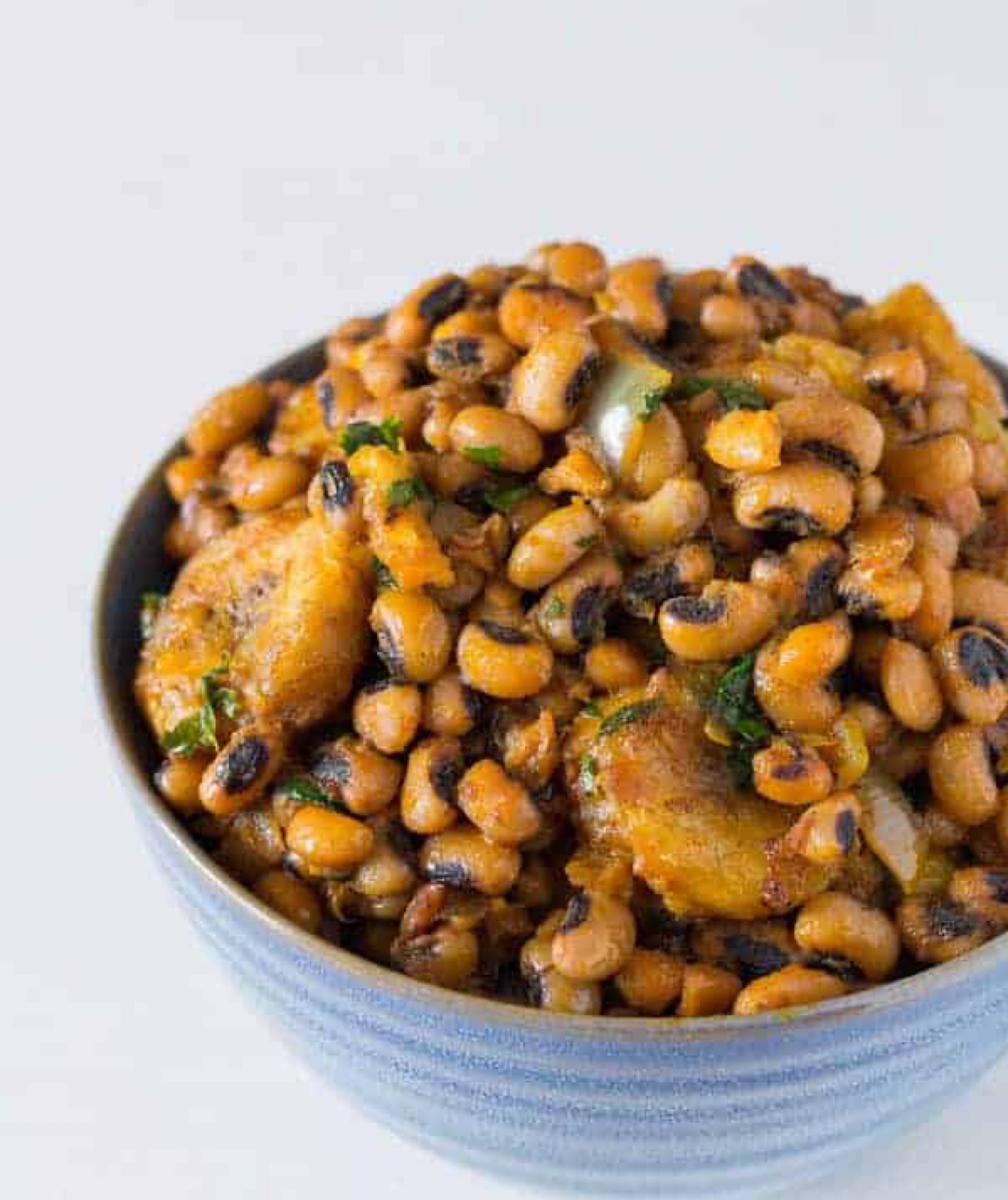

The pairing of beans and plantain is not accidental. In Nigeria, beans has always been the practical protein source, the one that working-class households, students, and large families could afford to eat regularly. Plantain came in as the complement that softened the meal, both literally and in terms of taste. The natural sweetness of ripe plantain cuts through the earthy heaviness of beans in a way that makes the whole thing easier to eat, especially for children who would otherwise refuse a bowl of plain porridge beans.
This is why the dish spread so widely. Beans alone can be filling to the point of discomfort. Beans with ripe plantain becomes balanced. The plantain adds a softness to every spoonful, a little bit of sweetness against the spice of the pepper and the richness of palm oil. It is not a complicated flavor profile, but it is a very satisfying one. Parents figured this out generations ago, and Nigerian households have been making this combination ever since.
Economically, the meal makes sense. A small quantity of beans feeds a lot of people when cooked into porridge. Ripe plantains, which are often the cheapest in the market because they will not last long, bring the price of the meal down further. The key seasonings, palm oil, crayfish, stock cubes, and pepper, are kitchen staples that most Nigerian households already have. The dish is protein-heavy, fibrous, and properly filling, which is why it works as a one-pot meal that requires nothing else on the side unless you want something extra.
The Right Beans to Use and Why It Matters
There are three beans that most Nigerian cooks use for this dish: honey beans (also called ewa oloyin or oloyin beans), Nigerian brown beans, and black-eyed peas. Each one behaves differently in the pot, tastes different, and requires slightly different cooking times. Picking the right one before you start makes a real difference.
Honey beans are the best choice for porridge. The Yoruba name, ewa oloyin, translates to beans with honey, and the name describes the flavor accurately. They have a natural sweetness that complements ripe plantain extremely well, and they tend to cook faster than brown beans or black-eyed peas. When mashed slightly against the side of the pot, honey beans break down into a creamy consistency that gives porridge its thick, cohesive texture. If you have access to them at your local market, this is the one to buy.
Nigerian brown beans are the most widely available variety across the country. They look similar to honey beans, which causes confusion at markets, so if you specifically want honey beans, say so clearly when you buy. Brown beans take slightly longer to cook and have an earthier, less sweet flavor, but they still make a very good porridge. They hold their shape a bit more than honey beans, which some people prefer.
Black-eyed peas are the third option, and they work fine for this dish even though they are not the traditional choice. They take the longest to cook, sometimes well over an hour without soaking, and they do not have the same richness as honey beans or brown beans. If black-eyed peas are what you have, soak them longer before cooking and be patient with the heat. The result will still be good, just not identical to the honey beans version.
How to Cook Beans and Plantain Porridge
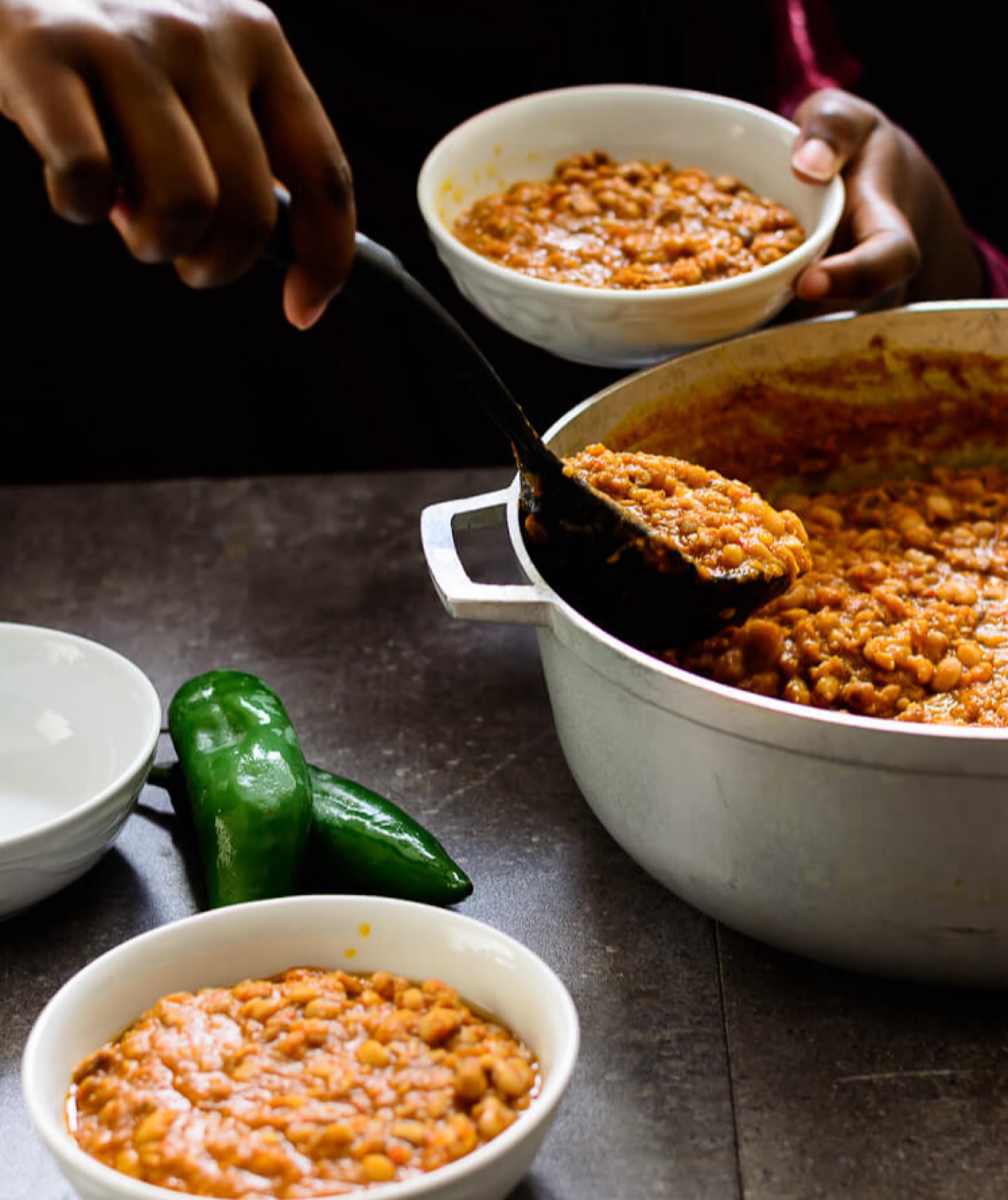
Beans and plantain porridge is one of those Nigerian meals that looks simple but has layers to it. Get the method right and the result is a thick, smoky, satisfying pot of food that works as breakfast, lunch, or dinner. This guide walks through every step, every decision, and every thing that actually makes a difference in how the final dish turns out.
Ingredients You Need for Beans and Plantain Porridge
For a pot that serves four to six people comfortably, gather the following: 3 to 4 cups of honey beans or Nigerian brown beans (picked and rinsed), 2 to 3 ripe plantains (yellow with some black spots, not fully black), 200ml of red palm oil, 1 cup of blended pepper mix (fresh tomatoes, scotch bonnet or tatashe, and onions blended together), 1 medium onion sliced, 2 to 3 stock cubes, ground crayfish to taste, salt to taste, and scent leaves or ugu leaves if you want to add a green layer at the end. Smoked fish or dried stockfish is optional but it adds a depth of flavor that makes a noticeable difference.
The pepper blend is worth paying attention to. Some people blend only scotch bonnet and onion. Others add fresh tomatoes and tatashe to reduce the heat and add a sweeter tomato base. The version with tomatoes gives the porridge a richer, redder color. The version without gives it a sharper, hotter kick. Both are correct. It depends on what you want and how much heat you can handle. For a family pot where children will eat too, go with tomatoes in the blend to soften the pepper.
On the palm oil: 200ml is a guideline. Some people use more, some use less. What matters is that the oil is enough to coat the beans and give the porridge its characteristic richness. Palm oil that is too little leaves the beans tasting flat and dry. Too much and the porridge becomes greasy in a way that is hard to fix once it is already in the pot. If you are unsure, start with a little less than you think you need, taste, and add more if necessary.
The Full Step-by-Step Cooking Method
Start by picking the beans carefully. Go through them by hand and remove any stones, sand, or shriveled beans. This step is not optional. A small stone in a bowl of porridge ruins the entire eating experience. Once picked, rinse the beans well in cold water, swirling to bring any remaining impurities to the surface, and drain.
Parboil the beans first. Place them in a pot with enough water to cover them, bring to a boil, and cook for about 10 to 15 minutes. Pour that water out and rinse the beans again. This step reduces the compounds in beans that cause gas and bloating, which is one of the biggest complaints Nigerians have about eating beans. Skipping parboiling means the meal will still taste the same but it will sit heavier in the stomach. If you have the time, do it. If you are in a rush and cannot, proceed without it, but at least soak the beans in cold water for a minimum of two to three hours before cooking.
After parboiling, return the beans to the pot with fresh water. The water should be about two to three inches above the level of the beans. Cook on medium heat. Honey beans will typically become tender in 40 to 50 minutes at this stage, Nigerian brown beans in 50 to 60 minutes, and black-eyed peas can take up to 70 minutes. Do not drain this water when the beans is tender. The starchy cooking water is part of what thickens the porridge.
Once the beans is soft enough that you can crush a grain between your thumb and finger without much effort, reduce the heat to low. Add the blended pepper mix, the sliced onion, and the crayfish directly into the pot. Stir everything together and cover. Let it cook on low heat for another 10 minutes so the pepper cooks out its raw taste. Now add the palm oil and the stock cubes. Stir well to distribute everything evenly. Taste for salt and adjust.
When to Add the Plantain and How Ripe Is Too Ripe
The plantain goes in after the pepper and oil have been added and the beans is already well cooked. This is where a lot of people make the mistake of adding plantain too early. If the plantain goes in when the beans still has significant cooking time left, it will break down completely and disappear into the porridge. You will taste it but you will not see it. Some people are fine with that. But if you want distinct pieces of soft plantain sitting in the beans, add them when the beans is already fully tender and you have only about 15 minutes of cooking left.
For this dish, the right plantain is yellow with patches of black on the skin. That level of ripeness means the plantain is sweet and soft enough to cook quickly without needing long heat. A plantain that is still mostly yellow with no black is too firm. It will take too long to cook through in the porridge and the sweetness will not be developed. A plantain that is entirely black all over is overripe. It will dissolve completely into the pot and make the entire porridge very sweet, which can be nice but changes the character of the dish.
Peel the plantain and cut into chunks. Thickness is a personal choice. Thicker pieces stay more intact and give you something to bite into. Thinner slices cook faster and integrate more into the beans. Add the pieces directly into the pot, stir gently to submerge them in the porridge, and cover. Cook for another 10 to 15 minutes on low heat until the plantain is soft when pressed with a fork.
How to Get the Consistency Right: Thick vs. Watery
Nigerian beans and plantain porridge can legitimately be either thick or watery depending on preference, and neither version is wrong. But getting to the consistency you actually want requires managing the water from the beginning, not trying to fix it at the end.
If you want a thick porridge, the kind where the beans almost mashes together and the liquid is minimal, use less water throughout the cooking process and cook with the lid slightly ajar for part of the time to let steam escape. You can also press some of the beans against the side of the pot with a wooden spoon, which breaks them down and thickens the sauce naturally without needing to add any starch or flour.
If you want a wetter, soupier porridge, which is how many people in Lagos prefer it, simply keep more water in the pot. Add water in small amounts if the pot runs dry during cooking rather than adding a large quantity at once, which can dilute the seasoning quickly. The wetter version is better for soaking garri or eating with bread, because the liquid does that job of softening whatever you dip into it.
One thing to avoid is adding water right at the end of cooking. By the time the dish is done, the water should already be at the level you want it. Adding water at the last minute means it has not had time to cook down into the porridge, so the flavor will be uneven. If the porridge is thicker than you intended, add a small amount of boiling water and stir well, then give it five more minutes on the heat before you take it off.
Extra Ingredients That Take It from Good to Very Good
The basic recipe works, but there are a few additions that Nigerians have been using for a long time to push the flavor up. Smoked fish is probably the most common. It adds a deep, smoky undertone to the porridge that you cannot replicate with any seasoning cube. Titus fish, eja nla, or stockfish all work. If you are using smoked fish, debone it before adding it to the pot and add it at the same stage as the crayfish so it has time to break down and flavor the broth.
Scent leaves, called efinrin in Yoruba, are another addition that transforms the smell and taste of the final dish. They go in right at the very end, after you have turned off the heat, so the residual heat wilts them without destroying their volatile oils. Even a small handful makes a difference. Ugu (fluted pumpkin leaves) can also be added the same way, and they bring a slight bitterness that works well against the sweetness of the plantain and the richness of palm oil.
Some cooks add a piece of biscuit bone or assorted meat to the pot when cooking the beans. The bone marrow dissolves into the cooking water and adds a roundness to the flavor that is hard to describe but easy to notice. If you keep any cooked meat or chicken from other cooking, you can add pieces of that to the beans at the pepper stage. The protein does not change the porridge dramatically but it makes the meal more complete and more filling.
What to Serve with Beans and Plantain Porridge
The plantain is already in the pot, so in one sense the dish is complete on its own. But there are a few things Nigerians traditionally serve alongside it that are worth knowing about. Agege bread is probably the most popular pairing, especially in Lagos. You tear the soft bread and use it to scoop up the porridge, and the combination works in the same way beans and bread has always worked in this country. Garri is another classic. You drink the cold water garri on the side or you soak it in the beans broth itself and eat it together.
Ogi, the fermented corn porridge, is a traditional pairing that is less common in cities now but still eaten that way in many southern Nigerian households. The fermented tang of ogi against the richness of beans creates a contrast that is an acquired taste but one people who grew up with it will tell you is unmatched. For children especially, this combination is often the one that introduces them to beans at all.
If you want to add fried plantain on the side as well, which some people do even when plantain is already in the porridge, fry slices of ripe plantain separately in shallow oil until they are golden on both sides and caramelized at the edges. Place them on top of the served bowl. The fried version gives a completely different texture and flavor compared to the soft plantain cooked inside the pot, and the contrast between the two is genuinely worth doing at least once.
How to Store Leftovers and Reheat Without Ruining the Taste
Beans porridge stores well and in many cases tastes better the next day after the flavors have had time to settle. Let the pot cool completely before you store it. Do not put a hot pot of beans directly into the refrigerator, because the condensation can dilute the flavor and the beans will not cool evenly. Once cooled, transfer to an airtight container and refrigerate. It will keep comfortably for up to five days. For longer storage, portion it into smaller containers and freeze. Frozen beans porridge can keep for up to three months and defrosts without losing much quality.
When reheating, do not use high heat. Beans scorches quickly, especially a thick porridge with palm oil in it. Put the portion you want to eat into a pot with a small splash of water, stir to loosen it, and heat on low until it is fully warmed through. Stir every minute or two so the bottom does not catch. If the porridge was stored without the plantain (sometimes people cook the beans separately and add plantain fresh each time), you can add a fresh piece of cooked or fried plantain when serving rather than reheating the stored plantain, which can get too mushy on second heat.
A Pot That Does a Lot with a Little
The reason beans and plantain porridge has endured this long in Nigerian kitchens is not nostalgia. It is economics, nutrition, and the simple fact that when it is cooked well, it is a genuinely good meal. The beans carries protein. The plantain adds carbohydrates, sweetness, and a softness that makes every spoonful satisfying. The palm oil and crayfish and pepper bring the umami and the heat that Nigerian cooking is built on. Nothing in this dish is expensive. Nothing in this dish is complicated. What it requires is attention: the right beans, the right ripeness of plantain, and enough patience to let the cooking go at the pace the pot demands.
For Nigerians who grew up eating this dish, the taste of a properly made pot of beans and plantain porridge is one of the most recognizable flavors there is. For those who have not made it before, it is one of the more forgiving Nigerian recipes to start with. The margin for error is small when you understand the method, and that method is exactly what has been laid out here.