
The ready-to-wear market in Nigeria is not just growing, it is changing who gets to build a fashion business. You do not need a physical store on Awolowo Road or an atelier in Victoria Island anymore. Some of the most visible fashion brands on Nigerian Instagram started from a spare room, a few rolls of fabric from Oshodi, and one reliable tailor. The business model is more accessible than it has ever been. But accessible does not mean simple. There are things that work and things that quietly destroy new brands before they get traction, and knowing the difference matters a lot more than people give it credit for.
- Why Ready-to-Wear Has an Edge Over Bespoke in Nigeria Right Now
- Picking a Niche That Actually Sells in the Nigerian Market
- How Much You Need to Start a Ready-to-Wear Fashion Business in Nigeria
- Sourcing Your Fabrics and Production in Nigeria
- Registering Your Ready-to-Wear Business the Right Way
- Pricing Your Pieces So You Actually Make Money
- Selling Your Clothes in 2026: Online, Offline, and the Hybrid That Works
- The Mistakes That Kill New Nigerian Fashion Brands Early
- What It Really Takes to Build This Business
Nigeria’s fashion e-commerce market generated $544 million in 2025, with growth of 10 to 15 percent projected into 2026. The total apparel market volume is expected to reach 2.2 billion pieces by 2029. Those numbers matter because they tell you something real: there is a large, active, spending market here. The question is whether you can carve out your own consistent piece of it.
Ready-to-Wear Fashion Business Nigeria
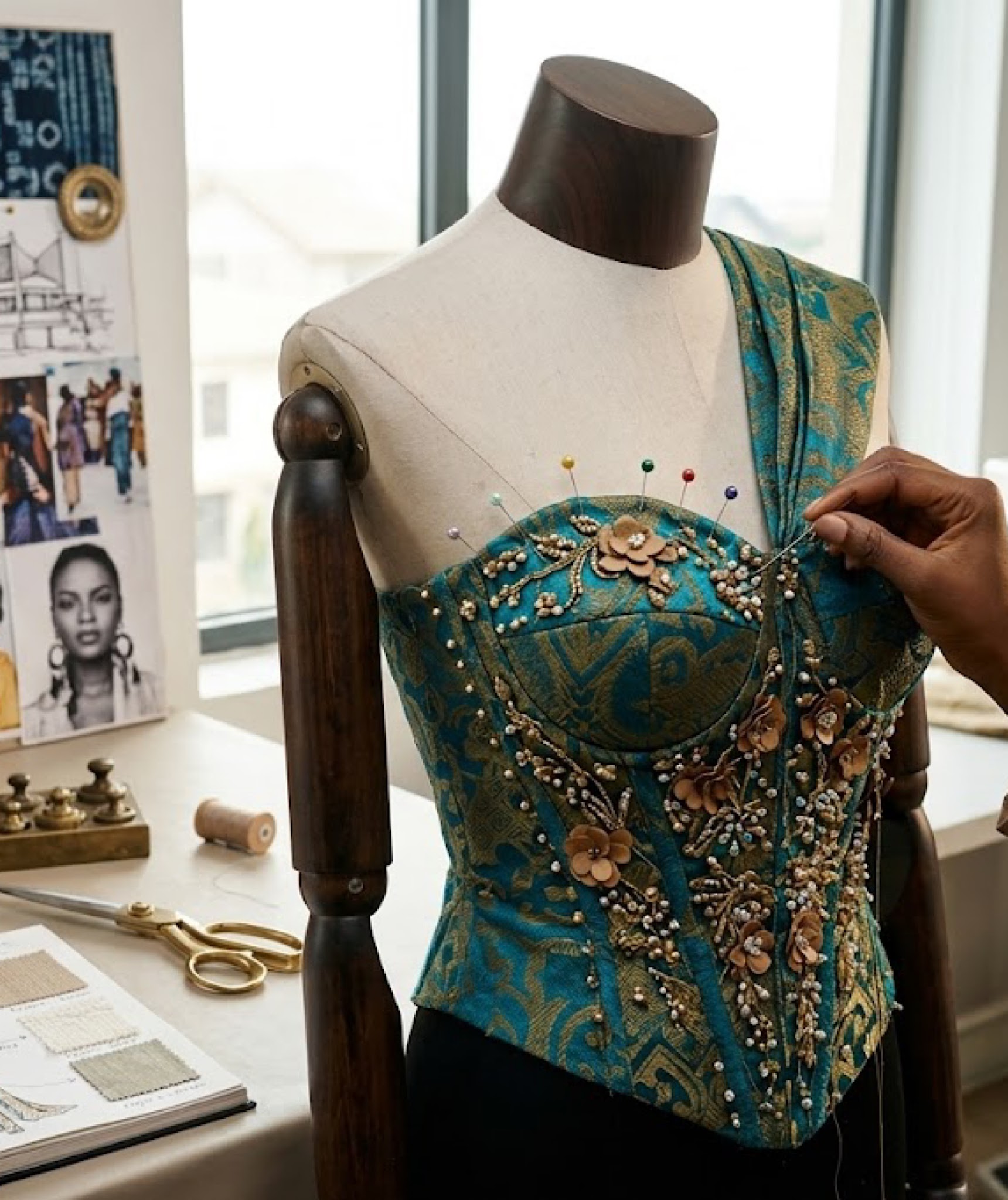

Starting a ready-to-wear fashion business in Nigeria in 2026 is not the same thing as starting one five years ago. Fabric prices have gone up sharply, customer expectations on Instagram are higher than ever, and the delivery problem that used to kill brands has become easier to solve with logistics platforms that actually work. This guide goes through what it takes to build something that lasts, from choosing the right niche to pricing your pieces correctly, registering your business, and finding your first customers without burning through your startup capital.
Why Ready-to-Wear Has an Edge Over Bespoke in Nigeria Right Now
Bespoke tailoring has been the dominant model in Nigerian fashion for a very long time. You pick your fabric, go to the tailor, take measurements, wait two to six weeks, and hope for the best. It works, but the frustration with it is real and widespread. Missed deadlines, outfits that do not match the reference photo, fabrics that get cut wrong, and the general exhaustion of chasing a tailor who is juggling fifteen other customers at the same time. That frustration has been quietly building demand for ready-to-wear.
Ready-to-wear addresses that frustration directly. The customer sees the finished product before they pay. They know exactly what they are getting. For a Nigerian consumer who has been disappointed by a tailor one too many times, being able to buy something that already looks the way it is supposed to look is genuinely appealing. That is a real psychological shift, and it is driving customer behaviour in a direction that benefits RTW brands.
From the business side, ready-to-wear also scales better. A bespoke tailor can only handle as many clients as she can personally take measurements for. An RTW brand produces a batch of twenty co-ord sets, photographs them properly, puts them up on Instagram, and can sell all twenty in a day if the demand is there. The unit economics are different too. When you are making multiples of the same piece, fabric cost per unit goes down, your tailor gets faster at each cut, and your packaging becomes cheaper to source in bulk. The margin per piece tends to be tighter than bespoke, but the volume potential is much higher.
The rise of social commerce in Nigeria has also made ready-to-wear the smarter play for new entrants. Instagram and TikTok are visual platforms that reward brands that can show a finished product clearly and beautifully. A flat-lay photo of a well-made Ankara jumpsuit performs better than a photo of raw fabric swatches. RTW brands can content-market their way to sales in a way that bespoke businesses genuinely cannot.
Picking a Niche That Actually Sells in the Nigerian Market
The biggest mistake new fashion entrepreneurs make is trying to sell everything. Owambe outfits, corporate wear, streetwear, kids’ clothes, all at once. It looks like range to the owner. It looks like confusion to the customer. The Nigerian fashion market is large enough that being specific about what you sell is not a limitation. It is actually how you build a recognisable brand faster.
Think about how Nigerians actually shop for clothes. There is a clear difference between how someone shops for a wedding Aso Ebi, how they shop for office wear, how they shop for something to wear to a friend’s birthday brunch, and how they dress their toddler. Each of those is a separate shopping behaviour with different price sensitivity, different urgency, and different channels. A brand that tries to capture all of them ends up speaking to none of them clearly.
The niches that consistently move in Nigeria’s ready-to-wear market are corporate and office wear for women, casual and streetwear for younger buyers, traditional-inspired pieces like Ankara sets and co-ords, modest wear, and children’s clothing. Children’s clothing is particularly interesting because Nigerian parents spend consistently on their kids across all income levels, the repeat purchase rate is high since kids outgrow things quickly, and the competition in well-branded RTW kids’ fashion is still relatively thin compared to adult wear.
When settling on a niche, three things need to align: people are actively buying it, you can source the materials reliably, and the margin makes business sense. A niche that scores two out of three will struggle. If you pick luxury Aso Ebi co-ords but cannot reliably source premium lace fabric in the quantities you need, the business will always be inconsistent. If you pick streetwear but the production cost keeps your selling price above what that market segment will pay, you have a pricing problem that no amount of branding fixes.
Start narrow. Own one thing first. Expansion is easier once the first niche is working. Brands that try to widen their range before the core business is solid tend to just spread their capital thinner without actually growing revenue.
How Much You Need to Start a Ready-to-Wear Fashion Business in Nigeria
The honest answer is that it depends heavily on your production model. Someone who is producing at home with one tailor and selling small batches through WhatsApp can start a ready-to-wear fashion business in Nigeria for between N50,000 and N150,000. Someone who wants to launch with a full collection of ten styles, professional photography, branded packaging, and a proper Instagram presence before the first sale needs closer to N500,000 to N800,000 to do it properly. Both are valid. What kills brands is starting with the budget of the first model but the expectations of the second.
Break the startup cost into categories. Fabric is the biggest line item. A single Ankara print in six yards typically costs between N7,500 and N20,000 at Oshodi market depending on the grade, with medium-grade fabric running from around N3,600 for six yards at entry level. If you are making twenty pieces of a single style and each piece requires six yards, you are looking at fabric alone of between N72,000 and N400,000 depending on quality. Premium fabric wholesale suppliers like Wellborn Fabrics in Lagos price their collections at N12,500 to N30,000 per six-to-twelve yards depending on type and design.
Production cost is the second major line. Sewing labour in Nigeria varies based on the complexity of the style and the tailor’s skill. Simple boubou-style pieces can cost as little as N3,000 to N5,000 to sew per unit. More structured pieces with lining, zippers, and finishing details run N8,000 to N15,000 per unit with a mid-level tailor. If you are outsourcing to an Aba-based production workshop, you can bring per-unit sewing cost down significantly, though you add logistics cost and lose some quality control if you are not on site.
Branding and packaging is where many first-time RTW owners either overspend or completely skip it, and both choices hurt them. You do not need luxury boxes on day one. But you do need branded poly bags or paper bags, simple hang tags with your brand name, and ideally a consistent visual identity. A decent branding package, logo, label design, and basic packaging for an initial batch runs between N20,000 and N80,000 depending on who you use. Photography is not optional if you are selling online. Renting a studio for a half-day and paying a photographer with a decent camera and natural light setup costs between N20,000 and N60,000 in Lagos.
Set aside a marketing budget from the beginning. This is the line item that new fashion brand owners most consistently forget to account for. You will need money for Instagram ads or influencer fees, even small ones, to get your first wave of customers. A reasonable initial digital marketing budget is N30,000 to N80,000. Add CAC business registration (covered in a later section), and your realistic all-in startup budget for a small-scale but properly set up ready-to-wear brand is N250,000 to N600,000.
Sourcing Your Fabrics and Production in Nigeria
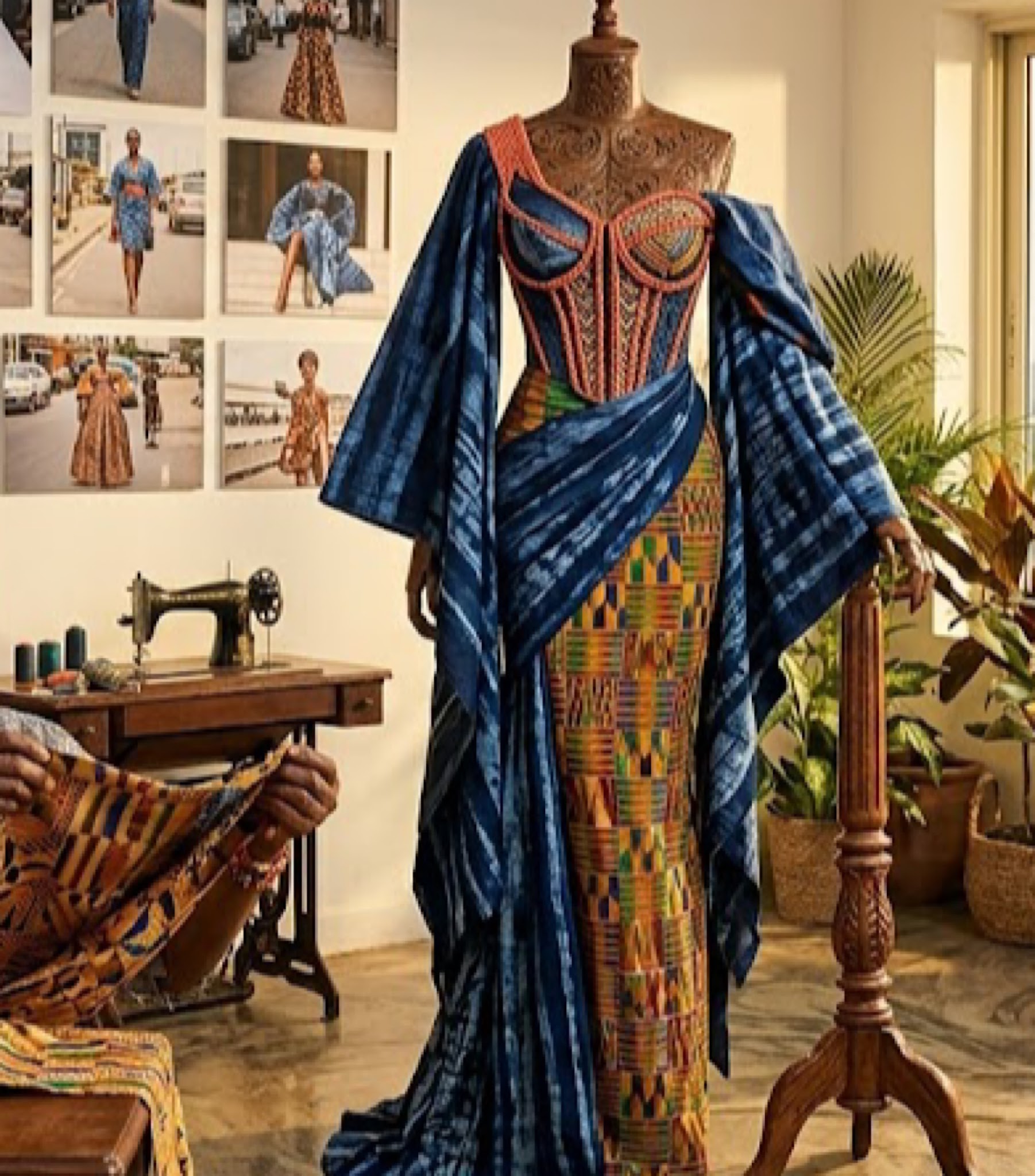

Where you buy your fabric and who sews your clothes determines so much of your eventual success, and yet it is the part of the business that many founders figure out last. Lagos has three main fabric market options worth knowing seriously: Balogun Market on Lagos Island, Oshodi Market in Ikeja, and Trade Fair Complex in Ojo. Each has a different character.
Balogun Market is where the volume lives. It is the biggest textile market in Lagos and probably the busiest commercial street in the country. You will find everything there, from ultra-cheap kampala prints to premium Hollantex and Vlisco. The prices are negotiable and competitive. The challenge is the environment: it is crowded, disorganised, and if you are new to market runs, you can spend three hours getting from one end to the other without finishing your shopping list. Go early, go with a clear list, and go with someone who knows the market.
Oshodi Market is slightly more manageable and has become increasingly popular for fabric sourcing, especially for Ankara. Medium-grade Ankara fabric in Oshodi runs from roughly N3,600 for six yards at the lower end. The market has both importers and resellers, so prices vary within the same block. Aswani Market, which operates at full scale on Tuesdays only, is known for competitive wholesale pricing and is worth the Tuesday trip if your production schedule allows planning around it.
For fashion brands that want supplier reliability without the market stress, online fabric wholesalers like Wellborn Fabrics operate WhatsApp-based order systems and deliver to most Lagos addresses. Their Ankara pieces are catalogued online and restocked regularly, which is useful when you need to reorder a specific design for a second batch. The per-unit cost is slightly higher than the market, but the time savings and consistency can be worth it depending on your volume.
On the production side, your choices are sewing in-house with your own tailor or machine, outsourcing to a local Lagos tailor or workshop, or sending to Aba. In-house production gives you the most quality control but requires capital investment in a sewing machine and a reliable tailor on salary or per-piece fee. A decent industrial sewing machine in Nigeria currently costs between N120,000 and N350,000 depending on brand and whether it is brand-new or Tokunbo. Outsourcing locally to a trusted tailor keeps your fixed costs low but makes your production dependent on someone else’s schedule. The Aba route works well for brands that have figured out their designs and need volume at lower per-unit cost, but quality varies and requires you to vet your workshop carefully before committing to a batch.
Registering Your Ready-to-Wear Business the Right Way
A lot of Nigerian fashion brand owners skip registration at the beginning and plan to do it later. That is understandable when you are starting small and capital is tight. But skipping registration has costs that compound over time: you cannot open a business bank account properly, you cannot apply for grants or government support programmes, suppliers and wholesale partners treat you differently, and running Instagram ads under some payment gateways becomes harder without a registered entity behind the account.
The Corporate Affairs Commission processes business name registrations online through its digital portal, and the process has genuinely improved. A business name registration, which is the appropriate structure for most sole proprietors starting a fashion brand, costs approximately N10,500 in government fees at the CAC statutory rate plus a N1,000 name reservation fee. If you use a verified accredited CAC agent to handle the filing for you, the all-in cost realistically lands between N15,000 and N35,000. Digital certificates are now issued within 24 to 72 hours in most cases. The CAC-SMEDAN partnership that ran in September 2025 registered 250,000 micro and small enterprises for free. There is no confirmed date for the next free registration cycle, but it is worth monitoring the SMEDAN portal for announcements.
One thing that is commonly confused is the difference between CAC registration and trademark protection. Registering a business name with the CAC gives your brand legal existence in Nigeria. It does not protect your brand name from being used by someone else who registers it as a trademark with the Nigerian Intellectual Property Office. For a fashion brand, your name is a material asset. If you build equity in a brand name for two years and someone registers it as a trademark first, you lose the name even if your CAC certificate predates their trademark. Trademark registration for a word mark in Nigeria currently costs between N150,000 and N350,000 all-in depending on the number of classes you file under and the agent you use. It is not urgent for day one, but it should be on your planning horizon once revenue is consistent.
For tax purposes, your Tax Identification Number is now generated automatically upon successful CAC registration. You do not need a separate FIRS visit for the TIN. What you will need to plan for are annual returns obligations to the CAC after registration. Missing annual returns filings attracts penalties that can add up quickly and become harder to resolve than they would have been to prevent.
Pricing Your Pieces So You Actually Make Money
Pricing is where more Nigerian fashion brands make fatal errors than anywhere else. Two mistakes dominate. The first is underpricing because the owner wants to appear affordable or is afraid the market will not accept a higher number. The second is pricing without accounting for all the real costs, so the business looks like it is making money on paper while it is actually bleeding cash each month.
Start from a full cost calculation. For a single piece, add the fabric cost, the production/sewing cost, the trim cost (zippers, thread, lining, elastic), the packaging cost, and a portion of your overhead (marketing spend, data, transport to market). That total is your true cost of goods. If a co-ord set costs you N8,500 all-in to produce and package, your selling price needs to be at least 2x to 2.5x that cost at minimum to generate a sustainable margin. That puts the minimum retail price at N17,000 to N21,000. Pricing it at N12,000 because you want to attract customers is not a business strategy. It is a slow liquidation of your own capital.
The Nigerian fashion market is more price-elastic than many new brand owners assume. Customers do not always choose the cheapest option. They choose the one that looks worth the price. That means photography, packaging, and the consistency of your brand presentation matter for pricing power. A piece in clear, well-lit, professional photography with branded packaging on a model who is styled properly commands more money than the same piece photographed on a hanger against a wall. That difference in presentation can realistically justify a N5,000 to N8,000 premium on the same product.
Inflation in tailoring materials has been a real pressure point. Dull face and taffeta lining prices increased by over 50 percent compared to prior years, and thread packs that used to sell for N500 now sell for N800 to N1,000. Those input cost increases have to flow into your pricing. If you lock your retail price based on what fabric cost a year ago and materials costs have gone up 30 to 50 percent since then, you are absorbing a loss on every piece. Review your cost sheet every time you start a new production batch and adjust your retail price accordingly.
Selling Your Clothes in 2026: Online, Offline, and the Hybrid That Works
Instagram is where Nigerian fashion brands live and die. There is no way around it. The platform remains the primary marketplace for ready-to-wear fashion brands that do not have a physical store, and even brands that do have physical stores use Instagram as their main customer acquisition channel. Your Instagram presence is not supplementary to your business. For most new RTW brands, it is the business.
What actually works on Instagram for fashion in 2026 has shifted. Static posts alone do not build the kind of audience that converts. Reels showing the production process, styling content that gives the customer ideas on how to wear the pieces, behind-the-scenes of market runs and fabric sourcing, and content that shows a real person behind the brand get significantly more reach and engagement than product photographs alone. Consistency matters more than perfection. A brand that posts five times a week with decent photos and genuine content builds faster than one that posts once a month with perfect studio shots.
WhatsApp remains the closing channel where most Nigerian fashion sales actually complete. Instagram generates awareness. WhatsApp is where the customer sends a DM to ask about sizes, where payment is confirmed, and where the delivery address is shared. Having a structured WhatsApp Business account with a proper catalogue, saved replies, and a clear payment process makes the customer experience significantly smoother and reduces the back-and-forth that loses impatient buyers.
TikTok is an underutilised channel for Nigerian fashion brands. The platform’s algorithm gives new accounts genuine organic reach in a way that Instagram no longer does. A single TikTok video of a fabric market run or a transformation video showing a piece being sewn can reach thousands of potential customers who have never heard of your brand. It requires different content than Instagram but the audience discovery potential is real and worth investing time in.
For brands that are ready to add an offline channel, pop-up markets have become a genuine customer acquisition strategy in Lagos. Events like Sabi Market, Alara Xchange, and various mall pop-up activations give small brands physical access to buyers who convert better in person than online, especially for higher price point pieces. Selling at a pop-up once a quarter and using it to collect WhatsApp contacts and build brand recognition alongside online sales is a sustainable hybrid approach that many established Lagos RTW brands now use.
Logistics is the part of the selling process that damages brand reputation faster than almost anything else. A late delivery or a package that arrives damaged does more customer relations damage than ten bad photos. In Lagos, GIGL (God Is Good Logistics) and Gokada are reliable options for same-day and next-day delivery. For interstate deliveries, GIG Logistics has an established network. Build your delivery cost into the transaction clearly at the point of sale, either absorb it into the price or charge it separately, but do not leave the customer guessing. A clear exchange and size issue policy communicated before the sale also reduces the post-delivery headaches that drain time and strain customer relationships.
The Mistakes That Kill New Nigerian Fashion Brands Early
Overproduction at launch is probably the most common. Someone makes fifty pieces of one style for their launch day because they want to look serious and stocked. The demand does not match the inventory. Now they have capital tied up in unsold stock, they are discounting to move it, and they have less money for the next production batch. The better approach is to launch with a small, tight batch, ten to fifteen pieces of two or three styles, sell through it, understand what moved and what did not, and use that information to inform the next batch. Validation before volume is a better business philosophy than volume as a proof of commitment.
Underestimating photography costs or skipping it entirely. Nigerian buyers on Instagram can tell the difference between a product that has been presented with care and one that has not. A badly photographed piece does not just fail to sell. It can actively damage the brand’s perception even among people who would have been potential customers. Photography is not vanity spending. It is a production cost that belongs in your initial budget.
Ignoring the numbers. Many fashion entrepreneurs run their business entirely on feel and cash flow without ever knowing their actual margins. They know what they spent on fabric and what they sold the piece for, but they are not accounting for their own time, the transport cost to the market and back, the data cost to run their Instagram account, the packaging, or the returns. When you build a proper cost sheet and review it honestly, you often discover that pieces you thought were profitable are barely breaking even. That realisation is uncomfortable but necessary. You cannot manage a business you are not measuring.
Copying another brand’s niche too closely. Lagos has seen this cycle many times. A brand does well with a specific aesthetic, and within months there are five other brands making almost identical pieces at similar price points. Differentiation does not have to be dramatic, but it has to exist. Whether it is a signature print, a distinctive cut detail, the way you style and present your pieces, or the specific customer you speak to in your content, your brand needs something that makes a customer choose you over the brand she was already following. Copying is not a strategy. It is a race to the bottom that the original brand almost always wins because they got there first.
What It Really Takes to Build This Business
The Nigerian ready-to-wear fashion market has real money moving through it. The $544 million in fashion e-commerce in 2025, the monthly N49 million flowing through the digital fashion category alone in early 2026, the growing appetite for well-branded local RTW, all of this points to a market that has demand. But demand without a properly structured business does not automatically become revenue for you.
What separates the brands that get traction from the ones that stall after three months is discipline in the fundamentals. A clear niche that is actually bought, a cost structure that is honestly tracked, sourcing relationships that are reliable, a digital presence that is consistent, and pricing that reflects real cost, not wishful thinking. None of those things require huge capital. They require clear thinking and consistent execution.
Nigeria’s fashion industry rewards people who understand the customer deeply, who can read what is selling and adapt quickly, and who treat the business side of fashion with the same seriousness they bring to the creative side. Those two things, creativity and business rigour, have to exist together. One without the other builds a brand that either looks beautiful and loses money, or makes money on a few pieces without ever building something that lasts. The founders who figure out how to hold both are the ones worth watching.