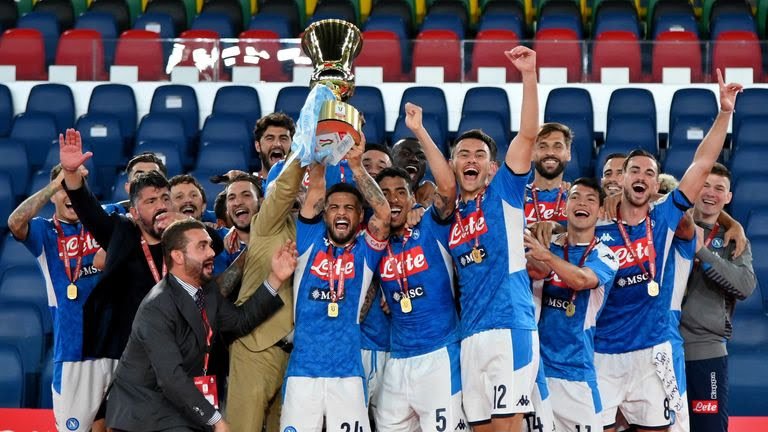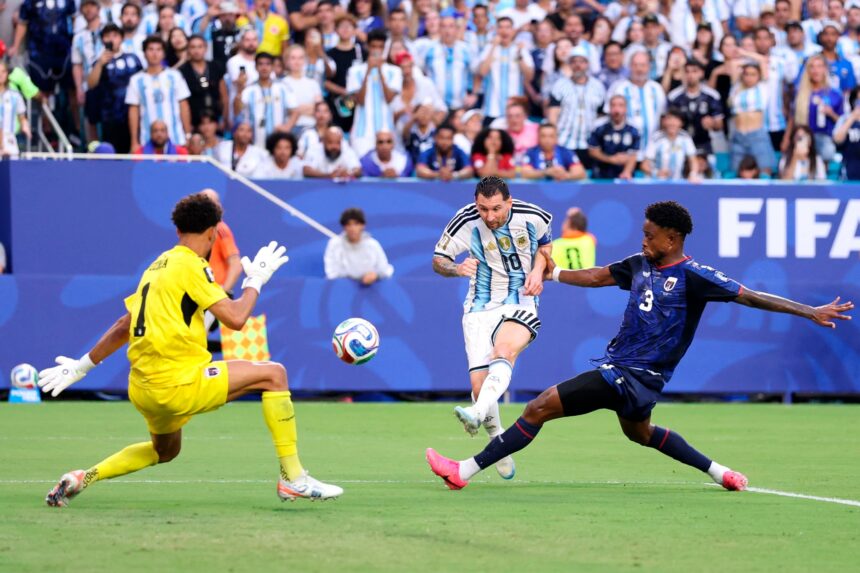
Argentina are through to the round of 16 at the 2026 FIFA World Cup, but nobody in Miami on Friday night got there easily. The defending champions needed extra time and a fortunate own goal to see off Cape Verde 3-2, in a round-of-32 tie that will be remembered long after this tournament ends.
For over two hours, the tiny island nation of roughly half a million people gave the world’s number one ranked team every reason to sweat. Cape Verde, playing in their first ever World Cup, were seconds away from forcing penalties against the side many still expect to lift the trophy in New Jersey next week.

How it unfolded
Lionel Messi did what Lionel Messi does. He put Argentina ahead in the first half, his seventh goal of the tournament and, more remarkably, the eighth consecutive World Cup match in which the captain has scored. That is a record no other player has come close to touching.
Cape Verde did not fold. In the 59th minute, Deroy Duarte turned home a pass from Ryan Mendes for his first international goal, silencing a stadium that had expected a routine afternoon for the Albiceleste. It was the goal that turned a friendly-looking group-stage mismatch into genuine knockout football.
Argentina responded early in extra time. Lisandro Martinez found the net from a corner just two minutes into the additional period, and for a moment it looked like the champions had done enough to settle things.
Then came the goal Cape Verde will be replaying for generations. Sidny Lopes Cabral picked up the ball on the edge of the box and curled a shot into the far corner that goalkeeper Emiliano Martinez had no chance of reaching. It is the kind of strike that gets called the greatest goal in a country’s football history, and for the Blue Sharks, it might be exactly that.
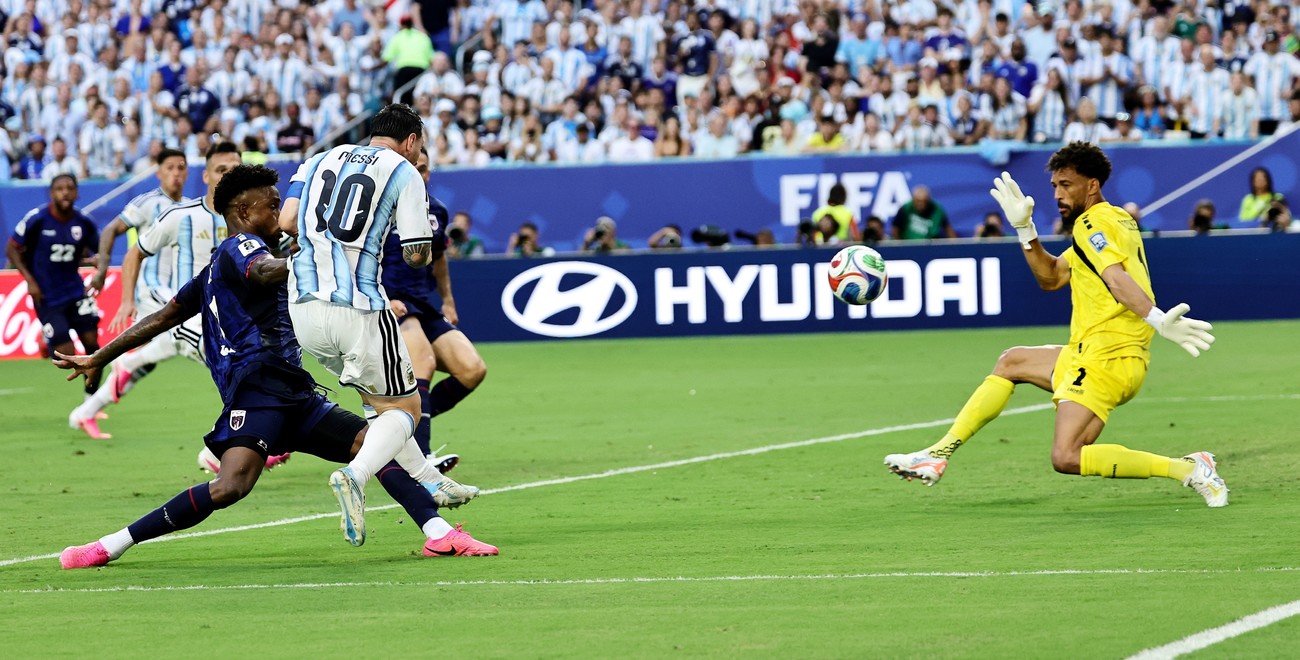
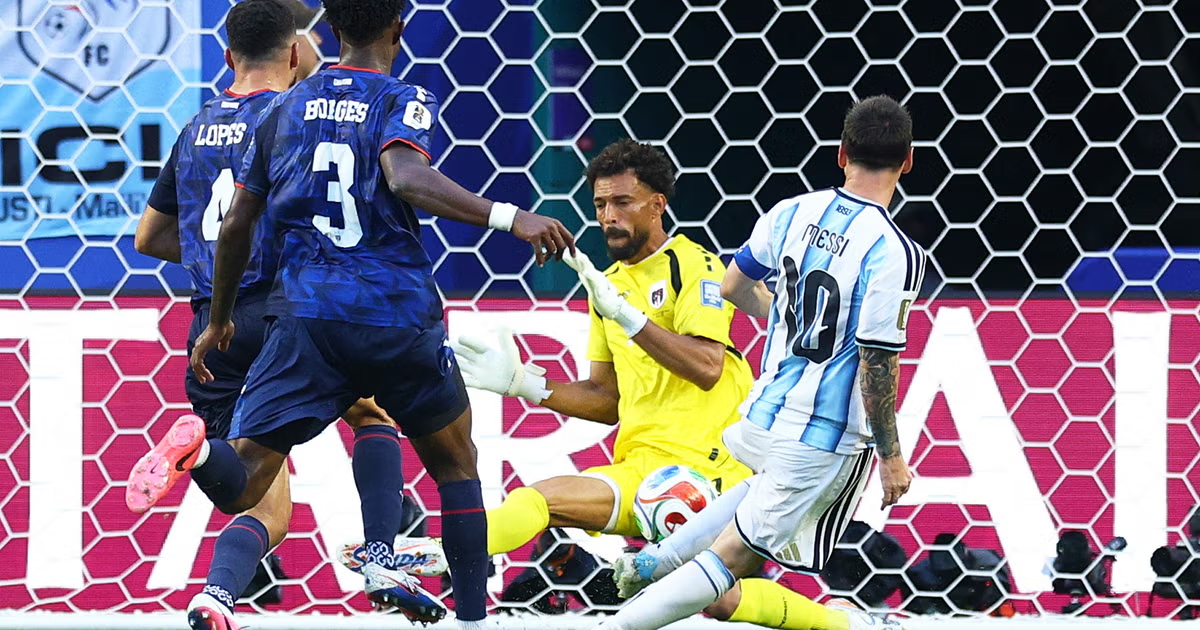
With the score locked at 2-2 and penalties looming, it was a moment of misfortune rather than magic that decided things. Argentina worked the ball into the box late in extra time, Messi’s header was steered goalward by Facundo Romero, and a deflection off Cape Verde defender Diney Borges sent the ball past Vozinha and into the net. Own goal, 3-2, and the party that had been building around Cape Verde’s underdog run was, for now, put on hold.

A goalkeeper who became a global story
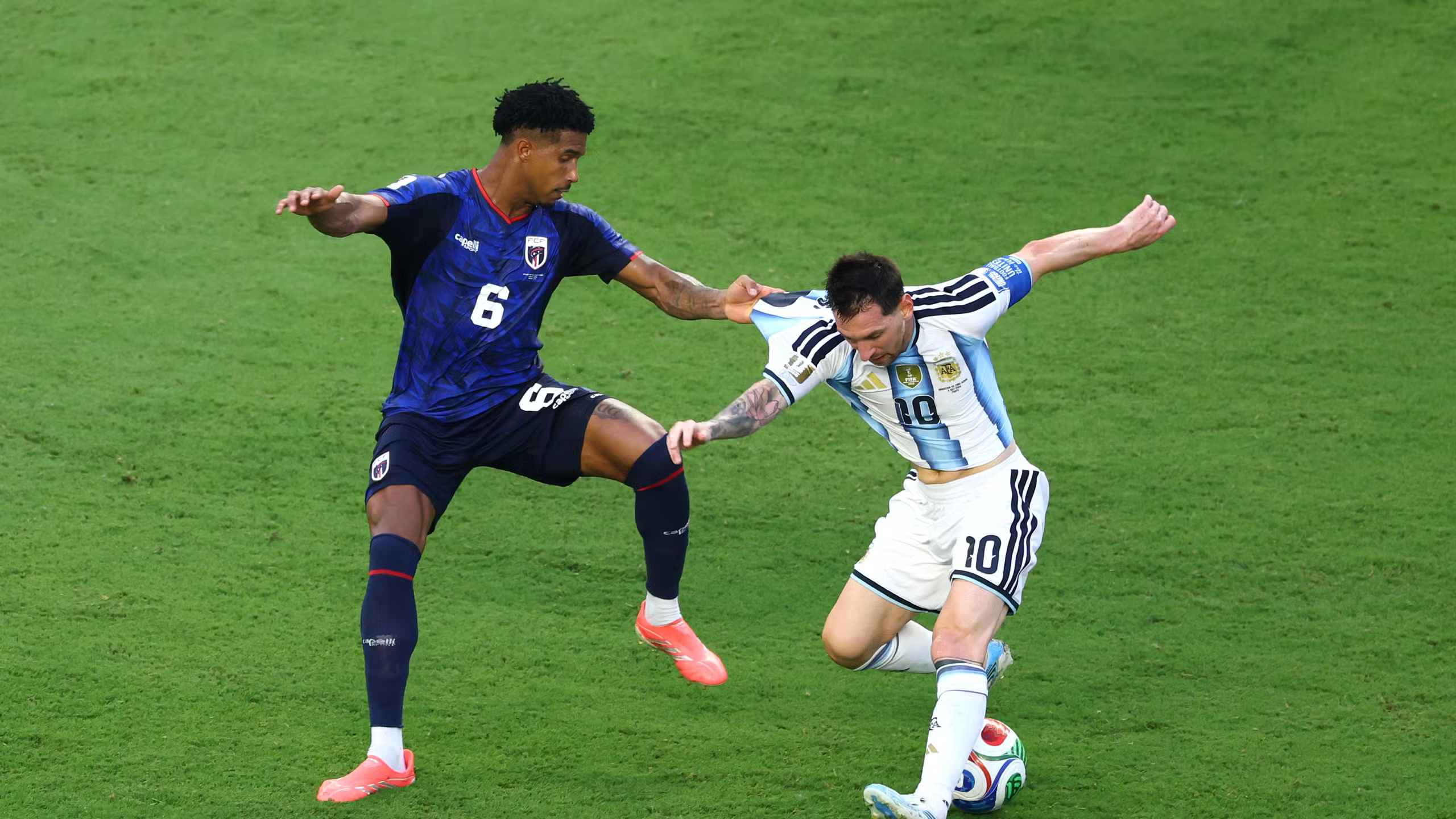
If there is one player who leaves this tournament with his reputation transformed, it is Vozinha. The 40-year-old shot-stopper made eight saves against Argentina alone, adding to a run that already included a clean sheet against Spain in the group stage. He denied Messi from a well-struck free kick late in normal time with a scramble across his goal that will end up on World Cup highlight reels regardless of how far Cape Verde went.
Cape Verde arrived in the United States as 67th-ranked outsiders drawn into a group with Spain and Uruguay, two former world champions. They left the group stage unbeaten, and they left the knockout rounds having pushed the eventual champions harder than anyone expected. Their coach spoke before the match about believing his side could win it. Watching how close they came, that belief looks a lot less naive in hindsight.
What the numbers say
The expected goals tell their own story about how strange this match was. Argentina generated 2.16 xG to Cape Verde’s 0.45, a gap that on paper should have produced a comfortable win. Instead, it took extra time and a deflection to get the champions over the line. Football does not always follow the model, and Friday night was proof of that.
Argentina have not been pushed this close in a World Cup knockout match since the 2022 final against France, when they also needed extra time and, eventually, penalties to win the trophy. That comparison alone tells you how seriously this Cape Verde side should be taken, even in defeat.

Where both teams go from here
Argentina now move on to face Egypt, who beat Australia on penalties earlier in the round, in the last 16. Mohamed Salah’s side will be a different kind of test, and after Friday’s near-miss, few will be writing off Argentina’s next opponent so quickly. Messi, now level with Kylian Mbappe as the tournament’s joint-top scorer with seven goals, will be central to whatever comes next for the Albiceleste, who are chasing a fourth World Cup title and their second in a row.
For Cape Verde, the World Cup ends here, but their run through this tournament changes what the country’s football is associated with. A nation of just over half a million people reached the knockout stage on debut, went unbeaten through the group phase against two former champions, and came within a matter of seconds of eliminating the defending champions. Few underdog stories in the tournament’s history will top it.
Argentina’s players and staff were reportedly relieved rather than celebratory in the immediate aftermath, aware of how close the result had come to going the other way. There is a tougher road still ahead, but for one night in Miami, it was Cape Verde’s name being chanted louder than Messi’s.