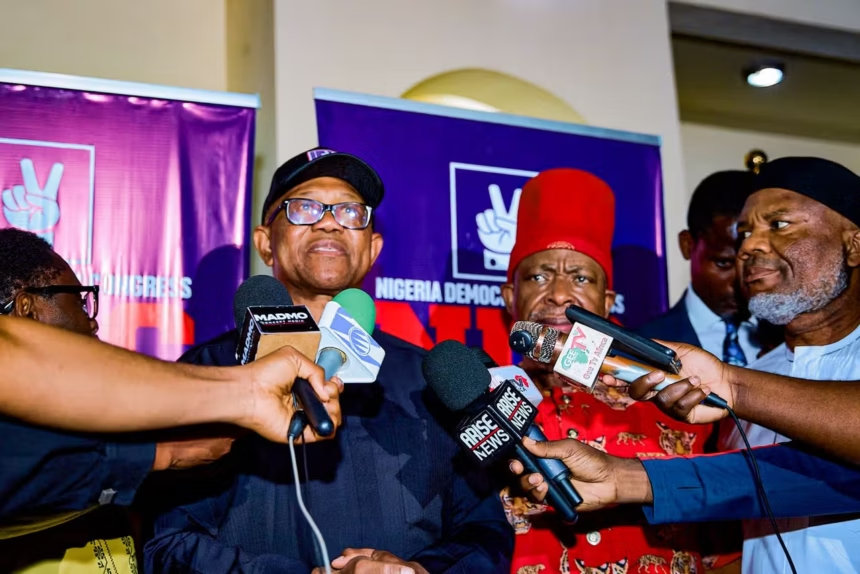
The emergence of Peter Obi as the presidential candidate of the Nigeria Democratic Congress may have projected an image of unity within the opposition party, but its primary elections for other positions revealed the challenges of integrating new political forces into an existing structure.
Although Obi secured the party’s presidential ticket without significant opposition, several politicians identified with the Obidient movement were unsuccessful in their bids to clinch tickets for legislative and governorship contests.
The outcomes highlighted the influence of established party structures, local alliances and internal political arrangements in determining the results of many of the primaries.
Aisha Yesufu’s unsuccessful Senate bid
One of the most prominent contests involved activist and leading Obidient figure, Aisha Yesufu, who sought the NDC ticket for the Federal Capital Territory Senate seat.

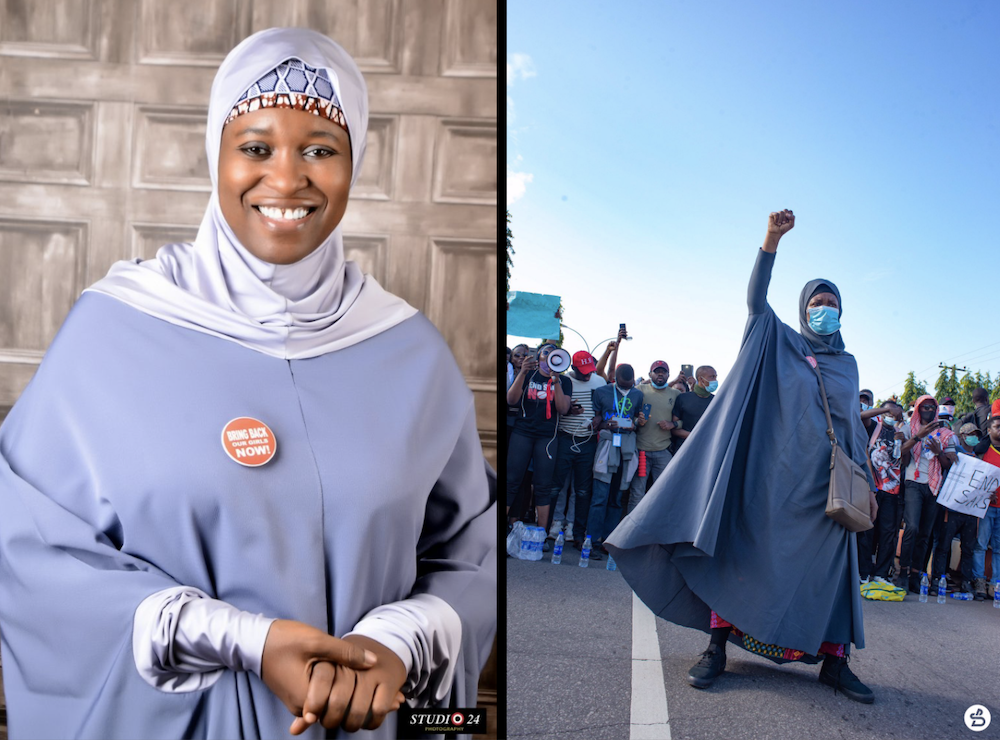
Yesufu joined the NDC from the African Democratic Congress in May after declaring her intention to contest the election, citing the leadership experience she had acquired in her former party.
However, speculation later emerged that the party had resolved to support Amanda Pam, who had been a member of the NDC before Yesufu’s arrival.
The national secretary of the NDC, Ikenna Enekweizu, and the national leader of the party, Seriake Dickson, disclosed that both Obi and the party leadership had encouraged Yesufu to contest for the AMAC/Bwari Federal Constituency seat in the House of Representatives instead.
According to the party leaders, several meetings were held to persuade her to embrace the proposed arrangement, but she insisted on pursuing the Senate ticket.
Following her defeat, Yesufu alleged that the primary was marred by irregularities and maintained that the outcome had been predetermined in favour of another aspirant.
She also stated that she eventually withdrew from the race after losing confidence in the credibility of the process rather than abandoning her ambition voluntarily.
The party leadership rejected the allegations and advised dissatisfied aspirants to seek redress through the NDC’s internal dispute-resolution channels.
Emeka Ike protests outcome
Nollywood actor, Emeka Ike, also challenged the conduct of the primaries after failing to secure the AMAC/Bwari House of Representatives ticket.


The actor led supporters to the office of the Independent National Electoral Commission in Abuja, where he protested what he described as a lack of transparency during the exercise.
Ike alleged that information about the venue of the primary was not properly communicated and accused party officials of manipulating the process.
Despite expressing dissatisfaction with the conduct of the exercise, he reiterated his support for Obi and the NDC presidential ticket.
Ken Pella misses Delta governorship ticket
Another setback was recorded in Delta State, where Ken Pella, a prominent Obi ally and former Labour Party governorship candidate, failed to secure the NDC governorship ticket.

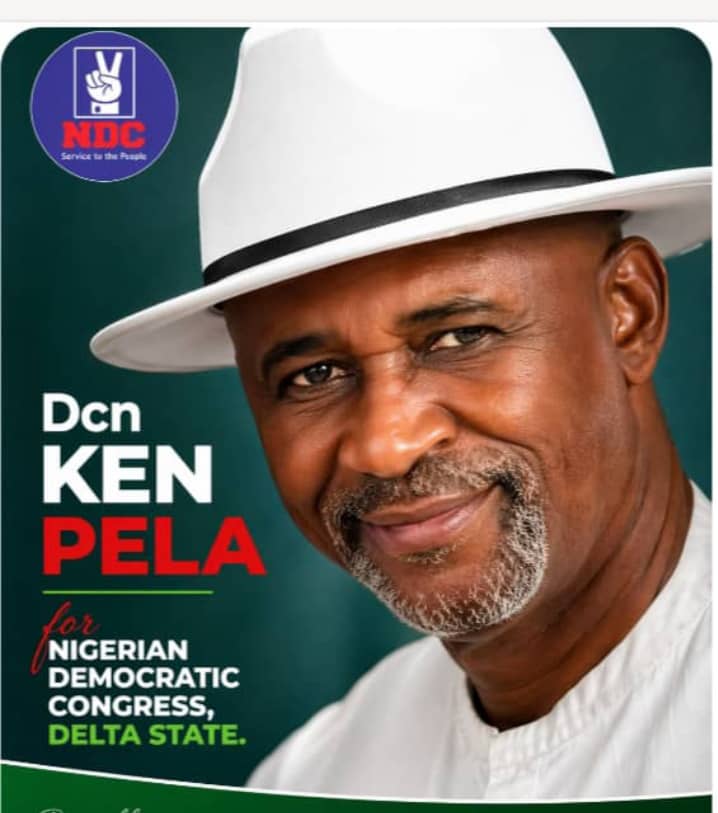
Pella, who was widely regarded as a leading contender after helping to strengthen the party’s presence in the state, lost the primary to Chris Iyovwaye.
Following the outcome, Pella congratulated the winner, appreciated his supporters and pledged to work for the party’s success, saying the broader objective of advancing Delta State and national development remained more important than individual ambition.
Similar outcomes across states
Several other aspirants linked to the Obidient movement reportedly failed to obtain NDC tickets in different parts of the country.
Among them were Randy Peter and Christian Asaga, whose defeats triggered protests from some supporters, while comparable outcomes were also reported in Anambra and other South-East states.
Some members of the movement argued that new entrants into the party were disadvantaged by entrenched political interests.
The NDC leadership dismissed the claims, explaining that constituency-level primaries were conducted differently from the consensus process that produced the presidential ticket.
Party officials maintained that many of the contests were determined through zoning arrangements, negotiations and competitive elections involving numerous aspirants, adding that the party already had long-standing structures before the coalition leaders joined.
Integrating a growing movement
The primary elections underscored the difficulties associated with merging a fast-growing political movement with an established party organisation.
Since Obi emerged as the party’s presidential candidate, thousands of his supporters have joined the NDC, expanding its grassroots presence while also creating fresh competition with existing members.
The national leader of the NDC, Seriake Dickson, and the national secretary, Ikenna Enekweizu, have consistently urged disappointed aspirants to embrace reconciliation mechanisms rather than pursue public disputes.
Obi has also appealed to party members to accept the outcomes of the primaries and remain focused on the party’s broader objective of challenging the ruling All Progressives Congress (APC) in the 2027 general election.
The experiences from the NDC primaries suggest that while the party succeeded in presenting a united presidential ticket, balancing the interests of new supporters with those of long-standing members may remain a significant task as preparations for the next general election continue.