Tuesday, July 7, 2026, marked another defining moment in Nigeria’s long battle against insecurity as an intense debate inside the Senate chamber drew attention to one of the country’s most controversial security policies. With President Bola Ahmed Tinubu’s administration facing growing pressure over the nation’s security challenges, lawmakers turned their focus to Boko Haram, Operation Safe Corridor, the fate of violent offenders, alongside the painful experiences of families who have lost loved ones in years of conflict.
Every contribution on the Senate floor pointed to a conversation that reached far beyond politics, touching on justice, accountability, public safety, alongside the future direction of Nigeria’s fight against terrorism. By the time deliberations gathered momentum, it had become clear that the decisions being sought could carry consequences extending well beyond the walls of the National Assembly.
Debate reaches Senate floor
Proceedings during plenary on Tuesday, July 7, 2026, placed Nigeria’s security situation at the centre of national attention as senators examined the country’s current approach to tackling terrorism, banditry, kidnapping, alongside other violent crimes. The discussion was driven by growing concern that despite years of military operations, intelligence efforts, rehabilitation programmes, alongside significant public spending, many communities across the country continue to experience deadly attacks. Lawmakers described the moment as one requiring serious reflection on whether existing strategies were producing the desired results.
Several senators noted that insecurity has remained one of Nigeria’s biggest national challenges for years, affecting thousands of families, disrupting economic activities, forcing communities from their homes, alongside placing enormous pressure on security agencies. Those concerns formed the background to a debate that would eventually produce one of the Senate’s strongest positions yet on the issue of rehabilitating former insurgents.
Motion sparks discussion
The debate followed a motion presented by Senator Abdulaziz Yar’Adua, who represents Katsina Central Senatorial District. While presenting the motion before his colleagues, he drew attention to the growing pattern of attacks involving serving alongside retired military personnel, describing the development as deeply troubling for a country whose security officers have spent decades confronting insurgency, armed banditry, kidnapping, alongside other violent crimes.
According to the motion, the increasing number of attacks targeting both active security personnel alongside retired officers demonstrates that Nigeria’s security crisis continues evolving in ways that require fresh policy responses. That submission prompted extensive deliberations among lawmakers, many of whom argued that the country must reassess certain aspects of its counter terrorism strategy if lasting progress is to be achieved.
Incident draws attention
One of the major incidents referenced during the debate was the abduction alongside killing of retired Major General Rabe Abubakar, a former Director of Defence Information. Senators described the incident as particularly disturbing because it involved a senior retired military officer who had previously served the country at one of the highest levels of military communication.
Lawmakers argued that attacks involving former military officers reflect the growing reach of criminal groups across different parts of Nigeria. Beyond the personal tragedy suffered by victims’ families, they noted that such incidents also raise broader questions about public safety, intelligence gathering, alongside the ability of security agencies to prevent sophisticated attacks before they occur.
Several lawmakers also pointed to other reported attacks involving retired senior military officers, saying the pattern could no longer be dismissed as isolated incidents. Rather, they described it as evidence that violent criminal groups continue to pose a significant threat despite ongoing military operations across different regions of the country.
Security concerns deepen
Throughout the debate, senators repeatedly returned to the wider security situation facing Nigeria. They observed that attacks linked to insurgency, kidnapping, banditry, alongside other violent crimes continue affecting many states, creating fear among residents while disrupting farming, education, transportation, alongside commercial activities.
Many lawmakers maintained that communities continue paying a heavy price for insecurity through loss of lives, destruction of property, displacement of families, alongside declining economic opportunities. According to them, every renewed attack strengthens calls for government policies capable of delivering lasting security rather than temporary relief.
Attention also focused on the sacrifices made by members of the Armed Forces, Police, Department of State Services, Nigeria Security and Civil Defence Corps, alongside other security agencies working across different parts of the country. Senators acknowledged those sacrifices while insisting that additional measures remain necessary to improve national security.
Rehabilitation programme examined
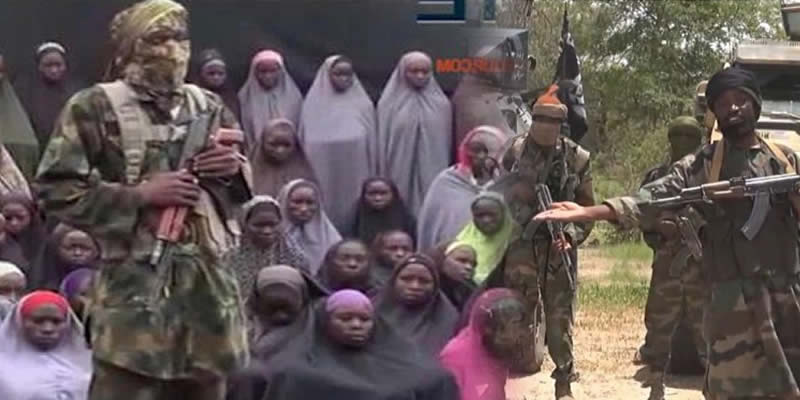
A significant part of the discussion centred on Nigeria’s rehabilitation policy for former insurgents, particularly the Federal Government’s Operation Safe Corridor programme. Introduced as a deradicalisation initiative, the programme was designed to receive insurgents who voluntarily surrendered, screen them through security agencies, provide psychological counselling, offer vocational training alongside religious reorientation, before approved participants were gradually returned to society under continued monitoring.
During the debate, several senators questioned whether the programme was still achieving its intended objectives after years of implementation. They argued that while the initiative was created to encourage defections from insurgent groups, Nigeria continues to experience deadly attacks across several parts of the country. That concern became one of the central issues discussed throughout the sitting as lawmakers examined whether the country’s security priorities now require a different approach.
Attention also turned to the growing concern among victims’ families who have watched former insurgents return to society while still living with the pain of losing loved ones. According to several lawmakers, those emotions have continued shaping public conversations around rehabilitation, particularly in communities that have suffered repeated attacks over the years.
Resolution takes shape
Following extensive deliberations, the Senate adopted a resolution urging the Federal Government to discontinue the practice of granting state pardons to Boko Haram members, bandits, kidnappers, alongside other violent criminals. Lawmakers also urged the government to end rehabilitation alongside reintegration programmes for insurgents, arguing that greater emphasis should now be placed on criminal prosecution through Nigeria’s justice system.
Beyond rehabilitation, the Senate also called for stronger intelligence gathering across the country. Senators stressed the importance of improving cooperation among the Armed Forces, the Nigeria Police Force, the Department of State Services, the Nigeria Security and Civil Defence Corps, alongside other relevant security agencies responsible for protecting lives and property.
Lawmakers further urged the deployment of more surveillance technology, improved military equipment, stronger community based intelligence networks, alongside broader engagement with President Bola Ahmed Tinubu over Nigeria’s worsening security situation. According to the resolution, strengthening those areas could improve the country’s ability to detect threats before attacks occur.
Military officers referenced
Throughout the debate, senators referred to several incidents involving senior military officers whose experiences have highlighted the growing security challenges facing the country. Alongside the reported killing of retired Major General Rabe Abubakar, lawmakers also mentioned retired Major General Richard Duru, who was reportedly killed after ransom had already been paid for his release.
Retired Brigadier General O. M. Harlord Udokwere was also referenced during the discussions, together with former National Youth Service Corps Director General, retired Brigadier General Maharazu Tsiga, who reportedly spent several weeks in captivity before regaining freedom. Senators equally referred to retired Major Aja, who reportedly died while being held by his captors.
According to lawmakers, those incidents illustrate that criminal groups are increasingly targeting individuals regardless of their previous service to the nation. They argued that attacks involving retired military officers demonstrate the need for stronger preventive measures capable of protecting both serving personnel alongside retired veterans who have dedicated much of their lives to national service.
Resolution’s legal position
Although the Senate adopted the resolution during plenary on Tuesday, July 7, 2026, lawmakers acknowledged that the decision does not automatically change existing government policy. Senate resolutions serve as formal recommendations to the executive arm of government rather than laws that immediately take effect upon adoption.
That means Operation Safe Corridor, alongside other rehabilitation initiatives currently in operation, remains in place unless the Federal Government decides to adopt the Senate’s recommendations or new legislation is introduced through the National Assembly before receiving presidential assent.
For that reason, the latest development represents an important political position rather than an immediate policy change. The recommendations are expected to be formally communicated to the Presidency for consideration as discussions over Nigeria’s counter terrorism strategy continue.
Broader security picture
Beyond the immediate debate, lawmakers said the issues raised during the plenary reflected the wider security challenges confronting Nigeria. Several parts of the country have continued to experience attacks linked to insurgency, armed banditry, kidnapping, alongside other violent crimes despite years of military operations aimed at restoring peace. According to senators, those recurring incidents have left many communities living with uncertainty while families continue counting the cost of lives lost, properties destroyed, alongside livelihoods disrupted.
Attention was also drawn to the pressure placed on security agencies that remain actively engaged across different regions of the country. Members of the Senate acknowledged the sacrifices made by military personnel, police officers, intelligence operatives, alongside other security officials, while stressing that lasting progress would require stronger coordination, better intelligence, improved equipment, alongside policies capable of addressing evolving security threats.
Several lawmakers maintained that protecting lives must remain the country’s highest priority, adding that every attack on civilians or security personnel further demonstrates the need for strategies that strengthen public confidence while improving the overall effectiveness of Nigeria’s security architecture.
Justice takes centre stage
Another recurring theme throughout the debate was the place of justice within Nigeria’s fight against violent crime. Senators argued that victims of terrorism, kidnapping, banditry, alongside other forms of violent attacks deserve to see offenders face the full weight of the law through established judicial processes.
Lawmakers noted that many families continue living with painful memories after losing loved ones during attacks carried out over several years. According to them, those experiences have shaped growing public calls for greater accountability whenever suspected perpetrators are arrested or surrender to security forces.
Several senators maintained that criminal prosecution remains an important part of maintaining confidence in the justice system. They argued that legal accountability, alongside effective law enforcement, sends a stronger message against violent crime while reinforcing public trust in government institutions responsible for protecting citizens.
Intelligence remains priority
Apart from recommending changes to rehabilitation policies, the Senate also emphasised the importance of strengthening intelligence gathering across the country. Lawmakers observed that preventing attacks before they occur remains one of the most effective ways of reducing casualties while improving national security.
Calls were made for closer collaboration among the Armed Forces, the Nigeria Police Force, the Department of State Services, the Nigeria Security and Civil Defence Corps, alongside other relevant agencies responsible for intelligence collection, surveillance, investigation, alongside emergency response. Senators argued that stronger cooperation could improve information sharing while reducing gaps that criminal groups may attempt to exploit.
Attention was equally directed toward expanding the use of surveillance technology, modern communication systems, alongside other security equipment capable of supporting operations across different parts of the country. According to lawmakers, combining technology with community based intelligence could significantly improve efforts to identify security threats before they develop into major attacks.
Next stage
Following the adoption of the resolution on Tuesday, July 7, 2026, the Senate is expected to formally communicate its recommendations to the Federal Government. That process represents the next constitutional step after the conclusion of debate during plenary, allowing the executive arm to study the recommendations before deciding on any possible policy response.
Since the resolution is not legally binding, the future of Operation Safe Corridor alongside other rehabilitation initiatives will ultimately depend on decisions taken by the Presidency or the introduction of fresh legislation through the National Assembly. Until either of those actions takes place, existing programmes remain operational under current government policy.
The latest resolution nevertheless marks one of the clearest positions taken by the Senate on Nigeria’s approach to rehabilitating former insurgents. Whether the recommendations eventually translate into policy changes will become clearer in the weeks and months ahead as discussions continue between the legislative alongside executive arms of government.
Story still developing
Tuesday’s proceedings added another significant chapter to Nigeria’s continuing conversation about security, justice, alongside the country’s long term strategy for addressing terrorism. While the Senate has now expressed its position through a formal resolution, the practical impact of that decision will depend on the response of the Federal Government together with any future legislative action.
For now, Operation Safe Corridor remains in place, while the Senate’s recommendations stand as a strong call for a different direction in tackling violent crime. As further decisions emerge from the Presidency or the National Assembly, they will shape the next phase of Nigeria’s evolving counter terrorism policy, making this one of the most closely watched security developments in the country.