The US Mission in Nigeria dropped a reminder on its official X account on Sunday that’s already causing a stir among Nigerian-American families: if you hold a United States passport and a Nigerian one, the Nigerian passport won’t get you into or out of America. Not anymore. Not ever, actually, this has always been the law. It’s just that a lot of people didn’t know it, or forgot it, until now.
What the Embassy Actually Said
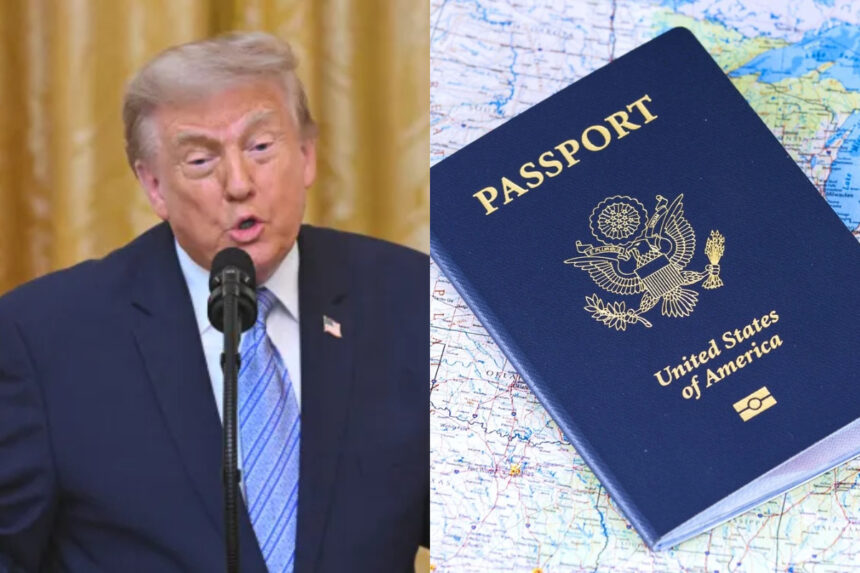
The statement was short, but it landed hard. “U.S. citizens are REQUIRED to enter and depart the United States on a U.S. passport,” the mission wrote. “This requirement applies equally to U.S. citizens, including children, who are dual nationals.”
That last part, “including children,” is the detail catching people off guard. Plenty of Nigerian parents travel with kids who hold both nationalities and assume a Nigerian passport works fine for the child since the family lives in Lagos or Abuja. It doesn’t. If your child is a US citizen, they need a US passport at the border, full stop.
The mission went further, warning that dual nationals cannot use a foreign passport to apply for an Electronic System for Travel Authorization, better known as ESTA, the online pre-clearance most travelers use for short US visits under the visa waiver program. That single line matters more than it looks. ESTA is built for foreign nationals. If you’re already a US citizen, you’re not supposed to be applying for one at all, and the Department of Homeland Security has been rejecting or cancelling these applications when dual nationals try.
Why This Isn’t Actually New (But Feels New)
Here’s the thing nobody’s saying out loud: none of this is a new rule. US law has required citizens to enter and exit on a US passport for decades. What’s new is the timing and the bluntness of the reminder, coming right after similar advisories went out from US embassies in Singapore and Kuwait earlier this year, almost word for word. This looks like a coordinated global push, not something specific to Nigeria.
Still, for the thousands of Nigerian families with relatives holding green cards, naturalization certificates, or US-born children, the reminder hits differently. A lot of people have been quietly getting away with using whichever passport was more convenient at the time; maybe the Nigerian one had no US visa stamps to worry about, maybe it just felt simpler. That workaround is over, if it ever really worked.
The Passport Validity Trap
Buried in the same statement is a second warning that’s arguably more practical for regular travelers: check your passport’s expiry date before you book anything.
“If you are a U.S. citizen or national and live abroad and plan to travel to the United States, make sure you do so with a valid U.S. passport,” the mission said, adding a reminder that many countries, including transit countries, require at least six months of validity left on a passport before they’ll even let you board a connecting flight.
This is the part that ruins holidays. Someone renews their ticket, packs, gets to the airport, and only then discovers their passport expires in four months. Depending on the airline and the transit route, that can mean a denied boarding, not just a headache at immigration.
What Dual Nationals Should Actually Do Now
If you’re a Nigerian-American or the parent of a dual-national child, a few things are worth sorting out before you touch a “book flight” button:
Check the expiry date on every US passport in the household, including children’s; these expire faster than adult passports (five years versus ten), and people forget.
If a passport is within six months of expiring, start the renewal now rather than after booking travel. US passport processing times for citizens applying from abroad can run longer than domestic applications.
Never apply for an ESTA if you or your child holds US citizenship. Use the US passport for entry and exit, always, regardless of which passport was used for the outbound leg of an earlier trip.
Keep both passports on you when traveling if you hold dual nationality; the Nigerian one may still be needed for exiting or entering Nigeria itself, since Nigerian law has its own dual-national travel document requirements separate from US rules.
This reminder isn’t happening in a vacuum. It comes at a time when US immigration and travel policy has tightened noticeably, visa issuance suspensions affecting dozens of countries took effect at the start of this year, and embassies worldwide have been unusually active in pushing out compliance reminders to citizens abroad. Whether that’s driven by an uptick in denied entries, tighter DHS enforcement, or simple housekeeping ahead of peak travel season isn’t clear from the statement itself.
What is clear: if you’re a dual national with any US citizenship in the mix, this is not the season to guess. Pull out the passport, check the date, and use the right document at the border. The embassy isn’t threatening anything new; it’s just making sure nobody has an excuse to say they didn’t know.