When content creator Angel Baba Orobo publicly accused comedian and skitmaker Nasboi of disrespecting and underpaying him, many initially saw it as another social media fallout. But as both men shared their sides of the story and fellow creator Demo UK weighed in with his own experience, the conversation quickly grew beyond a personal dispute.
Instead, it opened up wider questions about Nigeria’s fast-growing content creation industry. How should collaborators be treated? Is paying an agreed fee enough, or should creators also cover transport and other logistics? At what point does asking for support become entitlement? And how long should someone be expected to show gratitude for an opportunity?
The disagreement, which played out publicly between July 26 and July 27, 2026, has become one of the industry’s latest debates over compensation, recognition and professional boundaries.
How Nasboi and Baba Orobo began working together

According to Baba Orobo, his professional relationship with Nasboi began in 2022 after the comedian reached out to him for comedy skit collaborations.
Baba Orobo said he regularly travelled from Iju Ishaga, later Bariga, and eventually Ikorodu to Nasboi’s filming locations in Lekki whenever he was invited to appear in skits.
Because of his body size, he explained that commercial transport drivers often refused to carry him, leaving him to depend on ride-hailing services such as Uber to get to filming locations.
He said Nasboi usually gave him ₦10,000 to cover transportation. While Baba Orobo viewed the relationship as one that lasted over several years, Nasboi would later dispute the extent of their collaboration, insisting Baba Orobo only featured in about five productions, all of which he said were paid for.
The difference in these accounts would later become central to their public disagreement.
The transport fare dispute that changed everything
The dispute reached a breaking point after Baba Orobo was recommended for what he described as a ₦200,000 performance at an AY Live stage production.
According to Baba Orobo, he initially believed it was a one-day engagement. However, he later discovered that rehearsals would require repeated trips from Ikorodu to Eko Hotel, making transportation expenses difficult for him to afford.
His manager reportedly advised him to ask for transport assistance and accommodation. That request, Baba Orobo said, changed everything.
Leaked voice notes allegedly from Nasboi appeared to show the comedian questioning why additional transport money was necessary despite the agreed payment. Referring to the ₦200,000 fee, Nasboi allegedly said:
“Dem discuss ₦200,000 for you… ₦200k should be enough for you to take your transport back to your house.”
On another occasion, after Baba Orobo requested Uber fare for another shoot in Lekki, Nasboi allegedly responded:
“You can’t say, ‘Send me money for Uber.’ Don’t act like you’re entitled all the time.”
He also reportedly accused Baba Orobo of having “a character problem” and urged him to change his attitude. The exchange became even more controversial after Baba Orobo alleged that Nasboi questioned his value as a creator. According to him, Nasboi said:
“Does he have any value that people are paying for? No, he’s upcoming!”
For Baba Orobo, those words became the defining moment in their relationship.
Baba Orobo’s allegations against Nasboi

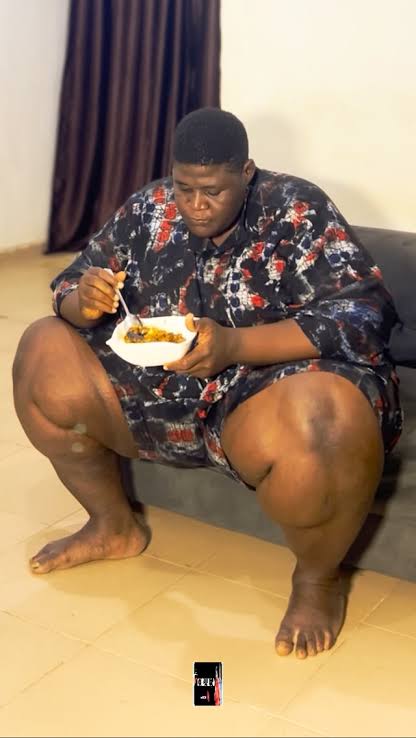
On July 26, 2026, Baba Orobo uploaded an emotional video accusing Nasboi of years of unfair treatment.
He claimed he had worked with the comedian since 2022, travelling long distances for productions while receiving only ₦10,000 on some occasions. According to him, he was hurt not only by the payments but by what he described as Nasboi’s dismissive attitude after he requested transport support for the AY Live engagement.
Speaking emotionally in the viral video, Baba Orobo repeatedly asked:
“Shey me, I get value wey people dey look for? Shey I no get value?”
His manager, Swag Omoluabi, defended the request for transport assistance, arguing there was nothing unreasonable about it. According to him:
“There’s nothing bad in asking for transport for a family man of four that doesn’t have anything.”
For Baba Orobo, the issue was never simply about transport money. He believed he had contributed to Nasboi’s content over the years and deserved to be treated with greater respect.
Nasboi’s response

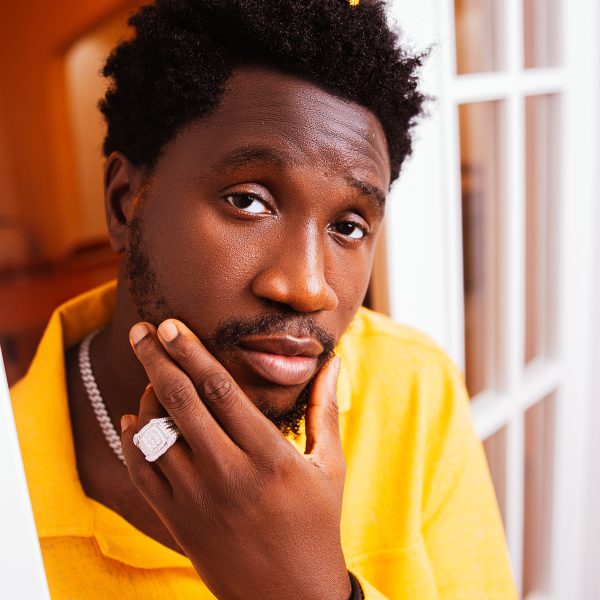
Later on July 26, Nasboi responded publicly, denying several of Baba Orobo’s claims. He rejected the allegation that Baba Orobo had worked for him for years without proper compensation, insisting the skitmaker appeared in only five productions and was paid for each appearance.
Rather than describing the issue as exploitation, Nasboi said it reflected a growing culture of entitlement among some collaborators. In a lengthy statement, he wrote:
“In this space, I’ve met different kinds of people.
I’ve met people who believe that the moment they associate with you, they’re supposed to have money like you.
I’ve met people who don’t even understand the business but expect you to pay them ₦1 million just because you featured them in a skit, simply because they believe you make money from your content.”
He continued:
“I’ve met people who say they don’t want your money. I’ve met people who only ask for an opportunity, for a platform. Some remain genuinely grateful when that opportunity comes.
Others arrive with a level of entitlement and expectation that’s difficult to understand.”
Nasboi maintained that he could not take responsibility for everyone’s financial expectations.
“At the end of the day, I’m just a human being. I cannot carry the weight of everyone’s expectations, and I will NEVER suffer the consequences of another person’s flaws.”
He also explained that the experience was one of the reasons he stopped personally handling casting. Instead, he now relies on his production manager, Danny, to oversee bookings and payments. According to him:
“Whenever I need people for a project, I call Danny, who is a production manager, to handle it professionally. Danny can attest to the fact that everybody who has worked with us has been paid.”
He concluded by saying:
“If you choose to believe whatever story is out there, there’s very little I can do about that. But I will always speak my truth, protect my name, and keep moving forward.”
Baba Orobo fires back
The disagreement did not end with Nasboi’s statement. On July 27, 2026, Baba Orobo returned to social media, challenging Nasboi to provide proof supporting his claims.
He maintained that his version of events was truthful and declared that he would continue speaking out regardless of whether Nasboi chose to block him online.
His response ensured that the disagreement remained firmly in the public eye.
Demo UK adds another layer to the conversation

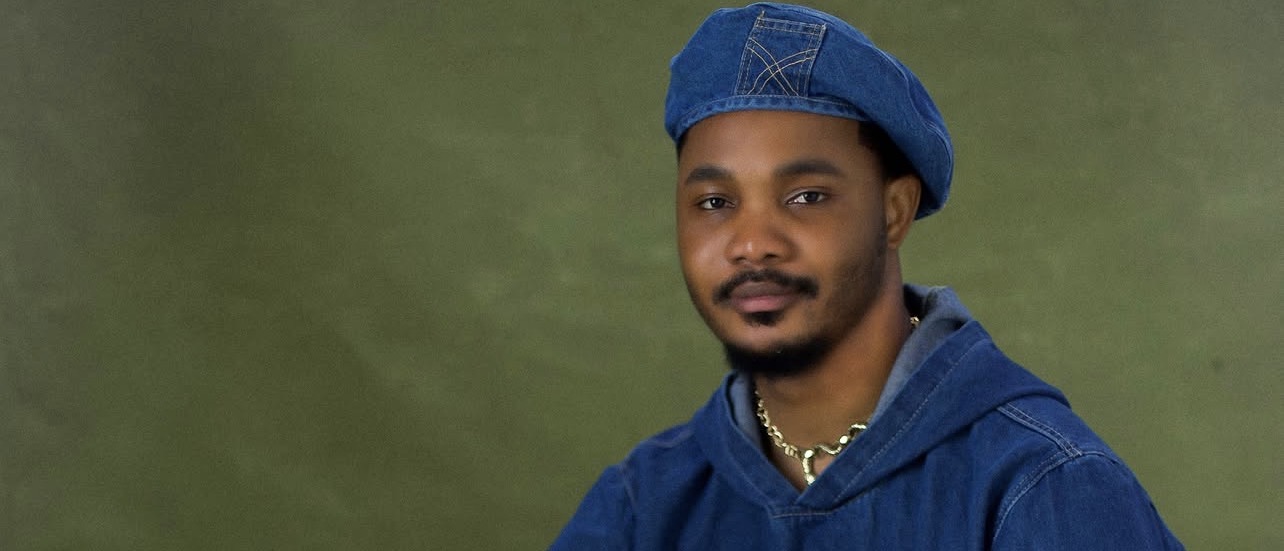
The debate took another turn on July 27 when content creator Demo UK reacted to reports about the dispute.
Sharing a blog post about it on his Instagram Story, he revealed that he was the person who initially connected Nasboi and Baba Orobo.
He wrote:
“Lmao funny how I linked both of them. And I told him from the onset, this guy is broke. You gotta pay him. But when you’re a user, you’re a user.”
Demo UK also claimed he had his own disappointing experience working with Nasboi. According to him:
“Tried that sh*t with me on the first feature. Kept it moving. Called me again for another, I ghosted. I will never be used.”
He contrasted his own approach with what he said he experienced.
“No one has ever come to my set without me giving them something back in Naija. Even if it’s for transportation. I still get to feed them if they want to eat. And that’s me who isn’t as big.”
He argued that creators should be mindful of the financial realities facing smaller collaborators.
“It’s crazy because some people won’t call you out on your BS because obviously they’re bigger than your tip or transport fare you want to give them.
But there are some, you just gotta look at their condition and not take advantage of them.
They don’t have value but you don’t mind exploiting them for views and laughs. C’mon man!”
Demo UK also shared a screenshot of an alleged 2022 WhatsApp conversation showing him asking someone for ₦5,000 so he could travel to a shoot with Nasboi. Reflecting on that experience, he wrote:
“The day I went to shoot with him. I was broke. I even borrowed money. And he promised to give me ‘something’. Shishi I didn’t see.
I went home wondering, why would a big creator do this. I didn’t even know he will do the same to Biggie.”
He concluded by urging creators not to take advantage of people with smaller audiences.
“Hopefully you people will do better and stop exploiting people and their creativity, no matter how sh*t you think their content is or how small their audience are. It’s not cool.”
As of the time of writing, Nasboi had not publicly responded to Demo UK’s allegations.
The bigger conversation: When does support become entitlement?
Beyond the personal accusations, the dispute has sparked a broader discussion about the realities of Nigeria’s creator economy.
For some, Baba Orobo’s story reflects the struggles many upcoming creators face. They argue that while a payment may be agreed upon, covering transportation or basic logistics can make collaborations more practical, especially for creators travelling long distances or facing financial hardship.
Others believe Nasboi’s concerns are equally valid. They argue that once payment terms have been agreed, repeatedly requesting additional financial support can place unfair pressure on creators who are also running businesses with limited resources.
The disagreement also raises difficult questions that extend beyond this particular case.
Does giving someone an opportunity create an obligation to continually support them financially? Can someone express gratitude while still asking for better treatment? And where should professional boundaries be drawn in an industry where many relationships begin as friendships before becoming business arrangements?
There are no easy answers, which is perhaps why the dispute has resonated so widely.
Conclusion
Whether netizens side with Baba Orobo, Nasboi or neither, their public fallout has become more than a disagreement between two skitmakers.
It has highlighted the complicated balance between opportunity and compensation, gratitude and expectation, mentorship and professionalism.
As Nigeria’s digital entertainment industry continues to grow, similar conversations are likely to become more common. Behind the viral videos and social media exchanges are larger questions about how creators value one another’s work, manage professional relationships and define what is fair.
In that sense, the Nasboi and Baba Orobo dispute is not just about two individuals. It is a reflection of the growing pains of an industry still trying to find the balance between business, loyalty and humanity.