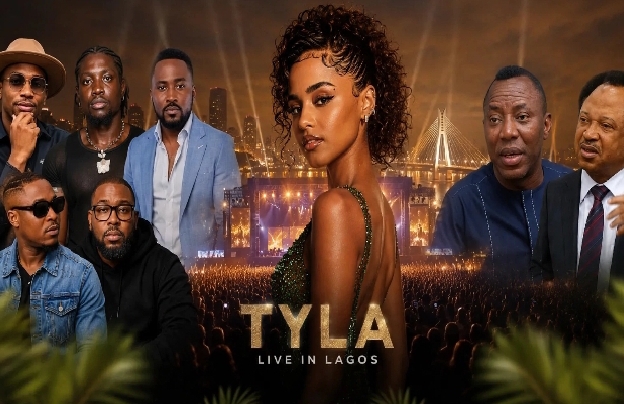
The announcement of Tyla’s planned Lagos concert has opened a fresh chapter in the complicated relationship between Nigeria and South Africa, bringing old wounds back into public conversation. What was expected to be another major entertainment event quickly became the centre of a heated national discussion involving celebrities, activists, politicians and thousands of Nigerians who see the issue from completely different angles.
The debate has grown beyond music, performances and ticket sales. It has become a conversation about identity, loyalty, accountability, African unity and whether public figures should take a stand when communities face painful experiences. While some Nigerians believe the concert represents an opportunity that should continue without interference, others argue that certain issues cannot be ignored simply because entertainment is involved.
At the centre of the controversy is South African singer Tyla, whose global rise has made her one of Africa’s biggest young music exports. However, her planned December 2026 Lagos concert has attracted criticism from Nigerians who connect the event to years of anger surrounding xenophobic attacks against Nigerians and other African migrants living in South Africa.
The disagreement has created 2 clear sides. Some public figures believe the concert should be opposed because they feel influential South Africans have remained silent during moments when Nigerians were allegedly targeted. Others argue that holding an individual artiste responsible for actions carried out by governments, criminals or angry groups creates another form of unfair treatment.
The argument has now placed names such as VeryDarkMan, Do2dtun, Pere Egbi, Jaywon and Solomon Buchi on one side, while Omoyele Sowore and Shehu Sani represent voices pushing back against the boycott campaign. Their statements have shaped the conversation and revealed deeper questions about how Africans respond when anger, justice and personal responsibility collide.
Background Behind The Tyla Concert Controversy
Tyla’s Lagos concert controversy is connected to a long history of tension between Nigerians and South Africans, particularly over repeated xenophobic attacks targeting foreign nationals living in South Africa. Over the years, Nigerians have reported incidents involving violence, business destruction, harassment and discrimination during periods of xenophobic unrest.
One of the most widely discussed moments happened in 2019 when xenophobic attacks in South Africa led to widespread condemnation across Africa. Nigerian businesses and properties were affected, while diplomatic tensions increased between both countries. The situation became so serious that Nigeria sent officials to South Africa to address concerns and protect the interests of its citizens.


The relationship between both countries has always carried a mixture of cooperation and rivalry. Nigeria and South Africa remain 2 of Africa’s largest economies, with strong cultural connections, entertainment exchanges and business relationships. Nigerian musicians regularly perform in South Africa, while South African artistes also enjoy large audiences in Nigeria.
However, every fresh report of attacks against Nigerians in South Africa has revived questions about whether enough has been done to address the problem. For many Nigerians supporting the boycott, the issue is not simply about Tyla as an individual but about what they see as a pattern of silence from influential voices.
Although Tyla has not been accused of participating in xenophobic attacks or supporting violence against Nigerians, critics argue that she has not publicly condemned previous incidents. That absence of a public statement became one of the major reasons some Nigerians began questioning whether her Lagos performance should continue.
Those opposing the boycott believe the argument creates a dangerous situation where individuals are blamed for actions they did not commit. They argue that musicians should not automatically become representatives of every political or social problem connected to their home country.
Solomon Buchi’s Call For A Boycott

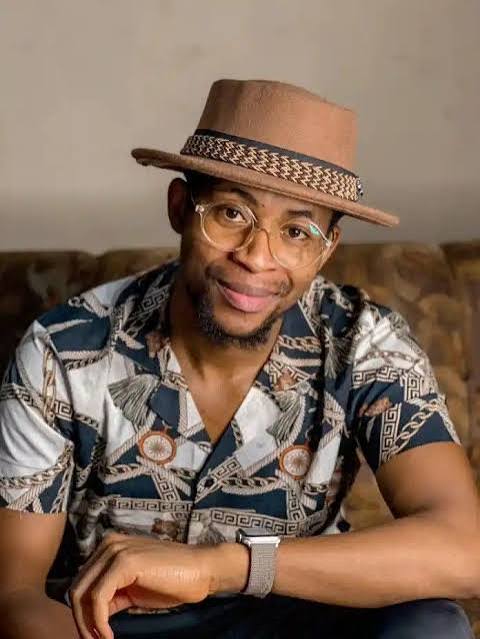
Author and social commentator Solomon Buchi became one of the earliest prominent voices calling for opposition to Tyla’s planned Lagos concert. His argument focused heavily on the issue of public silence and whether celebrities have a responsibility to speak when communities experience injustice.
Buchi argued that Nigerians should use the moment to demand accountability and show that attacks against Nigerians abroad cannot simply be forgotten whenever entertainment opportunities arise.
He wrote:
“Tyla is having a show in December in Nigeria, and that show must not happen. This is the one time Nigerians have to come together and stand for something, not after the xenophobic attacks that we saw in South Africa and how immigrants, and especially Nigerian immigrants, were treated. Not one word from Tyla. Not even performative activism from her.”
Buchi’s position is built around the belief that silence from influential people can also send a message. According to his argument, entertainers with large platforms have the ability to influence conversations, raise awareness and show solidarity during moments of crisis.
For him, the issue is not simply whether Tyla personally committed any wrongdoing. His concern is whether Nigerian audiences should continue supporting entertainers from a country where many Nigerians believe their citizens have repeatedly faced hostility without enough condemnation from public figures.
The statement immediately attracted reactions online, with some Nigerians agreeing that celebrities should use their influence beyond music, while others argued that Buchi’s demand placed an unfair burden on Tyla for events outside her control.
VeryDarkMan Escalates The Campaign

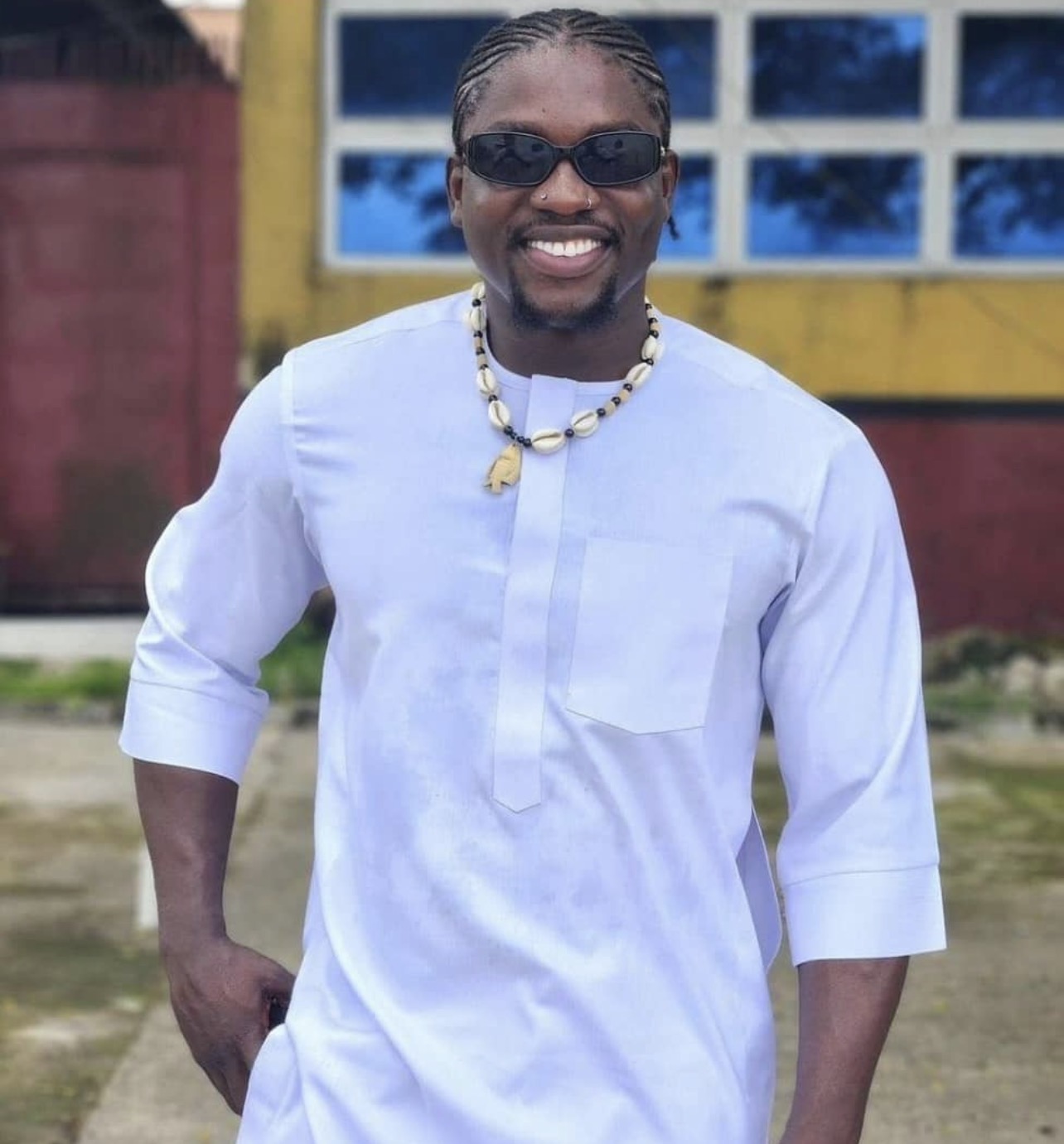
Social media activist VeryDarkMan, whose real name is Martins Vincent Otse, became one of the loudest voices against the planned concert. Known for his outspoken views on social issues, VDM framed his opposition as a protest against xenophobia rather than a personal attack on Tyla.
His position was that Nigeria should send a strong message against attacks on Africans by Africans, particularly after previous incidents involving Nigerians in South Africa.
VDM wrote:
“TYLA SHOW WILL NOT BE HAPPENING IN NIGERIA.
This is a message to SOUTH AFRICANS WE ARE AFRICANS AND WE DONT UNALIVE OUR OWN, since you people have taken it upon yourselves to unalive other Africans because according to you guys other African nationalities living in South Africa are taking your jobs.
WE ARE STANDING IN SOLIDARITY TO SAY NO TO THE PROMOTERS AND CELEBRITIES FROM SOUTH AFRICA.
#NOTOXENOPHOBICATTACKS
#RATELMOVEMENT
SAY NO TO XENOPHOBIC ATTACKS.”
The activist’s argument centres on collective action. He believes allowing South African entertainers to continue receiving support in Nigeria without addressing xenophobic attacks sends the wrong message and reduces pressure for change.
VDM’s statement also introduced a wider debate about whether cultural exchanges should continue normally when political and social tensions exist between countries. Supporters of his position believe entertainment should not be separated completely from social issues because celebrities often benefit from public support and influence public opinion.
However, critics of the boycott argue that stopping Tyla’s concert does not directly solve xenophobia and may create tension between ordinary Nigerians and South Africans who are not responsible for attacks carried out by criminal groups.
The controversy surrounding VDM’s statement pushed the debate beyond social media, with other celebrities and public figures joining the conversation from different sides.
Pere Egbi’s Reaction To The Growing Debate

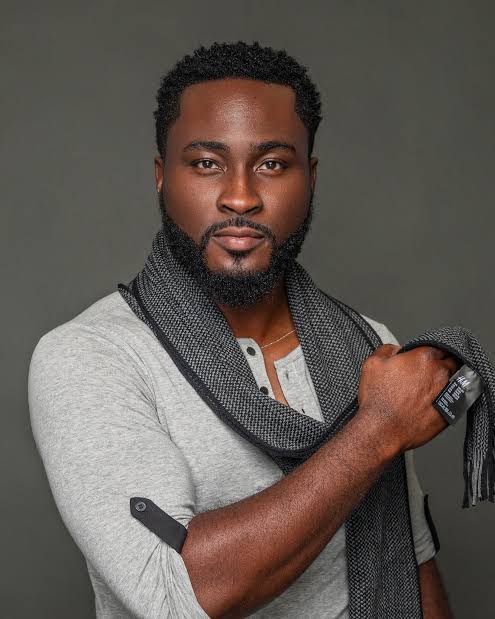
Former Big Brother Naija housemate Pere Egbi joined the conversation after human rights activist Omoyele Sowore publicly defended Tyla’s right to perform in Nigeria. Pere’s reaction focused on the idea of reciprocity, arguing that Nigeria should respond firmly when Nigerians face difficulties in another country.
Pere’s position suggested that allowing Tyla and her team into Nigeria while Nigerians continue to express anger over xenophobic attacks in South Africa sends a message of weakness. According to him, a stronger response was necessary to show that Nigerians also expect respect from other African nations.
He wrote:
“Nigerian @nigimmigration we are collectively imploring you to intentionally deny Tyla and her team visas as well. They can’t do this to our own and we welcome their own. Madness must match madness.”
Pere’s statement became one of the most debated contributions to the controversy because it moved beyond a concert boycott and touched on immigration restrictions. His argument was based on the belief that diplomatic pressure sometimes requires matching the actions of another side.
Supporters of this view believe countries must protect the interests of their citizens and should not ignore situations where Nigerians feel targeted abroad. They argue that cultural relationships cannot continue normally when serious social issues remain unresolved.
However, those against this approach believe responding to xenophobia with restrictions against individuals who are not involved in attacks risks creating another cycle of punishment between ordinary Africans. They argue that the responsibility should remain with those who commit violence and the leaders responsible for addressing it.
Pere’s comment added another layer to the conversation because it raised a major question surrounding the entire debate: should anger over national issues be directed toward individuals connected to a country, or should accountability focus strictly on those responsible for the actions?
Jaywon’s Position On Tyla’s Appearance


Nigerian singer Jaywon also joined the growing list of entertainers expressing opposition to Tyla’s Lagos performance. However, he made it clear that his concern was not because Tyla is South African.
Jaywon attempted to separate nationality from accountability, explaining that his criticism was connected to what he described as a lack of response during previous attacks against foreigners in South Africa.
He wrote:
“Nobody is angry that Tyla is coming to Nigeria. But if you didn’t speak up when foreigners were being attacked and their properties taken, make she dey her country. Not a good time.”
Jaywon’s statement reflected the position of many boycott supporters who argue that public figures cannot enjoy support from communities while remaining silent during difficult moments affecting those communities.
For Jaywon, the timing of the concert is the major issue. He believes that after years of tension and painful experiences involving Nigerians in South Africa, a major celebration involving a South African artiste requires sensitivity toward those concerns.
His argument does not focus on accusing Tyla of personally supporting xenophobia. Instead, it questions whether silence from influential personalities should have consequences when their country faces international criticism.
The statement also highlighted the emotional side of the debate. Many Nigerians who support the boycott view the issue through personal experiences of relatives, friends and business owners who have been affected by hostility abroad.
Those opposing the boycott argue that demanding public statements from every entertainer whenever political or social problems occur creates unrealistic expectations. They believe artists should not automatically be judged by the actions or silence of their government or citizens.
Do2dtun Brings Burna Boy’s South Africa Experience Into The Conversation

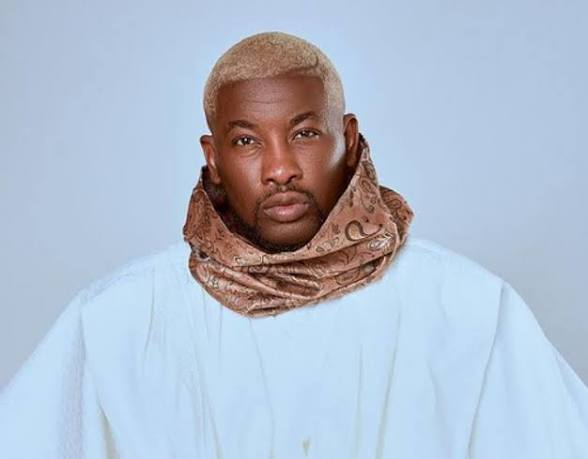
Media personality Do2dtun connected the Tyla debate to previous tensions involving Nigerian superstar Burna Boy and South Africa. His argument focused on what he described as a lack of support Nigerians showed when Burna Boy faced criticism and threats during earlier disagreements involving South African entertainment figures.
Do2dtun argued that Nigerians were quick to challenge those now speaking against the Tyla concert but had previously failed to stand strongly behind Nigerian entertainers facing similar situations.
He wrote:
“Burna was issued a warning; threatened to be killed years ago if he ever stepped foot in SA over his stance against AKA’s xenophobic stance. What did you all do about it? Instead you crucified your own. We did absolutely nothing. They didn’t care. He took it like a gee; moved on and still became a global star. You all forgot?”
He continued:
“But my Nigerians will rather blame people that suddenly take a stance on an artiste that come from a country that constantly desecrate on your national identity and treat Africans in the most inhumane way. Nigeria is the republic of docile and complacent people. We only know how to blow grammar.”
Do2dtun’s argument brought historical context into the discussion by reminding Nigerians about previous moments where entertainment, nationality and social issues collided.
His point was that the current debate should not be viewed as a sudden reaction against Tyla but as part of a longer frustration among Nigerians who feel their countrymen have not always received enough support during international controversies.
The Burna Boy reference also reopened conversations about how Nigerian entertainers have handled criticism abroad and whether Nigerians should stand behind their own artists more strongly when disputes involve other countries.
While some agreed with Do2dtun’s argument, others maintained that past disagreements involving entertainers should not determine whether a different artiste should perform in Nigeria years later.
The Entertainment Industry’s Divided Response
The reactions from Buchi, VeryDarkMan, Pere, Jaywon and Do2dtun showed a common theme among boycott supporters: the belief that public silence during moments of injustice has consequences.
Although their approaches differ, their arguments largely connect around the idea that Nigeria should not ignore the experiences of its citizens abroad simply because a popular entertainer is involved.
For some, the concert represents more than a music event. It represents a chance for Nigerians to express frustration over years of unresolved anger surrounding xenophobic attacks and treatment of African migrants in South Africa.
For others, the boycott raises concerns about fairness and whether an individual musician should carry responsibility for broader national problems.
As the debate continued, another group of public figures challenged the boycott campaign, arguing that the focus had moved away from the real causes of xenophobia.
Their argument was that politicians, governments and those directly responsible for violence should face accountability, rather than entertainers who have not been linked to such actions.
This position was strongly represented by Omoyele Sowore and Shehu Sani, who became leading voices against attempts to stop Tyla’s Lagos concert.
Omoyele Sowore Challenges The Boycott Campaign
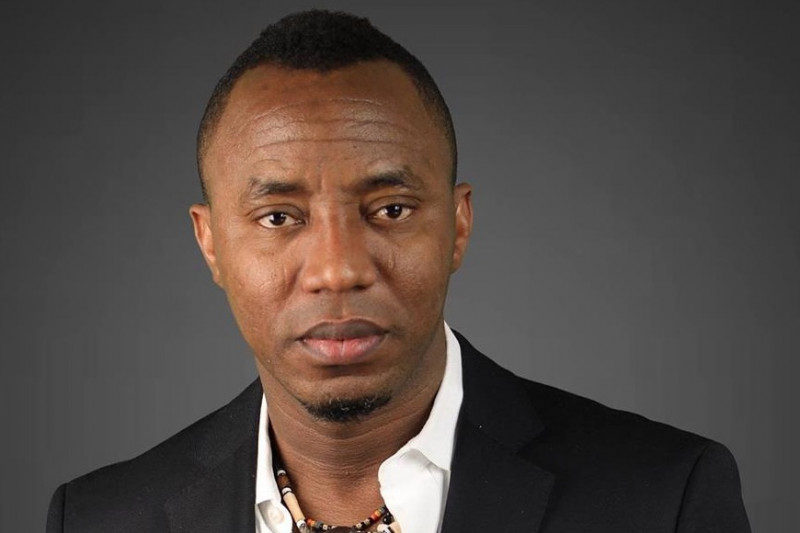

Human rights activist and former presidential candidate Omoyele Sowore became one of the strongest voices opposing calls for Tyla’s Lagos concert to be stopped. While acknowledging the anger Nigerians feel over xenophobic attacks in South Africa, Sowore argued that directing that anger toward an individual musician was misplaced.
His argument focused on the idea of personal responsibility. According to Sowore, Tyla should not be blamed for actions carried out by South African citizens, criminal groups or political leaders who have failed to address xenophobia.
Responding to the growing boycott campaign, Sowore wrote:
“Nigerians should direct their anger at their real enemies, the criminal leaders like Asiwaju Bola Ahmed Tinubu GCFR and his All Progressives Congress party who destroyed our country, reduced our people to second-class citizens across Africa and the rest of the world and the irresponsible South African leaders like Cyril Ramaphosa whose failures helped create the conditions for xenophobic violence.
No one should hold a talented musician like Tyla vicariously liable for the crimes of xenophobia. Artistes are not responsible for the failures of politicians except where there is ample evidence they’re enablers.
Tyla’s Lagos concert must go on.
#RevolutionNOW”
Sowore’s position introduced a different perspective into the debate. Rather than focusing on Tyla’s nationality, he argued that attention should be placed on institutions and leaders responsible for creating conditions where xenophobic violence continues.
His argument was based on the belief that punishing entertainers because of their country of origin creates collective blame. He maintained that Africans should be careful not to reproduce the same discrimination they condemn when Africans are targeted abroad.
The activist also questioned whether stopping a concert would produce any meaningful solution to xenophobia. According to his argument, the focus should remain on political accountability, economic challenges and leadership failures that contribute to tensions between communities.
Sowore’s Follow Up Statement
As reactions continued online, Sowore released another statement defending his position and explaining why he opposed the boycott.
He wrote:
“Let me reiterate again, I will never participate in, encourage, or justify the victimization of any fellow African or any human being for crimes they did not commit, create, or enable.
Africans must steadfastly hold their leaders accountable for their ineptitude, corruption, and incompetence, instead of turning against one another.
Tyla must be allowed to ply her trade freely, just as every African artist, worker, and citizen should be able to do across the continent and beyond.
The real problem is not ordinary African, it is the failed leadership that has fostered corruption, economic hardship, and the conditions for division. Africans deserve better than leaders who create conditions that pit us against one another.”
The follow up statement strengthened Sowore’s argument that the issue should not become a conflict between Nigerians and South Africans. He presented the controversy as part of a larger problem affecting many African countries where economic hardship, unemployment and political failures often create tension among citizens.
For Sowore, African solidarity means refusing to punish ordinary people for the actions of others. He argued that freedom of movement, cultural exchange and artistic expression should not disappear because governments have failed to solve deeper problems.
His position attracted support from people who believe the boycott could damage relationships between Nigerians and South Africans who are not responsible for xenophobic attacks.
However, those supporting the boycott maintained that public pressure is sometimes necessary to force conversations about issues that have been ignored for too long.
Shehu Sani Defends Tyla’s Right To Perform

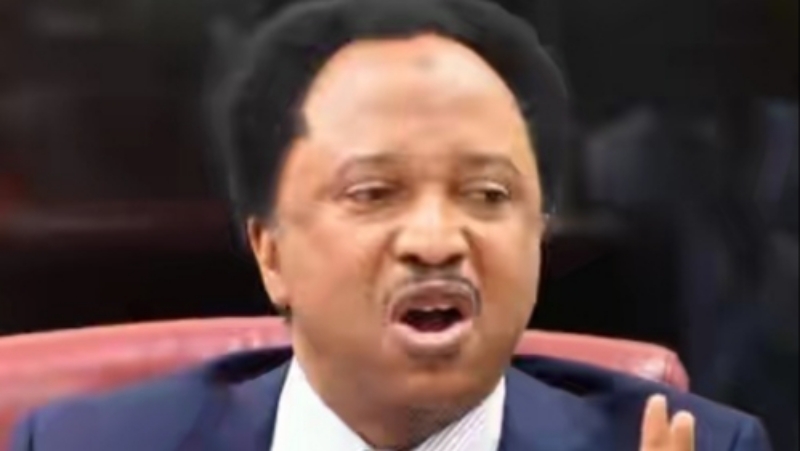
Former Nigerian senator Shehu Sani also rejected calls to stop Tyla’s Lagos concert. Like Sowore, he recognised the frustration Nigerians feel over xenophobic attacks but argued that Tyla should not be treated as part of the problem without evidence.
Shehu Sani stated:
“I know how angry Nigerians are with the South African Xenophobic gangs, but Tyla should be allowed to perform in peace. She is not xenophobic, and I’m not aware of any statement she ever made against ‘Foreynas’. Xenophobia should not be our moral lenses or compass.”
Sani’s argument centred on fairness and evidence. He acknowledged the pain caused by xenophobic violence but insisted that opposition to xenophobia should not lead to unfair treatment of people who have not participated in such actions.
His statement reflected a broader argument that fighting discrimination requires avoiding collective punishment. According to this view, targeting Tyla because she is South African risks creating another form of discrimination based on nationality.
The former senator also suggested that anger should be directed toward those who promote or commit xenophobic violence rather than individuals whose only connection is their nationality.
The Bigger Nigeria South Africa Question
The Tyla concert controversy has revealed deeper tensions that have existed between Nigeria and South Africa for years. Both countries share strong cultural ties, but they have also experienced repeated disagreements over issues involving migration, business competition, diplomacy and treatment of citizens.
South Africa has one of the largest Nigerian communities outside Nigeria, with many Nigerians living, studying and running businesses there. At the same time, South African companies operate across Nigeria, creating economic connections between both countries.
However, incidents of xenophobic violence have repeatedly damaged public perception. Nigerians who support the boycott believe repeated attacks against African migrants cannot be ignored whenever cultural events take place.
They argue that entertainers with international influence should use their platforms to condemn injustice, especially when affected communities include people who support their careers.
Those opposing the boycott believe the solution requires separating individuals from national problems. They argue that artists should not become targets because of where they were born, especially when there is no evidence connecting them to harmful actions.
The disagreement shows a wider challenge facing Africa: how countries balance national anger with the idea of continental unity.
A Debate Beyond One Concert
The controversy surrounding Tyla’s planned Lagos concert has become larger than a single entertainment event. It has turned into a debate about responsibility, silence, justice and the limits of public accountability.
For VeryDarkMan, Solomon Buchi, Pere Egbi, Jaywon and Do2dtun, the issue represents a moment for Nigerians to demand recognition of the pain caused by xenophobic attacks. Their argument is that ignoring such issues allows them to continue without consequences.
For Omoyele Sowore and Shehu Sani, the focus should remain on governments, criminals and institutions responsible for creating or allowing xenophobic conditions. They argue that an artiste should not be punished for actions she did not commit.
The planned December 2026 Lagos concert remains at the centre of the disagreement, but the conversation surrounding it reflects a much older struggle over African identity, unity and accountability.
As Nigerians continue debating the issue, the central question remains whether public pressure against individuals connected to a country can create meaningful change, or whether true accountability must focus only on those directly responsible for injustice.