For nearly a decade, the legal dispute between Nigerian singer Douglas Jack Agu, popularly known as Runtown, and his former record label, Eric Many Entertainment, has remained one of the most closely watched conflicts in Nigeria’s music industry.
What began as a promising partnership that helped produce hit songs and elevate Runtown into one of Afrobeats’ biggest stars has since evolved into a prolonged legal battle involving contract disputes, restraining orders, lawsuits, public accusations, trademark ownership and arguments over music rights.
The latest chapter unfolded in July 2026 after a High Court of the Federal Capital Territory (FCT), Abuja, ruled that Runtown’s recording agreement with Eric Many remained valid. The judgment ordered the singer to fulfil his contractual obligations and pay more than ₦319 million in damages, recoupment and legal costs.
However, Runtown immediately rejected the development, accusing Eric Many founder Prince Okwudili “Dilly” Umenyiora of misleading the public with what he described as “fake court orders.” He also insisted he would not hand over access to his music catalogue, signalling that despite years of litigation, the dispute may still be far from over.
From Underground Talent To Afrobeats Star

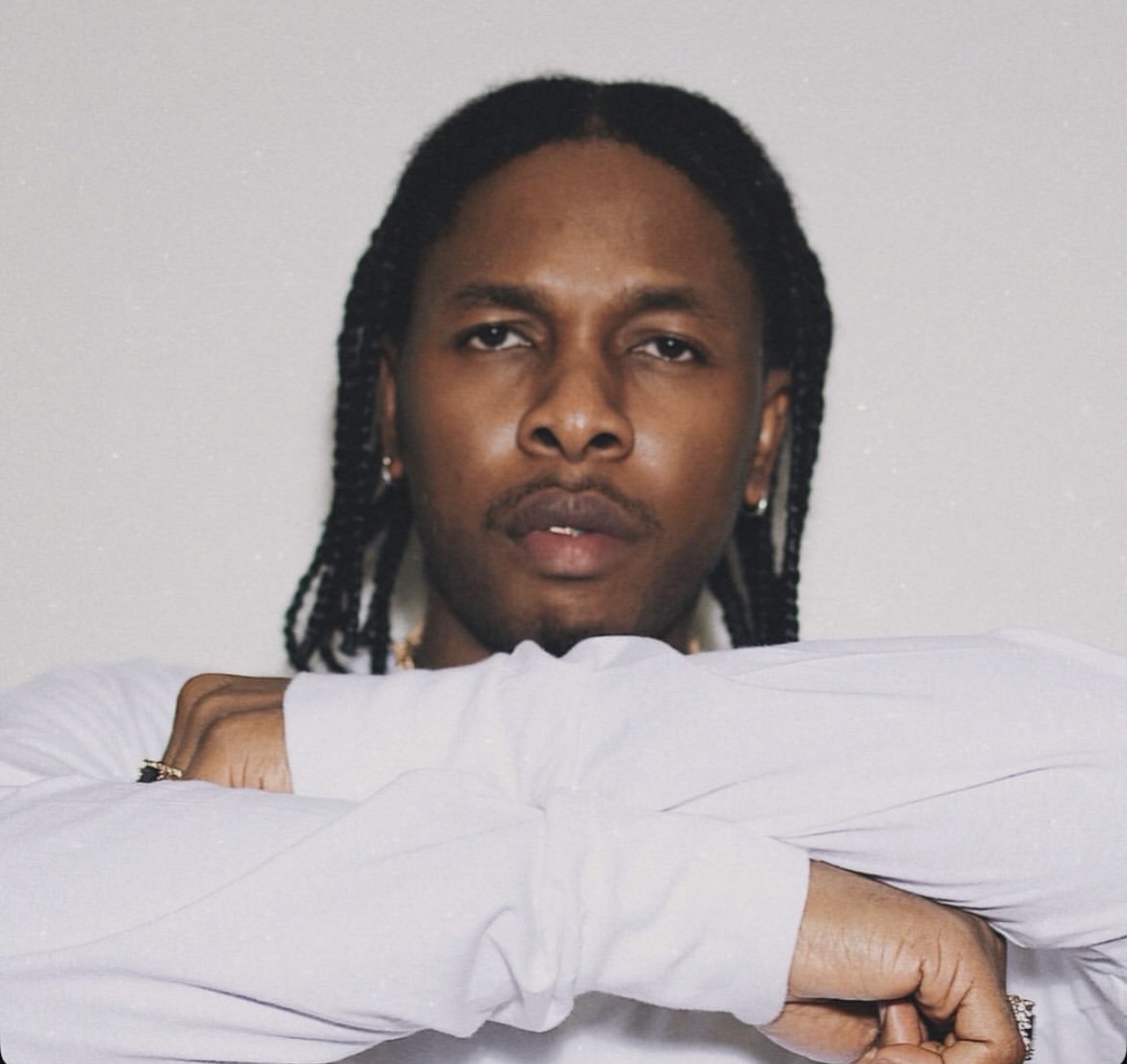
Runtown’s music journey began long before the courtroom battles.
After relocating from Enugu to Lagos around 2007, he worked as an underground singer, songwriter and producer. During those early years, he collaborated with rapper Phyno and gradually built his reputation through underground releases and collaborations with established artistes.
The pair stayed with J. Martins while working on the later’s studio album. They later met Timaya through J.Martins and Runtown began to live with the “Dem Mama” star who mentored him.
In 2011, Runtown officially launched his career by releasing his debut single, “Party Like It’s 1980”.
His major breakthrough came on January 29, 2014, when he released “Gallardo” featuring Davido. The song became an instant success, introducing him to a wider audience and establishing him as one of Nigeria’s rising music stars.
Following the success of Gallardo, Runtown was introduced to businessman Prince Okwudili Umenyiora, popularly known as Dilly, through music executive Bugo Aneto Okeke.
Dilly, chairman of Dilly Motors Limited and founder of Eric Many Entertainment, decided to invest heavily in the singer’s career.
Later in 2014, both parties signed a multi-million naira recording agreement that would eventually become the centre of one of Nigeria’s longest-running entertainment disputes.
According to reports and documents later made public, the agreement was structured as a 360-degree recording deal.
Eric Many reportedly financed Runtown’s career, provided him with a luxury apartment in Lagos and a Lexus SUV, while the contract allegedly gave the label a 60 per cent share of revenues generated from music, endorsements and performances.
The partnership initially flourished.
In November 2015, Runtown released his debut album, Ghetto University, under Eric Many Entertainment, further cementing his place in Nigeria’s music industry.
The Relationship Begins To Fall Apart

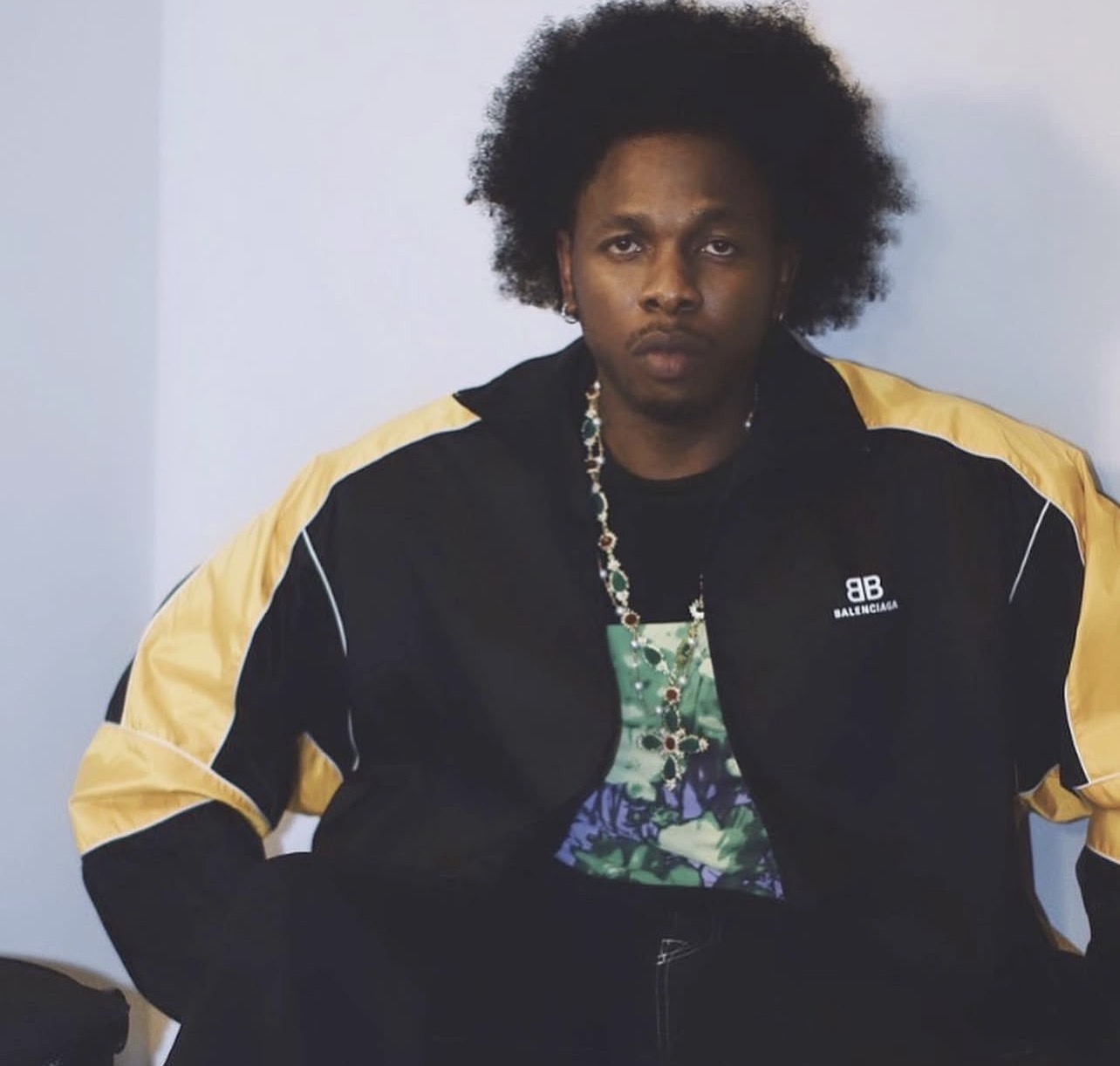
By 2016, cracks had begun to appear. Runtown wanted to leave the label before the end of the agreement, while Eric Many insisted the contract remained binding.
Both parties offered sharply different accounts of what went wrong.
Eric Many accused the singer of secretly accepting performance bookings, recording new music and planning international tours without the company’s approval. The label maintained that it had invested heavily in Runtown’s career and that he walked away before those investments had been recovered.
The company also alleged that Runtown attempted to commercially exploit the “RUNTOWN” brand despite contractual provisions it said assigned those rights to the label.
Runtown, however, accused the company of withholding his contractual share of digital royalties and other revenues. He also made more serious allegations against Dilly, claiming the businessman threatened him during a disagreement over money. In an interview at the time, the singer said:
“The next thing, he pulled out a gun, and threatened me… I felt scared and confused.”
Dilly and Eric Many denied the allegation.
Runtown also claimed that the label became excessively controlling and sought to limit his freedom to perform, collaborate and make independent career decisions.
Those opposing claims laid the foundation for years of litigation.
The Courtroom Battle Begins

The dispute quickly moved from private disagreements to the courts.
In May 2016, Eric Many approached the Federal High Court, accusing Runtown of breaching his recording contract after attempting to terminate the agreement. The label secured interim court orders restraining the singer from recording music, performing at concerts and engaging in commercial activities outside the agreement while the dispute was being determined.
Around the same period, the contractual disagreement also reached the United States. A United States District Court in New York granted a temporary restraining order sought by Eric Many, preventing Runtown from carrying out scheduled performances in the US pending the determination of the contractual dispute.
Despite the legal restrictions, Runtown released “Mad Over You” on November 4, 2016. The song became one of Africa’s biggest hits, topping charts across several countries and introducing the “pon pon” sound to a wider global audience.
Ironically, the song that strengthened Runtown’s international reputation also deepened the disagreement between both parties, with Eric Many maintaining that it retained rights under the recording agreement.
From Lawsuits To Public Accusations
As the legal battle intensified, so did the public war. Court documents, legal filings and official statements were repeatedly released to the media.
Eric Many publicly highlighted the investments it claimed to have made in Runtown’s career, including accommodation, vehicles and financial support.
The label insisted the singer still owed millions in unrecovered investments and accused him of organising concerts through other agencies without authorisation.
Runtown responded through interviews and social media, accusing Dilly of trying to frustrate his career.
In 2018, the conflict took another dramatic turn after a sex tape allegedly involving the singer surfaced online. An anonymous Instagram account leaked a blurry video clip claiming to feature the Nigerian singer alongside an unidentified woman.
Because the leak occurred in the middle of a massive legal battle between Runtown and his record label, initial rumours suggested the label leaked the video to blackmail him.
Runtown dismissed it as fabricated and accused people linked to the dispute of attempting to damage his reputation.
An individual associated with the controversy later publicly apologised, while Eric Many denied involvement in the incident.
The dispute had by then expanded beyond the courtroom into a fierce battle for public opinion.
Fresh Court Actions And Temporary Relief
The legal battle continued throughout 2018. Eric Many returned to court, seeking fresh orders against the singer while demanding hundreds of millions of naira in damages over alleged contract breaches and unrecovered investments.
In December 2018, another court granted interlocutory orders restricting Runtown’s commercial music activities pending the determination of the substantive suit.
The tide shifted on January 23, 2019. Justice O. A. Musa of the Federal High Court in Abuja suspended the earlier restrictions preventing Runtown from performing and also restrained Eric Many from interfering with the singer’s music career.
The decision was widely seen as a major victory for Runtown. That same year, he continued releasing music independently and expanded his activities under his newly established label, Soundgod Music Group.
Years later, on January 18, 2024, the Court of Appeal also set aside the earlier interlocutory orders that had restricted his performances, holding that interim orders should not completely deprive an artiste of earning a living while a substantive dispute remained unresolved.
Although those decisions favoured Runtown at different stages, the main dispute over the validity of the recording agreement continued before the High Court.
Building Soundgod While The Legal Battle Continued

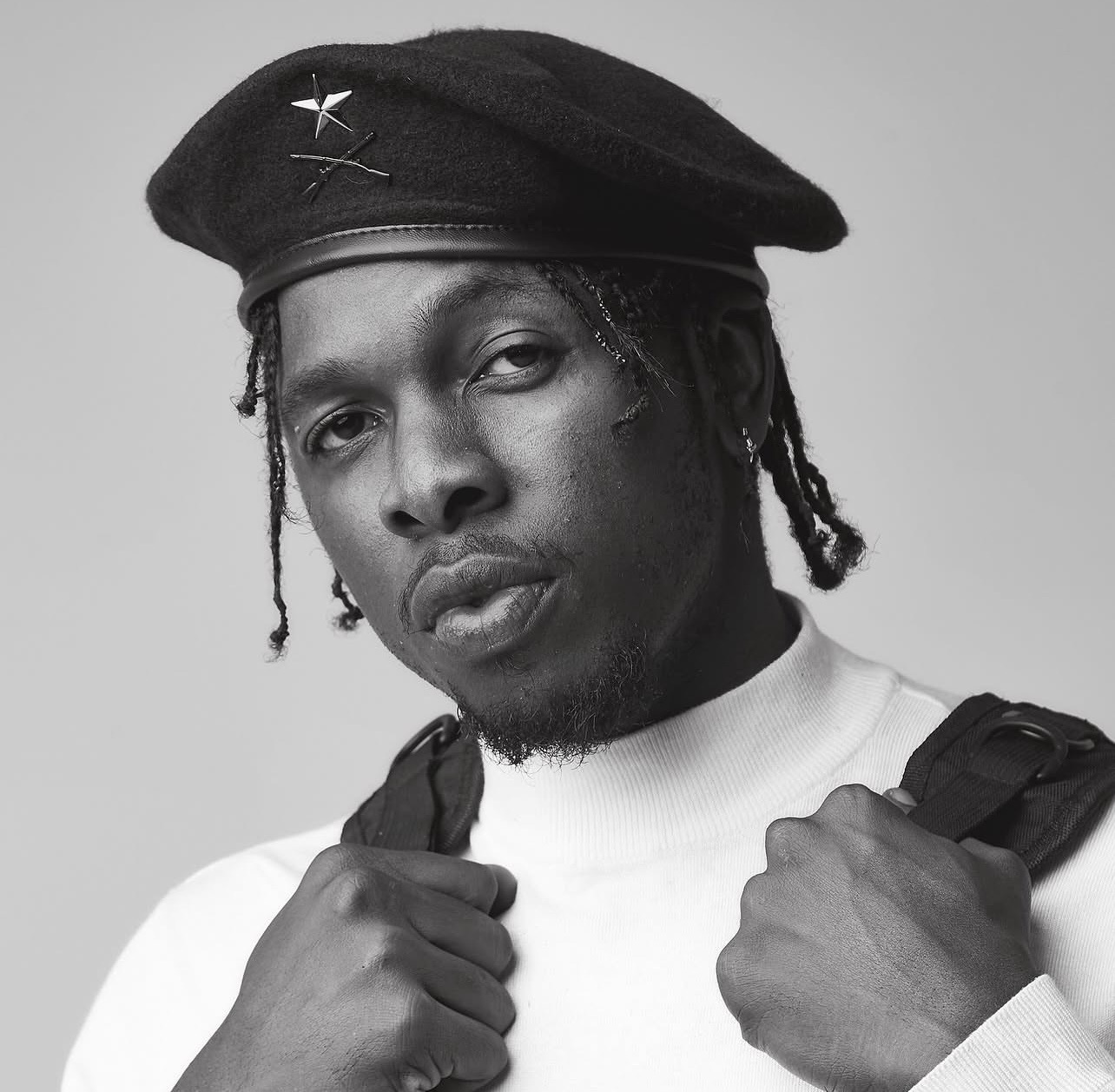
Even as the lawsuits dragged on, Runtown rebuilt his career. In June 2018, he officially launched Soundgod Music Group, describing it as a platform that would allow him greater creative and financial independence.
His first independent project, Tradition EP, arrived in May 2019 and performed strongly on streaming platforms. He later released Soundgod Fest projects before returning with his studio album Signs in 2022.
Outside music, Runtown also became one of the prominent entertainers who joined the #EndSARS protests in October 2020.
Yet, despite his independent success, the legal dispute with Eric Many never truly disappeared. According to the label, Runtown remained bound by the recording agreement.
The singer, on the other hand, continued to maintain that he had moved on from the contract years earlier.
The 2026 Judgment Changes The Conversation Again
The biggest development in the case came on July 16, 2026.
Justice O. A. Musa of the High Court of the Federal Capital Territory, Abuja, ruled that the recording agreement executed between Runtown and Eric Many in June 2016 remained valid and had never been lawfully terminated.
The court ordered the singer to pay more than ₦319 million. The breakdown included ₦266 million as outstanding investment and expenses yet to be recouped by the label, ₦50 million as general damages for breach of contract and ₦3 million as the cost of the legal proceedings.
The court also ruled that interest of 10 per cent per annum would continue to accrue until the judgment debt was fully settled.
In addition, the judgment declared that the “RUNTOWN” trademark belonged to Eric Many under the agreement and held that the singer remained under contractual obligations to the label.
The court restrained him from undertaking commercial music activities outside the terms of the agreement until those obligations were fulfilled.
It also ordered him to deliver master recordings for one full album in line with the contractual terms recognised by the court.
The ruling marked one of the most significant moments in the decade-long dispute.
Runtown Rejects The Ruling

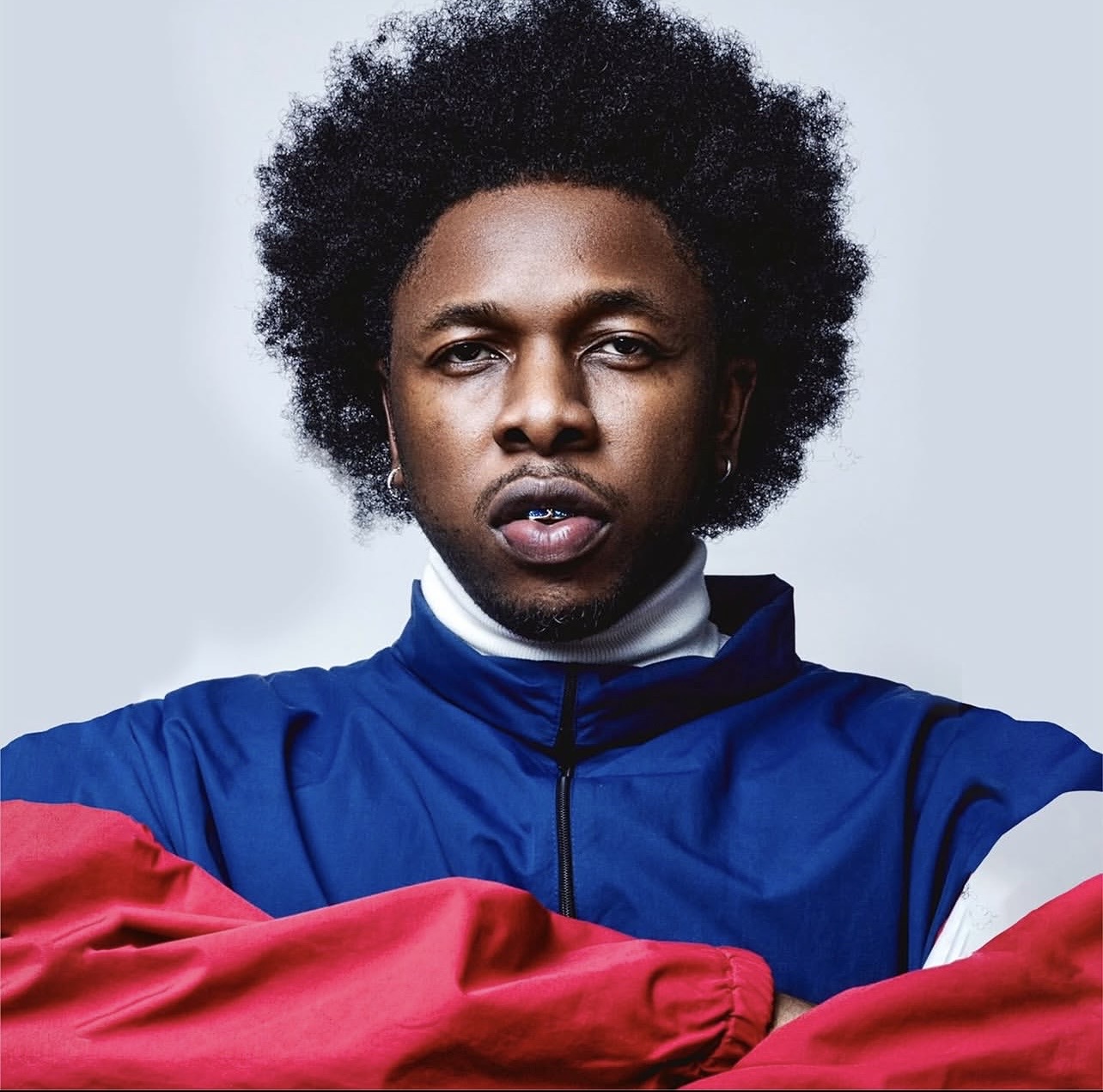
Barely two weeks after the judgment, Runtown publicly dismissed the development. Writing on X on July 30, 2026, the singer accused Dilly of repeatedly misleading the public. He wrote:
“Back outside! So not going to let any agenda run… Mr Dilly, every year you try to deceive people with fake court orders… you think after 9 years I’ll give you passwords and access to my catalogue?? Lol nice try… Keep trying.”
His statement suggested that another disagreement had emerged over access to his music catalogue, although the parties have continued to differ over the implications of the latest court decision.
Why The Dispute Matters
Beyond the personalities involved, the Runtown-Eric Many dispute has become one of Nigeria’s most significant entertainment law cases.
It highlights the complexities surrounding 360-degree recording contracts, artist management, intellectual property, trademarks, royalties and ownership of music catalogues.
The case also illustrates how disagreements over contracts can evolve into years of litigation, affecting careers, business relationships, growth and public perception.
For many upcoming artistes, it has become a reminder of the importance of understanding recording agreements before signing them.
Conclusion
What started as a partnership that transformed Runtown from an emerging artiste into one of Afrobeats’ biggest names has, over the last 10 years, turned into one of the industry’s longest and most contentious legal battles.
From the success of Gallardo and Ghetto University to the release of Mad Over You, from court injunctions in Nigeria and the United States to appeals, public accusations and the recent ₦319 million judgment, the dispute has continued to shape conversations around artist-label relationships in Nigeria.
While the July 2026 judgment represents a significant legal victory for Eric Many Entertainment, Runtown’s latest public response makes one thing clear: the disagreement has not ended. As both sides continue to stand by their positions, the story remains an important case study in contracts, music rights and the evolving business of Afrobeats.