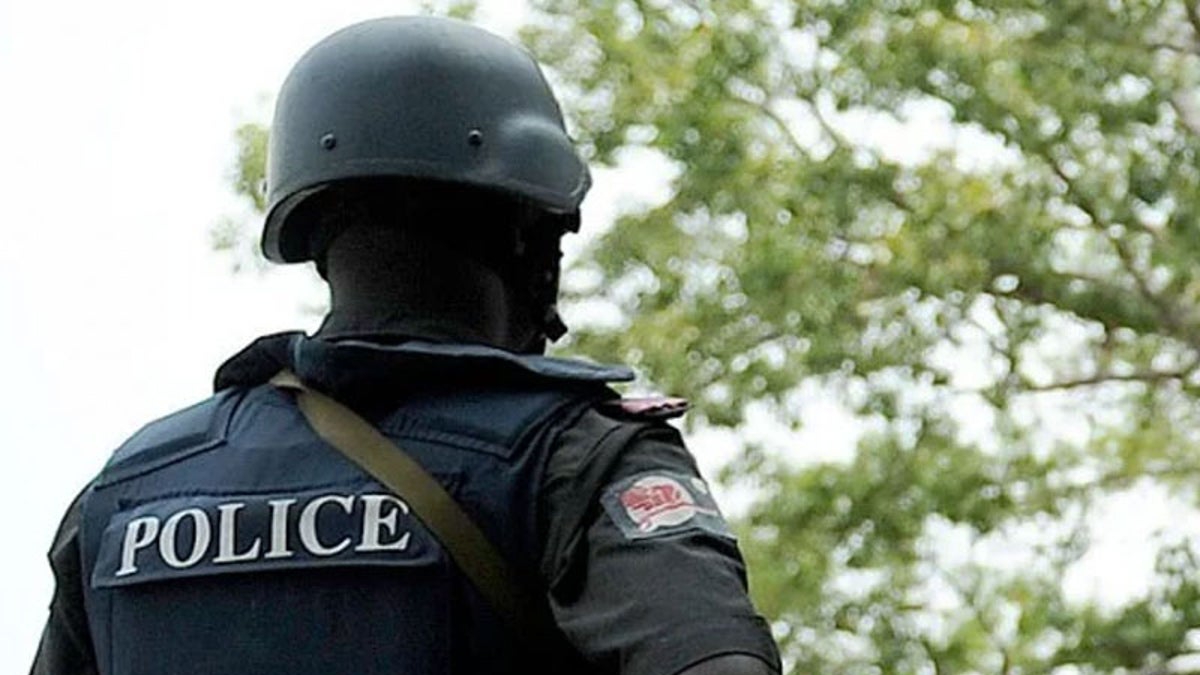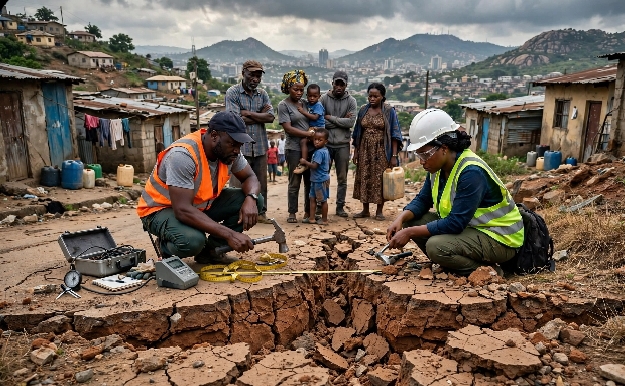
The ground beneath Abuja has once again forced Nigerians to look beyond the surface of everyday life. For many residents, the sudden feeling of movement beneath their feet brought back memories of earlier moments when buildings shook, unusual sounds were heard underground, and questions about Nigeria’s earthquake readiness dominated public conversations. The latest tremor may have passed without widespread destruction, but it has reopened a deeper national concern that has remained unresolved for years.
Nigeria is not a country commonly associated with earthquakes, unlike nations that experience frequent destructive seismic events. However, the repeated tremors recorded around the Federal Capital Territory have shown that seismic activity is not completely outside the country’s reality. Each occurrence has raised the same difficult question about whether Nigeria’s cities, buildings, emergency systems and public awareness are prepared if underground activity becomes stronger in the future.
The Abuja tremor of 2026 comes after previous incidents that attracted scientific attention, government response and public concern. The pattern has created a timeline that experts continue to study, especially around areas such as Mpape, Katampe and nearby districts where ground movements have repeatedly been reported.
August 2026 Tremor Brings Fresh Attention To Abuja’s Seismic Activity
On August 5, 2026, residents in parts of Abuja reported feeling earth movements that immediately triggered public concern. Reports of shaking and vibrations spread among communities, bringing back memories of previous tremor episodes recorded in the Federal Capital Territory.
Government authorities moved to reassure residents while increasing monitoring activities around affected locations. The Nigerian Geological Survey Agency was tasked with continuing observation of seismic activity, while officials within the Ministry of Solid Minerals Development called for closer attention to developments around Abuja.
The response reflected a growing understanding among authorities that even low intensity tremors require proper scientific monitoring. While the latest incident did not result in reports of major destruction, it became another reminder that seismic events can occur in areas where many people never expected them.
The Federal Capital Territory remains a major area of interest because Abuja contains important government buildings, residential districts, commercial structures and expanding urban developments. Any discussion about earthquake preparedness naturally becomes more serious when it involves a rapidly growing capital city.
Areas That Have Repeatedly Reported Ground Movement
Several parts of Abuja have appeared repeatedly in reports of tremors over the years. Communities including Mpape, Katampe, Maitama, Jabi, Gwarinpa and Kubwa have been mentioned during different periods of seismic activity.
Among these locations, Mpape and Katampe have received the greatest scientific attention because of repeated reports of shaking and underground vibrations. Mpape, in particular, has remained central to discussions because of its geological features and history of quarry related activities.
Residents in these communities have described experiences ranging from buildings vibrating to hearing unusual sounds beneath the ground. For many people living in these areas, the repeated events have created concerns about whether the tremors are isolated incidents or signs of wider geological activity.
Scientists studying the situation have continued to emphasise that repeated tremors require observation rather than panic. A tremor does not automatically mean a major earthquake is approaching, but it provides valuable information about activity beneath the earth’s surface.
Abuja’s First Major Tremor Scare In 2018
The first major Abuja tremor that gained nationwide attention occurred between September 5 and September 8, 2018. During this period, residents across parts of the Federal Capital Territory reported unusual ground movements that created widespread anxiety.
People living around Mpape, Maitama, Katampe, Jahi, Gwarinpa and Kubwa reported shaking buildings, vibrations and underground sounds. The situation created fears that Abuja could be facing an earthquake event similar to those experienced in other parts of the world.
The reports attracted government attention, leading to investigations involving relevant agencies and experts. Authorities began examining possible causes while trying to determine whether the activity represented a serious geological threat.
The 2018 incident became an important moment in Nigeria’s understanding of earthquakes and tremors. Before then, many Nigerians rarely considered the possibility of seismic activity occurring within the country. The event changed public perception and pushed earthquake preparedness into national discussions.
Scientists studying the incident looked at several possible explanations, including the geological structure of the area, existing fault systems and human activities that may influence ground vibrations.
The Return Of Abuja Tremors In September 2024
After the 2018 episode, Abuja experienced another significant tremor sequence between September 13 and September 17, 2024. The development once again brought seismic activity in the capital city back into national focus.
Residents around Mpape reported feeling repeated movements, while some communities also mentioned unusual underground sounds. The reports created fresh concerns among residents who remembered the earlier tremors years before.
Scientific monitoring equipment detected ground movements during the period, allowing researchers to study the activity through recorded data rather than relying only on public reports.
The Federal Government responded by assuring residents that experts were examining the situation. Officials explained that the recorded events were tremors and not evidence of a destructive earthquake occurring at that moment.
The response focused on calm communication, continuous monitoring and scientific assessment. Authorities encouraged residents not to spread panic while agencies continued gathering information about the activity beneath Abuja.
Government Response After The 2024 Tremor Sequence
On September 16, 2024, government officials provided updates aimed at calming public concerns. Authorities explained that scientific teams were analysing available seismic information and monitoring developments around affected areas.
On September 18, 2024, the Nigerian Geological Survey Agency confirmed that tremors had occurred around parts of the Federal Capital Territory. The agency described the activity as low level seismic movement and advised residents to remain calm.
The confirmation provided official recognition that the shaking experienced by residents was linked to genuine earth movement rather than rumours or public misunderstanding.
However, the repeated nature of the incidents kept the larger question alive. Monitoring a tremor after it happens is important, but preparedness involves much more than observation. It involves understanding building safety, emergency response capacity and public knowledge about what to do during seismic events.
On September 26, 2024, the House of Representatives also reacted by directing the National Emergency Management Agency to examine possible risks and strengthen safety measures related to earthquake concerns.
The parliamentary response showed that Abuja’s tremor episodes had moved beyond a scientific issue into a national safety discussion.
Why Abuja Experiences Tremors
Scientists have examined several possible reasons behind Abuja’s seismic activity. One major area of focus is the geological structure beneath parts of the Federal Capital Territory.
Abuja sits on complex rock formations containing fractures and geological features that can influence underground movements. Areas around Mpape have attracted attention because of their unique landscape and geological conditions.
The presence of fractured rock systems does not automatically mean an earthquake disaster is likely. However, such formations can provide important clues when scientists investigate why certain areas experience repeated vibrations.
Another factor that has received attention is human activity, especially quarrying and rock blasting around some locations. Mpape has a history connected to quarry operations, and experts have examined whether excavation activities could contribute to vibrations experienced by residents.
The relationship between quarry activities and seismic movement remains an area requiring careful scientific study. Not every vibration reported in an area with quarry activity is necessarily caused by blasting or excavation, which is why researchers rely on monitoring data before reaching conclusions.
The focus remains on understanding the combination of natural geological conditions and human activities that may influence Abuja’s underground environment.
Nigeria’s Earthquake Risk Compared With Global Seismic Zones
Nigeria is not located within one of the world’s most active earthquake regions. Countries such as Japan, Turkey, Indonesia and Chile regularly experience stronger seismic activity because they sit close to major tectonic plate boundaries where enormous movements beneath the earth frequently occur.
Nigeria’s geological situation is different because the country is located within a relatively stable part of the African Plate. This has historically reduced the frequency of destructive earthquakes compared with countries positioned along major fault lines.
However, geological stability does not mean complete immunity. Nigeria has recorded earthquakes and tremors in different parts of the country over several decades, showing that underground movements can occur even in regions considered less active.
The difference between a tremor and a destructive earthquake is often determined by the amount of energy released, the depth of the movement, the location of the activity and the strength of structures around the affected area.
A small tremor can occur without leading to a larger event. Scientists have repeatedly explained that every tremor should be studied carefully but should not automatically be interpreted as a warning that a major earthquake is approaching.
The concern surrounding Abuja is not based on the idea that a major earthquake is guaranteed to happen. The concern is whether Nigeria has enough preparation in place if stronger seismic activity ever occurs.
The Scientific Questions Behind Abuja’s Tremors
Every tremor provides scientists with information about what is happening beneath the earth’s surface. Researchers examine factors such as location, intensity, frequency and geological conditions to understand patterns.
The repeated activity around Abuja has encouraged closer scientific observation because multiple tremors in the same broad area require proper documentation.
Scientists use seismic monitoring equipment to record vibrations that may not always be noticeable to humans. These instruments help determine the strength of movements and provide data that can support future risk assessments.
The challenge is that predicting earthquakes remains extremely difficult worldwide. Even countries with advanced technology cannot accurately predict the exact time, location and strength of a future earthquake.
For Nigeria, the priority is therefore not predicting an earthquake but improving readiness. Monitoring systems, research and public awareness become the main tools for reducing possible damage.
The Abuja tremor episodes have highlighted the importance of expanding scientific knowledge about Nigeria’s underground structures and strengthening cooperation between geological agencies, emergency authorities and urban planners.
Building Safety Becomes A Major Concern
One of the biggest questions surrounding earthquake preparedness in Abuja is whether buildings are strong enough to withstand significant ground movement.
Nigeria has building regulations designed to improve construction standards, but experts have repeatedly raised concerns about enforcement, compliance and monitoring.
A strong building code is useful only when properly implemented. The quality of materials used, construction methods, supervision and regular inspections all determine how structures perform during emergencies.
Abuja has experienced rapid urban expansion over the years, with residential estates, commercial buildings and high rise structures increasing across the city. This growth has made construction safety an even more important issue.
The concern is not that every building in Abuja is unsafe. Many structures are designed and built according to approved standards. The challenge is ensuring consistent compliance across all areas, especially where construction practices may not receive adequate oversight.
Earthquake resistant construction is common in countries that regularly experience seismic activity. Such designs consider how buildings respond when the ground moves, allowing structures to absorb stress rather than collapse suddenly.
Nigeria’s construction industry has focused mainly on risks such as flooding, poor foundations and other structural issues, but repeated tremors have increased discussions about whether seismic considerations should receive more attention.
Emergency Preparedness Questions Nigeria Must Answer
A major earthquake is not only a test of buildings. It is also a test of emergency systems, communication networks and public response.
Countries with frequent earthquakes usually conduct regular drills that teach citizens how to react during shaking. People learn where to take cover, how to evacuate safely and how to avoid dangerous situations after an event.
Nigeria has fewer earthquake focused public education campaigns compared with countries where seismic disasters are common. Many Nigerians remain unfamiliar with basic earthquake safety procedures.
The Abuja tremor episodes showed how quickly fear can spread when residents experience unexpected ground movement. Without proper information, people may panic, rush into unsafe areas or make decisions that increase danger.
Emergency agencies would need clear coordination during any serious seismic event. Rescue teams, hospitals, security agencies, local authorities and communication networks must work together quickly.
Preparedness also involves public confidence. Residents need to know where official information will come from and how to respond when warnings or instructions are issued.
The repeated tremors around Abuja provide an opportunity to improve awareness before any major emergency occurs.
Nigeria’s Seismic Monitoring Network
The Nigerian Geological Survey Agency plays a major role in monitoring geological activity across the country. Through seismic observation systems, scientists can collect information about underground movements.
Monitoring stations provide valuable data that helps experts understand where tremors occur and how strong they are.
However, experts have continued to emphasise the need for wider monitoring coverage and continuous investment in research.
A country’s ability to respond effectively depends partly on how much it knows about its geological environment. More monitoring locations can provide better information about seismic patterns across different regions.
Nigeria’s growing cities make this knowledge increasingly important. Urban planning decisions, infrastructure development and emergency preparation all benefit from accurate geological information.
The Abuja tremors have therefore renewed discussions about strengthening scientific capacity and ensuring that monitoring systems remain active, reliable and properly maintained.
What Abuja Residents Should Know During A Tremor
When the ground begins shaking, the first response can determine personal safety. Experts advise residents to remain calm and avoid actions that may increase the risk of injury.
People indoors are advised to stay away from windows, glass objects and unstable items that may fall. Taking cover under strong furniture or protecting the head with the arms can reduce the risk of injury during shaking.
Running immediately outside during active shaking can be dangerous because falling objects, broken glass and damaged structures may create additional hazards.
People outside should move away from buildings, electric poles and other structures that could collapse. Open spaces provide safer areas during ground movement.
After shaking stops, residents should check for injuries, avoid damaged buildings and follow updates from official agencies.
Preparedness begins before an emergency happens. Knowing what to do in advance reduces confusion and helps communities respond more effectively.
The Bigger Question After Abuja’s Repeated Tremors
The tremors recorded in Abuja in 2018, 2024 and 2026 have created a pattern that cannot simply be ignored. They have shown that seismic activity exists within Nigeria and that the country must continue studying its geological environment.
The issue is not whether Nigeria will suddenly experience a disaster similar to countries known for devastating earthquakes. The more important issue is whether the country is building the systems needed to respond if seismic activity becomes stronger.
A city like Abuja carries unique responsibilities because it houses major government institutions, millions of residents and important national infrastructure.
The latest tremor may not represent an immediate danger, but it has served as another warning that preparation cannot begin after a disaster happens.
Strong buildings, effective monitoring, informed citizens and coordinated emergency systems remain the foundation of safety.
Nigeria’s earthquake conversation has moved from disbelief to awareness. The ground beneath Abuja has provided another reminder that natural events do not always follow expectations, and readiness remains the strongest protection against uncertainty.