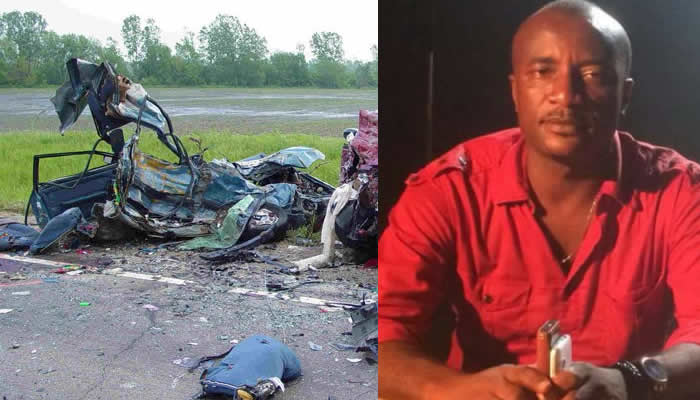
The Nigerian entertainment industry has had a difficult start to August 2026, with the deaths of five familiar names coming in quick succession.
Between July 30 and August 8, 2026, the industry lost five celebrities. They came from different parts of the entertainment world and built very different careers, still the hit was felt.
Their deaths were not connected, and the circumstances surrounding each passing were different. But the short space of time between them has made the losses particularly painful for fans and colleagues.
Here is how the 10-day period unfolded.
July 30: Lara Don-Momoh dies at 42


The first of the five deaths came on July 30, 2026, when relationship coach, therapist, author and business strategist Lara Kudayisi Don-Momoh, popularly known as Coach Lara, died at the age of 42.
Lara was widely known as a relationship expert and matchmaker. Through her work, she built a reputation for helping people deal with heartbreak, emotional trauma and relationship struggles.
She founded the Lara Kudayisi International Company and created programmes focused on relationship coaching and heartbreak recovery. She was also a public speaker and author, and regularly appeared on television and radio to discuss relationships and emotional healing.
Her journey had also been shaped by personal struggles that she openly discussed. She spoke about surviving heartbreak and difficult experiences in her younger years and used those experiences to build the work for which she eventually became known. But her death came at a particularly painful time for her family.
Lara had married Nigerian broadcaster Teddy Don-Momoh in 2023, nine years after the death of his first wife, gospel singer Kefee, in 2014.
In mid-July 2026, Lara and Teddy welcomed their first child together after years of waiting.
Barely two weeks later, Lara was dead. She reportedly died peacefully following a brief illness. Her family officially announced her death in a statement shared on her Instagram page on August 3, leaving many of her followers shocked by the speed with which the news came.
For many who followed her work, the loss was made even more difficult by the fact that she had only recently entered a new chapter of her life as a mother.
August 1: Saint Janet follows two days later

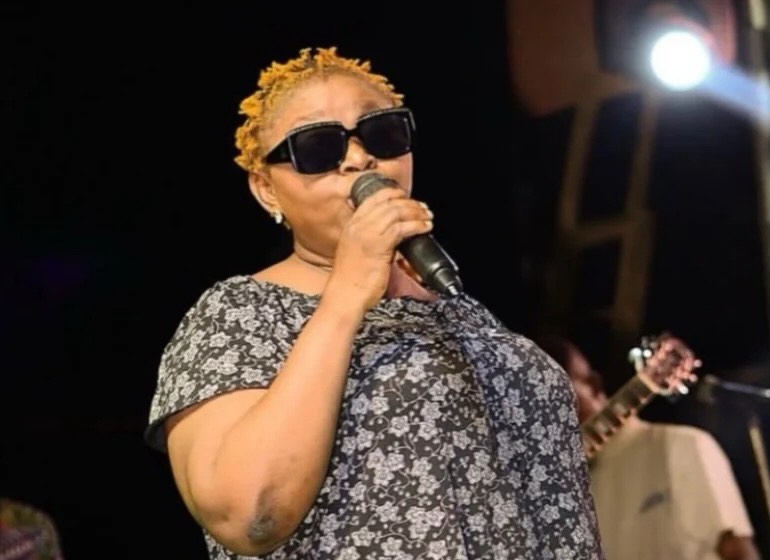
Just two days after Lara’s death, the industry suffered another loss.
Veteran Juju and Highlife musician Saint Janet, born Iyun Janet Oluwatoyosi Ajilore, died on August 1, 2026, following a brief illness. She was reportedly in her 50s. News of her death was made public on August 2, with publisher and entertainment personality Otunba Femi Davies among those who confirmed the sad development.
Reports linked her death to health complications arising from diabetes. Saint Janet was not an ordinary figure in the Juju music scene.
Fondly called “Mama Yabis,” she became known for her energetic performances, sharp social commentary and controversial songs. She also created the unusual persona of the “General Overseer of St. Bottles Cathedral,” a fictional church that became part of her stage identity.
Her music was often built around satire, adult themes and unfiltered Yoruba lyrics. That style attracted both fans and criticism. She faced backlash from conservative groups and music authorities, and in 2010, the Performing Musicians Association of Nigeria reportedly banned her over the nature of her music.
But the controversy did little to end her career. Saint Janet remained a popular performer, particularly at high-profile social events and parties.
Her journey into secular music was itself a major change from her beginnings. She had started out as a gospel choir singer before moving into Juju music, partly because she believed secular music offered better financial opportunities.
In the end, it was the woman behind the controversial stage persona that her colleagues and fans mourned.
Her death, coming only two days after Lara Don-Momoh’s, marked the second major entertainment loss in the space of 48 hours.
August 4: Temitope Osoba dies after her battle with cancer


The losses continued a few days later with the death of Temitope “Tope” Osoba, a popular Yoruba actress and filmmaker.
Tope died on August 4, 2026, at the age of 40, following her long battle with breast cancer. Born on December 2, 1985, Tope grew up in Ogun State and later Lagos after losing both parents at a young age. She was raised by her paternal grandmother.
She studied Business Education at Olabisi Onabanjo University. Her entry into entertainment came in an unexpected way. Before becoming an actress, Tope worked as a dancer and video vixen. She featured in music-related projects and worked with artistes including Pasuma and Olu Maintain.
Around 2005, she began her acting career after she was reportedly discovered while passing a film rehearsal.
Her breakthrough came years later with the Yoruba movie Oogun Mi, which helped establish her in the industry. She went on to appear in films including Gucci Girls and Igboro Ti Daru.
Tope eventually expanded her work beyond acting and became a producer, making her own film, Single Ladies.
Her career, however, took a painful turn when she was diagnosed with breast cancer. In late 2024, her illness became public, and colleagues in the industry rallied around her. Senior colleagues, including Foluke Daramola and Iyabo Ojo, were involved in efforts to raise money for her treatment.
She underwent surgery and received financial support from people who wanted to help her fight the disease.
By 2025, there appeared to be renewed hope. Tope spoke about her recovery and returned to the public space, at one point presenting herself as a cancer survivor and advocating for greater awareness and early detection.
Her death at 40 was a shock and it was followed by an outpouring of grief from her colleagues and fans. It also opened another painful chapter as conflicting accounts about her final moments began circulating.
Following her death, different accounts emerged about what happened shortly before she died. Initial reports from people around her suggested that she was being rushed to a hospital. She was also said to have updated her WhatsApp status with “OGO TUNTUN”, meaning “New Glory,” around 7pm before her death.
Her boyfriend, Prophet Itunu Onadeko, later gave a different account. He rejected claims that Tope died directly from cancer complications, as well as allegations that she had been poisoned or maltreated. He claimed he was informed by an anonymous caller that she had died at a police station in Ikorodu, Lagos State.
Tope’s family also pushed back against the rumours and reports surrounding her death and the handling of funds raised for her medical treatment. They described the circulating claims as false and appealed to the public to allow the family to grieve.
Despite the controversy surrounding the circumstances of her final hours, there was no dispute about the impact her death had on the Yoruba film community. She was 40.
And only two days later, another prominent name was gone.
August 6: Dimbo Atiya dies at 52


On August 6, 2026, Nigerian television and film lost filmmaker Dimboba “Dimbo” Atiya. He was reportedly 52.
Atiya was a filmmaker, producer and director who spent more than a decade building a body of work that helped bring Northern Nigerian stories to mainstream African television.
Through his media company, Innovative Television Kontents (ITK), he produced hundreds of television episodes and mentored actors and crew members from Northern Nigeria.
His work was particularly notable for its use of Hausa language, Northern Nigerian culture and local stories in productions that reached audiences beyond the region.
One of his best-known projects was Halita, a 239-episode drama series about a village girl who begins working in a wealthy household.
The series became a major success and earned Atiya the Best Africa Magic Original Drama Seriesaward at the 2022 Africa Magic Viewers’ Choice Awards.
He was also associated with projects including Sons of the Caliphate, a political drama centred on power, corruption and the lifestyles of wealthy Nigerians; The Plan & War: Wrath and Vengeance; and The Rishantes, which found audiences on Showmax and Africa Magic.
He also directed and wrote the romantic feature film Still Falling. His career was not limited to filmmaking.
Before making his mark in television, Atiya worked in photography. He contributed to the London Theatre and later served as head of photography at Nigerian retail company Konga.
He studied at the New York Film Academy and eventually became known not only for his own productions but also for the opportunities he created for others.
At the time of his death, he was still involved in ambitious work. He had signed on to co-produce a 104-episode remake of the classic NTA drama Cock Crow at Dawn, with production expected to take place in Jos in 2026. That project was among the work he left behind when he died on the morning of August 6.
His passing came only two days after Tope Osoba’s death and six days after Lara Don-Momoh’s.
But sadly, the 10-day stretch was not over.
August 8: Bayo Okoh, the reality-TV pioneer, dies

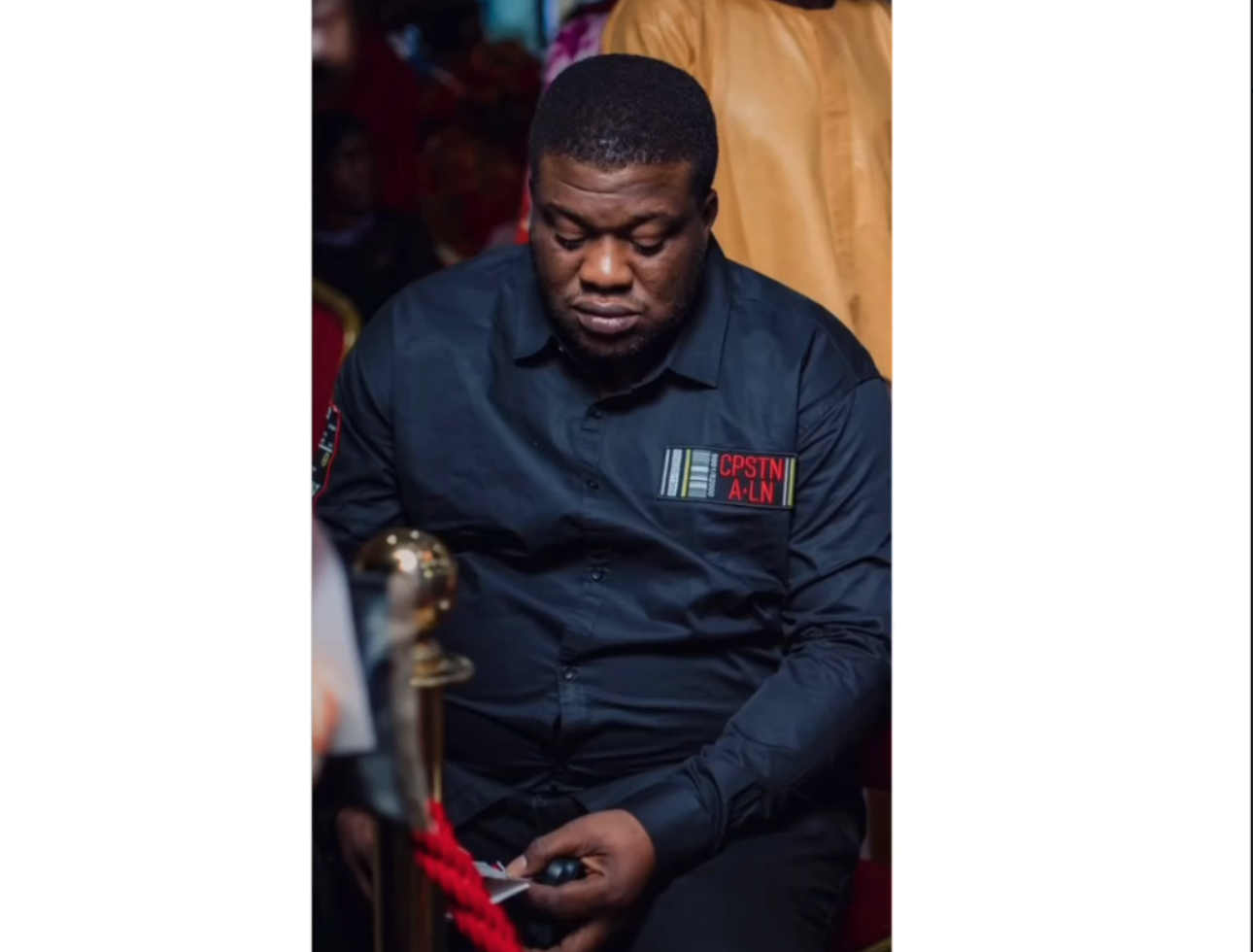
The fifth and final death in the period came on August 8, 2026, when former Big Brother Africahousemate Bayo Adetomiwa Okoh died. His death was announced by media personality Matilda Duncan.
Unlike the other four, the exact cause and circumstances of Bayo’s death had not been publicly disclosed by his family at the time of reporting.
Bayo, whose full name was Alexander Adebayo Adetomiwa Okoh, was an economist before entering the reality-TV spotlight.
In 2003, he became part of television history as one of Nigeria’s representatives on the very first season of Big Brother Africa. The inaugural season brought together 12 housemates from 12 African countries. Bayo was 28 at the time.
He spent 91 days in the house before becoming the sixth housemate evicted from the competition. He eventually finished seventh overall.
Unlike many reality stars who followed him, however, Bayo largely stayed away from the spotlight after his time on the show. He reportedly built a career outside entertainment, including work as an economist, corporate client manager and pilot.
By the time of his death in August 2026, he was believed to have been around 51.
His relatively private life in the years after Big Brother Africa meant that the news of his death came as a shock to many who remembered him from the pioneering first season.
And with his death, the industry had lost five familiar names in just 10 days.
Five different lives, one heavy 10-day stretch
From July 30 to August 8, the Nigerian entertainment space witnessed an unusually painful succession of losses.
Lara Don-Momoh was only 42 and had just become a mother.
Saint Janet had spent decades creating a unique identity in Juju music and was still remembered for the fearless personality that made her stand out.
Tope Osoba’s career was cut short at 40 after years of fighting breast cancer and attempting to rebuild her life and career.
Dimbo Atiya died while still actively contributing to Nigerian television and developing new projects.
And Bayo Okoh, who had made history more than two decades earlier, died after years away from the reality-TV spotlight.
Their careers were different. Their ages were different. The circumstances surrounding their deaths were different. But their departures came so close together that, for fans and colleagues, one loss barely had time to settle before another arrived.
In 10 days, five familiar faces were gone. And the Nigerian entertainment industry was left mourning five very different legacies.