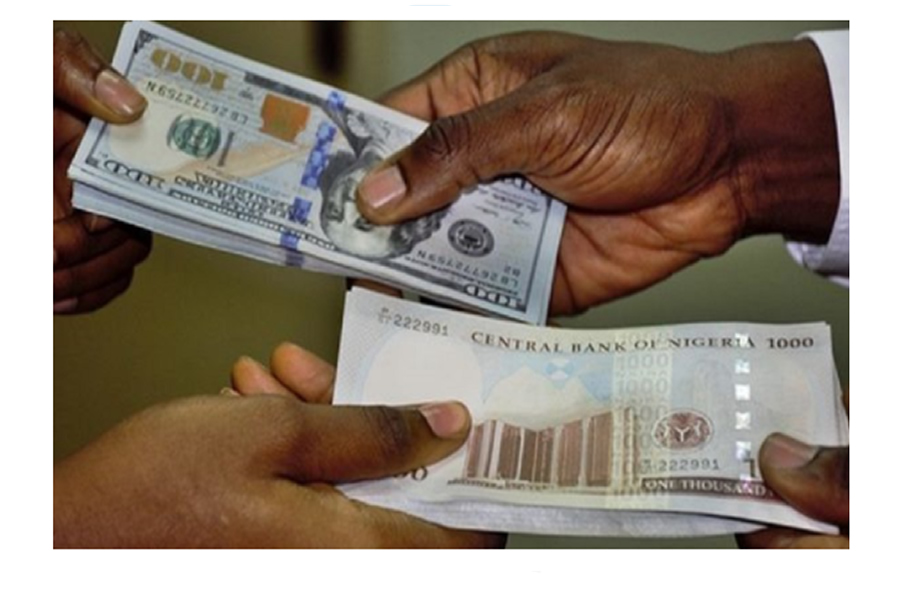
The naira opened Friday, August 14, 2026, more or less where it left off, steady, unhurried, and still trading with that familiar gap between what the banks quote and what you’ll actually pay a street dealer for cash dollars.
At the Nigerian Foreign Exchange Market (NFEM), the Central Bank of Nigeria’s benchmark rate settled at approximately ₦1,360.58 to the dollar, broadly in line with where it closed out the previous session. On the streets, though, it’s a different story. Bureau de Change operators in Lagos, Abuja, and Kano were quoting the dollar at around ₦1,410 to buy and ₦1,425 to sell, keeping the black market premium firmly above ₦60 per dollar.
Dollar to Naira Rate at a Glance — August 14, 2026
| Market | Buy Rate | Sell Rate |
|---|---|---|
| CBN / NFEM (Official) | ₦1,360.14 | ₦1,360.58 |
| Black Market (Parallel) | ₦1,410 | ₦1,425–₦1,428 |
| Weekly Range (Official) | ₦1,360 | ₦1,364.83 |
| Weekly Range (Black Market) | ₦1,385 | ₦1,428 |
Official Rate: What the CBN Window Is Showing
The NFEM rate, a volume-weighted average of the day’s official trades, has barely moved through most of July and into August. It touched ₦1,364.83 at the start of the month, drifted down toward ₦1,360, and has hovered around there ever since. If you blinked, you’d have missed the swing.
Better dollar liquidity in the official window, steady oil receipts, and healthier reserves have given the CBN more breathing room than it had through the rough stretch of 2024 and early 2025. This is the rate that applies if you’re moving money through a bank: letters of credit, school fees paid abroad, medical travel allowances, that sort of thing.
Black Market: Still Trading at a Premium
Away from the banking halls, it’s a different picture. Street rates have swung between ₦1,385 and ₦1,428 over the past week, with Thursday pushing toward the top end of that range in some Lagos hubs.
The gap between bank rates and street rates has sat around ₦55 to ₦65 per dollar depending on who you ask and which day you ask them. A few years ago, plenty of analysts figured this spread would close once the unification reforms bedded in. It hasn’t, not fully, and it’s still the number that matters most for small importers restocking inventory, families sending money home, and travellers changing cash before a trip.
One caveat: black market figures are never official. They come from BDC operators and trader reports; they shift by the hour, and they vary from one dealer to the next. Whatever number you see quoted, treat it as a snapshot, not a fixed price.
Why the Gap Won’t Close
A few things keep the premium alive. Demand for physical cash dollars, for travel, medical bills abroad, school fees paid straight to a foreign institution, routinely outpaces what the official window can supply on any given day. Some businesses also still prefer not to route every transaction through a bank, which keeps the parallel market busy.
At the same time, the CBN’s continued interventions, stronger diaspora remittance flows coming through official channels, and less of the panic-buying that defined 2023 and 2024 have all helped shrink what used to be a much wider gap. It’s still real money on the table if you’re changing a large sum, but it’s nowhere near as brutal as it was two years ago.
What This Means for You
If you’re sending money to family, paying tuition, or planning a trip, the rate that matters depends entirely on how you’re moving the money.
| Transaction Type | Rate That Applies | Approximate Range Today |
|---|---|---|
| Bank transfers / official channels | CBN / NFEM rate | ₦1,360 – ₦1,367 |
| Cash purchases / BDC transactions | Parallel (black market) rate | ₦1,410 – ₦1,428 |
| Card payments abroad | Closer to official rate, plus bank markup | Varies by bank — confirm with your provider |
| Diaspora remittances (official platforms) | CBN / NFEM rate | ₦1,360 – ₦1,367 |
Traders don’t expect much drama in the near term. The focus now is on foreign portfolio inflows, crude oil earnings, and whether the CBN can keep the official window supplied consistently. Barring a shock nobody’s currently pricing in, this looks like a market settling into a range rather than one gearing up for another rough patch.
Exchange rates change throughout the trading day and vary by location and dealer. Figures in this article reflect rates reported as of Thursday, August 13, and the opening of Friday, August 14, 2026. Always confirm current rates with your bank or a licensed BDC operator before making a transaction.