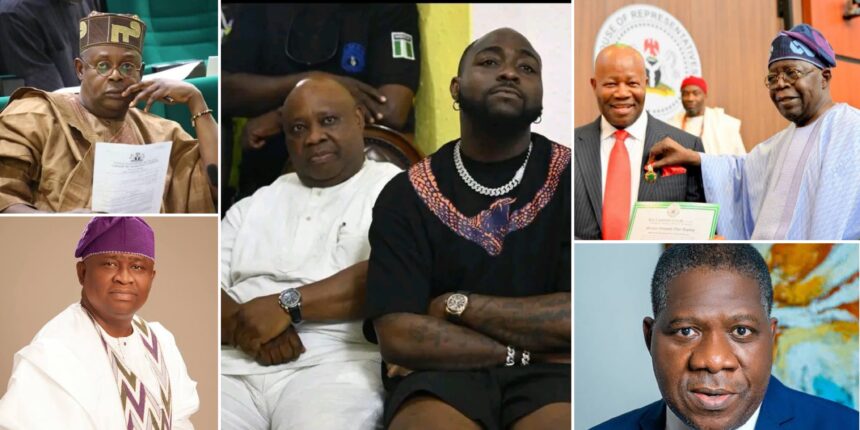
Osun went to the polls on Saturday, August 15, 2026, with voters deciding the next chapter of the state’s political leadership, but as polling units closed and attention moved towards the first figures from across the state, the conversation around the election began taking a sharper turn. The names appearing in the unfolding drama were no longer limited to the candidates on the ballot, as senior political figures, the electoral commission and a famous musician with a deeply personal connection to the contest gradually became part of the same election night story. Davido was watching the process closely, and as the numbers began to emerge, his posts became increasingly direct, drawing attention to developments around security, result collation and the people he believed needed to answer questions about what was happening.
The singer’s involvement was already significant before voting began because Governor Ademola Adeleke, the Accord candidate seeking another term, is his uncle. Davido had openly supported Adeleke during the campaign and had made his position on the APC clear, but the events surrounding the results on August 15 pushed his involvement into a more intense phase. His messages began moving from general political commentary towards direct addresses to President Bola Tinubu, Senate President Godswill Akpabio, James Faleke, Senator Opeyemi Bamidele and Senator Olamilekan Adeola, popularly known as Yayi.
INEC also became part of the unfolding sequence as Davido demanded the publication of outstanding result sheets and gave the commission a deadline while the collation process was still underway. The timing of each intervention matters because these were not statements made after the result had already been declared. They emerged while the numbers were still coming in, while the lead was still being watched and while the final outcome remained open.
August 15 begins with the vote
Saturday, August 15, 2026, was the scheduled date for the Osun governorship election, bringing voters across the state to polling units to choose between the incumbent Governor Ademola Adeleke of Accord and APC candidate Bola Oyebamiji, popularly known as AMBO. The election followed months of political activity and a campaign in which both sides had mobilised heavily, with senior politicians from across the country becoming involved in the final push before election day.
Davido’s interest in the election was never distant because Adeleke is his uncle, and the singer had consistently supported his campaign. That connection meant his reaction to developments during the election was naturally being watched closely, particularly by people following the result online as voting gave way to counting and collation.
The first stage of the day remained focused on voting, with citizens casting ballots across Osun. Once polling units began closing and results started emerging, however, the attention gradually moved towards the figures being uploaded and collated. Accord began showing strongly in early results, and that developing lead became an important backdrop to Davido’s subsequent posts.
His activity increased as the process moved forward. Rather than waiting until the final declaration before commenting, Davido began responding to developments almost as they unfolded, creating a sequence of public interventions that would eventually involve the President, the Senate President, senior legislators and INEC.
Tinubu receives Davido’s warning

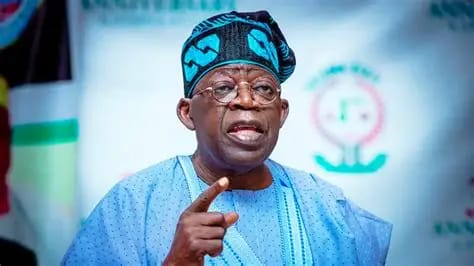
President Bola Tinubu became one of the first major political figures Davido directly addressed during the election and results process. His intervention came amid allegations concerning security personnel and claims that police and military personnel were being withdrawn from some locations while Accord was leading in early results.
Davido accused the Federal Government of attempting to interfere with the election and called on Tinubu to rein in those around him. The phrase that stood out from the reported intervention was, “call your people to order,” a direct message to the President while the election was still being counted.
Davido also made his political position clear, with reports describing him as saying he could never support the APC. His statement therefore carried both a political message and an allegation concerning the conduct of the election, placing Tinubu directly within the conversation at a particularly sensitive stage.
Another report said Davido and Dino Melaye alleged that the Federal Government wanted to withdraw police and military personnel because Accord was winning. That claim remains an allegation rather than an independently established fact, and it should be presented as such when describing the events surrounding the election.
The timing was particularly notable because security had already been discussed before voting began. Just days before the August 15 election, Tinubu, through Akpabio, had assured Osun voters that adequate security had been put in place and that nobody would be harassed while exercising their right to vote.
Davido’s election day intervention therefore directly challenged the picture that had been presented before voters went to the polls. His message to Tinubu came at a moment when the security question had moved from pre election assurances to an active part of the election night conversation.
Akpabio becomes the next major name

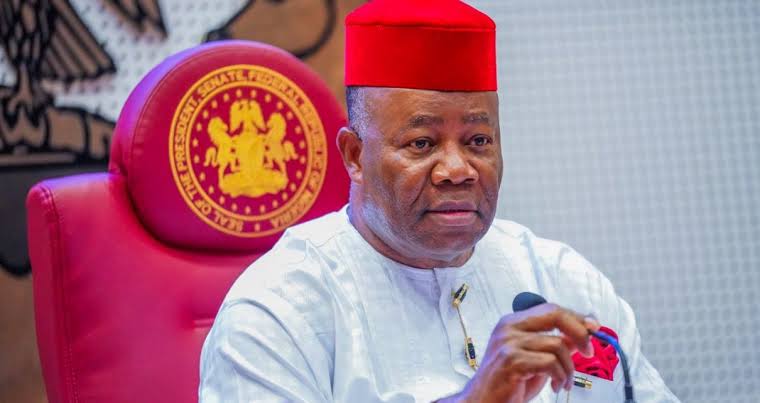
The next major political figure to enter Davido’s election night confrontation was Senate President Godswill Akpabio. His name became particularly prominent because Davido attached a specific allegation to him concerning the collation of the Osun results.
According to multiple reports, Davido posted on X, “Sen President Akpabio has called the coalition center that they should stop coalition!!!!”
The original post reportedly used the word “coalition,” although the context was the collation of election results. Davido’s statement alleged that Akpabio had contacted the centre where results were being collated and wanted the process stopped.
The timing made the allegation particularly striking because Accord was showing an early lead while the results were still being processed. Any claim concerning an attempt to halt collation therefore immediately became part of the wider public discussion around the direction of the election.
A crucial distinction remains necessary. The available reporting establishes that Davido made the allegation during the live collation process and that several Nigerian media organisations reported his statement. It does not independently establish that Akpabio actually ordered INEC to stop the collation.
The accurate formulation is therefore that Davido alleged that Akpabio wanted the collation stopped, rather than presenting the alleged order as a confirmed fact. That distinction keeps the account tied to what was actually established during the election night.
Faleke faces a direct confrontation

James Faleke became another prominent figure in Davido’s posts, but this time the message was especially direct because Davido personally addressed him. Faleke, an APC member representing Ikeja Federal Constituency in the House of Representatives, had been among the APC heavyweights involved in the party’s final mobilisation before election day and had travelled to Osogbo.
Davido accused Faleke of putting pressure on INEC to alter the Osun result and addressed him directly, saying, “James Faleke, stop putting pressure on INEC to change Osun election result. Respect the wishes of Osun people.”
The statement was one of the clearest individual confrontations of the election night because Davido did not simply criticise APC politicians generally. He named Faleke and attributed a specific action to him, namely alleged pressure on INEC over the emerging result.
Davido followed that message with another statement concerning the APC figures he did not want to see prevail in the contest, saying, “We don’t want Oyetola and AMBO.”
The reference was to Gboyega Oyetola and Bola Oyebamiji, popularly known as AMBO. Oyebamiji was the APC candidate challenging Adeleke, while Oyetola remained an important figure within the APC political structure in Osun.
That statement was politically direct, but it should not be confused with the specific allegation against Faleke. Davido mentioned Oyetola and AMBO as part of his political position, while Faleke was directly accused of putting pressure on INEC.
Faleke’s presence in Osogbo also provided context for the later statements involving other APC figures. He had been part of the APC’s final mobilisation efforts in the state, making his location relevant when Davido later referred to political figures being in Osogbo during the collation period.
Bamidele joins the confrontation

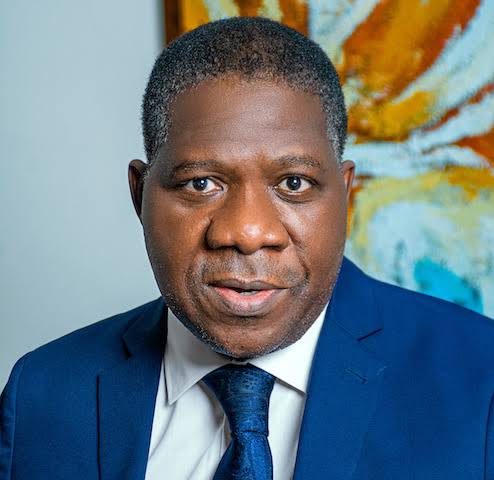
The list of political figures named by Davido expanded further when Senator Opeyemi Bamidele entered the picture. Bamidele, the Senate Majority Leader, was named alongside Senator Olamilekan Adeola and James Faleke while the results were still being collated.
Davido’s reported post stated, “Sen Opeyemi Bamidele, Sen Olamilekan Adeola and Hon Faleke are both making extra moves to upturn the results. They are in Osogbo.”
The wording was specific. Davido was alleging that the 3 politicians were making moves to overturn the emerging result and stated that they were in Osogbo, where the state collation was taking place.
The timing was crucial because the final outcome had not yet been declared. Results were still arriving, being processed and being followed by the public, meaning the election remained a live contest at the moment the accusation was made.
The allegation should nevertheless remain clearly attributed to Davido. The reporting establishes that he named Bamidele, Adeola and Faleke and accused them of making extra moves to upturn the result, but it does not independently establish that the 3 politicians actually attempted to overturn the outcome.
That distinction is especially important when reporting election related allegations because an accusation made during a tense live count should not automatically become a statement of fact simply because it was widely reported.
Yayi becomes part of the 3 man allegation

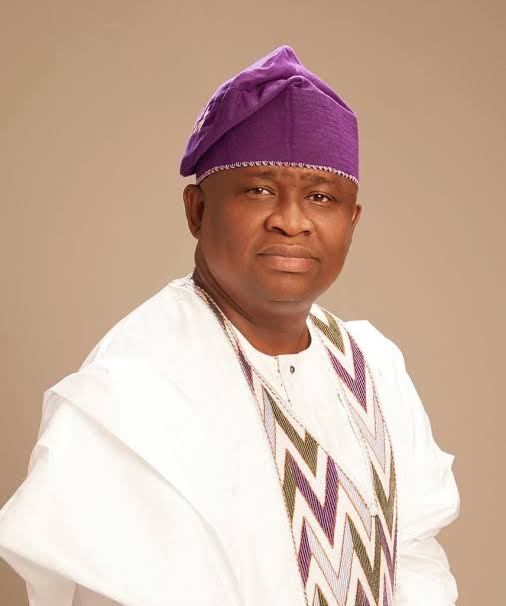
Senator Olamilekan Adeola, popularly known as Yayi, was the third politician named alongside Bamidele and Faleke. His inclusion placed another senior APC figure directly inside Davido’s election night accusations.
Davido grouped Adeola with Bamidele and Faleke in the allegation that they were making “extra moves” to upturn the emerging results. He also said that the 3 were in Osogbo, connecting them directly to the location where the state level collation was taking place.
That made the group particularly significant because Davido was no longer referring vaguely to APC leaders. He had identified 3 individuals by name and attached a specific allegation to their activities during the collation period.
The names were therefore clear, Opeyemi Bamidele, Olamilekan Adeola, popularly known as Yayi, and James Faleke. Their appearance together in the same statement became one of the most precise moments in Davido’s election night sequence.
The accusation remains Davido’s allegation. There is no independent evidence in the material presented establishing that the 3 men actually attempted to overturn the result, so any factual account should preserve that distinction rather than turn the allegation into an established event.
INEC comes under direct pressure

Davido’s attention eventually moved beyond political figures and towards INEC, the institution responsible for managing the election and announcing the official result. His concern at this stage centred on the publication of outstanding result sheets as the count continued.
Davido claimed that around 1,000 result sheets remained to be uploaded after roughly 2,700 had already been processed. He demanded that INEC upload the outstanding sheets and gave the commission 1 hour to do so.
His message included the statement, “We are watching, we are active!”
The words reflected the atmosphere surrounding the collation process, with members of the public following the emerging figures closely and waiting for the remaining results to complete the picture. Davido’s intervention put further public attention on the speed of result publication.
The reported figure of around 1,000 outstanding result sheets, however, should be presented as Davido’s claim because INEC had not publicly confirmed the exact number at the time. That means the figure should not be described as an official INEC statistic.
His pressure on the commission was nevertheless clear. Davido was demanding faster publication of results rather than directly accusing INEC of deliberately withholding them, making this intervention different from his allegations against the political figures he had named earlier.
Trump remains outside the direct call outs

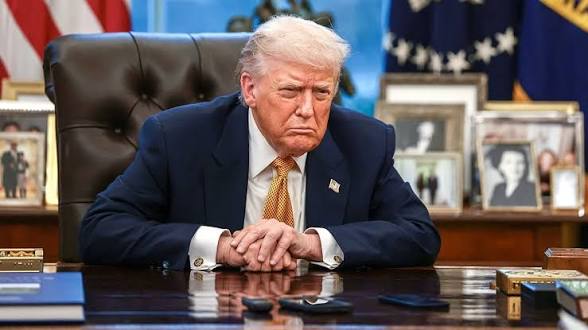
Donald Trump featured in Davido’s wider Osun election activity, but his role was different from that of the Nigerian political figures named during the results process. Before the election, Davido appealed to the United States President and the international community to pay attention to the Osun contest.
That appeal was about international attention and monitoring rather than an accusation against Trump. Davido was asking the American President to pay attention to developments around the election, not claiming that Trump was responsible for anything happening within the Nigerian electoral process.
Trump therefore belongs in a separate section when reconstructing Davido’s involvement with the Osun election. He was part of the broader international appeal before voting, while Tinubu, Akpabio, Faleke, Bamidele and Adeola became the major Nigerian political figures directly named or confronted during the election and collation period.
That distinction also helps prevent the wider campaign period from being mixed with the actual sequence of August 15. The election day story has its own chronology, beginning with voting and moving through early results, security concerns, political accusations, pressure on INEC and finally the declaration.
The sequence from voting to collation
The chronology gives the election night its clearest shape. Saturday, August 15, began with voters across Osun casting their ballots, with Adeleke seeking another term under Accord and Oyebamiji representing the APC.
Once voting ended, attention moved towards results emerging from polling units and being processed through the official system. Accord began showing strongly in the early figures, increasing the attention around the remaining stages of the count.
Davido became increasingly active online as the results developed. His message to Tinubu focused on alleged federal interference and security concerns, with the singer telling the President to “call your people to order.”
The next major intervention involved Akpabio, with Davido posting, “Sen President Akpabio has called the coalition center that they should stop coalition!!!!” That allegation placed the Senate President at the centre of a controversy over the collation process.
Faleke was then directly addressed with the message, “James Faleke, stop putting pressure on INEC to change Osun election result. Respect the wishes of Osun people.” Davido followed that with, “We don’t want Oyetola and AMBO.”
The sequence then expanded to Bamidele, Adeola and Faleke, with Davido saying, “Sen Opeyemi Bamidele, Sen Olamilekan Adeola and Hon Faleke are both making extra moves to upturn the results. They are in Osogbo.”
Finally, INEC came under direct pressure as Davido demanded the publication of outstanding result sheets, gave the commission 1 hour and said, “We are watching, we are active!”
The names that stood out
Bola Tinubu was directly addressed by Davido during the election and results process, with the singer calling on him to “call your people to order” amid allegations concerning federal security arrangements and interference.
Godswill Akpabio was accused of seeking to stop the collation, with Davido saying, “Sen President Akpabio has called the coalition center that they should stop coalition!!!!”
James Faleke was accused of putting pressure on INEC to change the result, with Davido saying, “James Faleke, stop putting pressure on INEC to change Osun election result. Respect the wishes of Osun people.”
Opeyemi Bamidele, Olamilekan Adeola and James Faleke were named together in another allegation, with Davido saying, “Sen Opeyemi Bamidele, Sen Olamilekan Adeola and Hon Faleke are both making extra moves to upturn the results. They are in Osogbo.”
INEC was pressured over outstanding results, with Davido saying, “We are watching, we are active!”
Donald Trump remained separate from the direct call outs because Davido appealed to him for international attention before the election rather than accusing him of involvement in the Nigerian result process.
Why Oyetola is different


Gboyega Oyetola was mentioned by Davido, but he does not belong in exactly the same category as the politicians directly accused of specific actions during the election night.
Davido said, “We don’t want Oyetola and AMBO,” while addressing Faleke. The statement clearly placed Oyetola and Oyebamiji on the opposite side of Davido’s political preference, but it did not accuse Oyetola of manipulating the election or pressuring INEC.
That distinction is important because several APC figures were involved in the wider campaign, but the evidence presented for the actual voting and collation period is much narrower. Tinubu, Akpabio, Faleke, Bamidele and Adeola are the names most clearly connected to Davido’s direct election night interventions.
Sanwo Olu, Hope Uzodinma, Aiyedatiwa, Okpebholo and other APC heavyweights may have been involved in the wider APC campaign, but there is no comparable election day evidence presented here showing that Davido directly called each of them out during the live results process.
The final declaration
After the voting, counting, uploading and collation process had run its course, INEC eventually announced the official result. Ademola Adeleke of Accord was declared the winner of the August 15, 2026 Osun governorship election with 511,067 votes.
Bola Oyebamiji of the APC was defeated, giving Adeleke another term after a closely watched political contest that had attracted national attention.
The declaration brought an official end to the uncertainty surrounding the numbers, but it also gave context to the series of interventions that had taken place while the result was still being determined. Davido had spent the critical stages of the count publicly challenging political figures, demanding action from INEC and urging attention to developments around the process.
The allegations made against Tinubu, Akpabio, Faleke, Bamidele and Adeola remain allegations unless independently substantiated. What is established is that Davido made those statements publicly during the election and results process and that they became part of the wider reporting and conversation surrounding the Osun election.
The final result did not change the fact that the singer had been highly active during the count. His posts captured a period when the outcome was still uncertain, the results were still being uploaded and political tensions were still playing out publicly.
From voting to the final numbers
The story of Davido’s involvement during the August 15 election is best understood as a sequence rather than a single confrontation. Voting came first, early results followed, concerns around security emerged, Tinubu was directly addressed, Akpabio became the subject of an allegation concerning collation, Faleke faced a personal challenge and Bamidele and Adeola were subsequently named alongside him.

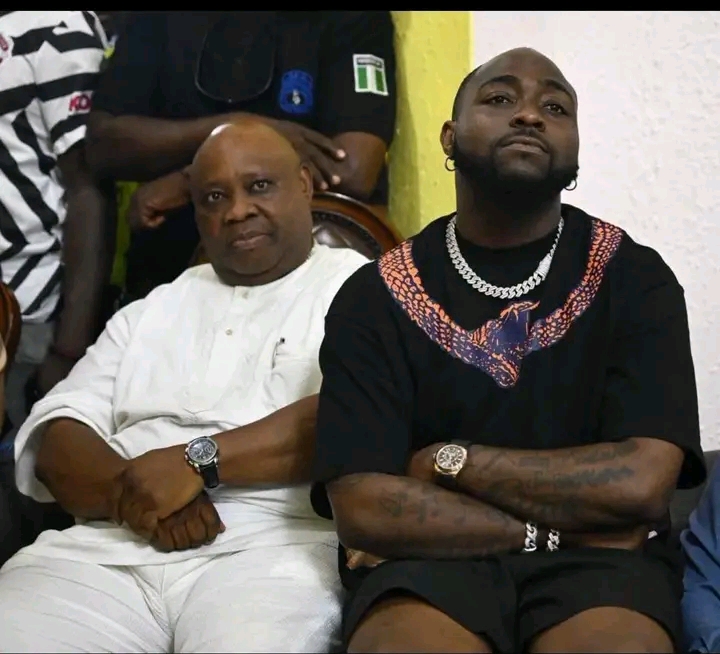
INEC then became part of the same election night story when Davido demanded the publication of outstanding result sheets and gave the commission a 1 hour deadline. His statement, “We are watching, we are active!” captured the central theme of his intervention, the demand that the unfolding result remain visible while the process continued.
The final declaration eventually settled the electoral question, with Adeleke winning 511,067 votes and defeating Oyebamiji. Yet the path to that declaration had already produced one of the most talked about election night sequences of the 2026 Osun contest.
Davido’s role during that period was unmistakably active. He addressed the President, accused the Senate President, directly confronted Faleke, named Bamidele and Yayi, pressured INEC and maintained a running public commentary while the votes were still being counted.
The allegations remain allegations, and that distinction should remain firmly attached to them, but the sequence itself is clear. From the first results on August 15 to the final declaration, Davido was not simply watching the Osun election unfold. He was publicly reacting to each major stage as the numbers moved towards the result that would ultimately return his uncle, Ademola Adeleke, to office.