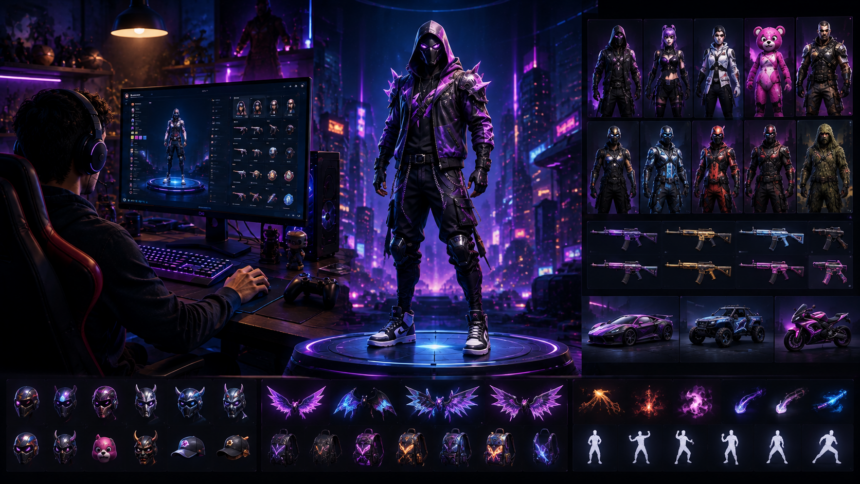
A player spends twenty minutes adjusting a character’s face before ever starting the actual game. That scene plays out constantly across modern titles, and it’s no accident. Customization has moved from a minor extra feature into one of the primary reasons players choose one game over another.
Studios have learned that letting players shape their own experience, visually and mechanically, keeps them invested far longer than a fixed, one-size-fits-all character or world ever could. That shift now touches nearly every major genre, not just role-playing games where customization first became standard.
The Rise of Personalization
Customization options have expanded dramatically compared to what games offered even a decade ago. Early character creators let players pick from a handful of preset faces, while modern systems offer detailed sliders controlling everything from bone structure to skin texture.
A few developments explain how customization grew into such a core feature:
- Improved technology: better graphics engines made detailed, realistic customization visually possible rather than clunky or limited.
- Player demand: gamers increasingly expect games to feel personal rather than generic, pushing studios to prioritize these systems.
- Monetization potential: cosmetic customization created a genuine revenue stream separate from the base game price.
This growth wasn’t limited to traditional gaming either. Betting and casino platforms have adopted similar personalization logic, and Pin Up tailors account interfaces and reward systems to individual user preferences rather than presenting every user with the same fixed experience.
Why Players Love Customization
The appeal of customization goes beyond simple aesthetics, it taps into a genuine desire for self-expression within a digital space. Players want their character, vehicle, or profile to feel distinctly theirs rather than identical to everyone else’s.
A few specific reasons drive this attachment:
- Identity expression: customization lets players represent themselves, or an idealized version of themselves, within the game world.
- Sense of ownership: time invested in customizing something increases a player’s emotional attachment to it.
- Social recognition: unique or rare customization options let other players immediately recognize effort or achievement.
Pin Up style account personalization follows a comparable logic, where users increasingly expect platforms to adapt visually and functionally to their individual habits rather than forcing everyone through the same generic interface.
Community Creativity
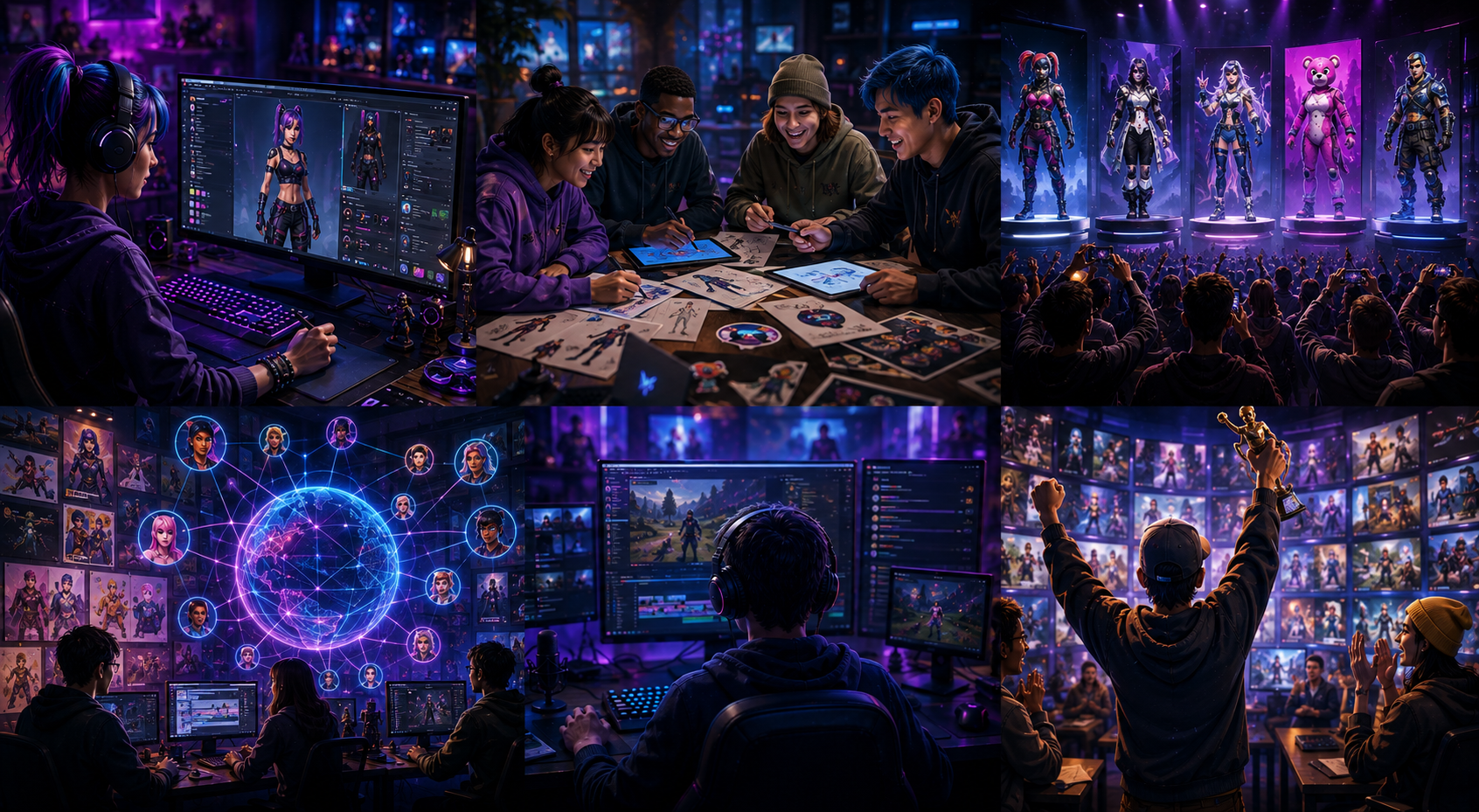

Customization systems often extend well beyond what developers originally design, since player communities frequently build on official tools to create genuinely creative content. Betting platforms have started reflecting this same participatory spirit, and community creativity built around promotions, illustrated well by user-generated challenge ideas on Pin Up, shows how audiences increasingly want input rather than passive consumption.
Community-driven customization typically shows up through:
- User-generated content: players designing and sharing custom skins, levels, or mods that extend far beyond official game content.
- Showcase platforms: dedicated spaces where players display and rate each other’s custom creations.
- Collaborative worlds: games like Minecraft and Roblox where the entire experience is built almost entirely from player creativity.
The table below shows how customization typically differs across common game genres.
| Genre | Common Customization Type | Player Motivation |
|---|---|---|
| Role-playing games | Character appearance, skills | Identity and immersion |
| Battle royale games | Skins, emotes, weapon wraps | Status and self-expression |
| Sandbox games | Full world and structure building | Creative freedom |
| Sports simulations | Team logos, player appearance | Personal ownership of teams |
This community layer often extends a game’s lifespan significantly, since fresh player-made content keeps the experience feeling new long after official updates slow down.
What’s Next
Customization is likely to keep expanding as technology makes deeper personalization technically easier to implement. Artificial intelligence, in particular, is starting to let players generate custom content through simple text or voice descriptions rather than manually adjusting sliders.
A few developments worth watching include:
- AI-assisted design: players describing what they want and having the system generate a matching customization option instantly.
- Cross-game identity: custom characters or items carrying over between different titles from the same publisher.
- Platforms such as Pin-Up expanding personalized reward systems that mirror gaming’s approach to individual identity and status.
These shifts suggest customization will keep moving from a nice-to-have feature into a genuinely expected standard across nearly every digital platform, not just traditional games.
Conclusion
Customization has become central to how players engage with games because it satisfies a genuine need for identity, ownership, and recognition within a shared digital space. Improved technology, community creativity, and growing player expectations all explain why this trend keeps expanding rather than fading. As personalization tools continue improving, games and platforms that let players shape their own experience are likely to hold their audiences more effectively than those offering a fixed, generic alternative.