
Social media has changed the way people share their lives, from everyday family moments to birthdays, milestones and childhood memories. For some parents, creating an Instagram page for a child can seem like a harmless way to document those moments or even build a following around the child.
But where should the line be drawn? Should a child have a social media identity before they are old enough to decide whether they want one? And what happens when parents move from simply sharing their children’s pictures to actively building online personalities for them?
These are some of the questions life coach and social commentator Solomon Buchi has raised with his latest criticism of parents who create Instagram accounts for their children.
Here are five key things behind Buchi’s criticism.

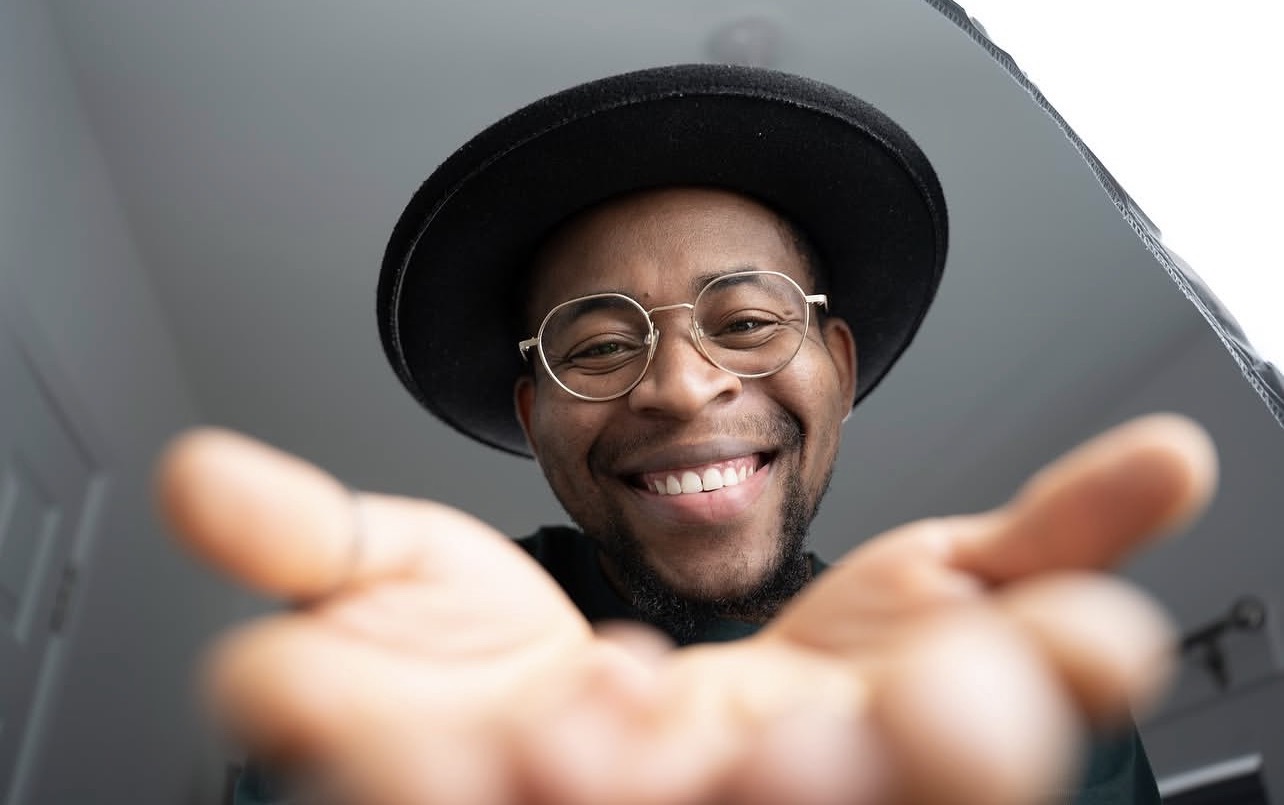
1. He finds it disturbing when parents pretend to be their children online
For Buchi, the issue goes beyond simply opening an Instagram account in a child’s name. He was particularly critical of parents who operate those accounts themselves and then use them to comment on their own posts as though the comments are coming from their children.
To explain his point, he gave a simple example. A parent could post a birthday picture and then switch to the child’s Instagram account to write something like: “Happy birthday, mommy. You are the best mommy in the world. Thank you for all that you do.”
According to Buchi, there is something deeply wrong with that kind of interaction. In his words:
“It is a mental illness for you to open an Instagram page for your child and then you use that page to comment on your post as though it’s that child that’s commenting.
There is something wrong with you if you do that. I can’t lie to you. There is something wrong with you.”
He questioned parents who then use the account to comment on their own posts. He repeated his concern several times, stressing that he could not understand why a parent would create the impression that a child was independently communicating online when the parent was actually behind the account.
2. He objects to parents forcing their children into the public eye
Buchi’s criticism then moved beyond parents managing Instagram accounts for their children. He said he particularly dislikes parents who try to make their children public figures “by force.”
For him, there is a difference between a parent occasionally sharing a child’s picture and deliberately building a public personality around that child. Some parents, he argued, appear to be putting considerable effort into making their children known online, even before those children are old enough to decide whether they want that kind of attention.
Buchi questioned why parents would want to push their children into the public space in the first place. His concern is essentially about choice. He continued:
“May I just use this opportunity to express my utmost dislike for parents who are trying to make their children public figures by force.”
A child may become popular because of a parent’s decision, but that does not necessarily mean the child chose to become a public figure. And once a child develops a large online following, stepping away from that identity may not be as simple as deleting an account.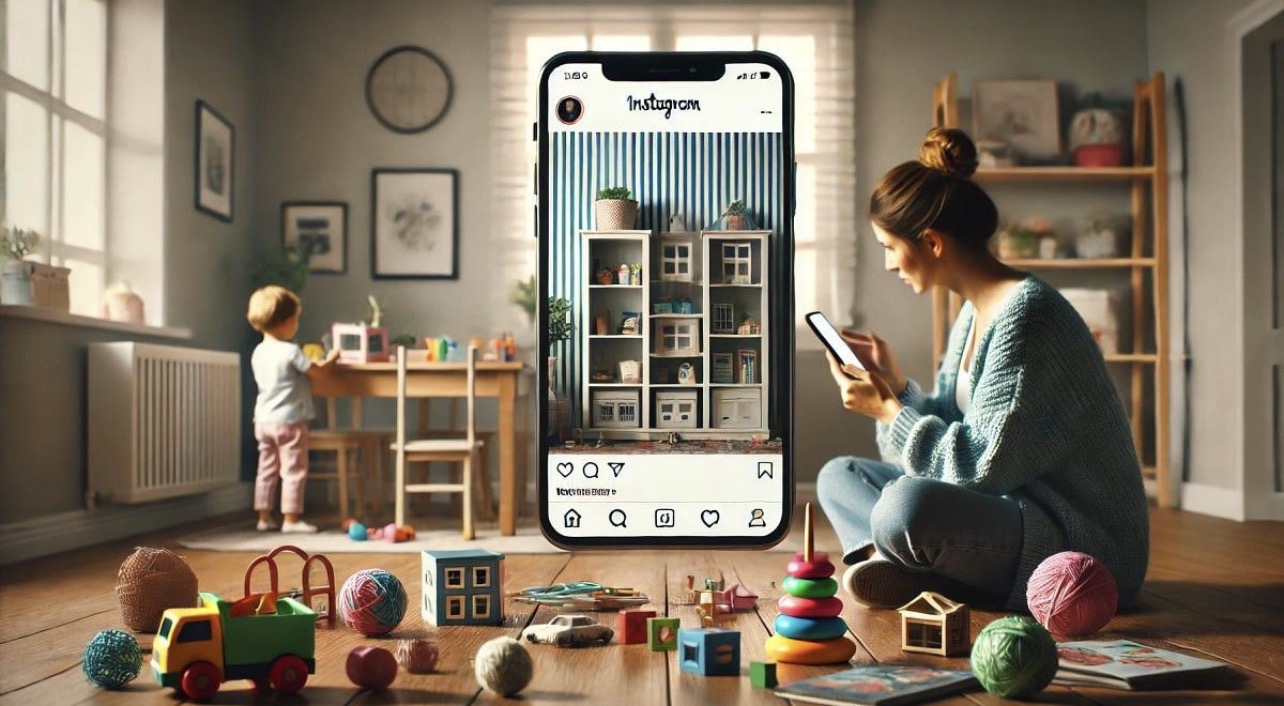

3. He believes some parents are chasing followers through their children
Another part of Buchi’s argument is the pursuit of social media numbers. He accused some parents of trying hard to “amass followers” for their children. In his view, that changes the nature of the account. He said:
“You’re just trying so hard to amass followers for those children, you are a weirdo.”
Instead of simply preserving family memories, the child’s online presence can become something that is deliberately grown, managed and promoted for public attention.
The more followers the child gains, the more visibility the family receives. And with that visibility can come comments, brand interest, public attention and the pressure to keep producing content.
Buchi’s concern is that the child can end up becoming the centre of an online growth strategy that they never chose for themselves.
The child may be the face of the account, but the decisions about what to post, how often to post and how much attention to pursue are being made by the adults. That, for Buchi, raises questions about whether the child’s interests are really at the centre of the exercise.
4. He sees the practice as exploitative
Solomon Buchi went further by describing the deliberate creation of public personalities around children as exploitative.
“I actually find it very exploitative,” he said.
For Buchi, the problem is not simply that children are appearing on Instagram. It is the possibility that a child’s image, personality and childhood experiences are being used to generate attention for adults.
Parents may see the account as harmless fun, a family diary or even an opportunity for their child. But Buchi is asking whether the child is being given a genuine choice in the process.
Children cannot always understand the long-term consequences of having their pictures, personalities and private moments permanently placed online. Parents, however, can. That places the responsibility on adults to consider not just what gets attention today but what the child may think about that digital footprint years later.
5. He links the issue to the dangers surrounding AI and child exploitation
Buchi’s strongest concern came when he connected the issue to the wider dangers facing children online.
He referenced “the abuse of AI and the rise of child pornography” while making his argument. His point was that putting children into the public digital space can expose them to risks that parents may not immediately consider.
Once a child’s pictures are publicly available, the parent no longer has complete control over who sees, saves, edits or repurposes those images. He said:
“if you’re not doing anything to protect your children privacy in this day and age of AI and the abuse of AI and the rise of child pornography. You are not fit to be a parent.”
The rise of artificial intelligence has also added another layer to that concern. Images available online can potentially be manipulated or misused in ways that the child and parent never intended.
For Buchi, that makes the decision to deliberately build a public social media presence around a child even more serious.
It is one thing for a parent to post a family photograph occasionally. It is another to intentionally create a public-facing account, build an audience around the child and keep feeding that audience with content.
Buchi has raised concerns about children’s exposure to social media before
Buchi’s latest comments are not surprising as he has expressed a similar position before.
On October 10, 2023, he said he and his wife had agreed not to give their children smartphones until they reached university. He argued that early exposure to phones and the internet could have serious psychological consequences and linked excessive social media use to the short attention spans he believed were common among his generation.
He said they planned to provide alternatives at home, including a library, music studio, painting studio, board games and outdoor sports, so their children could spend more time engaging with the real world rather than screens.
That earlier position helps put his latest criticism into context. His objection to children’s Instagram pages is not an isolated complaint about one social media trend. It reflects a broader concern about how much of childhood should be exposed to the digital world and how much control parents should exercise over that exposure.
Conclusion
Parents naturally want to celebrate their children. They want to share milestones, birthdays, funny moments, achievements and memories with friends and family. Social media has made that easier than ever but the internet also changes the meaning of sharing.
A photograph posted today can remain accessible long after the child has grown up. A funny video can become part of a child’s permanent digital footprint. And an account created by a parent can eventually attract an audience that the child never asked for.
Solomon Buchi’s position is that parents should think carefully before making those decisions on behalf of their children.
Whether people agree with that conclusion or not, it seems the more important question is not whether parents can create Instagram pages for their children, but whether they should.