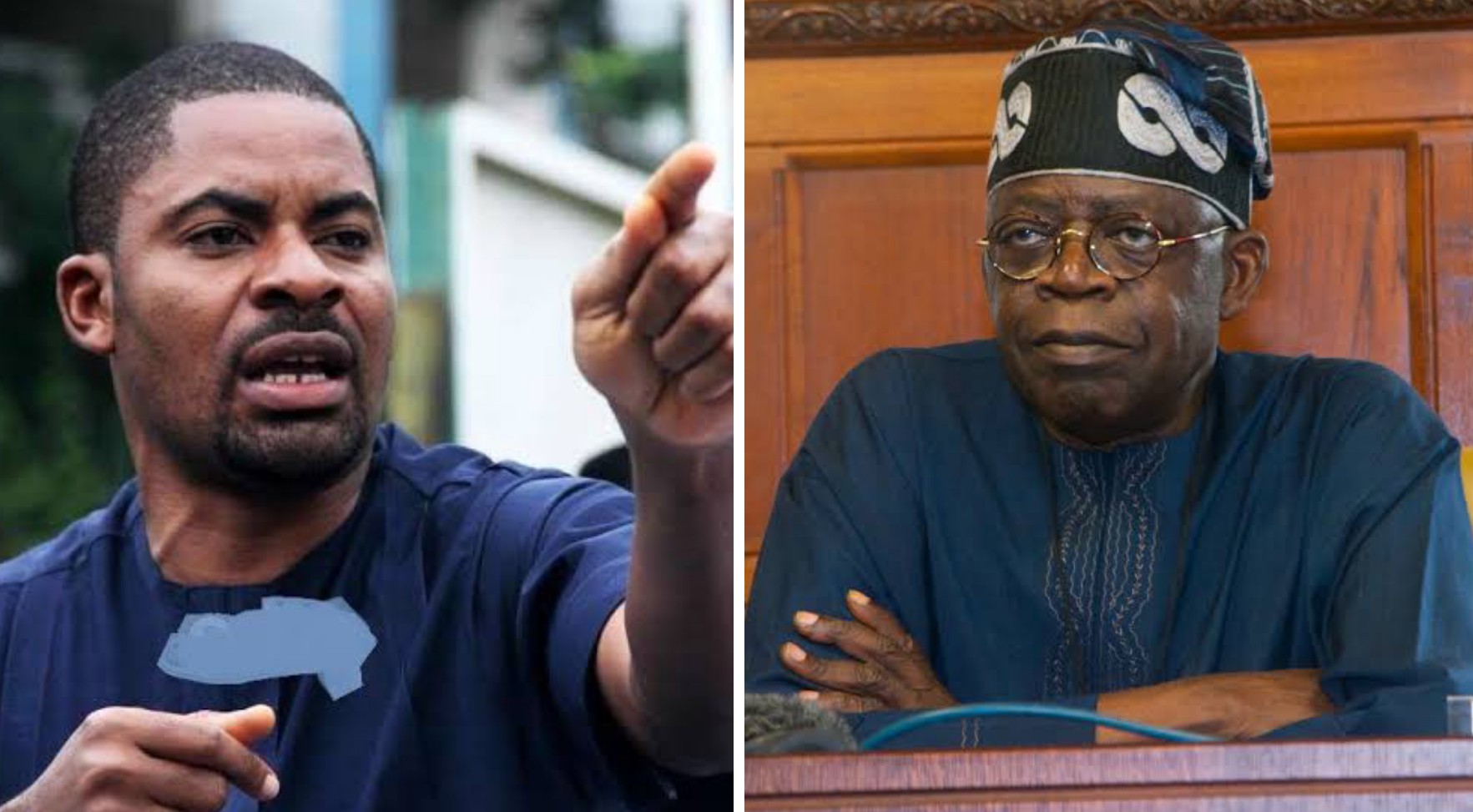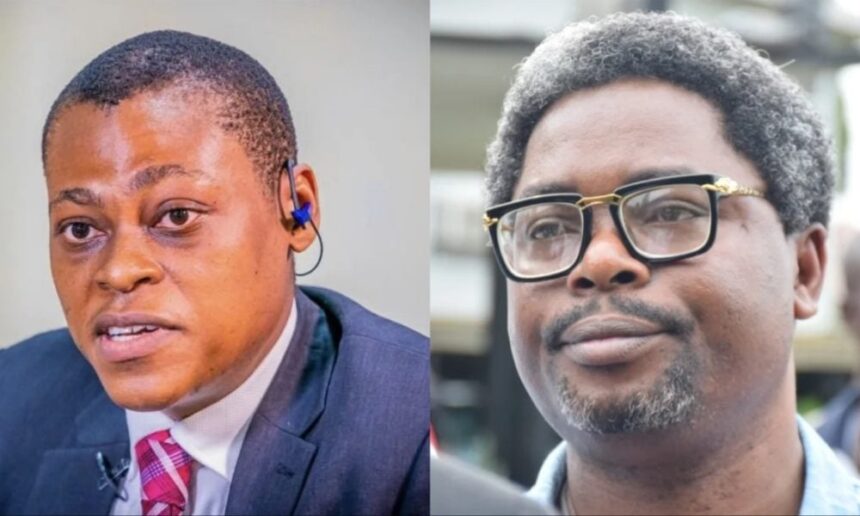
A dramatic scene unfolded on television during a live interview on Arise News. The incident involved the anchor of the station’s popular flagship programme, the morning show, and Lere Olayinka, a media aide to the Minister of the Federal Capital Territory (FCT), Nyesom Wike.
The live interview abruptly ended after Lere refused to answer a question posed to him by one of the anchors, Rufai Oseni. Lere and Oseni have an acrimonious history as they have been at daggers drawn since 2023. On more than one occasion, they have had confrontations on live telecast. Matters came to a head on Friday again after Rufai asked the minister’s aide to comment on Wike’s position on the controversy surrounding members of President Bola Tinubu’s 2027 campaign council.
Responding, Olayinka, who had answered the questions of the other two anchors on the show, said he was not willing to answer questions from Rufai, insisting that he wanted the discussion to be with “reasonable human beings.”
“I don’t want to answer any questions from you. I want this conversation to be between reasonable human beings. People who will not describe other people as ‘Gbewudani’,” he said.
The latest face-off between Oseni and Olayinka was not unconnected to the remark the former made during the “what’s trending” segment of the show on Thursday. Oseni, while reacting to Wike’s interview with the media on Wednesday, had called the presidential candidate of the Peoples Democratic Party (PDP) Gbewudani, which loosely translates to a patsy, lapdog or stooge. Oseni said Wike has destroyed the PDP, and that is why he has the temerity to say he is still a PDP member while openly and vigorously campaigning for President Bola Tinubu, because he has been trying to make his stooge the presidential candidate of the PDP.
When you combine the pent-up resentment and ill feelings Olayinka harbours towards Oseni from previous encounters with the brewing tension and slight that the former must have felt after the latter’s remark about Wike’s politics and the state of the PDP, then a confrontation was inevitable the moment the two came face to face.
After Olayinka refused to answer the Oseni question, another anchor of the programme, Ayo Mairo, chastised Olayinka for his remarks, reminding him that the Morning Show has three anchors and he was duty-bound to respond to questions from the three of them.
“We take exception to that, Mr Olayinka. Before you came to this show, I’m sure that you are aware that we have three anchors on the show.
“Since you are coming to present yourself to the Morning Show, the onus is on you to present yourself to the three anchors, who are here based on their credibility,” Mairo said.
She subsequently ended the interview, saying there would be no further questions until Olayinka was ready to engage all three anchors.
“No more questions, since you don’t want to answer. We thank you very much for your time this morning and hope to see you again when you are ready to speak to the three of us,” she added.
Oseni is renowned for his frank, feisty and aggressive style of interview, backed by extensive research and real-time fact-checking of guests. He asks tough and u questions. This has earned him admirers and detractors in equal measure. While many Nigerians enjoy his style and praise him for his boldness and what they believe is his uncommon bravery to speak truth to power, a lot of others, particularly politicians and apologists of the ruling party, find his approach at best abrasive and combative and at worst uncaring, antagonistic, and disrespectful.
Having said that, the drama could have been avoided if Olayinka had shown a bit of tact, civility and maturity. Oseni’s question was clear and non-confrontational, and even if he did not want to answer the question, there are other ways to do it than outright refusal to answer the question and, in the process, turning a simple and cordial interview into an embarrassing display on national television. An answer could have taken any number of directions – evasion, prevarication, deflection, redirection, reframing. When you speak for a top government official, you cannot carry yourself like a regular citizen because there will be more scrutiny of you and your boss’s actions and public statements. It then behoves you to act with humility, decorum and grace when dealing with members of the public, especially the media.