On September 10, 1938, an activist and a defining figure in the Niger Delta region, Isaac Adaka Boro was born to Mr. Pepple Boro, headmaster of the only mission school in Oloibiri.
Adaka Boro, the pioneer of minority rights activism in Nigeria was born during the colonial era earned his First School Leaving Certificate with distinction and later recorded the best results in the 1957 West African School Certificate Examination at Hussey College, Warri.
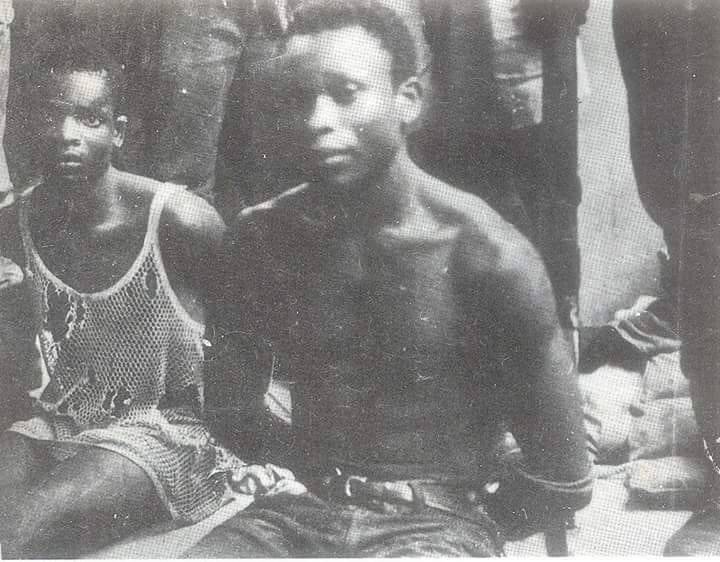

He was described by friends, followers and relatives as a teacher, a police cadet sub-inspector, a chemistry undergraduate and Student Union President at the University of Nigeria, Nsukka, and eventually a Major in the Nigerian Army.
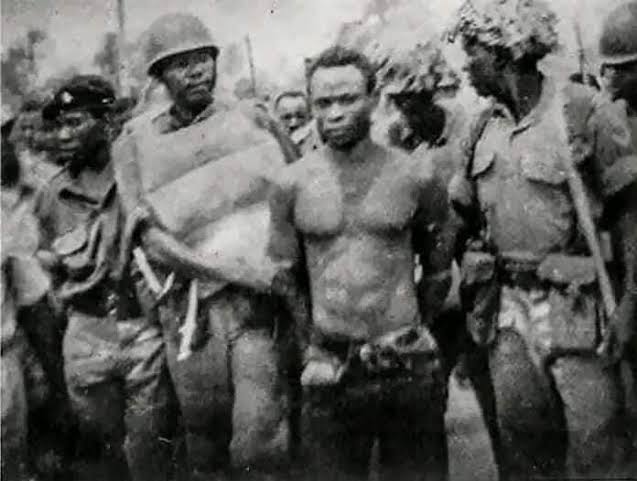
However, Adaka Boro led the 12-day Niger Delta uprising of February 23, 1966, forming the Niger Delta Volunteer Force to protest the exploitation of oil and gas resources barely ten years after oil was found in Oloibiri, his hometown.
His argument was that the exploitation of oil benefited the Federal Government and Eastern Region while leaving Niger Delta communities behind.
That action marked what many historians call the first secessionist declaration in Nigeria — the proclamation of the Niger Delta Republic — and placed Boro at the forefront of minority rights activism in the country.
He was granted amnesty in May 1967 by General Yakubu Gowon and later commissioned into the Nigerian Army, where he served during the Civil War. Major Boro died on active duty on May 9, 1968, near Ogu in Rivers State.