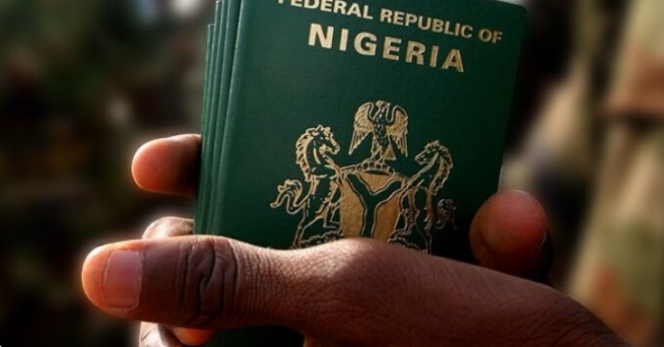
For many Nigerians planning international trips, the prospect of securing a visa can involve embassy appointments, documentation and lengthy waiting periods, but a number of destinations offer alternatives to the conventional process.
The latest 2026 Henley Passport Index places Nigeria 90th globally, with Nigerian passport holders having access to 44 destinations through a combination of visa-free entry, visas issued on arrival and electronic travel arrangements.
The access means eligible travellers may not have to secure an appointment at an embassy or wait for a conventional visa decision before setting out, although entry conditions vary across the destinations.
In Africa, the countries Nigerians can visit without a traditional visa appointment include Benin, Burkina Faso, Burundi, Cameroon, Cape Verde Islands, Chad, Comoros Islands, Côte d’Ivoire, Djibouti, Ghana, Guinea, Guinea-Bissau, Kenya, Liberia, Madagascar, Mali, Mauritius, Mozambique, Niger, Rwanda, Senegal, Seychelles, Sierra Leone, The Gambia and Togo.
Some of these countries operate visa-on-arrival arrangements, including Burundi, Comoros Islands and Madagascar, meaning travellers can obtain the relevant visa after arriving at an approved entry point.
West Africa accounts for a significant portion of the access available to Nigerian passport holders, with regional movement facilitated in part by ECOWAS arrangements that allow citizens to travel between participating countries without conventional visas.
Outside Africa, several Caribbean destinations are also included on the list, namely Barbados, Dominica, Haiti, Montserrat and St Kitts and Nevis.
In Asia and the Middle East, Nigerians can travel to Cambodia, Iran, Lebanon, Maldives and Timor-Leste without securing a traditional embassy appointment, although Cambodia, Iran, Maldives and Timor-Leste provide visa-on-arrival arrangements.
The Pacific region also features several destinations accessible to Nigerian passport holders, including Cook Islands, Fiji, Kiribati, Micronesia, Niue, Palau Islands, Samoa, Tuvalu and Vanuatu.
Niue, Palau Islands and Samoa operate visa-on-arrival arrangements for eligible Nigerian travellers, while the other destinations listed have their own entry requirements.
However, describing the 44 destinations as simply “visa-free” can be misleading because the Henley access figure combines several categories of entry arrangements.
Visa-free travel generally means a traveller does not need to obtain a visa before departure, although immigration authorities may still impose requirements relating to passports, accommodation, return tickets, funds or the duration of stay.
A visa-on-arrival arrangement, on the other hand, allows a traveller to obtain a visa at an approved airport, border crossing or other designated point after arriving in the country.
Some destinations also require travellers to complete electronic applications or obtain travel authorisation before departure, despite not requiring a conventional embassy visa appointment.
Kenya, for instance, is included among the destinations accessible to Nigerians, but travellers are required to complete its electronic travel requirements before travelling.
Seychelles similarly requires visitors to obtain travel authorisation before departure, demonstrating that the absence of a traditional visa appointment does not necessarily mean that no pre-travel procedure is required.
The entry rules can also change based on immigration policies, bilateral arrangements and other travel regulations, making it important for travellers to confirm the requirements with the relevant authorities before booking flights.
For Nigerian travellers, the distinction is therefore important because “no visa appointment” can mean visa-free entry, visa on arrival or an online travel process rather than unrestricted entry without conditions.