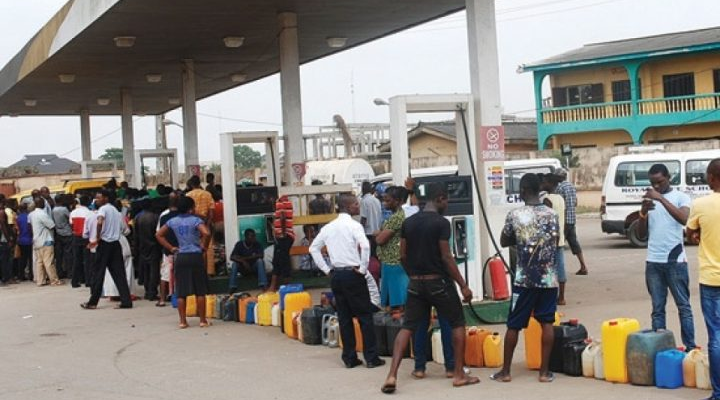
The price displayed at Nigerian filling stations has started moving again, and this time the increase is coming at a point when motorists had barely adjusted to the last round of petrol price changes. Across major markets, figures that were recently considered high are giving way to even higher numbers, while a new figure of ₦1,562 per litre has entered public conversations and triggered fresh concerns about the cost of living. Yet behind the figures being discussed on the streets is a much bigger chain of events stretching from Nigerian refineries to the international oil market.
The latest movement became particularly noticeable after the price of petrol from Dangote Petroleum Refinery climbed to ₦1,350 per litre on September 12, 2026. That figure is not the same as the final amount motorists pay at every filling station because marketers still have transportation, storage, operating and distribution costs to consider. Within days, some major stations in Lagos had moved towards ₦1,400, while prices in parts of Abuja were approaching ₦1,500.
That has raised a bigger question about where petrol prices are heading next. The answer is not sitting at the filling station alone. It can be traced through the price of crude oil, disruptions in the international petroleum market, the continuing conflict around Iran and the Middle East, the movement of refined product prices, the value of the naira, rising acquisition costs for marketers and the growing pressure on businesses that depend on petrol for transportation or electricity.
The sequence of events is becoming clearer with every new price adjustment. A refinery price changes first, marketers reassess their costs, filling stations begin adjusting their pumps and consumers eventually feel the increase through transport fares, food prices, generator expenses and everyday business costs. That sequence has become increasingly visible throughout September 2026.
1) Dangote Raises Its Gantry Price
The latest domestic trigger came on September 12, 2026, when Dangote Petroleum Refinery raised its petrol gantry price from ₦1,265 to ₦1,350 per litre. The increase represented another major adjustment within a market that had already experienced several price changes in a short period. For motorists, the significance was not simply the additional ₦85 at the refinery level, but the possibility that the higher acquisition cost would eventually appear at filling stations across different parts of the country.
The movement becomes more striking when the previous changes are placed side by side. On August 21, Dangote’s petrol gantry price stood at ₦1,165 per litre. It moved to ₦1,200 on August 26, then climbed to ₦1,265 on August 29 before reaching ₦1,350 on September 12. That means the refinery increased its petrol price by ₦185 within 22 days, representing an increase of about 15.9 percent over the period.
Such a rapid sequence provides an important clue about the direction of the market. Refinery prices do not exist in isolation from the wider petroleum market, particularly when crude oil prices are rising sharply. Every increase affects the cost structure faced by marketers who purchase products from the refinery before transporting them to their own stations or other locations.
The ₦1,350 figure therefore became an important reference point for the latest petrol price movement. Once that wholesale figure increased, the next question became how quickly the change would reach consumers.
2) Filling Stations Begin Adjusting
The movement from the refinery to the filling station does not happen at exactly the same price because retailers have their own expenses. A petrol station must account for transportation, storage, staff, electricity, equipment, financing, station operations and other distribution costs before arriving at a final pump price. Those costs can also differ considerably from one location to another.
That explains why a litre of petrol can have different prices in Lagos, Ogun, Abuja and other parts of Nigeria even when the product originated from the same refinery or depot. Distance, supply arrangements, local competition and availability can all influence the final price paid by motorists.
Reports from September 2026 showed this transmission taking place. An MRS station in Lagos moved towards ₦1,395 per litre, while some NNPC stations around Ibafo were selling around ₦1,380. By September 14, MRS stations in Lagos and surrounding areas were reported around ₦1,400, while some NNPC stations were around ₦1,375.
Some independent marketers were also selling around ₦1,400, while prices in parts of Abuja were approaching ₦1,500. The numbers show why the national market cannot accurately be represented by a single pump price at every station.
This is also where the reported ₦1,562 figure requires careful treatment. The figure has been circulated in connection with a street protest over the rising cost of living, but it should not automatically be presented as the official nationwide petrol price. The documented market movement currently shows several major locations moving through the ₦1,375 to ₦1,500 range, with prices differing between stations.
3) Crude Oil Moves Above $100
The biggest pressure behind the latest increase is coming from the international crude oil market. Brent crude, the international benchmark relevant to the petroleum market, has moved above $100 per barrel during the latest period of market turbulence.
On September 11, Brent settled around $104.61 per barrel after a strong rise during the week. Further developments on September 15 pushed crude prices higher again, with Brent reported around $105.89 while WTI moved around $102.29. Other market movements also placed Brent above $107 during the latest escalation.
Crude oil is the main raw material used in producing petrol and other refined petroleum products. When the international value of crude rises sharply, the economics of producing and replacing refined products can also become more expensive. That creates pressure for refiners to reassess the price at which they sell their products.
For Nigeria, the effect is particularly important because domestic refining has become much more significant following the rise of Dangote Petroleum Refinery. Local production does not remove the refinery from the international oil market. Crude still has a market value, refined products still have market values and commercial decisions are influenced by the wider economics of petroleum.
That is why a rise in Brent crude can eventually show up in Nigerian petrol prices even when the product is refined inside Nigeria.
4) Middle East Conflict Raises Supply Pressure
The continuing conflict involving Iran has added another layer to the global oil price increase. Petroleum markets react strongly to threats around major producing regions because even the possibility of supply disruption can affect prices before an actual shortage reaches consumers.
One of the most important locations in this story is the Strait of Hormuz, a major route for global oil shipments. Disruptions around strategic shipping routes create fears that crude and refined petroleum products may become harder or more expensive to move around the world.
The market response has been visible in crude prices. Brent gained more than 8 percent during the week ending September 11 as concerns over supply disruptions intensified. Further attacks around Middle Eastern energy infrastructure on September 15 created another wave of uncertainty.
That means Nigerian motorists are facing the effects of a global petroleum market that is becoming more expensive at the same time local petrol prices are already under pressure. The connection may seem distant from an ordinary filling station in Lagos or Abuja, but the pricing chain eventually brings international petroleum conditions into the domestic market.
The longer the disruption continues, the greater the pressure can become on crude prices, refined products and the cost of replenishing fuel stocks.
5) Saudi Energy Infrastructure Faces Disruption
Another major development came on September 15, 2026, when attacks forced Saudi Arabia to shut its East West Pipeline. The importance of the development goes beyond Saudi Arabia because the pipeline is connected to the movement of crude within one of the world’s most important oil producing regions.
The reported disruption raised concerns over a potential loss of global supply if the situation persists. Estimates have placed the threatened volume at up to 4 percent of global oil supply, making the development particularly important for an already unsettled market.
Oil prices respond quickly when traders see a credible threat to future supply. The reason is simple. Buyers need to consider not only the oil available today but also whether sufficient supplies will be available tomorrow, next week or next month.
That uncertainty can increase the value of crude and refined petroleum products. Refiners then have to consider the higher replacement cost when deciding how to price their products.
For Nigerian petrol consumers, this creates another route through which events thousands of kilometres away can influence the amount paid at the pump.
6) Refined Products Are Getting More Expensive
Crude oil is only part of the story. Petrol itself has a market value that can rise when refining capacity becomes constrained and demand for available refined products remains strong.
This distinction is important because Nigeria’s domestic refining expansion has not completely separated the country from international petroleum prices. Dangote Refinery may be producing petrol locally, but it is still operating within a global petroleum economy.
The international market has experienced damage to refining infrastructure and disruptions to fuel exports in several regions. The Russia Ukraine war has also contributed to changes in global refining capacity and fuel supply patterns.
Dangote management has warned that fuel shortages could continue beyond the current Iran conflict because damaged refining infrastructure requires repairs and countries need to rebuild fuel inventories. When countries compete to secure available refined products, the value of those products can increase.
That environment creates a difficult situation for Nigerian consumers. Local refining provides an important domestic supply source, but the commercial value of petrol remains influenced by international conditions.
The result is that producing petrol locally does not automatically mean the product will always become cheaper.
7) Dollar Pricing Adds Another Pressure
Currency exposure is another part of the pricing structure that cannot be ignored. Dangote Refinery moved towards dollar denominated pricing for refined petroleum products earlier in 2026, with a reported petrol template of about $0.779 per litre.
That structure makes the relationship between international petroleum prices and the Nigerian market even more important. When a product has a dollar linked value, the naira equivalent can change when international prices move or when the exchange rate changes.
Two variables therefore become important. The first is the international dollar value of crude or refined petroleum products. The second is the value of the naira against the dollar.
A rise in international petroleum prices can increase the cost of the product even when the exchange rate remains relatively stable. Likewise, a weaker naira can increase the local currency value of a dollar linked petroleum product even without a major movement in the international oil price.
For the September 2026 increase, the clearest immediate pressure has been the sharp rise in international crude prices. The exchange rate remains an important background factor because of the dollar linked nature of petroleum transactions.
This is why the price of petrol cannot be explained by one domestic figure alone.
8) Marketers Face Higher Acquisition Costs
Once the refinery increases its price, marketers have to reconsider their own operating calculations. Buying petrol at ₦1,350 per litre leaves less room for a station to sell at the old pump price while covering transportation, storage, staffing, financing and other expenses.
A marketer who buys fuel at a higher price has essentially started with a higher cost base. The final pump price must reflect that cost if the business is expected to remain commercially viable.
This is one reason the movement from ₦1,350 at the refinery to around ₦1,400 at some filling stations can happen quickly. The difference between the two figures represents more than a simple retail markup. It can include the expenses involved in getting the product from the refinery or depot to the final consumer.
Location also matters. A station closer to a major supply point may have lower transportation costs than one farther away. A station facing more expensive logistics or weaker supply availability may arrive at a different price.
That explains why motorists should not expect every station in Nigeria to immediately display the same figure.
The market is moving through different stages, with some stations adjusting faster than others.
Petrol Prices Spread Through the Economy
The effect of a petrol price increase does not stop when a motorist leaves the filling station. Fuel is connected to several parts of daily economic activity, particularly transportation, food distribution and small business operations.
Commercial transport operators use petrol to power cars, buses, tricycles and other vehicles. When fuel becomes more expensive, their operating costs rise. Some of that increase can eventually appear in transport fares as operators try to maintain their income after spending more on fuel.
Food prices can also feel the pressure. Farmers and distributors need transportation to move agricultural products from production areas to markets. Petrol is also used for irrigation, processing and other activities in different parts of the agricultural supply chain.
Small businesses face another problem because many depend on petrol generators when public electricity supply is inadequate. Barbers, restaurants, shops, fashion businesses, POS operators and other small enterprises can all face higher operating costs when petrol prices rise.
The numbers become more obvious when the fuel is purchased in larger quantities. At ₦1,300 per litre, 10 litres costs ₦13,000. At ₦1,400, the same 10 litres costs ₦14,000. At ₦1,562, the cost would be ₦15,620.
For a household buying small quantities frequently or a business running a generator for several hours, the difference can accumulate quickly.
Nigeria Is Still Exposed to Global Oil Prices
Nigeria’s position as an oil producing country can make the latest increase confusing to consumers. The country produces crude oil, so it is natural to expect domestic petrol to remain cheap regardless of events abroad.
The petroleum market does not work that simply. Crude oil and petrol are different products, while the value of both is influenced by international market conditions. Nigeria can produce crude and still face high petrol prices when the economics of refining and distribution become more expensive.
For many years, Nigeria exported crude while importing significant quantities of refined petroleum products because domestic refineries could not meet national demand. The arrival of Dangote Refinery has changed that structure considerably by providing a major domestic source of refined products.
However, domestic refining has not eliminated international pricing pressure. Crude still has a commercial value, refined products still have market values and the refinery must operate as a commercial business.
That is why the idea that Nigeria should automatically have cheap petrol simply because it produces crude oil does not fully capture how the modern market operates.
The country has gained a much larger domestic refining capacity, but the price of the raw material and the international value of the finished product remain important.
The ₦1,562 Figure Needs Careful Handling
The figure of ₦1,562 per litre has become one of the most talked about numbers in the latest petrol price debate, but it needs to be presented with precision.
The figure emerged through a circulating video showing a Nigerian man moving through neighbourhoods with a loudspeaker while announcing the price and protesting the rising cost of living. The video attracted attention because it placed a dramatic number on the latest fuel crisis.
However, the available market evidence does not establish ₦1,562 as a uniform nationwide pump price. Verified figures from major stations have shown prices around ₦1,375 to ₦1,400 in several locations, while some Abuja areas have been approaching ₦1,500.
That difference is important for accurate reporting. A reported figure from a particular location should not automatically become a national price.
The safest description is that petrol prices are rising sharply, with reports of prices reaching ₦1,562 in some locations, while verified prices at major stations have moved towards ₦1,400 to ₦1,500 depending on the location and marketer.
That wording captures the seriousness of the increase without turning an unconfirmed national figure into an established fact.
Why Dangote Refinery Has Not Made Petrol Automatically Cheap
The expectation that Dangote Refinery should immediately make petrol cheap is understandable because the refinery represents a major change in Nigeria’s petroleum industry.
However, a refinery is not the same thing as a government subsidy system. Dangote buys crude, processes it and sells refined products. Its commercial decisions are influenced by the cost of crude, international petroleum prices, refinery operations, market demand and the value of the finished products.
The refinery has been operating at around 700,000 barrels per day, with plans to expand towards 1.4 million barrels per day. Its growing capacity gives Nigeria a stronger domestic supply base, but it does not remove the refinery from the global market.
The financial performance of the refinery also illustrates how closely it is connected to current market conditions. Dangote Industries reported a significant improvement in refinery related profitability during the first half of 2026, with the wider company recording a $1.82 billion net profit compared with a loss of $476 million in the comparable period.
That development has occurred during a period when global fuel markets have become more valuable because of supply disruptions.
The same market conditions that create opportunities for a major refinery can therefore create higher costs for consumers buying petrol.
Dangote Secures More Nigerian Crude
Another development adds more context to the current situation. Dangote Refinery has increased its Nigerian crude purchases as it seeks to maintain a stronger supply of feedstock for its operations.
At least 16 million barrels of Nigerian crude were secured for October delivery, equivalent to roughly 520,000 barrels per day. That is a substantial volume when compared with the refinery’s 700,000 barrel per day capacity.
The purchase shows that domestic refining is becoming a major part of Nigeria’s petroleum supply chain. It also shows why crude supply remains central to the price of petrol.
A refinery needs reliable access to crude if it is to maintain high production levels. When global crude prices rise, securing those supplies becomes more expensive in commercial terms.
That feeds into the wider pricing chain that eventually reaches filling stations.
What Comes Next for Nigerian Petrol Prices
The next stage of the story will depend heavily on the international oil market. Brent crude remaining above $100 per barrel would keep pressure on petroleum costs, particularly if geopolitical tensions continue affecting supply routes and refining infrastructure.
Dangote’s next gantry price will be one of the most important domestic indicators to watch. Another increase could place further pressure on marketers and create another round of adjustments at filling stations.
NNPC stations will also be important because some locations have already moved towards ₦1,375 per litre. MRS and independent marketers will provide another indication of how quickly the higher refinery cost is spreading through the retail market.
The Strait of Hormuz will remain another crucial point to watch. Any further disruption to oil shipping could send crude prices higher, while repairs to damaged energy infrastructure will determine how quickly global supply conditions improve.
The naira dollar exchange rate will also remain relevant because petroleum transactions are increasingly connected to dollar denominated pricing.
The Real Price Story Behind September
The September 2026 petrol increase is therefore bigger than the number appearing on a filling station pump. The latest chain began with international crude prices moving above $100 per barrel, followed by growing fears over global supply, continuing conflict around Iran and the Middle East, disruption to energy infrastructure and pressure on refined petroleum supplies.
Those international developments eventually reached Nigeria through the economics of crude and refined products. Dangote Refinery responded to the changing market environment with another increase, taking its petrol gantry price from ₦1,265 to ₦1,350 on September 12.
Marketers then faced higher acquisition costs. Filling stations began adjusting their prices, with some MRS stations reaching around ₦1,400 in Lagos and some NNPC stations moving towards ₦1,375. Other locations, particularly parts of Abuja, were approaching ₦1,500.
The reported ₦1,562 figure has added another layer to the public debate, but it should not be confused with a confirmed nationwide pump price.
The more established picture is already serious enough. Petrol has moved from ₦1,165 at Dangote’s gantry on August 21 to ₦1,350 on September 12, a rise of ₦185 in just 22 days. The increase is already filtering into transportation, business operations, food distribution and household spending.
The immediate direction of the market will depend heavily on crude prices, global supply disruptions, refinery conditions, currency movements and the next pricing decision from major suppliers.
For Nigerian consumers, the most important number may therefore not be ₦1,562 alone. It may be the next figure that appears at the refinery gate, because that is where another round of pressure on filling station prices could begin.