The role Nigeria played in ending apartheid in South Africa cannot be overemphasised. From financial support to diplomatic leverage, Nigeria used its clout, influence and pedigree to squeeze and force the white minority who ruled South Africa for much of its existence into relinquishing power and ushering in independence for the country. But that was decades ago; the respect and importance that were accorded to Nigerians by South Africans who knew and understood the immense sacrifice the West African country made to upend the entrenched, destructive apartheid rule have since been replaced by senseless hostility and antipathy that border on paranoia.
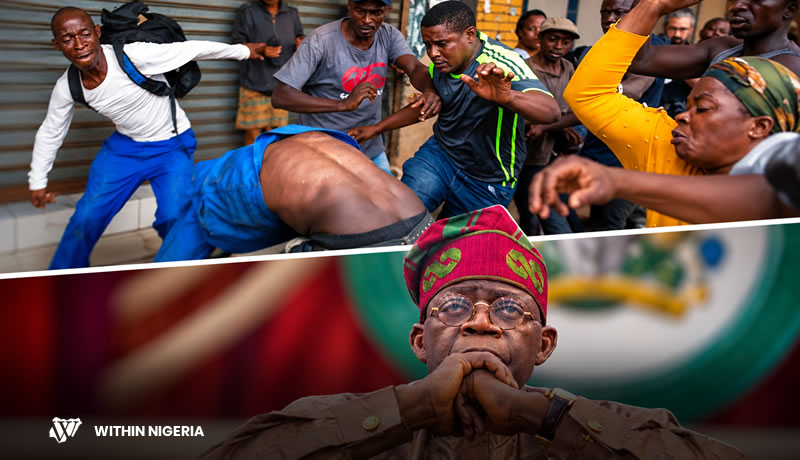
In recent years, Nigerians in South Africa have become the target of vicious xenophobic attacks that have claimed the lives of many and forced others to flee the country, leaving everything they own behind. These xenophobic attacks have intensified in recent months amid growing youth restiveness over lack of prospects and opportunities. Many Nigerians were evacuated from the country in June by indigenous Nigerian airline company, Air Peace, after an ultimatum was issued by a group claiming to represent the interests of South Africa’s despairing and beleaguered youths.
However, despite the steep decline in the number of Nigerians living in the country, the attacks on those left have not abated. Last month, three more Nigerians were killed in different parts of the rainbow nation. They are Kenechukwu Christopher Igwemadu, Olaniyi Olaleye Olatunde and Christian Hillary Nnaemeka. The Nigerian consulate in Johannesburg said Kenechukwu Christopher Igwemadu jumped to his death on September 18 while fleeing police harassment in Bloemfontein.
Olaniyi Olaleye Olatunde, a security guard, was shot over a bar cup in Pretoria on September 20 and died the next morning. Christian Hillary Nnaemeka died on September 21 after an encounter with Xolani Khumalo, a South African politician and vigilante content creator whose team allegedly tortured him before he collapsed trying to escape.
As usual, the unconscionable incident was greeted by a perfunctory statement condemning it. During past xenophobic attacks, ordinary Nigerians have taken the law into their own hands and retaliated against South African companies and entities in Nigeria, but the anger and national pride that fuelled their reaction to the unfair and abhorrent treatment of their compatriots in a foreign land have been dissolved by national hopelessness and weariness, which are partly spurred by the government’s lack of decisive action on the perennial issue.
The Nigerian government has been conciliatory and diplomatic in its response to the killing of its citizens in South Africa, even when it became obvious that the perpetrators are emboldened by the public utterances, actions, and inaction of some high-ranking South African government officials. Even when some officials try to distance themselves from these nefarious and despicable acts and preach solidarity and shared African values, extolling the virtue of brotherliness and unity, like South Africa’s foreign minister, Ronald Lamola, did in Abuja two weeks before three Nigerians were killed, saying his country remains “deeply indebted” to Nigeria for its role in the anti-apartheid struggle, their words tend to ring hollow, as they are uttered to placate the victims of injustice and violence in their country and not to bring those who perpetrated it to book.
In recent months, there have been growing calls for the Nigerian state to ditch diplomacy, tact, reason and rapprochement for belligerence and hostility in dealing with South Africa’s relentless antipathy and animosity towards Nigeria. And it is time to hearken to this call. Nigeria does not even have to go gung ho or heavy-handed. It has enough leverage to hurt South Africa even without severing diplomatic ties or taking punitive economic measures against the country.
Nigeria’s economy is dominated by South African businesses. They operate in telecoms, retail, banking, and broadcasting. Nigerians’ patronage of these companies is critical to their survival not just in the country but on the continent. The margins, bottom line, and revenue of these companies are determined by Nigerian consumers. It stands against reason and strains credulity that these companies profit from Nigerians while South Africans not only persecute and victimise Nigerians but also hound and kill them for sport with reckless abandon back home. That injustice cannot continue without consequence.
Nigeria does not need to expel or nationalise these businesses outright. But fiscal and corporate governance instruments could be deployed to show and tell South African authorities that unconscionable treatment of Nigerians will no longer be condoned. Regulatory pressure — audits, compliance reviews, licence scrutiny, slower approvals — could signal that it is no longer business as usual.
Recalling Nigeria’s high commissioner for consultations, summoning South Africa’s envoy in Abuja for a formal protest, and raising the matter loudly at the African Union (AU) and even the United Nations (UN) would add diplomatic weight the current approach lacks.
These steps do not require military threats or a diplomatic row. They demand Nigeria take conscious and decisive action and tone down diplomacy and strategic patience.
Critics may say that economic pressure risks retaliation or damages a historic friendship. But that friendship, as currently practised, has cost 98 Nigerian lives and counting. A relationship that only one side pays for is not friendship; it is injustice and exploitation couched in the garb of solidarity.