
For years, Nollywood’s early 2000s era has been remembered for the rise of a group of actresses who became household names across Nigeria and beyond.
Genevieve Nnaji, Omotola Jalade-Ekeinde, Rita Dominic, Stella Damasus, Oge Okoye, Stephanie Okereke and several others became some of the most recognisable faces of the home-video era.
But was there ever a definite “Big 3”? That question has resurfaced after veteran actress Stella Damasus said she, Genevieve Nnaji and Omotola Jalade-Ekeinde were known as Nollywood’s “Big Three” during their peak.
Speaking in an interview with Pulse TV, Stella looked back at the period when the three actresses were among the most visible female stars in the industry.
“They called us the Big Three, Omotola, Stella and Genevieve,” she said.
According to Stella, what made their generation different was that they were not trying to copy anyone or build their careers around fame. She added:
“We were very authentic; we weren’t trying to be other people, copy other people, or be who we aren’t. Everything was authentic; we weren’t doing it for fame or money.”
But while Stella’s comment was a reflection of how she remembers that period, it quickly reopened an old argument among Nollywood fans: if there was a Big 3, who exactly belonged in it?
Stella, Genevieve And Omotola: The Trio At The Centre Of The Debate


There is little question that Stella, Genevieve and Omotola were major stars during Nollywood’s home-video boom.
Genevieve had been acting from childhood, appearing on the television soap opera Ripples, before making her adult film debut in Most Wanted in 1998. By the early 2000s, she had become one of the industry’s most recognisable leading actresses.
Stella also built a strong presence during the same period. Her filmography includes prominent early-2000s titles such as Submission, Real Love, Passions, The Intruder and Dangerous Twins. She also appeared alongside several of the era’s biggest names, including Genevieve, Omotola and Rita Dominic.
Omotola, meanwhile, had also established herself as one of the industry’s biggest female stars, with her name and image appearing regularly on the films that defined the period. She has featured in prominent movies like Blood Sisters, Royal Family and Venom Of Justice
Stella’s description of the three therefore speaks to a period when their faces were difficult to miss. But being among the biggest actresses of an era is different from having an agreed-upon “Big 3” and that is where the argument begins.
Comparisons Part Of The Pressure

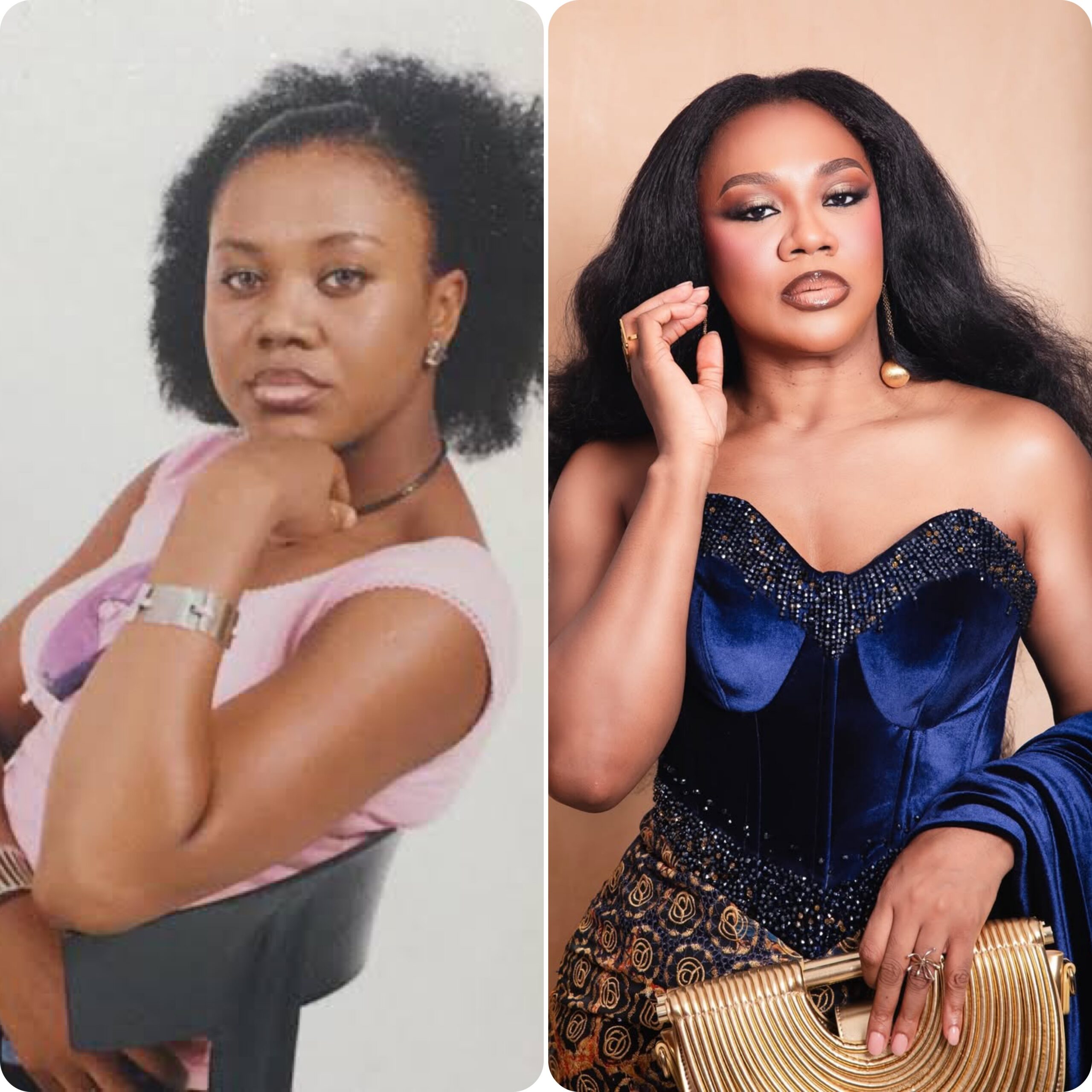
Interestingly, Stella did not describe the period as a simple friendship or celebration of success. She said the actresses were constantly being compared by fans, creating pressure for each of them to prove themselves. She recalled:
“It brought about a lot of comparisons. Fans who love one more than the others, and we had to keep proving ourselves. So we don’t think we are the weakest. Nobody wanted to be the weakest.”
Her explanation offers another way of looking at the rivalry that surrounded Nollywood’s leading actresses at the time.
There was no social media where fans could instantly debate performances, compare careers or create rankings. Instead, audiences encountered the actresses through cinema posters, television appearances, magazine covers and the countless video films circulating across the country.
As Stella put it, “There was no social media to tell us how big we could get.”
She said the actresses were simply young women trying to succeed without knowing how far their careers would eventually go. She said:
“You saw young, beautiful, and talented women coming together to do the job with everything they had and so much determination to succeed.”
But Where Does Rita Dominic Fit?

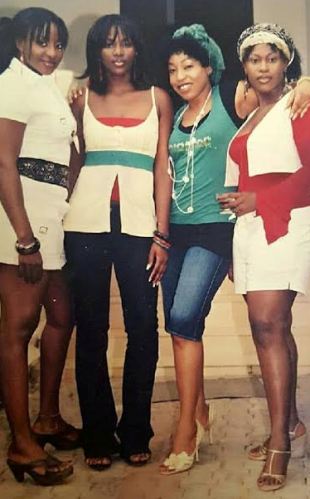
One of the biggest objections to Stella’s recollection came from people who believed Rita Dominic deserved to be part of any conversation about Nollywood’s leading actresses of that period.
Some reactions specifically questioned why Stella was included ahead of Rita.
One netizen wrote: “Rita Dominic was way bigger than Stella. Big 3 as how?”
Another suggested that if there had been a trio, it should have been Genevieve, Omotola and Rita.
The argument is not without historical context. Rita Dominic entered the Nigerian film industry in 1998 with A Time to Kill and became a prominent actress during the same period. She won the City People Award for Most Outstanding Actress in 2004 and went on to build a filmography spanning more than 100 Nollywood productions.
Her early filmography also shows how closely she operated within the same circle of major stars. She appeared with Stella in films including Face of a Liar and The Intruder, while her later credits included projects with Omotola and other leading actresses.
For fans who remember that era differently, those credentials make Rita’s omission from Stella’s “Big Three” particularly noticeable.
Oge Okoye And The Problem With Choosing Only Three


Rita was not the only name raised by netizens. Oge Okoye was also mentioned in the reactions, with some questioning where she fitted into the picture.
Okoye joined Nollywood around 2001 and came into wider prominence in 2002 after starring in Spanner alongside Chinedu Ikedieze. She was subsequently nominated for Best Actress in a Supporting Role at the 2006 Africa Movie Academy Awards for Eagle’s Bride.
Her rise came slightly later than the careers of some of the women at the centre of Stella’s recollection, but she was still part of the generation of actresses who became highly visible during Nollywood’s boom.
That is what makes the “Big 3” debate difficult to settle. The more names that are considered, the harder it becomes to reduce an entire era to three actresses.
Was ‘Big 3’ An Official Nollywood Title?
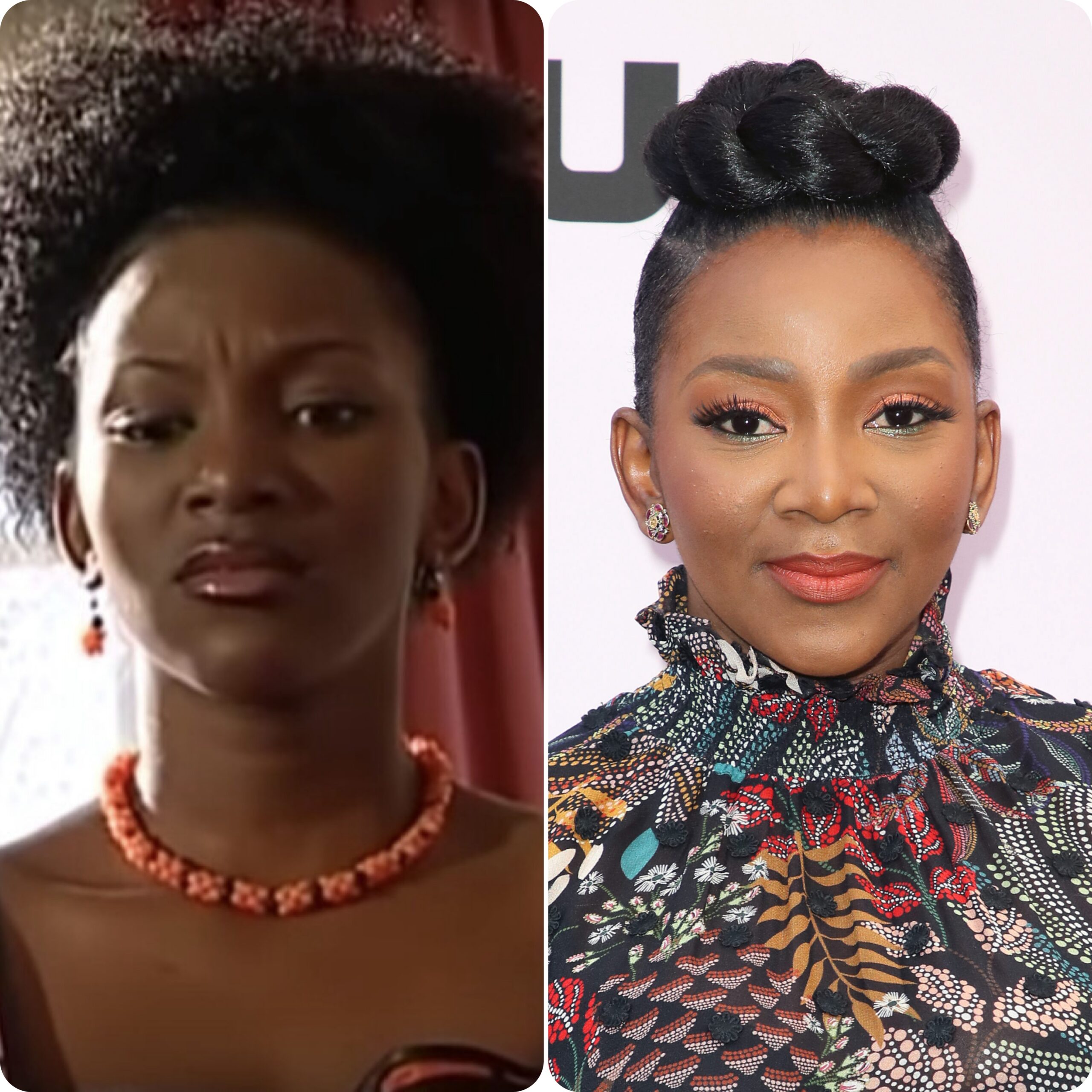
Another important part of the debate is Stella’s wording. She did not present the trio as an official industry award or formal ranking. She said, “They called us the Big Three.”
To be honest, Nollywood did not have a universally recognised body that formally declared Genevieve, Omotola and Stella its three biggest actresses. The label was created by netizens and its how Stella remembers audiences viewed the three at the time. The “Big 3” is not even restricted to Nollywood, the Nigeria music industry have their own “Big 3” of different eras which has also been debatable.
And different audiences clearly remember that period differently. For some viewers, Stella, Genevieve and Omotola represent the three women who best captured the mainstream attention of that particular period.
For others, Rita Dominic’s popularity and body of work make her an obvious part of the conversation, while names such as Oge Okoye, Stephanie Okereke and Ini Edo further complicate any attempt to create a fixed list.
A Defining Nollywood Era

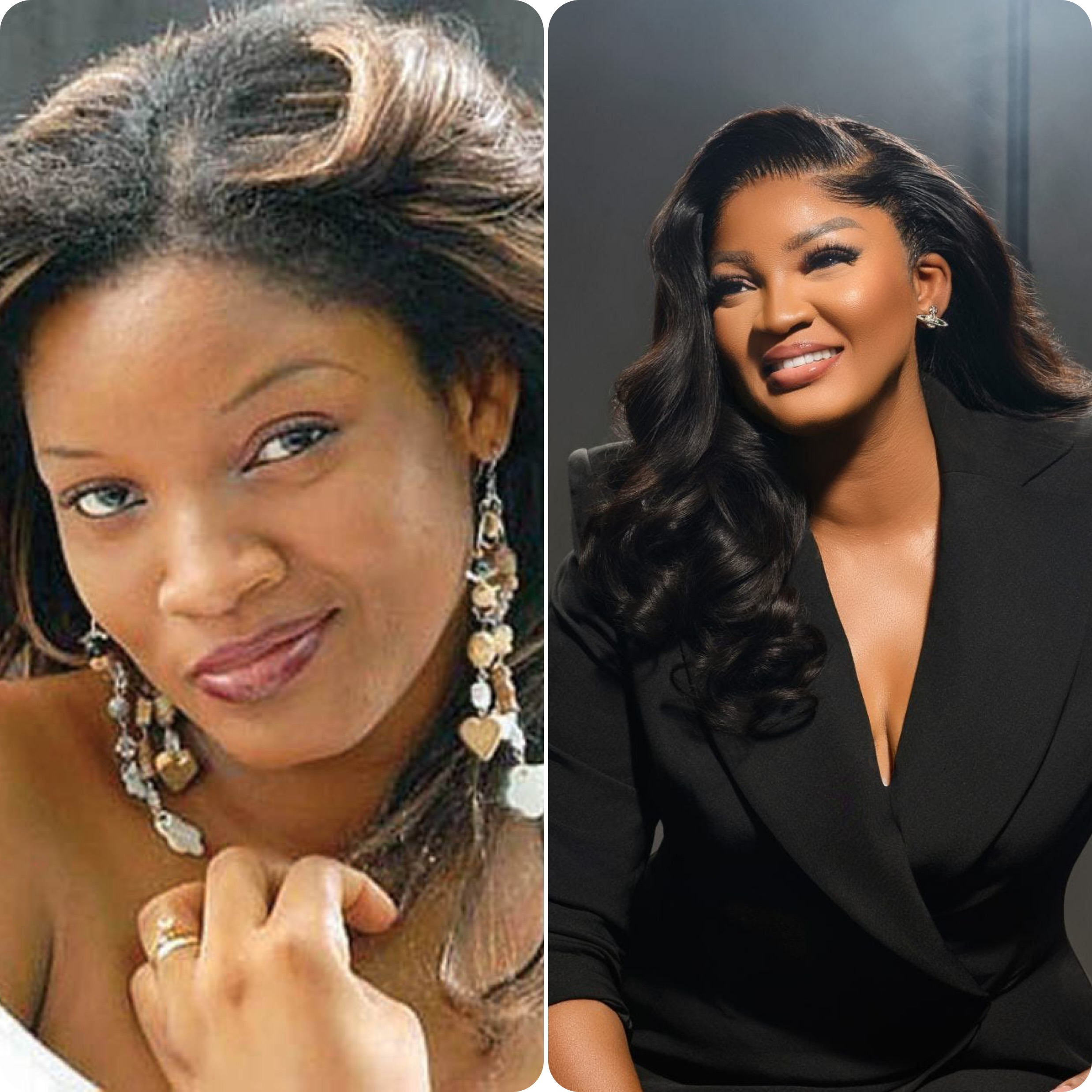
Perhaps the bigger story is not whether three actresses can be definitively selected. The early 2000s produced a remarkable concentration of female stars who helped shape how Nollywood was consumed.
They appeared repeatedly on film covers, shared screens with the industry’s biggest male actors and became familiar names to audiences who followed the home-video industry closely.
Stella’s own recollection captures the intensity of that period. She remembers three young actresses working hard, being compared constantly and trying not to be seen as the weakest. Her statement has now given a new generation of viewers an opportunity to revisit that era and, in the process, debate which actresses truly stood at the top.
Whether audiences agree with Stella’s “Big Three” or believe Rita Dominic, Oge Okoye or other names deserve consideration, the argument itself shows how much those actresses mattered to Nollywood’s growth.
More than two decades later, Nigerians are still debating who ruled that era.