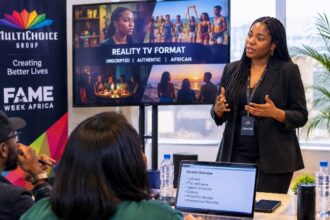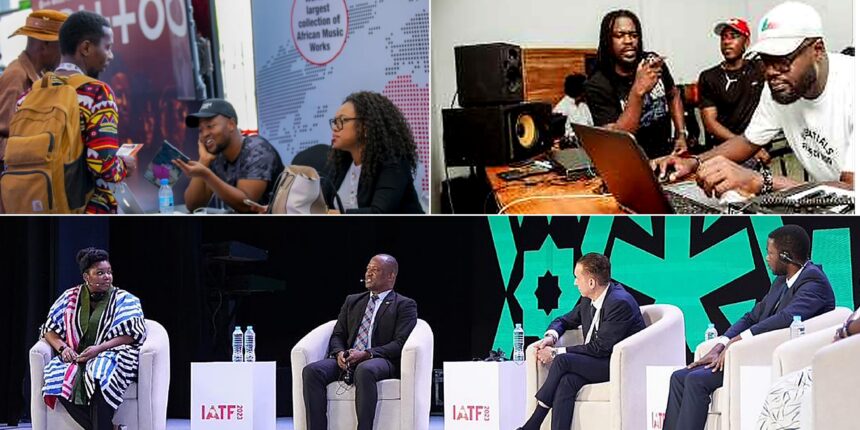
Nigeria’s entertainment industry has created opportunities for musicians, filmmakers, actors, fashion designers, content creators and creative entrepreneurs to reach audiences far beyond their immediate surroundings, but turning talent into a sustainable business often requires access to people, platforms and markets that are difficult to reach alone. A well produced film, an original song or a promising fashion collection can attract attention, yet the opportunities that follow may depend on who sees the work, the business relationships established and the ability to present a project to the right people at the right time.
Across Africa, documented partnerships and investment deals have shown how creative businesses can move from local recognition to wider commercial opportunities. As 2026 progresses, Nigerian creatives have several routes to explore, including industry gatherings, pitching sessions, exhibitions, international collaborations and meetings with potential business partners.
How Industry Networking Opens Doors for Nigerian Creatives
Building a career in entertainment involves more than producing good work and waiting for an audience to discover it. Musicians need access to record labels, music publishers, distributors, booking agents and promoters, while filmmakers may need producers, financiers, sales agents, broadcasters and streaming platforms to take their projects to a wider market. Fashion designers also need opportunities to meet retailers, buyers, manufacturers and investors who understand how to turn a collection into a commercially viable business. These relationships can be difficult to establish through social media alone, particularly when a creative professional has limited industry contacts or lacks the resources to travel frequently.
Industry events provide a setting where these different groups can meet around specific commercial interests. A filmmaker attending a film market may find a producer interested in co financing a project, while a musician could meet a booking agent looking for emerging talent or a publisher interested in a catalogue of original compositions. Such introductions do not automatically result in contracts, but they create opportunities to present work directly to people who may have the resources, experience or professional connections to move a project forward. The real objective is to turn a brief introduction into a serious business conversation that continues after the event.
CANEX Shows How Creative Pitching Can Attract Investors
The Creative Africa Nexus, widely known as CANEX, has developed into a platform connecting African creative businesses with investors, industry professionals and international markets. Its activities cover several parts of the creative economy, including music, film, fashion, visual arts and other creative enterprises. The platform is relevant to Nigerian professionals because it offers a setting where creative work can be presented alongside discussions about commercial partnerships, investment and access to markets beyond an individual country.
A documented example came during CANEX WKND in Algiers in 2024, when the CANEX Presents the Angels pitching session generated reported investor commitments totalling $350,000. The commitments included $250,000 pledged by investor Moji Hunponu Wusu to Cameroonian fashion designer Kibonen Nfi, alongside another $100,000 from an investor consortium for pitches involving creative entrepreneurs. The figures demonstrate how a pitching opportunity can bring a creative business before people prepared to consider financial backing. They also show why a professional presentation needs to communicate more than artistic ability, including the commercial purpose of the business and its potential for growth.

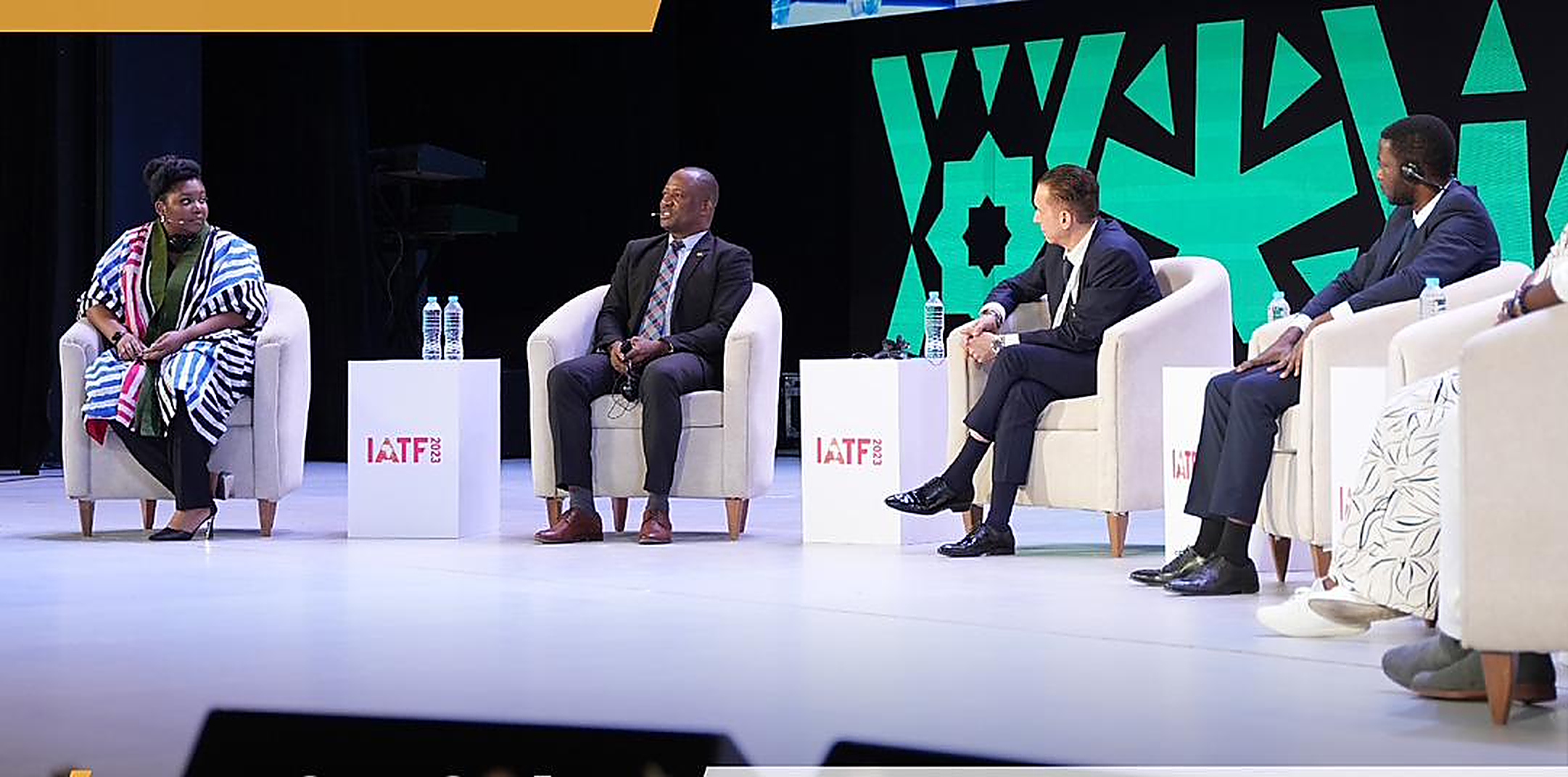
The wider CANEX WKND 2024 event was reported to have generated more than $540 million in deals committed across its activities. That broader figure should not be confused with the $350,000 attributed to the specific investor pitching session, since the 2 figures describe different sets of commitments. For Nigerian creatives considering similar platforms in 2026, the lesson is to identify the sessions that fit their industry, understand the requirements for participation and prepare materials that make their commercial proposition clear. An event may offer access to investors, but each creative still needs to demonstrate why a project deserves serious consideration.
Universal Music Group’s Investment in Mavin Global
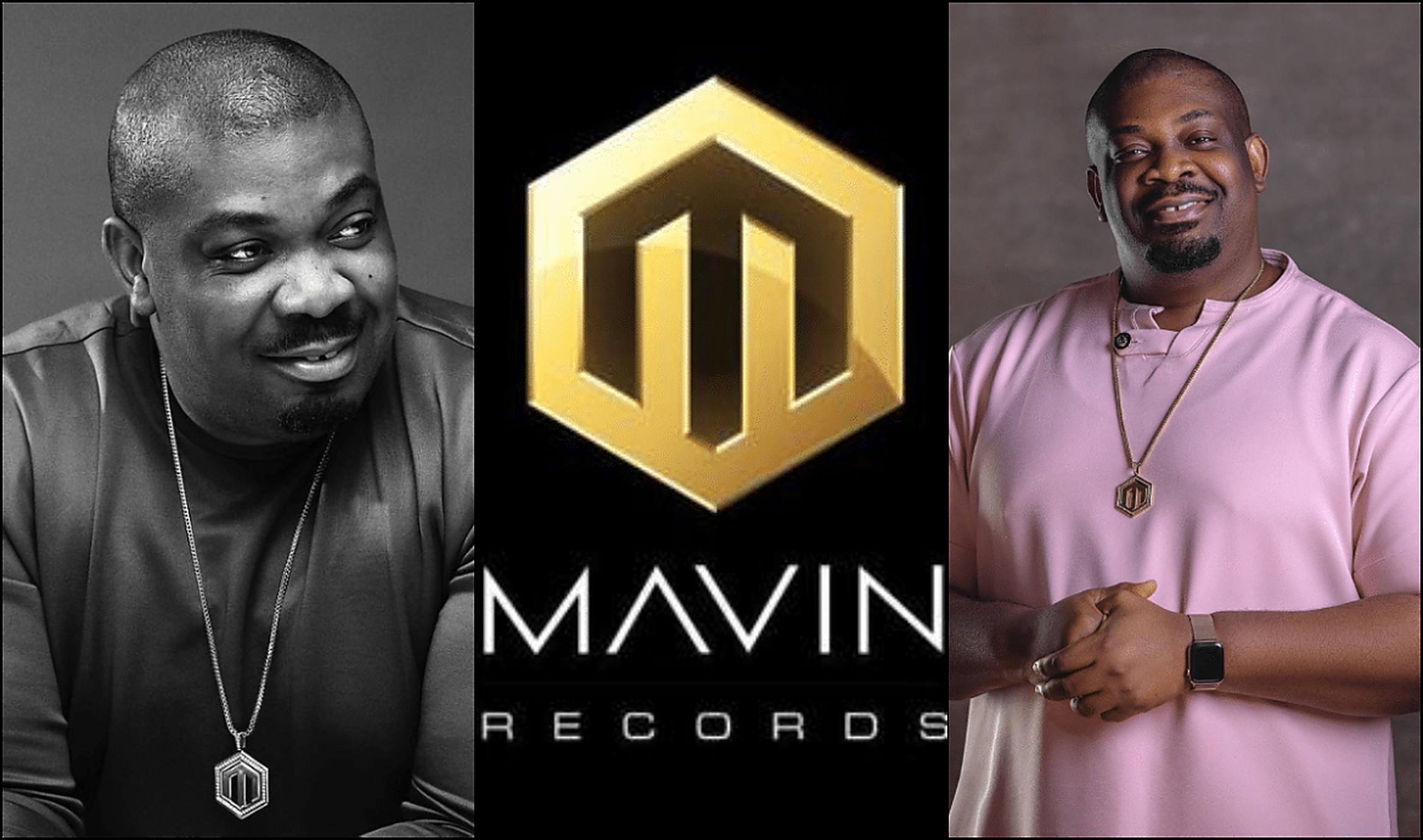
Nigeria’s music industry provides another example of how professional relationships can lead to opportunities on an international scale. On February 26, 2024, Universal Music Group announced a majority investment in Mavin Global, the Lagos based music company founded by Don Jazzy. The announcement represented a significant development for a Nigerian music business whose activities include discovering talent, developing artists and building a commercially active music catalogue.
The partnership was intended to support Mavin’s international expansion and strengthen opportunities for its artists. It also illustrates the type of business structure that can attract international interest, with a company bringing together talent development, management, music production and commercial operations rather than relying on a single performer or release. A creative enterprise with a defined business model may be better positioned to explain how new investment could support its next stage of development.

Independent musicians and emerging labels can draw practical lessons from this example without assuming they need to build a company on the same scale before approaching industry professionals. A developing artist can prepare a professional catalogue, document audience growth, understand ownership of recordings and compositions, and identify the kind of partnership being sought. A small label can present its artist development strategy, distribution arrangements and revenue model. These steps help potential partners understand the business behind the music and consider whether a commercial relationship would make sense.
Mo Abudu’s EbonyLife Partnership With Netflix
Film and television provide another route through which Nigerian creatives can reach international markets. On June 30, 2020, Netflix announced a multi title partnership with Nigerian media entrepreneur Mo Abudu and EbonyLife, covering the development of Nigerian original series and other film and television projects. The arrangement demonstrated how an established production company could work with an international streaming platform to develop projects intended for audiences across different markets.
The example is particularly relevant to producers, screenwriters and filmmakers who want to understand how industry relationships can expand the reach of their work. A production company seeking this kind of opportunity needs more than an interesting story. It also needs the capacity to develop scripts, organise production, manage budgets, establish ownership rights and deliver projects to the required professional standards. Buyers and commissioning partners must be able to assess both the creative proposition and the team’s ability to execute it.


Emerging Nigerian filmmakers can begin preparing for similar conversations by developing a strong screenplay, a concise synopsis, a director’s vision, a realistic budget and a clear explanation of the intended audience. Producers with completed work can also assemble showreels, project summaries and information about previous distribution or screening history. These materials help industry decision makers assess whether a project fits their needs and whether further discussions are worthwhile. Access to a streaming company is not the same as securing a commission, but a professional presentation gives the conversation a clearer direction.
The Black Book Demonstrates the Value of International Distribution
Nigerian filmmaker Editi Effiong’s The Black Book offers a documented example of a locally financed production reaching an international audience through streaming distribution. Released on Netflix in September 2023, the film attracted substantial attention beyond Nigeria. An Associated Press report published after its release stated that it recorded 5.6 million views within its first 48 hours and entered Netflix’s top 10 in 69 countries by its second week.
The film’s performance illustrated how a production financed with Nigerian money could reach viewers in several international markets when supported by a major distribution platform. Its commercial journey also highlights the difference between financing a film and finding an effective route to its audience. A producer may secure the resources to complete a project, but distribution arrangements can determine how the finished work reaches viewers and gains visibility outside its original market.
Independent filmmakers can use this example to think carefully about distribution from the early stages of production. They should consider the audiences they want to reach, the platforms suitable for the project, the rights they control and the materials needed to approach distributors or sales agents. A completed film with clear ownership documentation, professional promotional materials and a realistic understanding of its market has a stronger foundation for distribution discussions.

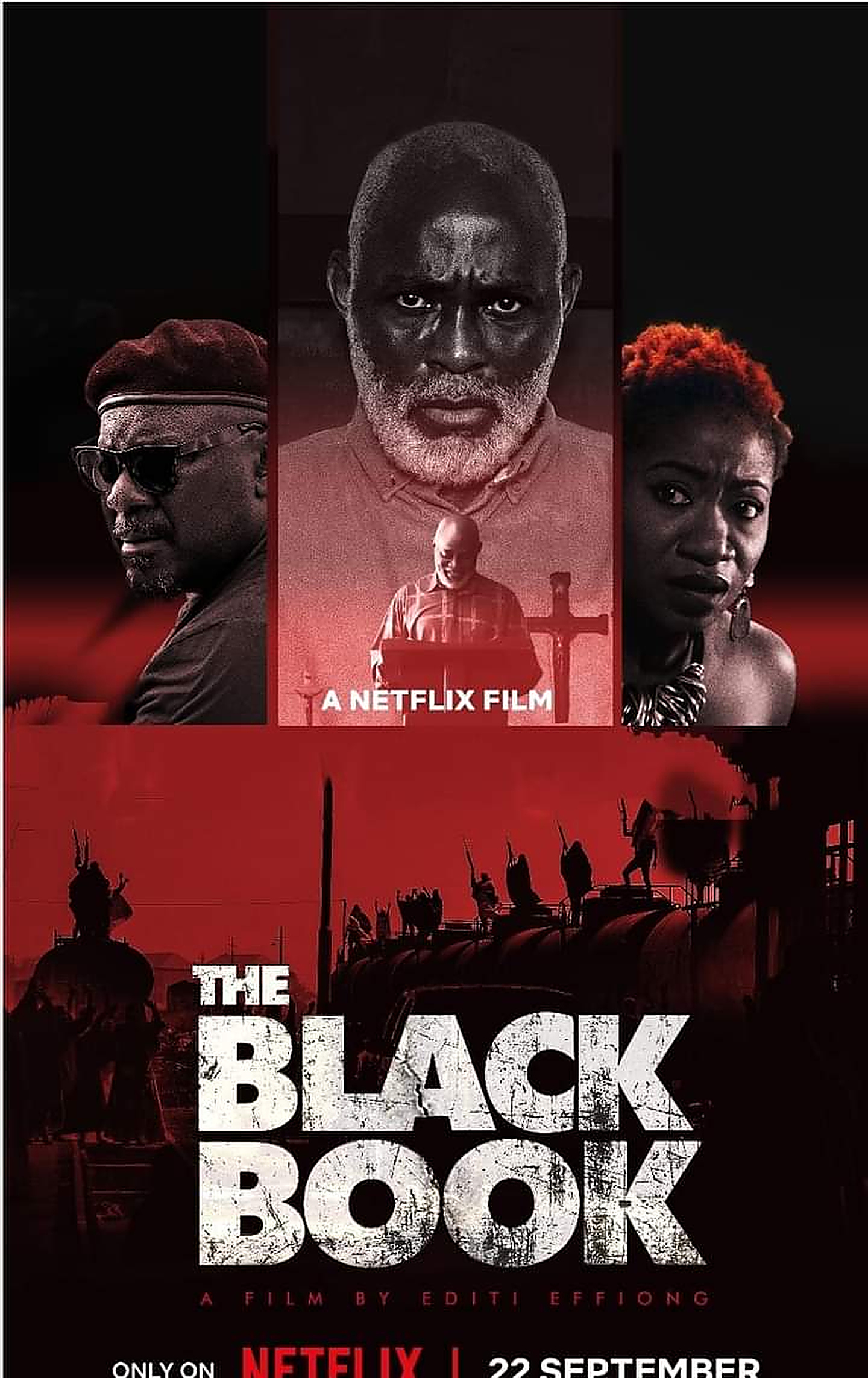
The performance of The Black Book does not guarantee similar results for other films, but it establishes a Nigerian example of how local financing and international distribution can work together.
CANEX Music Factory Creates Opportunities for Collaboration
Access to the entertainment market also involves relationships that develop through professional collaboration rather than direct investment. The CANEX Music Factory has provided a platform for African musicians and producers to work together, exchange knowledge and develop music through organised creative sessions. Such activities can introduce participants to people with different production styles, professional experience and connections within their own markets.
An example documented in June 2025 involved Ivorian singer and producer Reine Ablaa, who participated in the CANEX Music Factory before collaborating with South African producer Oskido and other musicians on the track Kontrola. The song appeared on the One Drum EP released in August 2024. Her experience illustrates how a structured music platform can help participants develop relationships that extend beyond the original programme.
For Nigerian musicians, producers and songwriters, these opportunities can support the development of a professional network that may lead to future recording sessions, songwriting partnerships, live performances and introductions to other industry professionals. Participants should arrive ready to contribute creatively, demonstrate their skills and exchange contact information with people whose work aligns with their goals. A single collaboration may not immediately produce substantial income, but it can strengthen a portfolio, expand professional credibility and create relationships that support later opportunities.
Where Nigerian Creatives Can Meet Industry Decision Makers
The most suitable industry platform depends on the kind of work a creative professional produces and the commercial outcome being pursued. A musician seeking a publishing agreement will need to approach different people from a filmmaker searching for a co production partner, while a fashion entrepreneur preparing to supply retailers will have different priorities from a digital media company looking for venture capital. Understanding these differences helps creatives focus their time and resources on events where the people they need are more likely to participate.
Film markets, production forums and pitching sessions can be useful for screenwriters, independent filmmakers, animation studios and production companies. These environments may provide opportunities to present scripts, trailers, completed films or production packages to potential partners. A project should be presented with a clear explanation of its story, intended audience, budget, production stage and the kind of support being sought. Filmmakers who are still developing a concept can explain what they have already completed and what they need to progress to the next stage.
Music business gatherings can connect artists and producers with record labels, publishers, distributors, booking agents and music supervisors. An artist attending such an event should have recordings ready to share, a concise biography, evidence of audience engagement and a clear understanding of who owns the relevant music rights. Fashion trade exhibitions, meanwhile, can introduce designers to retailers, buyers, manufacturers and export partners. A professional catalogue, product samples, wholesale prices, production capacity and delivery arrangements can help turn an informal discussion into a possible commercial order.
Creative business pitch sessions may be appropriate for companies working in animation, gaming, digital entertainment, production services and other technology enabled areas. Potential investors will want to understand the business model, the customers being served, the revenue strategy and the proposed use of investment. Across all these platforms, the central objective is to meet people whose professional responsibilities align with the opportunity being pursued, rather than simply collecting photographs with prominent industry figures.
How to Prepare a Pitch That Attracts Serious Attention
A strong pitch begins with a clear explanation of the project or business. Creative professionals should be able to describe what they are offering, who the intended audience or customer is, why the work has commercial potential and what stage the project has reached. The explanation should be specific enough for a potential partner to understand the opportunity without having to guess how the business operates. A filmmaker, for example, can explain the story, production budget and intended distribution route, while a fashion entrepreneur can describe the collection, target customers and plans for manufacturing and sales.
The next step is to prepare a professional portfolio that allows the quality of the work to speak for itself. Filmmakers can use trailers, screenplays, showreels and project summaries, while musicians can provide released tracks, live performance footage and verified streaming figures. Designers can prepare product photographs, samples and catalogues, and digital creators can present previous campaigns, audience statistics and examples of paid work. The materials should be easy to access and organised so that a potential partner can review the most relevant information quickly.
Financial preparation is equally important when approaching an investor. A proposal should state the amount being sought, how the money will be used, the stage the business has reached and the arrangement being proposed. An investor considering an equity stake will assess the opportunity differently from a company discussing a distribution agreement or a lender offering a loan. Creative professionals should therefore understand whether they are seeking an investment, a grant, a loan, a commission, a licensing agreement or a commercial partnership before entering negotiations.
Evidence of market demand can make a proposal more persuasive. Existing customers, ticket sales, completed projects, audience figures, distribution records and previous commercial engagements can help demonstrate that a creative business has a real market. Where a project is still at an early stage, a carefully prepared prototype, a credible budget and a clear development plan can help explain its potential. All figures should be accurate and capable of being supported if a prospective partner requests further information.
Ownership documentation should also be prepared before significant negotiations begin. Filmmakers need to understand who owns the script, footage and other relevant production rights, while musicians should establish ownership of their master recordings and compositions. Designers and digital creators should consider their designs, trademarks and other intellectual property. Any third party permissions required for a project should be identified early, since unresolved ownership questions can complicate a deal even when the creative work has attracted interest.
Commercial Benefits Beyond Direct Funding
Financial support is only one possible outcome of gaining access to entertainment industry markets. A filmmaker may secure a distribution discussion, a musician may find a booking agent, a songwriter may receive an opportunity to license original music, and a fashion designer may connect with a retailer interested in stocking a collection. Each outcome can create a different route towards income, visibility or business growth, depending on the terms of the eventual agreement.
Professional development is another potential benefit. Emerging creatives may learn from established producers, receive feedback on a project or gain a clearer understanding of how the industry evaluates commercial proposals. Collaborations can also help creative professionals develop new skills, improve the quality of their portfolios and gain experience working with people from other markets. Such relationships may be valuable even when they do not lead to an immediate payment.
International exposure can expand the audience for a creative product and create opportunities to work with partners outside Nigeria. A music performance abroad, a film selected for a suitable showcase or a fashion collection presented to international buyers can introduce work to people who might otherwise never encounter it. Licensing and co production arrangements can also create additional commercial possibilities, provided the terms are clearly understood and the rights involved are properly documented.
Employment and business expansion are further possible outcomes. A production company that secures a project may need actors, editors, cinematographers, designers and other crew members, while a growing fashion business may require manufacturers, sales staff and logistics support. These opportunities are not guaranteed simply by attending an industry event, but they illustrate why access to commercial networks can matter to the wider creative economy.
How Nigerian Creatives Can Prepare for CANEX WKND 2026
As of October 10, 2026, Nigerian creatives interested in CANEX WKND should check the official event website for the latest programme details, registration arrangements and any application requirements associated with specific activities. The event is relevant to professionals exploring creative business development, networking, exhibitions and access to international markets. However, eligibility and participation arrangements may differ between activities, so prospective attendees should confirm the requirements for the particular programme they intend to pursue.
The first practical step is to identify a clear objective for attending. A musician may want to meet a publisher, producer or booking agent, while a filmmaker may be searching for distribution partners or potential co producers. A fashion entrepreneur could prioritise wholesale buyers and export contacts, whereas a creative technology company may be interested in investors or strategic business partners. Setting a defined objective helps determine which sessions to attend, which materials to prepare and which professionals to approach.
The next step is to organise the portfolio, pitch deck or product catalogue before the event. Creative professionals should ensure that their materials are current, professional and easy to share, with contact details that work and a concise explanation of the commercial opportunity. Where meetings can be requested in advance, attendees should research the people or companies they want to meet and explain why a discussion would be relevant to both sides. A specific request supported by a suitable portfolio is generally more useful than a vague message asking someone to help advance a career.
Costs also need careful consideration. Registration, travel, accommodation and exhibition expenses can vary according to the applicable arrangements, and attending an event does not guarantee a meeting with an investor or a funded deal. Creatives should verify prices and conditions through official channels before paying for participation, especially if an intermediary claims to guarantee access to influential decision makers. A realistic budget helps ensure that attending an event does not place unnecessary pressure on the business or project.
The official CANEX website, information about exhibiting and stand arrangements can be checked. Interested participants should use these official channels to confirm current requirements and determine whether the available activities match their professional goals.
Turning Introductions Into Commercial Relationships
The work continues after an event ends, and this stage can determine whether a promising introduction develops into a useful professional relationship. Creative professionals should follow up with the people they met, briefly remind them of the conversation and share the relevant portfolio or proposal. The message should identify the next practical step, such as arranging a meeting, reviewing a script, discussing a distribution possibility or considering a product catalogue. A concise, personalised follow up gives the recipient a clear reason to continue the conversation.
Records of discussions should be maintained so that commitments, requested documents and agreed next steps remain clear. If a potential partner asks for additional information, the creative should provide it promptly and accurately. Where a deal progresses, both sides should clarify the commercial terms, including payment, ownership, exclusivity, responsibilities and the duration of the agreement. Professional advice may be necessary before signing contracts that affect valuable intellectual property or future earnings.
Patience is also part of building a useful industry network. Some introductions may lead to immediate opportunities, while others may develop over several months as a project advances or a company’s priorities change. Maintaining relationships through relevant updates, completed work and professional communication can keep a creative business visible without overwhelming potential partners with repeated requests. The goal is to establish credibility over time and make it easier for the right people to recognise a suitable opportunity when it arises.
What the Records Reveal About Market Access in 2026
The documented examples point to several routes through which Nigerian creatives can approach entertainment markets. CANEX Presents the Angels demonstrated how a pitch session could attract reported investor commitments, while Universal Music Group’s majority investment in Mavin Global showed how a Nigerian music company could enter a strategic relationship with a major international business. EbonyLife’s partnership with Netflix illustrated a route for developing film and television projects with a global platform, while The Black Book demonstrated the international reach that a Nigerian financed film could achieve through streaming distribution.
The CANEX Music Factory example adds another dimension by showing how organised creative programmes can facilitate collaboration between musicians and producers from different African countries. Taken together, these cases demonstrate that access to the market can involve investment, production partnerships, distribution, licensing, professional development and collaboration. Each route requires a different approach, and the existence of a successful example does not guarantee the same outcome for every participant.
Nigerian creatives considering industry events in 2026 should therefore begin with a defined commercial goal, identify the people and platforms most relevant to that goal, prepare professional materials and understand the terms of any proposed arrangement. The strongest opportunity may come through a direct investment discussion, a distribution agreement, a new client, a licensing deal or a collaboration that strengthens the business over time. What begins as an introduction can become commercially valuable when the work is ready, the proposal is clear and the relationship is developed with purpose.