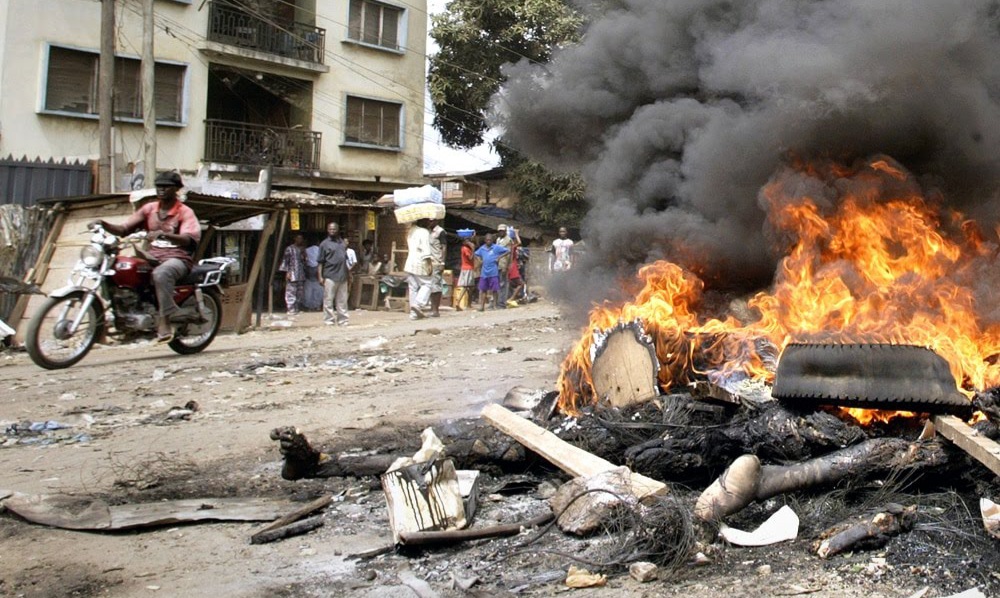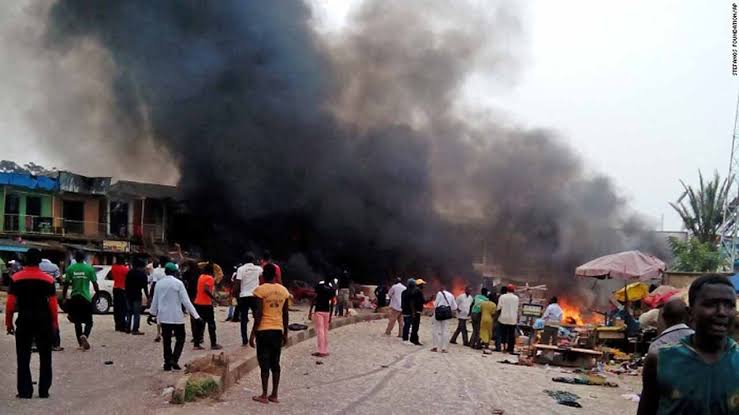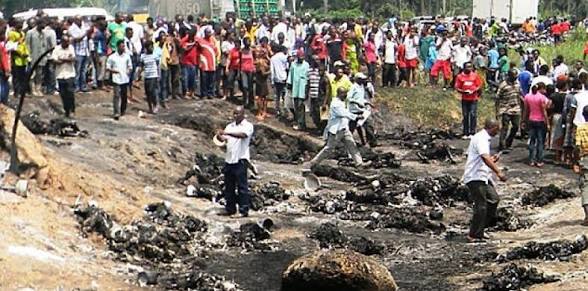
On this day in 1998, a petroleum pipeline conveying fuel from Warri to Kaduna exploded, killing over 1,000 people in the quiet agrarian community of Jesse, in Ethiope West Local Government Area of Delta State.
The incident, described as the deadliest pipeline explosion in Nigeria’s history, occurred at Atiegwo-Jesse, Idjerhe Clan, in Urhoboland. The 16-inch pipeline belongs to the Nigerian National Petroleum Corporation (NNPC).
According to eyewitnesses, the explosion occurred late Saturday afternoon when hundreds of residents and scavengers from neighbouring villages gathered at the spot where fuel was leaking from the pipeline to scoop fuel into jerry-cans and basins.
Just as they were scooping fuel, a massive fireball shot over 100 feet into the sky, incinerating hundreds instantly.
The Military Government of General Abdulsalami Abubakar said the blast was caused by vandals who intentionally ruptured the pipeline with tools, while community leaders and critics blamed lack of maintenance, corrosion and neglect, alleging that a lit cigarette may have ignited the spilled fuel.
The fire raged for nearly six days and could not be contained by local firefighters due to its intensity. It was finally extinguished on October 23, 1998, by a team of American firefighting specialists who used nitrogen-rich foam.
During a visit to the scene on October 19, the Head of State, General Abdulsalami Abubakar, promised medical aid for survivors and measures to prevent future occurrence.
Rescue workers said over 300 bodies were burnt beyond recognition and buried in mass graves. Entire families were wiped out. Many victims died in the nearby River Ethiope where they had jumped to escape the fire. Others died in hospitals from severe burns, while some survivors refused hospital treatment for fear of arrest.
28 years later, Jesse remains a solemn reminder of poverty, pipeline neglect and the human cost of Nigeria’s oil wealth.