The death of gospel singer Toluwanisings has left his family, colleagues and followers dealing with a painful loss, while a series of controversies has continued to draw attention to the circumstances surrounding his passing. What began as reports of a sudden collapse in Ibadan has grown into a wider story involving alleged hospital rejection, questions about emergency medical care, accusations against prominent gospel entertainers and disagreements over the singer’s final resting place.
The developments have unfolded within days of his death on October 14, 2026, bringing several people into the public conversation for different reasons. His personal assistant raised concerns about the search for medical assistance, the University College Hospital, Ibadan, responded to questions about whether the singer was brought to its facility, and gospel entertainers moved to challenge allegations circulating on social media. Meanwhile, a reported disagreement between Toluwanisings’ father and widow has introduced another sensitive issue into the unfolding story.
How Toluwanisings’ Death Sparked Controversies
Toluwanisings, whose real name was Olayemi Bayonile Bolaji, reportedly collapsed at his home in Ibadan, Oyo State, in the early hours of Wednesday, October 14, 2026. His death came less than 24 hours after he had reportedly performed at In His Presence, a worship concert hosted by gospel singer Bidemi Olaoba on Tuesday, October 13.
News of his passing shocked members of the gospel music community, particularly because there had been no widely reported indication that he was seriously ill before the incident. His personal assistant, Babadunni Gbolabo, said he received a telephone call informing him that the singer had collapsed and rushed to the scene.
According to accounts attributed to the aide, people around the singer initially tried to revive him before efforts were made to obtain medical assistance. His family reportedly continued praying for a miracle before eventually announcing his death later on October 14.


The circumstances surrounding the incident soon attracted public attention, especially after allegations emerged that the people trying to save him had encountered difficulties securing emergency treatment. The controversy later extended beyond healthcare, with legal warnings issued over allegations against gospel entertainers and reports of disagreement within the singer’s family over his burial.
Hospital Rejection Claims Trigger Public Outrage
One of the earliest and most prominent controversies concerned allegations that several hospitals in Ibadan failed to provide Toluwanisings with emergency treatment when his entourage sought medical assistance.
His personal assistant, Babadunni Gbolabo, reportedly said the group visited approximately 7 or 8 hospitals while trying to secure treatment for the singer. According to the account, some facilities allegedly cited a doctors’ strike, while others reportedly said doctors were unavailable or declined to admit him.
The allegations raised serious questions about access to emergency medical care and the difficulties families can encounter when a patient suddenly becomes critically ill. The reported number of hospitals involved also intensified public concern, as people sought to understand how the singer could have been taken to several facilities without securing the assistance his entourage was seeking.
The aide’s account has drawn attention to the circumstances surrounding the search for medical treatment and the need to establish what happened at the hospitals involved. The precise medical cause of the singer’s death remained unconfirmed in the reports reviewed.
UCH Responds to the Allegations
The University College Hospital, Ibadan, became a focus of attention after the allegations about difficulties securing medical treatment emerged. The hospital was mentioned in the wider public discussion because of questions surrounding the availability of medical services during an industrial dispute involving resident doctors.
UCH’s Public Relations Officer, Funmilayo Enitan, reportedly said the hospital had resumed services after the suspension of a warning strike. She also stated that the hospital management had no record of Toluwanisings being brought to the facility.
The response introduced an important detail into the controversy because the singer’s aide had described visits to several hospitals, while UCH said it had no official record of his arrival. The hospital’s statement did not resolve the wider questions surrounding the search for medical assistance.
The controversy also drew attention to a 3 day warning strike undertaken by resident doctors at UCH. The strike reportedly ended on October 15, 2026, when members were directed to resume work.
The timing of the industrial action became relevant to the public discussion, but its existence alone does not prove that the singer was denied treatment because of the strike.
NMA’s Position on Emergency Medical Treatment
The controversy also brought the responsibilities of healthcare providers into the discussion, particularly when a patient requires urgent treatment that a facility may not be equipped to provide.
The Nigerian Medical Association reportedly responded to concerns surrounding the singer’s death on October 17, 2026. The association’s position was that a hospital unable to manage a particular case should refer the patient to a facility capable of providing the required treatment rather than simply reject the patient.
The position placed renewed attention on the need for effective emergency referrals, coordination between hospitals and access to medical personnel when patients arrive in critical condition. It also highlighted the importance of ensuring that patients who require specialised treatment can be directed to appropriate facilities without unnecessary delays.
The reported response did not establish that a particular hospital acted improperly in Toluwanisings’ case. The allegations involving the individual facilities would have to be examined separately.
TVC Reporter Faces Backlash Over Doctors’ Strike Comments
The controversy surrounding Toluwanisings’ death also developed into a public disagreement between television reporter Riyah Abdul and some Nigerian doctors.
Abdul, who works with TVC, reportedly criticised doctors who were on strike during the period surrounding the singer’s collapse. Her comments questioned the decision to embark on industrial action when patients might require emergency medical assistance.
Some doctors responded by criticising her position, turning the issue into a wider argument about healthcare workers’ responsibilities, working conditions and the consequences of industrial action.
The disagreement brought the reported hospital difficulties into a broader discussion about the state of Nigeria’s healthcare system. While the singer’s death raised questions about access to emergency services, the response from doctors highlighted the circumstances surrounding industrial disputes.
The available reports did not establish that Toluwanisings died because doctors were on strike. His precise cause of death had not been definitively established.
Tope Alabi Threatens Legal Action Over Allegations

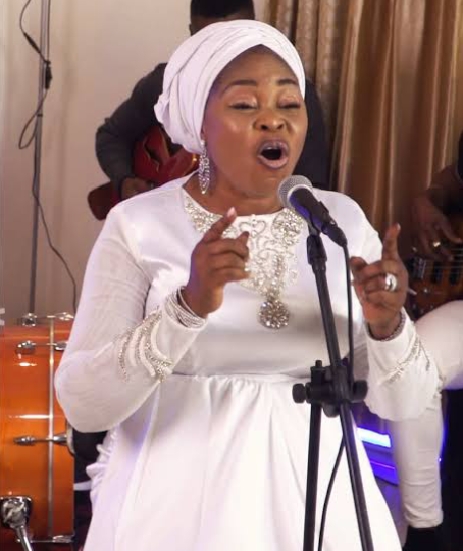
The controversies took another turn when gospel singer Tope Alabi threatened legal action over social media publications allegedly linking her to Toluwanisings’ death and the deaths of other gospel ministers.
Alabi’s solicitors, Oakmount Legal Practitioners, reportedly issued a cease and desist letter dated October 24, 2026. The letter demanded the removal of the disputed publications, a retraction of the allegations and a public apology within 24 hours.
The allegations described in the legal notice reportedly accused Alabi of involvement in murder and ritual killing. Her lawyers rejected the claims, describing them as false, defamatory and unsupported by established evidence.
The legal representatives also argued that presenting accusations as spiritual revelations did not exempt the person publishing them from legal scrutiny. They maintained that the claims were damaging to their client’s reputation and demanded that the disputed material be removed from the relevant Facebook page.
The notice reportedly required the publisher to stop circulating the allegations, preserve relevant evidence and disclose the factual basis for any claims they continued to maintain. The requested apology was also expected to remain pinned to the Facebook page for 14 consecutive days.
The lawyers warned that failure to comply could lead to court proceedings seeking an injunction, damages and legal costs. The notice also referred to possible complaints to Meta Platforms and referrals of alleged threats to law enforcement.
Pastor Tayo’s Reported Response to the Legal Notice
The dispute escalated further after Alabi’s lawyers reportedly referred to a subsequent social media post directed at the singer. According to the legal notice, the post contained the statement, “Tope Alabi, no letter will save you from my hand.”
Her lawyers reportedly interpreted the statement as threatening and raised concerns about the continued publication of allegations against their client.
The Canada based pastor identified as Tayo Kumuyi, also known as Pastor Tayo Ministries, reportedly removed Facebook posts allegedly linking Alabi to Toluwanisings’ death after receiving the legal notice.
The requested public apology had not been issued at the time of the report. The removal of the posts did not settle the dispute, and the status of any subsequent legal proceedings remained unclear.
The dispute illustrates how allegations circulated online can move beyond social media arguments and become potential legal matters when the people named in the publications challenge their accuracy and demand that they be withdrawn.
Woli Agba, Dele Omo Woli Issue Legal Warning


Tope Alabi was not the only gospel entertainer whose name became associated with allegations circulating after Toluwanisings’ death. Comedians and gospel entertainers Ayobami Ajewole, popularly known as Woli Agba, and Olamide Oladimeji, known as Dele Omo Woli, also threatened legal action against people allegedly spreading claims linking them to the singer’s death.
Woli Agba reportedly shared a public notice issued by their solicitors, Gemgold Solicitors. The notice was dated October 23, 2026, and warned members of the public against publishing or circulating material the entertainers considered false and defamatory.
Their lawyers reportedly demanded that people stop publishing the allegations, remove disputed material already shared on their pages and refrain from endorsing or reposting the claims. The warning extended to individuals, blogs, media platforms and social media users who continued circulating the material.
The solicitors also warned that continued publication could lead to legal proceedings seeking damages and injunctive relief. Their position was that people who originated, published, forwarded or endorsed defamatory material could face legal consequences.
No verified evidence presented in the reports reviewed established that Woli Agba or Dele Omo Woli was involved in Toluwanisings’ death. The legal notice showed that the entertainers were challenging the allegations.
Woli Agba Addresses Questions About Prayer
Another sensitive discussion emerged after Toluwanisings’ associates reportedly appealed to the public not to declare him dead while they continued praying for his recovery.
The family and people close to the singer initially hoped that a miracle would occur. His death was eventually announced on October 14, 2026, bringing an end to those hopes and prompting questions about prayer, faith and the expectations placed on gospel ministers.
Woli Agba later addressed the debate, expressing concern that the circumstances were causing some people to question their faith. He reportedly argued that miracles should not be treated as events that everyone could demand or expect to experience.
His remarks brought attention to the difficult emotions that can follow a death when family members and religious communities have prayed for recovery. They also touched on the relationship between spiritual beliefs and the need to seek medical attention when someone becomes seriously ill.
Toluwanisings’ Father, Widow Disagree Over Burial
A further controversy emerged on October 26, 2026, when reports described a disagreement between Toluwanisings’ father and widow over where the singer should be buried.

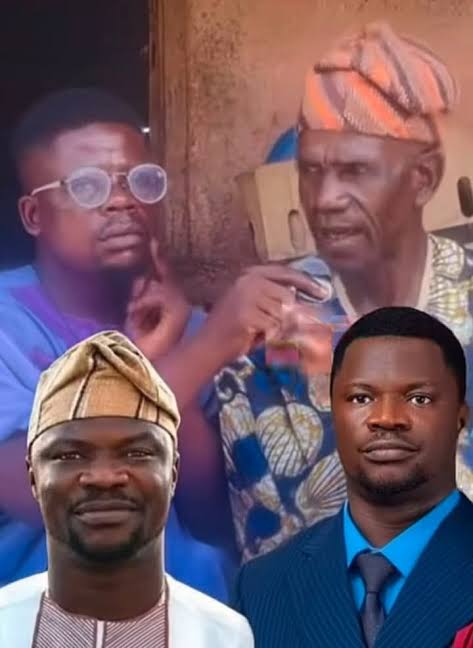
His father, Muniru Adekunle Olayemi, reportedly said he wanted his son buried in the house the singer had built. He also proposed that the singer could be taken to Osun State and buried beside his late mother.
The father reportedly said he had contacted his daughter in law to discuss the burial arrangements but that she preferred a cemetery or church burial. He claimed that she was uncomfortable with the idea of burying her husband inside their house because she would not want to continue living in a home where he was buried.
The widow’s account of the disagreement was not included in the report, so her position and reasons remain unclear.
The disagreement has introduced a personal family matter into the wider public discussion surrounding the singer’s death. It raises questions about burial preferences, family traditions and the difficult decisions relatives must make after losing someone close to them.


The final burial location had not been confirmed in the report, leaving the family’s arrangements unresolved.
Disagreement Emerges Over the Singer’s Age
Toluwanisings’ age also became a subject of conflicting reports after his death. Some publications described him as 41 years old, while his father reportedly disputed the figure and insisted that his son was 34.
According to the father’s account, the singer was born in July 1992. His statement emerged during the same interview in which he discussed his son’s upbringing and the reported disagreement over the burial arrangements.
The conflicting figures have created uncertainty about a basic biographical detail at a time when information about the singer’s life and death has been widely circulated. Establishing his age conclusively would require reliable documentary evidence, such as official records.
Toluwanisings’ Background, Music Career
Beyond the controversies surrounding his death, Toluwanisings had built a following through his gospel performances and praise music. He was reportedly born in Ikirun, Osun State, and grew up in a Muslim family, where he was known as Sodiq before converting to Christianity.
He reportedly began his musical journey in fuji music before moving into gospel music, eventually becoming known among listeners for his energetic performances and praise songs. His career gained wider attention after Woli Agba shared one of his songs online in 2021.
Songs associated with the singer include A Very Big God and Onibuore, which helped establish his presence in contemporary Nigerian gospel music. He also reportedly studied Estate Management and Valuation at Yaba College of Technology in Lagos, graduating in 2017.
Toluwanisings married in 2020 and was survived by his wife and 2 children. His sudden death affected his family, colleagues and followers across the gospel music community.
Major Developments Following His Death
The events surrounding Toluwanisings’ death unfolded over a period of less than 2 weeks, with each development introducing a new dimension to the public discussion.
On October 13, 2026, he reportedly performed at Bidemi Olaoba’s worship concert in Ibadan. He collapsed and died the following day, October 14, prompting an outpouring of grief from his followers and members of the gospel music community.
By October 15, reports had emerged about the alleged attempts to obtain treatment at 7 or 8 hospitals, while news also circulated about the conclusion of the UCH resident doctors’ warning strike. On October 17, the hospital’s response drew attention to the fact that its management had no record of the singer being brought to the facility.
The discussion subsequently expanded to include the Nigerian Medical Association’s reported response and the disagreement involving TVC reporter Riyah Abdul and some doctors. On October 18, Woli Agba reportedly addressed concerns about prayer and miracles following the singer’s death.
The legal disputes gained prominence later in the month. On October 23, a legal notice was reportedly issued on behalf of Woli Agba and Dele Omo Woli, followed by the cease and desist letter from Tope Alabi’s lawyers on October 24.
Reports published between October 25 and October 26 brought further attention to the singer’s age and the reported burial disagreement involving his father and widow. On October 26, reports also said the pastor accused of publishing allegations against Alabi had removed the disputed Facebook posts.
Unanswered Questions Surrounding Toluwanisings’ Death
Despite the growing volume of reports, several important issues remain unresolved. The precise medical cause of Toluwanisings’ death was not definitively established in the reports reviewed, and the available accounts did not provide a complete, independently verified list of all the hospitals his entourage allegedly visited.
The circumstances at each facility also remain unclear, including whether the singer was assessed by medical personnel, what assistance was requested and whether any hospital arranged a referral. Without those details, it is not possible to establish whether a particular facility acted improperly or whether delays in treatment contributed to his death.
The allegations against Tope Alabi, Woli Agba and Dele Omo Woli have also not been substantiated by verified evidence in the reports reviewed. Their legal warnings show that they are challenging the claims, while the outcome of any subsequent proceedings would need to be confirmed separately.
The final burial arrangements remain another unresolved issue, as the reported account of the father’s preferences does not establish that an agreement has been reached with the widow. The discrepancy surrounding the singer’s age also requires reliable documentary verification.
The controversies following Toluwanisings’ death have therefore extended from emergency healthcare and religious expectations to legal accountability, social media publications and family decisions. Each issue has brought new questions into the public discussion, keeping attention focused on the circumstances surrounding his final hours and the developments that followed.