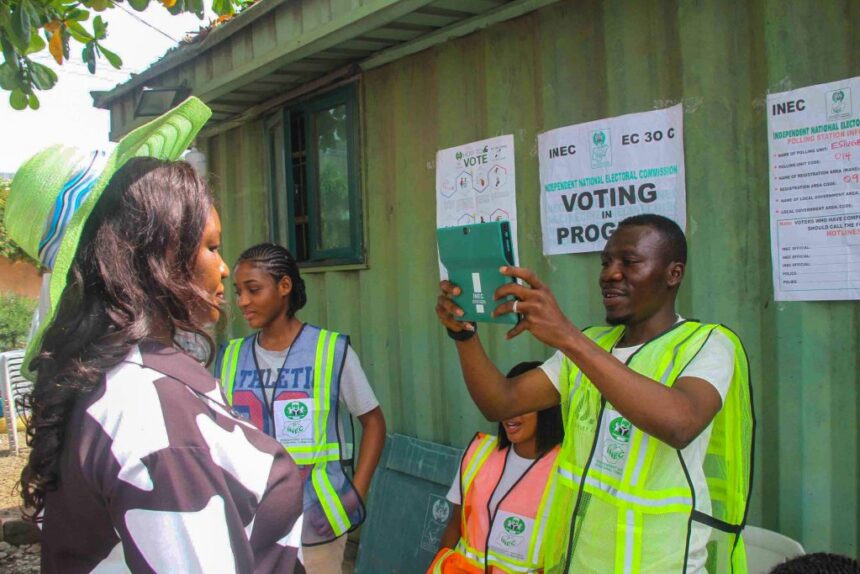
As Nigeria prepares for the 2027 general elections, the reliability of electronic voter accreditation and result-transmission systems remains central to public confidence in the electoral process, with the Independent National Electoral Commission (INEC) outlining measures to manage technical failures involving the Bimodal Voter Accreditation System (BVAS) and the INEC Result Viewing Portal (IReV).
The commission, led by Professor Joash Amupitan, says equipment failures at individual polling units will not automatically disrupt elections across an entire state or the country, as contingency measures are designed to contain problems and allow voting to continue elsewhere.
What happens when BVAS fails?
A technical problem affecting BVAS at one polling unit does not automatically invalidate the election or stop voting in unaffected locations.
INEC’s operational approach allows polling, collation and the announcement of results to proceed in areas where the equipment is functioning properly, even when technical difficulties arise elsewhere.
However, the consequences of a failure depend on whether it can be resolved promptly and whether the votes from the affected polling units could change the outcome of the election.
When voting may be postponed
Under the Electoral Act provisions outlined in the report, voting at an affected polling unit may be moved to the following day if a faulty BVAS device cannot be repaired or replaced on election day.

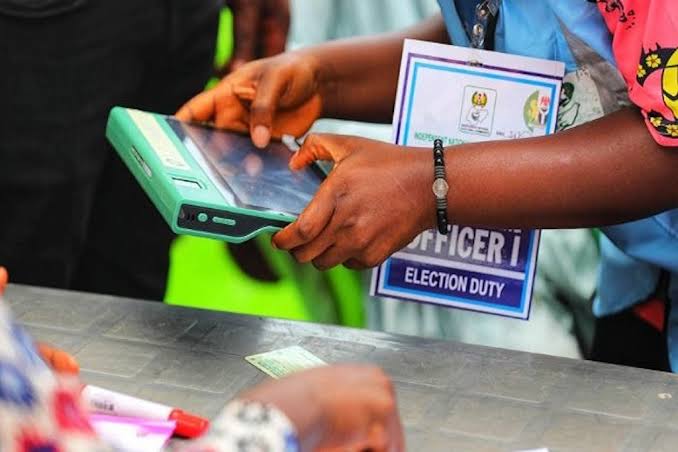
The postponement is limited to the affected polling unit rather than being an automatic reason to suspend elections across an entire constituency or state.
This arrangement is intended to give election officials an opportunity to resolve technical problems without unnecessarily disrupting the wider electoral process.
How INEC plans to prevent disruptions
To strengthen its preparations for the 2027 elections, INEC says it has procured 57,000 additional BVAS devices to serve as backup equipment and provide replacements when existing units malfunction.
The commission is also replacing device batteries to address power-related problems that have contributed to delays during previous elections.
Software improvements are being made to IReV, the platform used to display polling-unit result sheets, with the aim of improving the uploading and transmission of results.

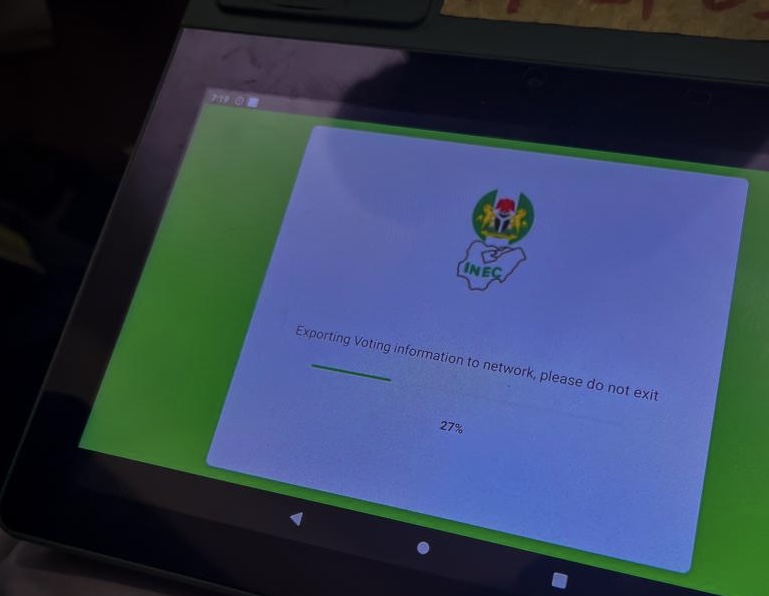
These measures are intended to reduce the likelihood of equipment failures and limit the time required to restore operations when technical problems occur.
The role of technical support teams
INEC’s Registration Area Technical Support (RATECH) teams are expected to provide on-site assistance when election equipment develops faults.
The teams comprise information and communications technology personnel and trained technical staff deployed at the electoral ward level to respond to problems reported by polling officials.
Their responsibilities include troubleshooting frozen devices, addressing battery-related failures, resolving difficulties with fingerprint or facial-recognition authentication, and assisting with result-uploading problems.
Where necessary, the teams can help repair or replace faulty equipment, while maintaining communication with polling officers to minimise delays.
Can BVAS failure affect the winner?
The number of registered voters in polling units affected by technical problems may determine whether collation can proceed to a final declaration.
At the relevant collation stage, electoral officers assess whether the votes potentially available from affected or postponed polling units could change the outcome.
If the outstanding votes cannot mathematically alter the result, collation may continue and a winner may be declared.
However, if the votes from the affected locations could change the winner, the declaration is withheld until the necessary supplementary voting takes place.
This distinction means that a technical failure does not automatically invalidate results from unaffected polling units, but its potential effect on the overall outcome must be considered.
What voters should understand
INEC’s contingency framework is designed to prevent isolated equipment failures from bringing the entire electoral process to a standstill, while preserving the opportunity for voters in affected locations to participate.
The additional devices, battery replacements and RATECH support teams are intended to improve the commission’s ability to respond quickly when problems arise.

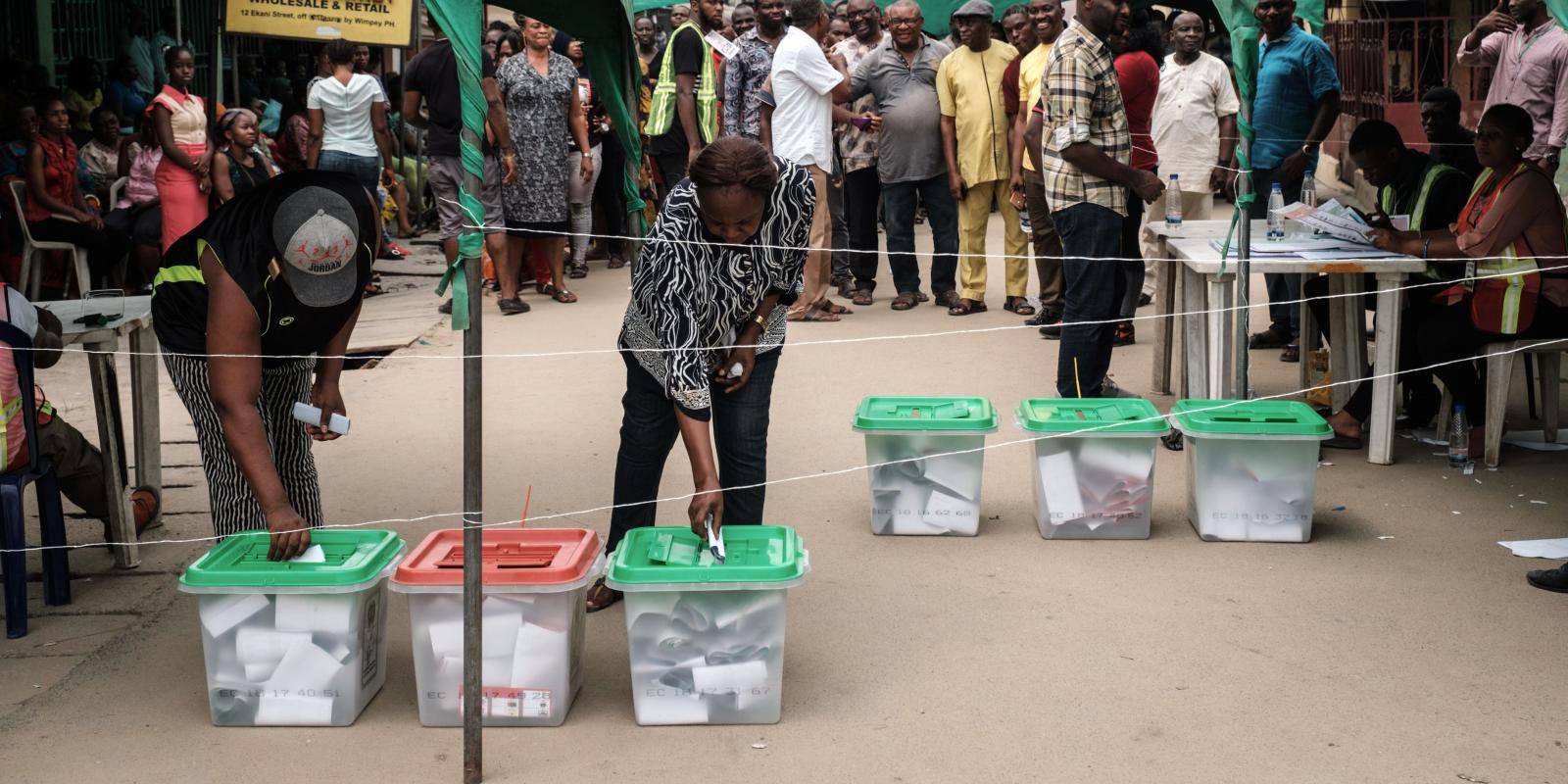
Nevertheless, the effectiveness of these preparations will depend on how efficiently technical support is delivered, how quickly faulty equipment is replaced and how consistently electoral officials apply the relevant legal provisions.
For voters, the key point is that a BVAS malfunction does not automatically mean an election has been cancelled, nor does it necessarily stop results from other polling units from being collated.
The decisive considerations are whether the problem can be resolved, whether voting must be postponed at the affected location and whether the outstanding votes could change the final outcome.