We must find a way to strip the president of the power to appoint INEC’s chairman and make the process of such an appointment clean, open and transparent. The vetting of anyone who must head the commission must be meticulous, painstaking, rigorous, and fair. It must be done by an Independent body made up of eminent, intelligent, and compassionate Nigerians with impeccable character, exemplary traits, and a sterling record of accomplishment in their various fields of endeavour.
Many reasons have been adduced for why Nigeria is in the distressing, uninspiring, regressive and chaotic state it is in. One of those reasons has been attributed to the Nigerian constitution. Some have argued that the framing of many aspects of the constitution gives too much leeway to those who should ideally be at forefront of protecting the constitution and adhering to its letter and spirit to bend rules, abuse the process of governance and in many cases wilfully violates the laws enshrined in the constitution to advance selfish and and nefarious interests that erode the rule of law, deepen impunity and hamper the nation’s ability to forge ahead politically, socially and, most importantly, economically.
One of the aspects of the constitution that is constantly a subject of intense public debate is the appointment of the chairman of the Independent National Electoral Commission (INEC). The Nigerian constitution grants the Nigerian president unrestricted and unfettered power to appoint whomever he wants as the head of the electoral body, with little or no recourse to the input, contribution, opinions, or reservations of the citizens. This liberty to single-handedly decide who will head the most important institution in our electoral process, which to a great extent determines the stability of our democracy, has become a constitutional provision that has put our democracy in utter peril.
For many, this provision is not only a minor anomaly that can be glossed over, but also a dangerous and foreboding arrangement that portends danger to our democracy and could ultimately lead to its demise. Since the return to democratic rule in 1999, only two presidents, late Umaru Yar’Adua and Goodluck Jonathan, have made conscious, deliberate and genuine efforts to deepen our electoral process and strengthen the autonomy of INEC. While Yar’Adua died in office before his electoral reforms could start yielding results, Jonathan, who ensured that the electoral reforms of his predecessor were implemented, would go on to lose his re-election due to the reforms.
However, since 2015, there has been no significant concerted effort to build on the reforms of the Yar’Adua/Jonathan era. If anything, whatever inroads and progress they made to ensure we have an exemplary democracy and inspiring electoral processes have largely been reversed in the last decade. The situation has largely become progressively worse under the current administration with elections increasingly becoming a needless formality and wasteful adventure that legitimises the subversion of people’s will and brutal and power grab of ruthless and desperate politicians with inordinate ambition.
The recent legal and political developments in the country have once again brought to the fore the debate regarding the appointment of INEC’s chairman by the president. Last Wednesday, the INEC announced that it will no longer recognise the leadership of the African Democratic Congress (ADC) under the chairmanship of David Mark and the national secretary, Rauf Aregbesola. The commission also announced that the names of both Mark and Aregbesola have been removed from its portal. INEC cited the ongoing legal dispute between the Mark-led leadership of the party and Nafiu Bala Gombe, who wants the commission to declare him the party’s chairman. The commission stated that it won’t recognise either of the factions as the legitimate leader of the party and will not monitor the congresses and conventions of the party. The electoral umpire said its action and decision are influenced by the latest ruling of the appellate Court for the parties to the suit to maintain status ante bellum.
The decision of INEC stunned many keen watchers of Nigeria’s political space, with many asserting that the commission’s decision amounts to regulatory overreach and that there is more to the development than meets the eye. What made INEC’s decision disconcerting for many is the fact that the commission was involved in every internal political party arrangement and mechanism that produced the Mark-led leadership of the ADC and attested to the smooth, proper and meticulous process of change of leadership.
Also, the decision of INEC comes across as an usurpation of the responsibility of the judiciary regardless of the justification and legal arguments it gave. Also, the order of the appeal court asking the concerned party to maintain the status quo was issued on March 12 but the commission decided to act on it by unilaterally interpreting the judgment as it deemed fit without approaching the appellate Court for interpretation. The unsettling development has raised serious concerns among many Nigerians as it further deepens the doubts and misgivings many have always harboured regarding the neutrality and independence of the commission and its capacity to conduct free, fair credible elections.
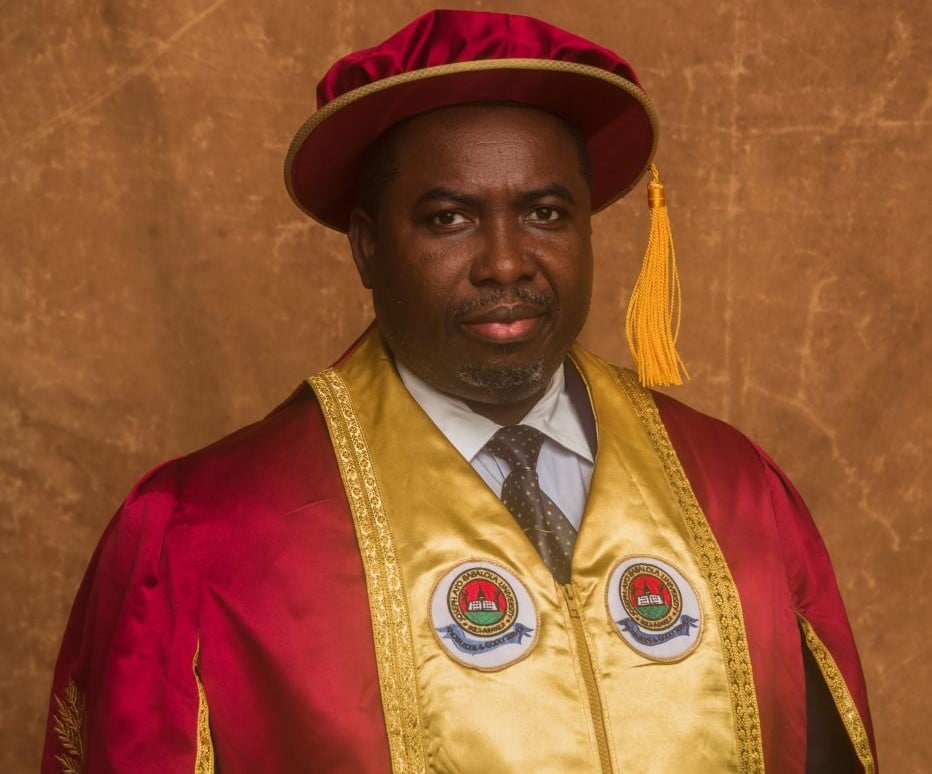
While the furore and outrage elicited by INEC’s decision on ADC leadership are yet to subside, the commission is hit by another scandal. On Friday the chairman of the commission, Joash Amupitan, was exposed as a supporter of APC and President Bola Tinubu, long before his appointment. In a post from March 2023, Amupitan wrote that ‘victory is sure’ for the APC during the gubernatorial election in Lagos State while replying to one Dayo Israel, a popular staunch high-ranking member of the APC, who in his own tweet that Amupitan replied to, claimed the APC won seven of the ten polling units in his community. In April 2023, he commented “Asiwaju” on a post by the Tinubu support group on X announcing the return of Tinubu to Abuja after vacation and how thousands of people were waiting to welcome him.



The account has since been locked after the name was changed from Amupitan to Sundayvibe00 to give the impression that it was a parody account that has nothing to do with the INEC chairman. But Grox, the X AI tool, confirmed that the X account indeed belongs to the INEC chairman. The truth is not many expect Tinubu to appoint an honest, competent, radical and forward thinking person that wants to make a real impact that will herald far reaching positive effects and change our electoral process for good as INEC chairman as doing this will put his own political ambition and objectives in jeopardy, but to appoint an openly partisan loyalist as the head of the nation’s electoral commission is a deeply troubling move even by Nigerian disgustingly low standards.


But the issue here is beyond Amupitan and Tinubu. It is that of a nation that has not only normalised abnormality but infused it into its constitution and codified it in its legal documents. Appointment of INEC’s chairman by an incumbent president is one of the aberrations that must be rectified with immediate alacrity. We must find another way to appoint the man whom we want to entrust our votes and elections to. The stability and sustainability of our democracy should not have to be tethered to the magnanimity and benevolence of a president or his whims and ruthless quest for power. We cannot afford to continue on this treacherous path that leaves us at the mercy of the president who will want a chairman that is pliant and amenable to his wishes.
We must find a way to strip the president of the power to appoint INEC‘s chairman and make the process of such an appointment clean, open and transparent. The vetting of anyone who must head the commission must be meticulous, painstaking, rigorous and fair, and must be done by an Independent body made up of Nigerians with impeccable character, exemplary traits and a sterling record of accomplishment in their various fields of endeavour. Their recommendations will be subject to approval from former presidents, representatives of the ruling party, opposition parties, the Nigerian Bar Association and civil society organisations. This way, the president is completely removed from the process of appointing an umpire who will conduct an election in which he will take part. It will amount to nothing more than a pipe dream to believe that a man who is unquestioningly loyal to the president will conduct a credible and transparent election that could see the current president lose power. And if there is one thing many Nigerians have learned from the political and legal developments in the country in the last two weeks, it is to keep their emotions in check and put the thought of a fair and credible presidential election in 2027 out of their mind.