An ordinary journey, a busy afternoon at the market or a quiet night at home can take an unexpected turn when an accident or disaster occurs. A commercial bus may collide with a truck on a major expressway, a tanker may burst into flames, a residential building may collapse, or floodwater may suddenly cut off an entire community. During such moments, the first few minutes can determine how quickly victims receive assistance and whether an incident spreads into something more devastating.
Nigeria has several emergency response institutions responsible for handling different situations, including the Federal Road Safety Corps, Federal Fire Service, National Emergency Management Agency, state emergency management agencies, police, and ambulance services. Each institution has specific responsibilities, while the national emergency number 112 provides an important route for members of the public seeking urgent assistance. Knowing which number to call, the information to provide and the agency responsible for a particular incident can make a significant difference when lives are at risk.
Nigeria’s National Emergency Number: Why 112 Matters
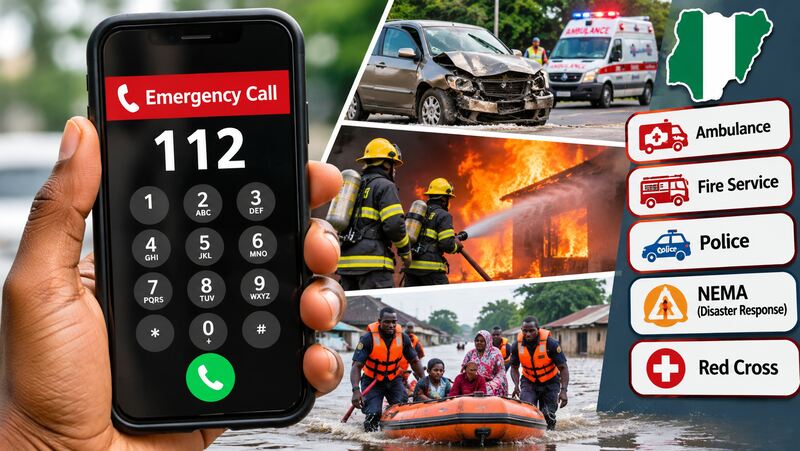
The number 112 is Nigeria’s national emergency access number, designed to connect people facing emergencies with the appropriate response services. It covers incidents requiring police intervention, firefighting, medical assistance, road accident response and other urgent rescue operations. Rather than searching for several agency contacts while witnessing an unfolding disaster, members of the public can dial 112 and explain the nature of the emergency to the receiving operator.
The Nigerian Communications Commission had established the 112 emergency communications system before 2026 as a toll free access point for contacting relevant response agencies. However, the National Economic Council formally approved its adoption as Nigeria’s national emergency number across all levels of government and relevant agencies on April 30, 2026. The approval was part of efforts to strengthen coordination and establish a more unified national emergency response system.

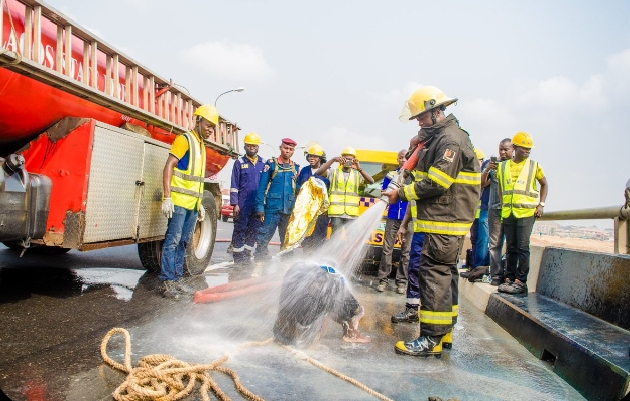
The Federal Government subsequently moved towards developing a nationwide operational roadmap in September 2026. On September 8, Vice President Kashim Shettima directed relevant stakeholders to develop the roadmap and standard operating procedures for the nationwide rollout. The committee included representatives of the Nigeria Police Force, Nigerian Communications Commission, National Emergency Management Agency, Federal Road Safety Corps and other relevant agencies. The announcement concerned the development of an operational framework, not confirmation that a fully integrated nationwide system had already been completed.
However, having a national emergency number does not automatically mean every emergency centre has the same operational capacity. The availability of trained operators, functioning communication equipment, ambulances, firefighting vehicles and rescue personnel remains important to the effectiveness of the system. Nigerians should therefore understand both the national number and the direct contacts of specialist agencies that can respond to particular emergencies.
Road Accidents: When to Call FRSC 122
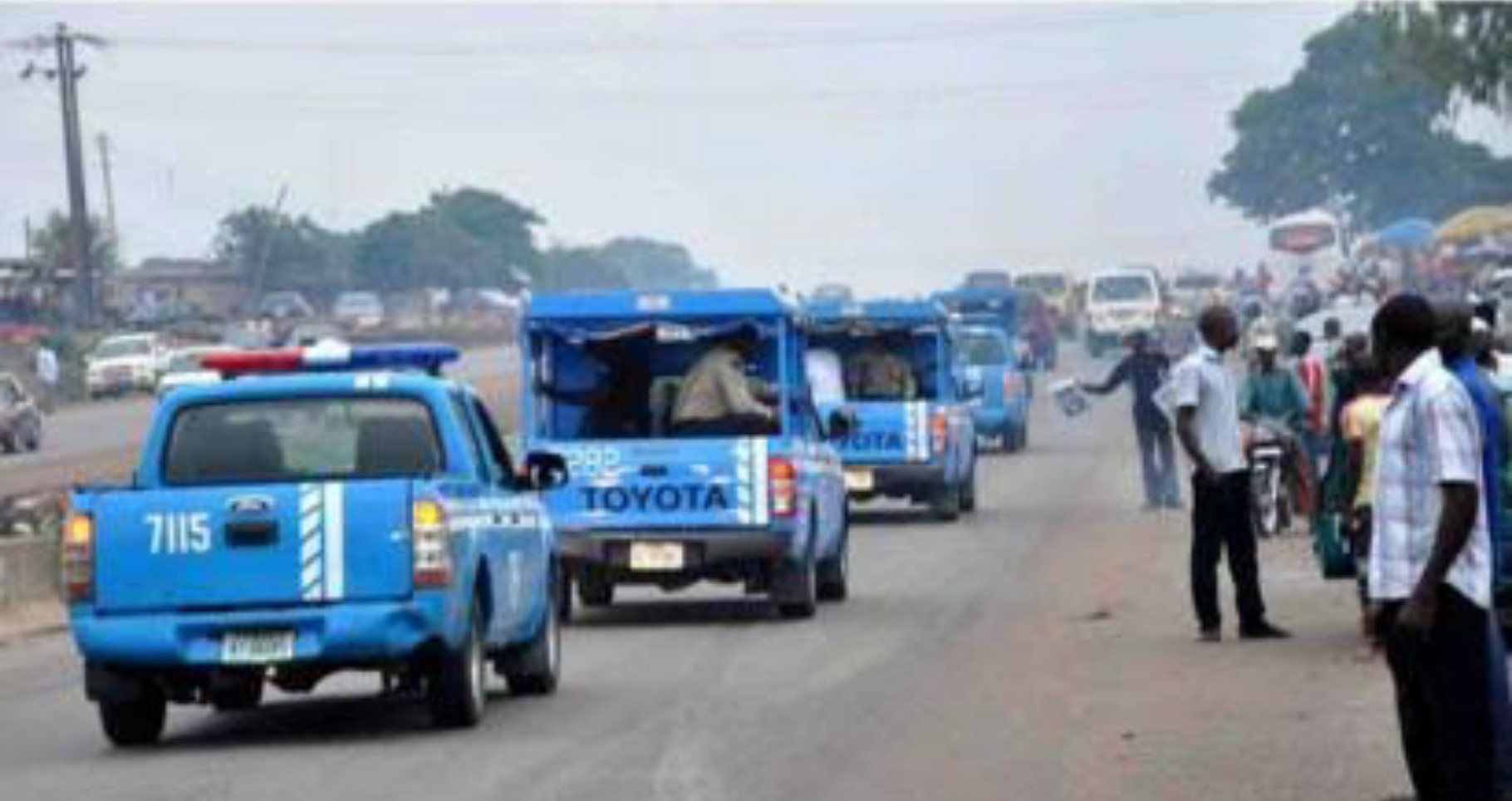
Road crashes involving commercial buses, private cars, motorcycles, taxis, trucks and articulated vehicles can require immediate intervention from several emergency institutions. The Federal Road Safety Corps is one of the principal agencies responsible for road safety management, traffic crash response, rescue coordination and the enforcement of traffic regulations across Nigeria. Its toll free emergency number is 122, which members of the public can use to report crashes and other dangerous road situations.
For example, when a commercial bus collides with a truck along the Lagos Ibadan Expressway, injured passengers may require immediate medical attention while trapped occupants need assistance from trained rescue personnel. The FRSC can respond to the road safety aspect, help manage traffic around the crash location and coordinate necessary rescue activities. Where the incident requires additional assistance, callers can also use 112 to request police officers, firefighters or medical responders.
Tanker accidents deserve particular attention because damaged fuel containers can create additional dangers, especially when petrol, diesel or gas is involved. Motorists and other road users should avoid approaching leaking tankers, attempting to transfer fuel themselves or gathering around an accident scene to take photographs. A caller should provide the exact location, direction of travel, vehicles involved and any visible hazards when reporting the incident.
Fire Outbreaks: Federal Fire Service 0803 200 3557
Fire outbreaks in residential buildings, markets, shopping centres, factories, offices and warehouses require immediate reporting because flames can spread rapidly through adjoining properties. The Federal Fire Service publishes 0803 200 3557 as a direct emergency contact, while 112 is also available for requesting emergency assistance. State fire services operate additional response arrangements, meaning residents should familiarise themselves with the contacts available in their locations.
The Mandilas Market fire on Lagos Island between September 16 and 17, 2025, illustrates the destruction that can follow an outbreak in a crowded commercial environment. NEMA reported that the fire started at approximately 7 p.m. on September 16, reportedly following a faulty changeover switch. The flames spread to neighbouring buildings containing clothing, footwear, plastics and other highly flammable materials, eventually destroying 4 buildings containing approximately 200 shops. One person sustained smoke inhalation injuries.
The response involved the Federal Fire Service, Lagos State Fire Service, Lagos State Emergency Management Agency and other stakeholders. Police officers also secured the affected area to prevent looting and vandalism. The incident demonstrates why traders, market associations, landlords and residents should report fires immediately instead of attempting to manage a growing outbreak without professional assistance.
Building Collapses: When NEMA and Rescue Teams Are Needed
Building collapses can leave occupants, construction workers, visitors and passersby trapped beneath concrete slabs, roofing materials and other debris. Such incidents require specialised search and rescue operations, medical support, security arrangements and coordination between several emergency institutions. Depending on the location and scale of the disaster, the response may involve NEMA, the relevant state emergency management agency, fire and rescue teams, police officers and medical personnel.
The April 2025 building collapse in Ojodu, Lagos, provides a documented example of the importance of coordinated rescue operations. According to NEMA’s report, 15 people were rescued alive while 5 bodies were recovered from the affected site. The operation required emergency personnel to search the debris and provide assistance to people affected by the collapse.
Anyone reporting a building collapse should provide the exact address, the number of people believed to be trapped and any information about additional dangers around the structure. Residents should avoid entering unstable buildings or attempting to remove heavy concrete materials without appropriate equipment and professional supervision. Calling 112 can initiate the emergency reporting process, while NEMA and state emergency authorities can support larger disaster response operations.
Flooding: Reporting Rising Water and Trapped Communities
Flooding can affect entire neighbourhoods, destroy homes, damage roads, disrupt businesses and leave residents stranded when rivers overflow or drainage channels become overwhelmed. Communities located close to waterways and low lying areas can experience rapidly rising water, making early reporting and evacuation particularly important. Residents who notice dangerous flooding should contact 112 and their state emergency management authority to report the affected location.
For larger incidents involving several communities, NEMA may work with state agencies to assess the extent of the disaster, coordinate evacuation support and organise relief assistance. The agency also works with relevant authorities during disaster preparedness and response operations. People reporting flooding should explain whether houses are submerged, roads are impassable, residents are trapped or critical facilities are threatened.
Residents should avoid walking or driving through moving floodwater because submerged drainage channels, damaged roads and electrical hazards can create serious dangers. Anyone trapped should communicate their location as clearly as possible and follow instructions from emergency personnel. Early reports can also help authorities identify communities requiring urgent evacuation before conditions become more dangerous.
Medical Emergencies: Calling for Ambulance Assistance
Medical emergencies can happen at home, in public transport vehicles, workplaces, schools, markets and other public places. Someone may suddenly collapse, suffer severe bleeding, experience breathing difficulties or sustain serious injuries during an accident. Such situations require urgent medical attention, and members of the public can dial 112 to request assistance or use an available state ambulance service contact.
The National Emergency Medical Services and Ambulance System has encouraged Nigerians to use 112 when seeking urgent medical assistance. The system is intended to strengthen access to emergency medical response and improve coordination between emergency communications centres and ambulance services. Where an incident involves several injured people, the caller should explain the number of victims and identify anyone whose condition appears particularly serious.
A useful emergency report should include the patient’s location, visible symptoms, approximate age where known and the nature of the incident. Someone who witnesses a person collapsing should avoid assuming the individual is merely unconscious or sleeping, particularly when there are signs of breathing difficulties or severe injury. Callers should follow the operator’s instructions while waiting for trained medical personnel to arrive.
Kidnapping and Armed Attacks: When to Contact the Police
Kidnapping attempts, armed robberies, shootings, violent attacks and other immediate security threats require urgent reporting to law enforcement authorities. Nigerians facing such situations can dial 112 and request police intervention when it is safe to make the call. The caller should provide the location, nature of the incident, number of suspected attackers and any available information about weapons or vehicles involved.
The Police are responsible for responding to security incidents, protecting lives and property, investigating reported crimes and maintaining public order. During an active attack, people should prioritise their safety rather than attempting to confront armed individuals or follow suspects. Anyone reporting a kidnapping should share relevant information without placing themselves or other witnesses in additional danger.
Where the situation involves a moving vehicle, the vehicle’s registration number, colour, make and direction of travel may help officers understand the circumstances. However, callers should only provide details they can establish safely and accurately. A prompt report can help the appropriate police command identify the location and organise an intervention.
Documented Emergency Incidents Across Nigeria
The importance of knowing emergency contacts becomes clearer when examining actual incidents that have required coordinated intervention from Nigerian emergency agencies. Several recorded events show how one accident or outbreak can involve firefighters, medical teams, police officers, road safety personnel and disaster management authorities working at the same location.
Owerri Tanker Accident: Multiple Agencies Coordinate Rescue
On July 10, 2026, a diesel tanker and a minibus were involved in a road traffic accident along Emmanuel College Road, off Nekede Road, Owerri, Imo State. NEMA reported that the incident occurred at approximately 6:30 a.m., with preliminary findings suggesting that a sharp bend, possible brake failure and loss of vehicle control may have contributed to the accident.
Following an emergency alert, NEMA activated its response plan and coordinated rescue and recovery activities. The operation also involved transferring diesel into another tanker to prevent additional danger around the affected location. The Federal Fire Service, Nigeria Police Force, Nigeria Security and Civil Defence Corps, Nigerian Red Cross Society and other responders participated in the operation.
The response ended at approximately 2:45 p.m., after the scene had been secured and traffic movement restored. The incident shows why tanker accidents may require more than ordinary traffic management, particularly when dangerous substances are involved and additional precautions are needed to prevent another disaster.
Lagos Tanker Explosion: 2 People Killed on Lekki Epe Expressway
On March 21, 2026, a gas tanker and a tipper truck collided on the Lekki Epe Expressway, resulting in an explosion and fire. The Lagos State Fire and Rescue Service reported that the incident occurred at approximately 2:36 a.m. and involved a speeding 20 tonne tipper truck and a stationary 30 tonne gas truck.
The resulting fire spread to 3 adjoining warehouses and 10 roadside shops, including a gym and generator house. A nearby petrol station containing a 33,000 litre petrol tanker was reportedly saved from the flames. The Lagos State Fire and Rescue Service reported that 2 people, identified as the tipper driver and his assistant, were recovered dead, while the gas truck driver reportedly escaped unharmed.
However, there was a difference between the casualty figures subsequently reported by the Lagos State Fire and Rescue Service and LASEMA. While the Fire Service reported 2 fatalities, LASEMA’s account confirmed 1 death and 2 injured women. The 2 death figure should therefore be attributed specifically to the Fire Service rather than presented as an undisputed figure across all responding agencies.
Firefighters from Lekki Phase II, Oniru and Epe II stations responded to the outbreak. The incident demonstrates how a collision involving a tanker can threaten several surrounding businesses and properties, making immediate reporting essential for residents and motorists who witness such accidents.
Computer Village Fire: LASEMA Activates Emergency Response
On January 20, 2026, a fire outbreak occurred in a commercial building used by computer and accessories dealers at Computer Village, Ikeja, Lagos. Following distress alerts received through its 767 and 112 emergency lines at approximately 1:55 a.m., LASEMA activated its emergency response arrangements.
Its response team arrived at approximately 2:15 a.m., with the Lagos State Fire and Rescue Service, Lagos State Ambulance Service and Police participating in the operation. No fatalities were reported, although a firefighter sustained finger injuries and received first aid.
The incident provides a practical example of how emergency reporting can activate several agencies within the same operation. It also reinforces the importance of providing accurate information when contacting emergency services, particularly when a fire occurs in a densely populated commercial area.
LASEMA Responds to 4 Emergencies Across Lagos
On August 11, 2026, LASEMA handled 4 separate emergencies involving 2 fires, a multiple vehicle accident and a broken down truck obstructing traffic. The incidents occurred in Igando, Otedola Bridge, Anifowoshe and Mushin, requiring different forms of emergency intervention across Lagos.
One of the incidents at Otedola Bridge involved a collision between a container truck, an axle laden truck, a 45,000 litre petrol tanker and a Toyota Camry. FRSC, Police, LASTMA, LASEMA and the Lagos State Fire and Rescue Service participated in the response. No casualties were recorded across the 4 incidents, according to the report.
The different situations illustrate why emergency agencies have separate responsibilities and why their coordination matters. A broken down truck obstructing traffic may require a different intervention from a major fire, while a multiple vehicle crash involving a petrol tanker can demand traffic management, firefighting and specialised safety measures.
Lagos Fire Service Records 1,324 Emergency Incidents
Figures from the Lagos State Fire and Rescue Service’s Third Quarter Activity Report provide another indication of the demands placed on emergency responders. Between January and September 2026, the agency recorded 1,324 emergency incidents, including 1,135 fire emergencies, 100 salvage operations, 79 rescue calls, 9 building collapses and 1 gas related explosion.
The service also reported that 210 victims were rescued alive, while 65 suspected fatalities were recovered during emergency operations. Its estimated property value saved stood at ₦79.44 billion, while estimated losses were valued at ₦13.24 billion. These figures were attributed to the agency’s report and should not be interpreted as national emergency statistics.
Another figure that deserves attention is the 341 false emergency calls recorded during the same period. The service warned that fabricated reports could affect its ability to respond promptly to genuine incidents. Emergency telephone lines are intended for situations requiring immediate assistance, and unnecessary calls can consume resources needed elsewhere.
Complete Emergency Contact Directory for Nigerians
Knowing the national number is important, but having additional contacts can be useful when a particular agency needs to be reached directly. The following numbers were published in the national emergency contact information and agency directories referenced above. State contacts should be verified with the relevant authorities because publication in a directory does not independently establish that every line is currently operational.
1. National emergency number: 112
For police intervention, fire outbreaks, road accidents, medical emergencies and other urgent situations.
2. Federal Road Safety Corps: 122
For road crashes, dangerous highway incidents and road safety emergencies.
3. Federal Fire Service: 0803 200 3557
For fire outbreaks and related firefighting assistance.
4. NEMA disaster hotline: 0800 2255 6362
For disaster related reporting and assistance. This number was published as 0800CALLNEMA in NEMA’s July 2024 announcement. Confirm its present availability before relying on it.
5. Lagos State emergency line: 767
For emergency response within Lagos State. Residents can also use 112.
Emergency Numbers for All 36 States and the FCT
The National Emergency Medical Services and Ambulance System directory reported on August 19, 2026, contains the following state contacts. The numbers are reproduced as published in reports of the NEMSAS announcement, with corrections to formatting where necessary. Some entries have inconsistent transcriptions across published reports, so Nigerians should confirm additional contacts with their state authorities before relying on them.
Can Nigerians Call 112 Without Airtime or Mobile Data?
Yes, 112 is designed as a toll free emergency number, meaning callers do not need to purchase mobile data or subscribe to an internet package to make an emergency voice call. The National Communications Commission’s emergency communications framework provides for telecommunications operators to route emergency calls to the relevant emergency communications centre.
However, toll free access does not guarantee that every call will connect under all circumstances. Network coverage problems, telecommunications outages, handset faults and the availability of the receiving emergency centre can affect connectivity. Anyone facing a genuine emergency should therefore try an appropriate direct agency contact if the national number fails to connect.
What Nigerians Should Do When 112 Does Not Connect
A failed connection should prompt callers to try another published emergency contact rather than assume that the incident has already been reported. Someone witnessing a road accident can try FRSC 122, while a person reporting a fire can contact the Federal Fire Service on 0803 200 3557 or the relevant state fire service.
For major disasters, NEMA and the appropriate state emergency management authority may provide additional reporting channels. Lagos residents can also use 767, while people seeking urgent medical assistance should try the relevant state ambulance service contact. Where several people are available, one person can contact an additional agency while another remains at the scene to provide accurate information to responders.
Callers should communicate the exact location, nearby landmarks, type of incident, number of people affected and any immediate dangers. It is also important to keep the telephone available in case emergency personnel need additional information or directions. Above all, people should avoid approaching dangerous scenes simply to assist without appropriate training and equipment.
Why False Emergency Calls Can Put Lives at Risk
False emergency reports can waste the time and resources of institutions responsible for responding to genuine disasters. When firefighters, ambulances or rescue personnel are dispatched to an incident that does not exist, those resources may become temporarily unavailable to people facing actual danger.
The 341 false emergency calls recorded by the Lagos State Fire and Rescue Service between January and September 2026 demonstrate the scale of the problem within the period covered by its report. The agency warned that fabricated calls could delay emergency responses and affect the effective use of available personnel and equipment.
Members of the public should therefore treat emergency telephone lines responsibly and provide information based on what they have witnessed or can reasonably establish. A genuine report does not require someone to know every detail of an incident before calling, but the location and basic nature of the emergency should be communicated honestly. False reports, prank calls and deliberate misinformation have no place on telephone lines intended to protect lives.
Frequently Asked Questions About Emergency Numbers in Nigeria
Is 112 Nigeria’s official national emergency number?
Yes. The National Economic Council approved its adoption as Nigeria’s national emergency number across all levels of government and relevant agencies on April 30, 2026. The number had already been established as an emergency access line by the Nigerian Communications Commission before that approval. The Federal Government subsequently announced plans to strengthen its nationwide operational framework in September 2026.
Can Nigerians call 112 during a fire outbreak?
Yes. Nigerians can dial 112 to report a fire and request emergency assistance. The Federal Fire Service also publishes 0803 200 3557 as a direct emergency contact. FEDERAL FIRE SERVICE NIGERIA
Does FRSC 122 still work after the adoption of 112?
FRSC 122 remains an officially published specialist emergency number for reporting road crashes and road safety emergencies. The national 112 number provides another route for accessing emergency assistance.
Can someone call 112 for another person?
Yes. Anyone who witnesses an accident, medical emergency, fire outbreak, building collapse or security incident can contact emergency services on behalf of another person. The caller should provide the victim’s location and available information about the situation.
Does every Nigerian state have a fully operational emergency centre?
The available August 2026 NEMSAS directory listed Benue and Imo call centres as not operational. This indicates that the availability of emergency communication facilities was not uniform across all states in the published directory. The Federal Government’s September 2026 operationalisation roadmap also points to continuing efforts to strengthen nationwide coordination.
Can 112 replace every specialist emergency contact?
The number is intended to provide a common access point for emergencies, but specialist agency contacts remain useful. FRSC 122, for example, is specifically published for road safety emergencies, while the Federal Fire Service and state emergency agencies maintain their own contact arrangements.
Leaving With This
Emergency situations can develop within minutes, leaving victims and witnesses with little time to search for the appropriate telephone number. Knowing that 112 is Nigeria’s national emergency number, alongside specialist contacts such as FRSC 122, the Federal Fire Service’s 0803 200 3557 and Lagos State’s 767, gives members of the public additional ways to seek urgent assistance.
The documented tanker accidents, market fires, building collapses and Lagos emergency statistics show why timely reporting and coordination between response agencies matter. However, the effectiveness of an emergency number ultimately depends on the people, equipment, communication centres and institutions expected to respond after a call is received. For Nigerians, keeping these contacts accessible, reporting genuine incidents promptly and providing accurate information can make an important difference when someone needs help.