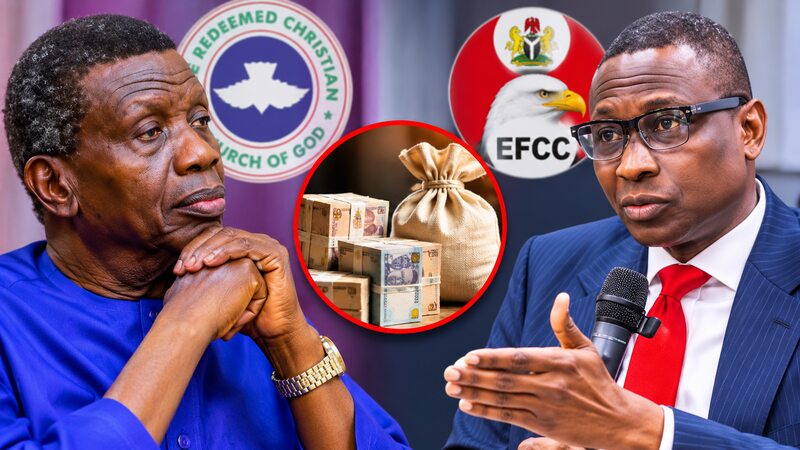
A major financial investigation has brought the activities of one of Nigeria’s most prominent religious organisations into an unusual conversation about suspicious donations, accountability and the source of wealth. The account involves billions of naira, an unnamed donor whose financial transactions reportedly ran into tens of billions, and a church leader who allegedly gave his officials just 24 hours to reverse a donation after receiving information from investigators. Beyond the money, the revelations opened up other sensitive issues involving church leadership, alleged bribery, a senior pastor’s detention and a separate religious institution linked to a Ponzi scheme.
The details emerged during an address by the Chairman of the Economic and Financial Crimes Commission, Ola Olukoyede, at the Redeemed Christian Church of God, where he shared experiences from investigations involving religious institutions and warned against allowing questionable wealth to gain recognition within the Christian community.
How EFCC Traced Billions of Naira to RCCG
The story began with an investigation into an individual whose financial transactions reportedly involved tens of billions of naira. According to EFCC Chairman Ola Olukoyede, investigators were examining the person’s financial activities when they discovered that some of the funds had reached projects being undertaken by the Redeemed Christian Church of God, led by Pastor Enoch Adeboye. The money had reportedly entered the church through donations, creating a situation that required the commission to establish how the funds moved and where they eventually went.
Olukoyede explained that the EFCC subsequently brought its findings to the attention of Adeboye. The chairman personally approached the General Overseer to explain that investigators had traced funds connected to an individual under investigation to the church. The revelation concerned donations already received towards RCCG projects, making the matter particularly important because the church had become connected to the financial investigation through money contributed by an outside individual.
The EFCC chairman recalled that Adeboye became visibly displeased after hearing the information. He explained that the church leader immediately summoned some pastors and instructed them to return the money traced to the organisation from the individual. The instruction reportedly came with a strict deadline, as Adeboye wanted the funds returned within 24 hours rather than allowing the church to retain money that investigators had linked to financial crime.
Adeboye’s 24 Hour Refund Directive

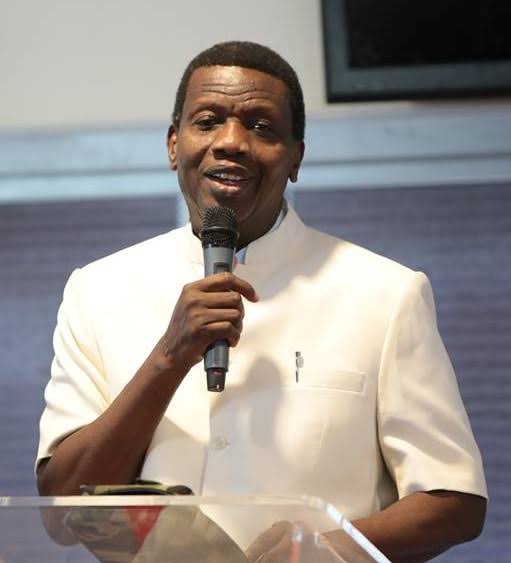
One of the most striking details in Olukoyede’s account was the instruction he attributed to the RCCG General Overseer. According to the EFCC chairman, Adeboye did not spend time defending the donation or arguing that the money had already been committed to church activities. Instead, he reportedly directed the officials responsible to ensure that everything traced to the individual was returned within a day.
Olukoyede recalled Adeboye’s words during his address, saying, “I give you 24 hours. Everything you have traced to RCCG from this particular person who has been indicted, return it within the next 24 hours.”
The EFCC chairman said the directive was carried out and the money was eventually returned to government coffers. He presented the incident as an example of how religious leaders should respond when credible information emerges that donations received by their organisations are connected to financial crimes.
The 24 hour deadline became a central part of the revelation because it demonstrated the urgency with which Adeboye reportedly handled the information presented by the commission. Olukoyede commended the response, particularly the decision to return the funds after investigators explained their findings.
How Much Did RCCG Refund?
Although the EFCC chairman repeatedly referred to billions of naira, he did not disclose the exact amount returned by RCCG. His account established that the donor’s financial transactions ran into tens of billions of naira and that some of the money had reached church projects through donations.
This distinction is important because the donor’s total financial transactions cannot automatically be treated as the amount received by RCCG. The individual reportedly handled transactions worth tens of billions, but Olukoyede’s account only established that some of the funds were traced to the church.
The EFCC chairman said the funds traced to the church were returned to government coffers following Adeboye’s instruction. However, he did not provide a recovery schedule or disclose whether the donation had been made in one transaction or through several contributions.
Identity of the Donor Remains Unknown
Another important aspect of the disclosure concerns the identity of the individual whose donation triggered the refund directive. Olukoyede did not mention the person’s name, occupation, business interests or political connections. He only explained that the individual was under EFCC investigation and that the commission had discovered financial transactions involving tens of billions of naira.
The investigation reportedly led officials to RCCG projects after they traced some of the funds to the church. Following the discovery, the EFCC chairman approached Adeboye and explained the findings. The General Overseer subsequently instructed church officials to return the money, according to Olukoyede.
The donor’s identity remains central to understanding the full circumstances of the case. The public account does not establish whether the individual was a businessman, politician, contractor or someone involved in another sector.
Another Church Allegedly Linked to a Ponzi Scheme
The RCCG donation was not the only religious institution related case discussed by Olukoyede. During the same address, the EFCC chairman disclosed an incident involving another church that was allegedly connected to a Ponzi scheme. According to his account, individuals accused of operating a fraudulent investment arrangement had used the religious institution in connection with their activities, leaving members with substantial financial losses.
Olukoyede explained that the commission approached the church leadership over the matter, but the response was initially different from the one he described at RCCG. The church leader reportedly resisted the EFCC’s intervention and attempted to defend the situation when investigators raised concerns about the scheme.
The chairman said the leadership eventually agreed to refund a substantial amount after the commission threatened to institute legal proceedings. He used the incident alongside the RCCG experience to demonstrate the importance of cooperation when financial misconduct is brought to the attention of religious leaders.
Several details surrounding the alleged Ponzi scheme remain undisclosed. Olukoyede did not identify the church, its General Overseer, the investment scheme or the individuals accused of operating it. He also did not state the precise amount lost by members or the sum eventually refunded.
EFCC Chairman Explains Detention of Senior RCCG Pastor
Another revelation concerned a senior pastor of RCCG whose detention Olukoyede personally authorised. The EFCC chairman described the experience as one of the saddest days of his life, explaining that taking action against someone belonging to the same religious organisation was particularly difficult for him.
He was quick to clarify that the investigation did not concern the pastor’s activities within RCCG. According to Olukoyede, the alleged financial misconduct was connected to the cleric’s secular workplace, where he was employed outside his church responsibilities.

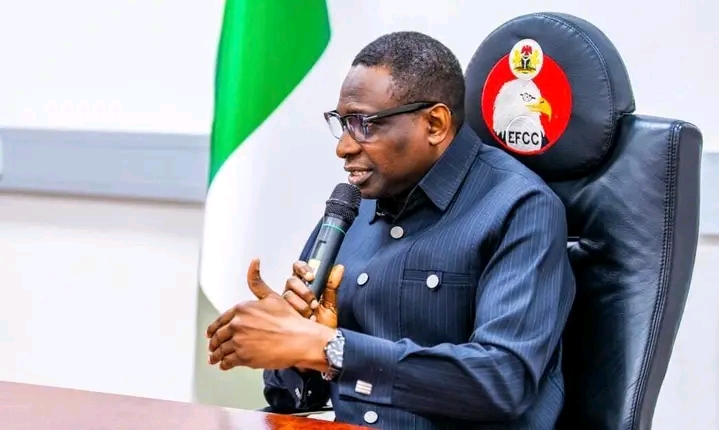
The EFCC chairman explained his position, saying, “Not because of his activities, what he perpetrated within the church, no. But because of what happened in his place of work, where he works in his secular activities.”
He maintained that the commission had evidence requiring action and that his responsibility as EFCC chairman was to ensure the matter was investigated. The account was part of his broader argument that religious affiliation and seniority should not prevent law enforcement agencies from addressing suspected financial crimes.
Olukoyede did not reveal the pastor’s identity, the organisation where he worked or the specific financial offence under investigation.
Olukoyede Warns Churches Against Celebrating Fraudsters
The EFCC chairman also raised concerns about the treatment of wealthy individuals within religious institutions. He criticised the practice of giving people special recognition, prominent seating arrangements and public honour simply because of their financial status, particularly when questions surround the source of their wealth.
He explained that churches should welcome people from different backgrounds, but religious platforms should not become places where suspected financial criminals receive admiration because of their money. His argument was that wealth alone should not determine a person’s standing or influence within a congregation.
Olukoyede stated, “We are not saying we should send them away, but we must not use the altar to promote financial fraudulent activities.”
The statement formed part of his warning against allowing religious institutions to become environments where questionable wealth is celebrated without scrutiny. He encouraged church leaders to exercise caution when dealing with wealthy individuals, especially where substantial donations are involved and the source of the funds raises concerns.
Allegations of Bribery for Ordination, Promotion
Olukoyede also addressed alleged financial inducements for church positions, including ordination and promotion within RCCG. He warned that offering money to obtain religious authority undermines the integrity of the process and creates room for individuals to occupy positions they have not legitimately earned.
The EFCC chairman argued that responsibility for such conduct rests with both parties involved. Anyone offering money to secure a position and anyone receiving payment in exchange for granting that position could be culpable, depending on the circumstances and applicable law.
He stated, “Anyone who offers money for ordination and for promotion does not deserve it.”
His comments were directed at the practice he described, rather than an identified individual or a named group of RCCG officials. He did not disclose specific cases, names of pastors or evidence relating to particular payments.
Materialism, Competition Behind Financial Misconduct
The EFCC chairman went further to discuss the influence of materialism and the pursuit of wealth within Christian communities. He referred to 1 Timothy 6:9 to 10 while explaining the dangers associated with covetousness and allowing money to become the central motivation for personal and institutional decisions.
He raised concerns about competition among churches, the desire for wealthy pastors to receive greater recognition and struggles for leadership positions. He also questioned the practice of celebrating individuals because of their financial contributions without paying attention to how they accumulated their wealth.
According to his address, these tendencies can create an environment where questionable financial dealings become normalised. He urged religious leaders to maintain proper standards when receiving donations, managing projects and making decisions about appointments and promotions.
Olukoyede Challenges Nigerians Over Bribery Allegations
During the address, Olukoyede also challenged anyone who had offered him a bribe that he accepted in the course of his official duties to come forward. He referred to his years of service at the EFCC and the different responsibilities he had undertaken before becoming the commission’s chairman.
He identified his previous positions as Chief of Staff to the EFCC chairman and Secretary to the commission before his appointment as Executive Chairman. He said his experience within the agency had exposed him to different aspects of the fight against financial crimes and corruption.
Olukoyede stated, “I challenge anyone who has ever offered me a bribe and I took it in the course of my work to come out.”
Adeboye’s Position After the EFCC Revelations
Following Olukoyede’s address, Adeboye reportedly reaffirmed the church’s position against financial misconduct. The General Overseer urged pastors to maintain clean financial records and uphold transparency in their dealings, reinforcing the message of accountability that had dominated the EFCC chairman’s presentation.
His position was consistent with the account Olukoyede had given about the donation refund. The EFCC chairman had explained that Adeboye instructed church officials to return funds traced to the individual under investigation, with the money subsequently returned to government coffers.
Where Olukoyede Made the Revelations
The revelations were made at the Redemption City of God, Simawa, Ogun State, on Saturday, November 7, 2026. The meeting brought together RCCG workers and ministers following the church’s monthly Holy Ghost Service.
Olukoyede attended at the invitation of Pastor Adeboye to address the church’s workers on ethical standards, financial propriety and corruption within the Christian community. His presentation was titled “Ethical Standard and Corruption in Christian Community” and reportedly lasted approximately 30 minutes.
The address provided an opportunity for the EFCC chairman to discuss experiences from financial investigations involving religious organisations. He used the RCCG donation incident, the alleged Ponzi scheme involving another church and the detention of a senior pastor to illustrate the importance of accountability.
Who Is Ola Olukoyede?
Ola Olukoyede is a Nigerian lawyer and anti corruption official appointed Executive Chairman of the Economic and Financial Crimes Commission in October 2023. Before becoming chairman, he served as Chief of Staff to the EFCC chairman and later as Secretary to the commission.
He has also described himself as an ordained pastor, a background he referenced while speaking to RCCG workers. As EFCC chairman, he oversees an agency responsible for investigating and prosecuting economic and financial crimes in Nigeria.
Unanswered Details Surrounding the RCCG Donation
Although Olukoyede provided an account of how the donation was traced and subsequently returned, several important details remain outstanding. The identity of the donor, the exact amount received by RCCG and the particular project that benefited from the contribution were not disclosed during the address.
The specific financial crime connected to the donor was also not identified in the account. There was no detailed explanation of when the donation was made, how many transactions were involved or whether the individual had been charged or convicted.
The identity of the senior RCCG pastor whose detention Olukoyede authorised also remains unknown, alongside the name of the employer connected to the alleged financial misconduct. Similarly, the other church allegedly linked to a Ponzi scheme was not identified, and the amount recovered from that institution was not disclosed.
The clearest details established by the chairman’s account are that investigators traced some funds from an individual under investigation to RCCG projects, Adeboye reportedly ordered their return within 24 hours, and Olukoyede said the money was eventually returned to government coffers. The revelations were delivered during the November 7, 2026 gathering at Redemption City, where the EFCC chairman also warned against suspicious donations, alleged bribery for church positions and the celebration of questionable wealth.