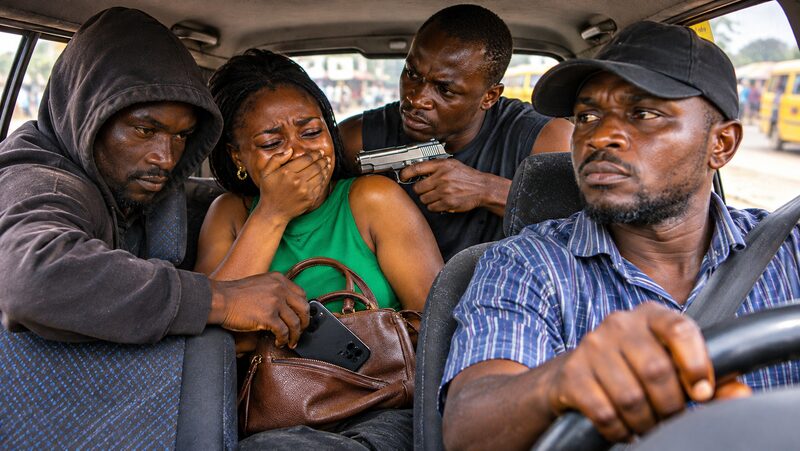
The journey begins like any other, with passengers waiting beside a busy road, drivers calling out destinations and commuters trying to get home, resume work or reach an appointment without spending too much on transportation. A vehicle pulls over, its occupants appear familiar with the route and other passengers are already seated inside, creating the impression of an ordinary commercial journey. For someone in a hurry, getting in may seem like the easiest decision, especially when several other vehicles are competing for passengers along the same road.
For some Nigerians, however, journeys that begin under such ordinary circumstances have ended in robbery, kidnapping, physical assault, financial losses and death. Survivors have described being surrounded by occupants who initially appeared to be fellow passengers, having their phones and valuables collected, and being forced to surrender access to their bank accounts. Others have been taken to unfamiliar locations, while families have faced demands for millions of naira to secure the release of relatives.
The experiences reported across different parts of the country in 2026 reveal the frightening consequences of entering vehicles operated by criminal groups disguised as transport workers.
Abuja lawyer Mediatrix Chigbo killed after boarding a suspected one-chance vehicle
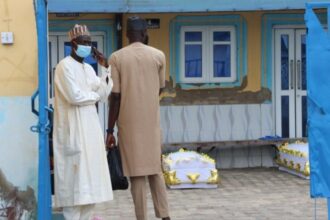
January 5, 2026, became the date associated with one of the most disturbing reported one chance incidents in Abuja, following the death of legal practitioner Mediatrix Chigbo. The lawyer reportedly boarded a black Volkswagen Golf 3 along Kubwa Expressway at approximately 5:50 p.m., believing she was entering an ordinary vehicle travelling in her direction. The occupants were allegedly members of a criminal syndicate who used the vehicle to attract unsuspecting passengers before robbing them. Her journey ended in tragedy, bringing renewed attention to the danger commuters face when boarding unfamiliar vehicles along busy roads.
The Federal Capital Territory Police Command subsequently investigated the incident, using digital intelligence and mobile phone tracking to trace people suspected of involvement. Between January 5 and January 10, investigators worked to establish the movements of the suspects and identify members of the alleged criminal network. On January 12, police announced the arrest of 3 suspected gang members following operations in Dei Dei, Dakwa and Dan Tata communities. They were identified as Saifullahi Yusuf, 22, his brother Ishau Yusuf, 24, and Minka’ilu Jibril, also known as Dan Hajia.
Police alleged that the suspects belonged to a syndicate involved in similar robbery operations, particularly during festive periods.
Abuja documentary reveals approximately 45 victims of suspected criminal network
Another significant development emerged in June 2026, when the Nigeria Police Force released a documentary detailing an investigation into a suspected one chance syndicate operating in Abuja. Investigators reportedly said approximately 45 victims had been linked to the criminal network since 2025, following an investigation that lasted about 18 months. The reported figure drew attention to the number of people who may have experienced similar attacks before the investigation exposed the alleged activities of the group.
Victims described being picked up by people who presented themselves as commercial transport operators before the occupants allegedly turned against them. Their experiences included robbery, physical assault, kidnapping and demands for money from relatives. Some victims reportedly lost their mobile phones and other personal belongings, while others were subjected to financial exploitation after criminals gained access to their devices. The investigation also revealed allegations that different individuals performed separate duties within the operation, including driving, intimidating passengers and withdrawing stolen money.
One woman who appeared in the documentary recounted how she and a friend were attacked after boarding a vehicle at Area 8 while returning from work. According to her account, the occupants tied them up, blindfolded them and collected their belongings before assaulting them. She said the criminals took an iPhone 11 Pro, 3 other phones and her friend’s laptop, alongside 2 additional phones belonging to her friend. The experience became even more financially distressing when the suspects allegedly used their phones to obtain loans through lending applications and transferred money from their bank accounts.
She described the ordeal in these words:
“They used our phones to borrow money from loan apps, extorted money from our bank accounts and beat us mercilessly.”
Abuja woman kidnapped as suspected criminals demand ₦8.8 million ransom
Another disturbing case involved a young woman who was reportedly abducted after entering a vehicle operated by a suspected criminal group in Abuja. On June 29, 2026, the FCT Police Command received a distress report concerning her suspected abduction in Maitama. Investigations eventually led security operatives beyond Abuja to Kwan Kwashe Village in Niger State, where the suspects were allegedly holding the victim.
The kidnapping reportedly involved a ransom demand from the woman’s family, with police later announcing the rescue of the victim and the arrest of 6 suspected members of the syndicate. On July 8, Commissioner of Police Ahmed Sanusi announced the arrests and recovery of the ransom. Reports gave different figures for the recovered money, with some stating ₦8.25 million and others reporting ₦8.8 million. The latter was the figure repeatedly associated with the police briefing.
The suspects’ accounts during the police presentation offered further insight into the alleged selection of victims and the operations of the group. When one suspect was asked why the gang deliberately targeted women, he reportedly replied:
“Because they are not struggling.”
The suspect also described different amounts allegedly collected from previous victims, including ₦500,000, ₦1.5 million, ₦2 million and ₦8.8 million. A female suspect reportedly confirmed that her boyfriend drove one of the vehicles used in the operations and acknowledged that a recovered vehicle was used specifically for one chance activities.
Abuja victims describe beatings, blindfolds and stolen bank savings
The June police documentary also featured accounts of victims who described the physical and financial consequences of boarding vehicles operated by suspected criminals. One woman said she and her friend were returning from work when they entered a vehicle at Area 8, Abuja. What appeared to be a normal journey quickly became a frightening experience after the occupants allegedly revealed their intentions.
According to her account, the women were tied up and blindfolded before their belongings were collected. They were beaten while the criminals searched their possessions and allegedly gained access to their financial accounts. The stolen property included mobile phones and a laptop, but the financial exploitation made the experience particularly distressing because the attackers allegedly used the victims’ devices to obtain loans and withdraw money.
Another suspect, David Francis, reportedly told investigators that his responsibility within the alleged syndicate involved withdrawing money from victims’ accounts through Point of Sale operators. He said he had participated in 4 operations after being recruited while unemployed. Police reportedly arrested him around the Central Area of Abuja when he went to withdraw ₦1.449 million.
Grace Godwin, Freda Arnong among victims of fatal Abuja attacks
The danger associated with one chance transportation was also highlighted in an investigative report published on October 28, 2026, which revisited disturbing incidents involving victims in Abuja. One of the cases concerned Grace Godwin, a 23 year old petrol station attendant who reportedly left home for work in July 2025 but never returned. Her body was later discovered around the Jabi axis, while relatives alleged that suspected one chance robbers were responsible for her death.
Another case involved Freda Arnong, a Ghanaian national who reportedly entered what appeared to be a legitimate commercial vehicle before being assaulted. Reports said she was pushed out of the moving vehicle and subsequently taken to the National Hospital, Abuja, where she died.
The same investigation also revisited the experience of Umar Musa, a resident of Mararaba, who recalled being attacked after boarding what appeared to be an ordinary commercial vehicle while travelling from Zuba.
Lagos police arrest 6 suspected robbers around Ago Palace Way
Lagos recorded another notable development on May 17, 2026, when the state police command announced the arrest of 6 suspected one chance robbers around Ago Palace Way in the Okota area. Officers reportedly intercepted a tricycle carrying approximately 6 occupants during a stop and search operation. The occupants allegedly abandoned the vehicle and attempted to escape after noticing the police presence.
Further investigations reportedly led to the arrest of Basiru Rilwan, 23, Afeez Akeem, 25, Ademola Yekeen, 20, Sodipo Oyeyemi, 27, Ayomide Gafar and Fabayo Michael, 28. Police said items recovered included a cutlass, a mobile phone and a dummy pistol allegedly used to intimidate commuters. The suspects were linked to robbery operations targeting passengers around Ago Palace Way and neighbouring areas.
Iyana Ipaja commuters caught in another suspected one chance operation
Another police operation took place along Iyana Ipaja Road on May 12, 2026, when officers arrested 2 suspected one chance robbers during a stop and search exercise. According to the reported police account, officers intercepted a tricycle carrying 3 occupants, with one passenger allegedly found in possession of 3 Android phones suspected to have been stolen.
The police subsequently recovered the tricycle believed to have been used in the alleged criminal operation.
Port Harcourt domestic worker linked to ₦4,607,199 bank theft
A particularly revealing case emerged in Port Harcourt on April 26, 2026, following an investigation into the alleged theft of ₦4,607,199 from the bank account of Rosemary Vincent. Her domestic worker, identified as 20 year old Praise Sampson, reportedly boarded a taxi after being lured by 2 male accomplices. The suspects allegedly coerced her into surrendering 2 ATM cards belonging to her employer, which were subsequently used to withdraw money.
Vincent reportedly discovered the transactions and reported the incident to Choba Police Station at approximately 7:30 p.m. Police investigations led to the arrest of 5 suspects, identified as Praise Sampson, Michael Chijioke, 36, Ndubuisi Jonah, Ehirim Ugonna, 38, and Okeke Chizoba Daniel, 40.
Sampson was initially described in reports as having been lured into the taxi, but investigators also identified her as one of the suspects.
Rivers police arrest 14 suspects, recover 16 mobile phones
Another major development occurred on September 2, 2026, when the Rivers State Police Command announced the arrest of 14 suspected members of one chance robbery and kidnapping networks operating in Port Harcourt and surrounding areas. Commissioner of Police Olugbenga Adepoju disclosed the arrests while presenting suspects and providing details of the investigation.
One suspect, Nelson Idakiniselegha, popularly known as Mandela, was allegedly involved in extracting SIM cards from victims’ phones and using them to facilitate unauthorised withdrawals from bank accounts. Police also identified Chisom Unegbu, known as Favour, as a suspected driver linked to the operations. He was reportedly arrested at a hotel on Aker Road on August 24.
Investigators recovered a black and white Keke minibus with registration number RGM 823 XE, which was allegedly used during the criminal operations. They also recovered 16 assorted mobile phones suspected to have been stolen from victims. Other suspects named included Michael Matthew, 29, Kelly Edison, 30, Daniel Obodo, 18, and other individuals linked to the investigation.
Edo woman allegedly pushed out of moving vehicle
October 14, 2026, brought another disturbing report from Edo State following the arrest of 4 suspected one chance robbers over an incident involving a woman identified as Joy Osaghae. The victim, who was reportedly from Agbor in Delta State, was allegedly pushed out of a moving vehicle at approximately 8 a.m. along Benin Agbor Expressway.
The Edo State Police Command said officers received a distress call and pursued the suspected criminals. The occupants reportedly abandoned their vehicle and escaped into a forest around Igbanke before police operatives eventually arrested them. The 4 suspects were identified as Joy Moses, 29, from Warri, Delta State, Kalu Iro, 32, from Rivers State, Friday Chinedu, 37, from Agbor, Delta State, and Chiemela John, 35, from Aba, Abia State.
Police recovered a Volkswagen Passat wagon with registration number RLG 19 KA. Other recovered items included 11 mobile phones, a power bank, ₦125,550 in cash and several bags arranged inside the vehicle’s boot. Investigators alleged that the bags were positioned to make the private vehicle resemble a commercial car transporting passengers between Benin City and Agbor.
Osaghae reportedly identified the 4 suspects as the people who robbed her. The case was subsequently referred to the State Criminal Investigation Department for further investigation.
Abuja police recover 38 phones, arrest 11 suspects
Another security development was reported in October 2026 when the FCT Police Command announced the arrest of 11 suspects linked to armed robbery, kidnapping and one chance activities. Police reportedly recovered 38 mobile phones, 3 locally made pistols and other exhibits during the operation.
The arrests came amid continuing efforts to tackle criminal activities around the capital. Separately, on September 19, police conducted a security operation across suspected crime hotspots in Abuja, detaining approximately 300 people for screening. Officers reportedly recovered knives, a toy firearm, cannabis and other substances.
Additional Abuja arrests expose operations across state boundaries
On April 24, 2026, the Nigeria Police Force announced the arrest of David Francis, 22, and Emmanuel Ibenni, popularly known as Markfish, 36. The suspects were reportedly arrested on March 8 at Sambec Hotel in Mararaba, Nasarawa State, following intelligence gathering.
Police alleged that both men belonged to a syndicate operating within the FCT and surrounding areas. The group was accused of disguising itself as commercial transport operators to attract unsuspecting passengers before robbing, assaulting or abducting them. Investigators also said some victims had identified the suspects.
How victims experience one chance operations
The reported incidents across Nigeria reveal several methods used by suspected criminals to trap passengers. Some allegedly operate private vehicles disguised as commercial taxis, while others use tricycles and vehicles carrying several occupants who pretend to be ordinary commuters. A driver may appear to be calling passengers to a familiar destination, while other occupants create the impression that the vehicle is already carrying genuine customers.
Once a victim enters, the occupants may allegedly change the agreed route, lock the doors, threaten the passenger and demand money or valuables. Mobile phones, ATM cards, jewellery, laptops and other belongings can be collected during the attack. Some victims have also described being beaten, tied up and blindfolded, while others have faced kidnapping and ransom demands.
The financial consequences can become more serious when criminals gain access to phones and SIM cards. The Abuja documentary described alleged exploitation through lending applications and bank transfers, while the Rivers investigation highlighted the suspected removal of SIM cards to facilitate unauthorised withdrawals.
Financial losses, injuries and psychological consequences
For survivors, the experience often extends far beyond the journey itself. Someone who loses a phone may also lose access to work contacts, business records, personal photographs and banking services. When criminals allegedly obtain access to financial applications, the victim may have to deal with unauthorised transactions, loan obligations and the difficult process of securing compromised accounts.
Physical injuries can also create additional financial pressure through hospital bills, medication and recovery expenses. Victims who lose laptops and work equipment may struggle to return to their jobs or businesses, while relatives may have to raise money when a family member is kidnapped. The reported ₦8.8 million ransom case in Abuja and the ₦4,607,199 bank theft in Port Harcourt show how large the financial consequences can become.
Psychological trauma is another part of the experience. People who survive these attacks may become afraid of boarding ordinary commercial vehicles, particularly when travelling alone or returning home late. Some may begin questioning the safety of familiar routes and transport arrangements, even after returning to their normal routines.
Precautions Commuters should take
Commuters can reduce their exposure to risk by using recognised motor parks and established transport operators whenever possible. Boarding from familiar loading points, checking vehicle details and sharing journey information with someone trusted can provide additional protection. Passengers should be cautious when strangers apply pressure to enter a vehicle quickly or when the occupants and arrangement appear suspicious.
Keeping mobile phones secure and activating available tracking features can also help when a device is stolen. Banking applications should be protected with strong authentication, while ATM cards and PINs must never be handed to strangers. Anyone who notices that a driver has changed the agreed destination or taken an unexpected route should treat the situation seriously and seek help from identifiable security personnel or a populated, secure location when it is safe to do so.
Nigeria’s emergency number is 112.
The wider picture of one chance transportation in 2026
The reported cases from Abuja, Lagos, Rivers State and Edo State show how one chance criminality can involve different methods and consequences. A lawyer lost her life after boarding a suspected criminal vehicle, women described being tied up and financially exploited, a family faced an ₦8.8 million ransom demand, and a Port Harcourt employer reportedly lost more than ₦4.6 million through unauthorised withdrawals. Other investigations resulted in the recovery of stolen phones, the arrest of suspected drivers and the identification of people allegedly responsible for different roles within criminal networks.
The Abuja investigation linked approximately 45 victims to a suspected syndicate, while Rivers police announced 14 arrests and the recovery of 16 phones. The FCT police also reported 11 arrests and the recovery of 38 phones in October. Earlier figures reported by the FCT Police Command showed that 263 one chance robbery cases were recorded in 2024, resulting in more than 70 arrests.
Nigeria still needs a comprehensive nationwide record of reported one chance incidents, deaths, financial losses, arrests, prosecutions and convictions. The experiences reported in 2026 provide a disturbing account of commuters whose ordinary journeys turned into ordeals involving violence, stolen savings, kidnapping and death.