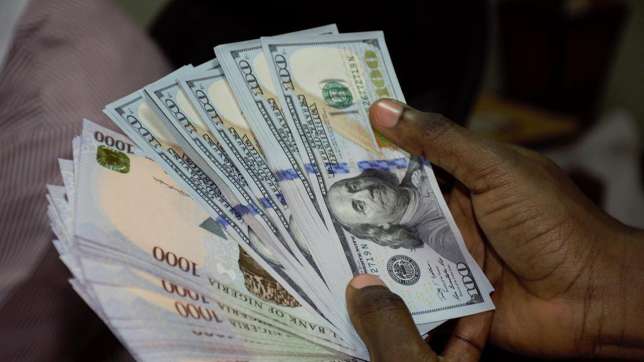
The naira began the week under mild pressure at the official window on Monday, November 16, 2026. The parallel market held steadier by comparison. Central Bank of Nigeria (CBN) data put the Nigerian Foreign Exchange Market (NFEM) rate at ₦1,353.97 per dollar, while Bureau De Change (BDC) operators in Lagos and Abuja bought the dollar at ₦1,380 and sold at ₦1,390.
If you are searching for the dollar to naira rate today, those are the headline figures. Below is how they compare, what is moving them, and what a dollar amount is worth at each rate.
Dollar to naira today at a glance
| Market | Buying rate | Selling / reference rate |
|---|---|---|
| Official (NFEM / CBN) | – | ₦1,353.97 |
| Parallel market (Lagos and Abuja BDCs) | ₦1,380 | ₦1,390 |
| Early-morning interbank indication | – | about ₦1,343.35 |
Rates are indicative and move through the day.
Official NFEM and CBN rate
The ₦1,353.97 reference rate follows a ₦7.18 depreciation in the previous session. Market reports attribute the pressure to corporate dollar obligations and the usual end-of-year rise in import demand, both of which have tightened liquidity at the window. Early-morning interbank indicators hovered around ₦1,343.35 as dealers waited for fresh price discovery, a sign the day could open firmer than the reference rate suggests.
The naira has been slipping at the official window for most of November. It closed at ₦1,350 on November 9, then weakened to ₦1,353.50 the next day. On Wednesday, November 11, it fell ₦10.50 to ₦1,364, its biggest single-session loss since October 22, according to Nairametrics. It recovered a little on Thursday, and the week ended with a close near ₦1,353.50.
Over a longer stretch, the picture is better. The naira’s January 2 closing rate was ₦1,431 per dollar, so the currency is still about 4.7 percent stronger than at the start of the year.
Black market dollar to naira rate today
In the parallel market, dealers quoted ₦1,380 to buy and ₦1,390 to sell. At those figures, the gap with the official rate is about ₦36.03 per dollar.
That is the narrower end of what is being reported, though. Different trackers capture different slices of a fragmented street market. Aboki Forex’s Sunday afternoon average was ₦1,435, and Monierate listed ₦1,435 to sell on Monday morning. Last Thursday, Abuja dealers were quoting as high as ₦1,442.25 to sell. If you take the higher quotes, the spread over the official rate is closer to ₦80 than ₦36.
The practical advice is the same one dealers give every day: the rate you get depends on your city, the dealer and the size of the transaction, so compare a few quotes before you trade.
How the rates have moved this month
| Date (2026) | Official NFEM (₦/$) | Black market (₦/$, approx.) |
|---|---|---|
| Friday, November 6 | 1,346.79 | 1,400 |
| Monday, November 9 | 1,350 | 1,415 to 1,430 |
| Wednesday, November 11 | 1,364 (close) | 1,430 to 1,440 |
| Thursday, November 12 | 1,358.50 (close) | 1,442 to 1,445 |
| Friday, November 13 | 1,353.50 (close) | 1,435 to 1,445 |
| Monday, November 16 | 1,353.97 | 1,390 to 1,435 |
Black market figures are dealer quotes reported by different trackers and vary by location. Official figures combine CBN closing and weighted-average data.
The table shows the two markets moving in the same direction through the first half of November, with the parallel market climbing faster. Monday’s ₦1,390 quote looks like a pullback from last week’s high, but the higher-end trackers suggest the street rate has not eased by much.
Why the gap between official and parallel rates matters
For most of the past few years, the difference between the official and street rates was a source of distortion, and a source of profit for anyone who could access dollars at the official window. A spread of roughly ₦36 to ₦80 is small by that history. Market analysts credit steady foreign reserve buffers and continued CBN intervention for keeping the two segments close.
The reserves themselves are worth watching. Nigeria’s external reserves were reported at $55.06 billion in early November, but the pace of growth has slowed. Gross reserves rose by $295.35 million in October, the smallest monthly gain of the year. Turnover at the official window was also modest in the first week of November, at about $1.45 billion across four trading days. Slower reserve growth and thinner inflows are part of why the naira has lost ground in recent sessions.
Looking further out, analysts have flagged a weaker global oil market, driven by a projected supply surplus, as a risk. Lower crude earnings could put fresh pressure on the naira and push up the cost of imported goods.
How much is $1 to $10,000 in naira today?
| US dollars | At the official rate (₦1,353.97) | At the black market selling rate (₦1,390) |
|---|---|---|
| $1 | ₦1,353.97 | ₦1,390 |
| $10 | ₦13,539.70 | ₦13,900 |
| $50 | ₦67,698.50 | ₦69,500 |
| $100 | ₦135,397 | ₦139,000 |
| $200 | ₦270,794 | ₦278,000 |
| $500 | ₦676,985 | ₦695,000 |
| $1,000 | ₦1,353,970 | ₦1,390,000 |
| $5,000 | ₦6,769,850 | ₦6,950,000 |
| $10,000 | ₦13,539,700 | ₦13,900,000 |
If your dealer is quoting nearer ₦1,435, multiply by that figure instead. At that rate, $100 comes to ₦143,500.
Pound and euro rates against the naira
CBN’s official rates for the other major currencies, as listed on November 13, were:
| Currency | Official rate (₦) |
|---|---|
| British pound (GBP) | 1,790.78 |
| Euro (EUR) | 1,496.13 |
| Canadian dollar (CAD) | 949.62 |
| UAE dirham (AED) | 368.46 |
On the parallel market, the pound was quoted at about ₦1,871 to ₦1,874 on the same date.
What to expect next
The CBN publishes each day’s closing rate only after trading ends, so Monday’s final official figure will not be known until later. Three things will shape the next few sessions. The first is whether year-end import demand keeps draining liquidity at the official window. The second is whether the CBN steps in again to calm the market. The third is whether the street rate settles near ₦1,390 or drifts back toward ₦1,440. For anyone paying school fees abroad, settling import bills or planning year-end travel, locking in rates early in the week has been the safer approach lately.
Exchange rates change throughout the day. The figures above reflect reports available on Monday, November 16, 2026, and should be treated as indicative rather than as a guarantee of any transaction price.