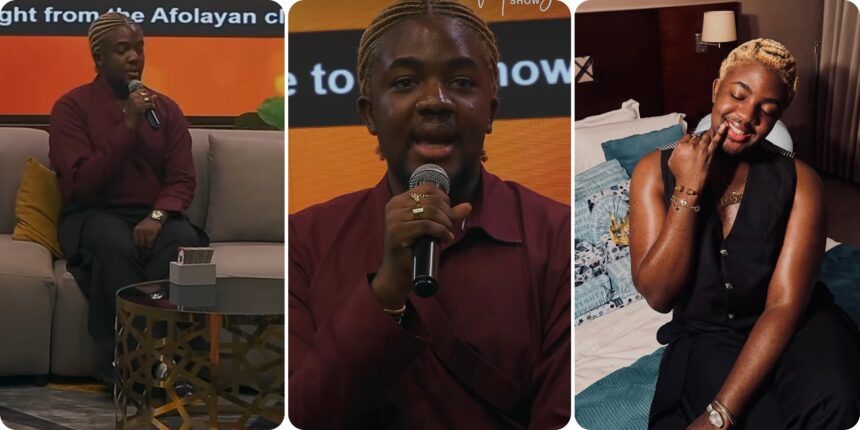
Some people spend years trying to fit into the identities others have created for them, while others choose to take a different route, even when it means facing criticism along the way. For a young person growing up under a familiar surname, finding that path can come with its own expectations.
At 21, Dieko Afolayan is learning to define himself on his own terms. While the public may have its opinions about his choices, he appears determined to tell his own story and decide what he wants his name to represent.
In a revealing conversation with Morayo Afolabi Brown on The Morayo Show, the young content creator and fashion enthusiast spoke about some of the experiences that have shaped him, the lessons he has learnt and the future he hopes to build.
Growing up an Afolayan: Why Dieko chose a different path

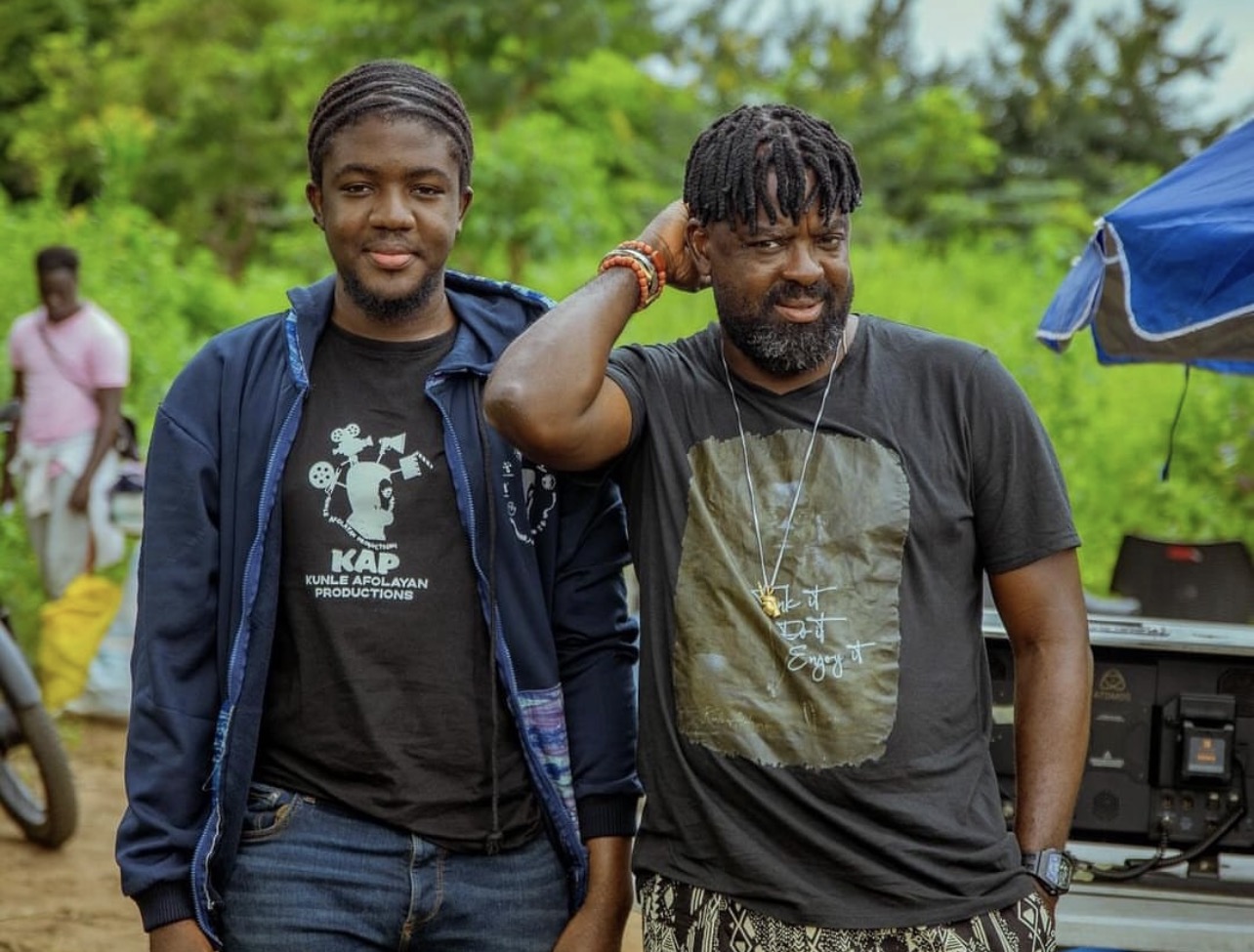
Being born into a family with a strong presence in the Nigerian film industry comes with certain expectations. For Dieko, the Afolayan surname has often influenced how people view him and the career they believe he should pursue.
During his interview, he explained that some Nigerians expect him to follow in the footsteps of his filmmaker father and other family members because of the family’s history in entertainment. According to him, people often make assumptions about his future without taking the time to understand his individual interests.
He described this as part of what he considers Nigerians’ parasocial behaviour, explaining that people sometimes feel entitled to decide what someone should do simply because they know about their family. However, Dieko said growing up around people in the film industry did not mean he had to pursue the same career. He said:
“I wouldn’t say it has been difficult because I grew up with these people, so it has helped me shape other parts of myself. Like, now I could be the most creative person, but I may not have to be in the film industry.”
He also revealed that he had explored modelling and fashion, including walking on the runway and modelling for his father’s clothing brand, Ire Clothing.
Although he had opportunities to become involved in filmmaking, he discovered that his interests were more strongly drawn towards fashion and other creative fields.
For Dieko, choosing a different path is not about rejecting his family’s legacy but recognising that he can build something of his own without following an expected career route.
Being dragged online: How Dieko learned to protect his peace

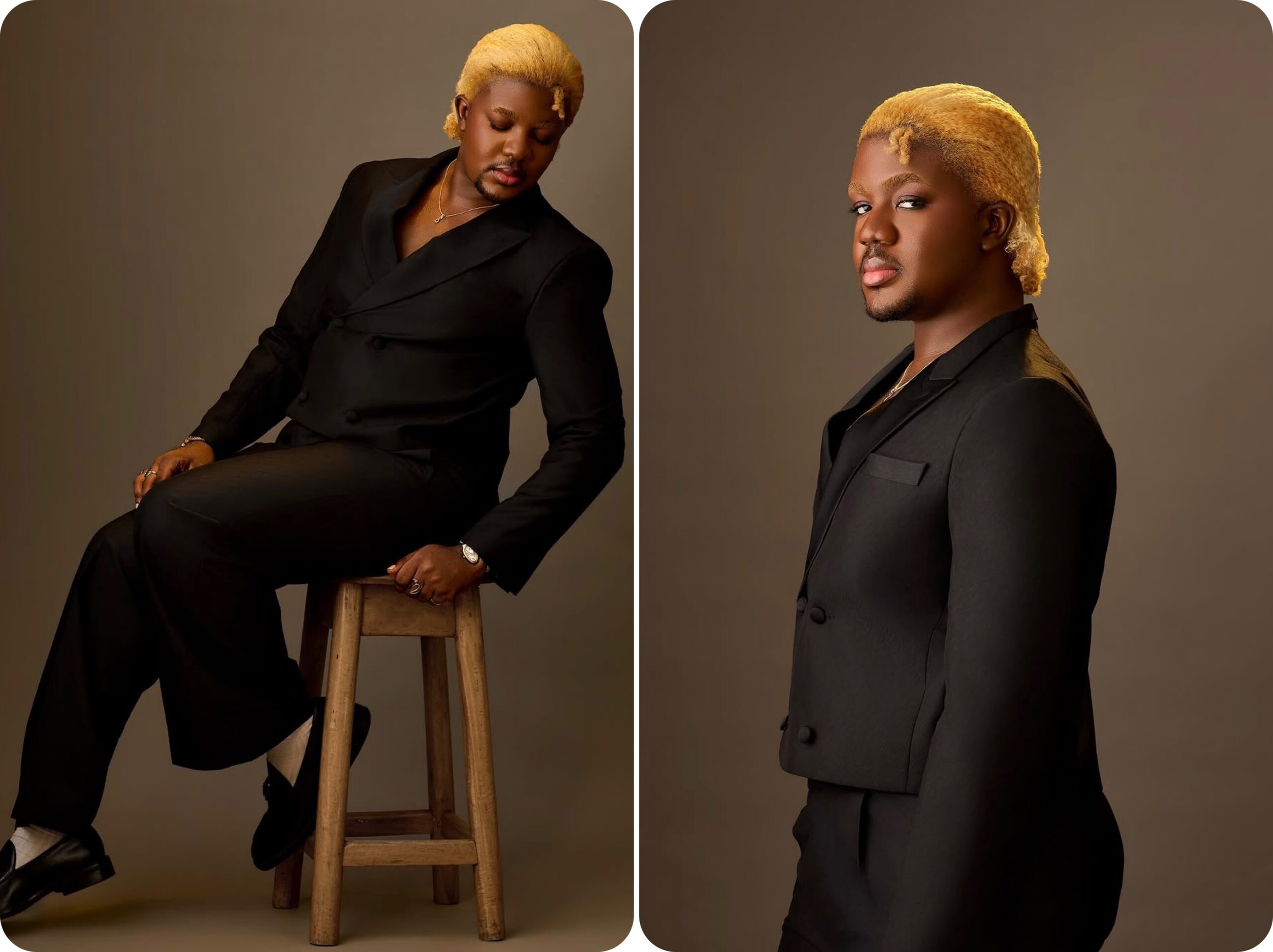
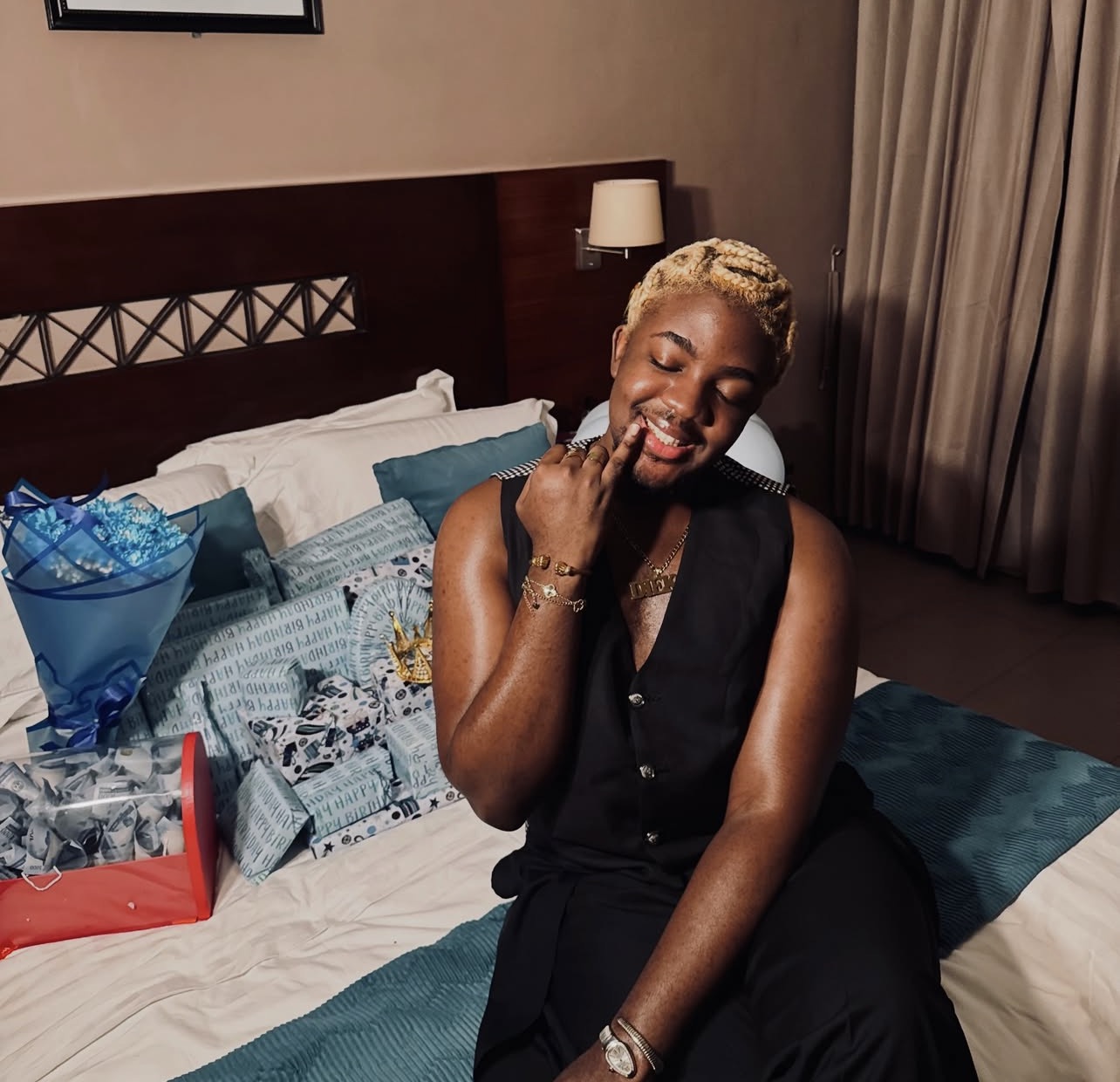
While Dieko is building a name for himself, his choices have also attracted criticism on social media, where Nigerians have repeatedly questioned his appearance, fashion sense and self-expression. The latest criticism stemmed from his 21st birthday photos which he shared on November 6.
During the interview, Morayo brought up the online criticism he had recently faced and asked how he managed to protect his peace despite the negative comments.
Dieko explained that the experience was not entirely new to him, revealing that Nigerians had been dragging him since 2024. However, he said the recent criticism did not affect him as much as previous attacks because he had learnt to develop a stronger sense of individuality. He said:
“So, one thing that’s helped me so far is having a sense of individuality and being my own biggest cheerleader because I mean we live in a world where people are angry and we live in an angry country.
So, you know, people are going to say the weirdest things. I mean, the attack didn’t really have much of an impact the way it had previously because I know that Nigerians have been dragging me since 2024.”
He added that people would continue to make unpleasant comments, especially in a society where many individuals were already dealing with anger and frustration. For him, learning to understand himself and appreciate his identity has become an important part of dealing with public criticism.
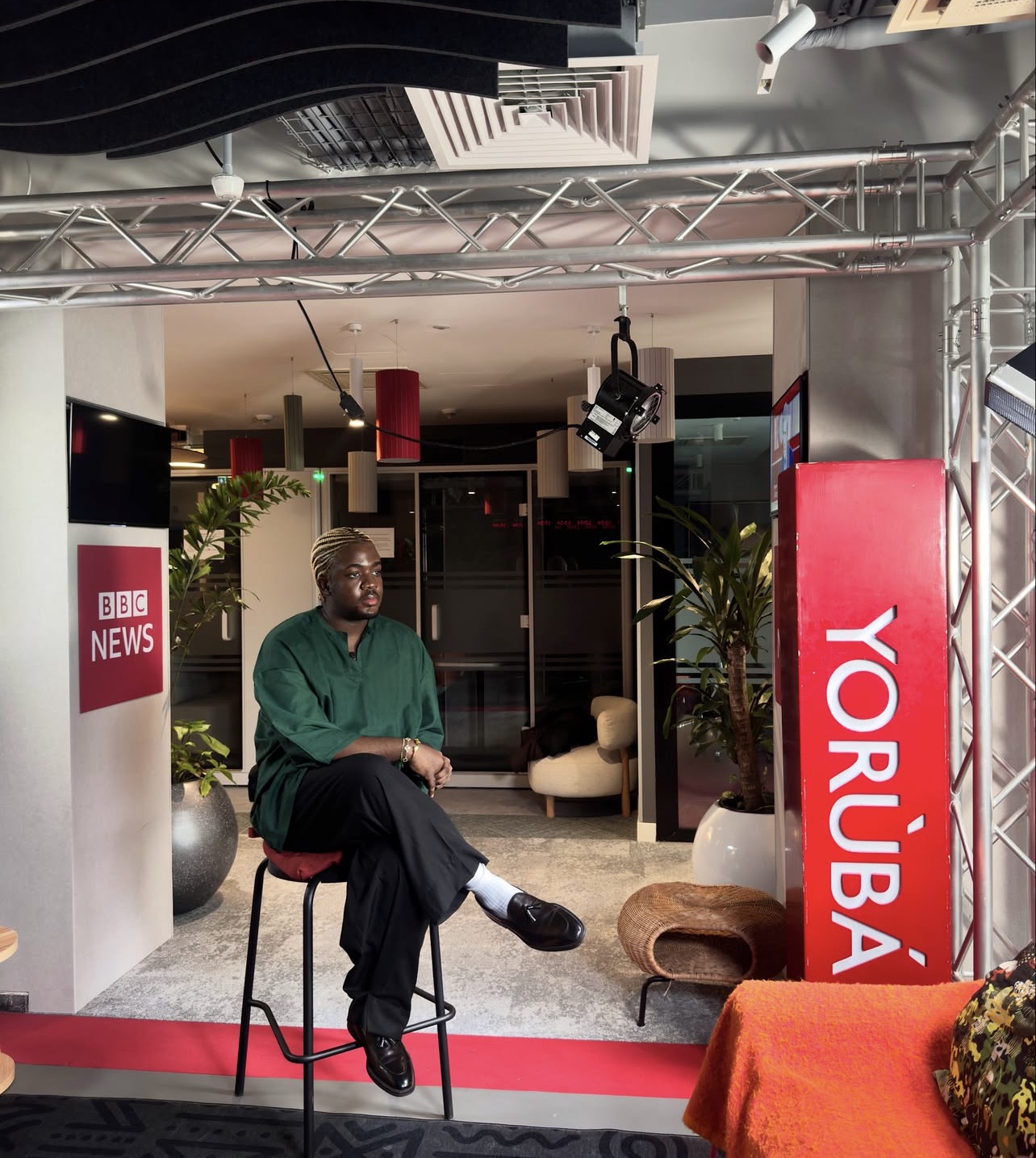
The interview also came after his story and work received attention from the BBC, an experience he described as a blessing. Reflecting on the recognition, Dieko said he was grateful to God and was still in awe that the opportunity came shortly after his 21st birthday. He explained that the recognition made him feel seen and heard after putting considerable effort into expressing himself and showcasing his creativity.
The BBC feature was particularly meaningful to him because of his belief in moving from pain to purpose, a principle he said had guided different parts of his life.

Behind the public image: Dieko’s painful childhood experiences
Away from fashion, public criticism and the expectations attached to his surname, Dieko’s conversation with Morayo took a deeply personal turn when they discussed his journey from pain to purpose.
While explaining how he had learnt to look beyond difficult experiences, the 21-year-old revealed that he had battled bullying, experienced sexual assault and attempted suicide multiple times. He disclosed:
“Let me just reveal that I’m actually, you know, aside from the bullying and everything, I’ve tried so many times to commit suicide. And I’m also a victim of sexual assault. However, I just realized that that doesn’t define who I am. It doesn’t define where I get to. It doesn’t define what I do with myself.”
He, however, stressed that these experiences did not define his identity or determine what he could achieve in life.
Dieko explained that learning to practise self-compassion had been important in changing how he viewed himself and his circumstances.
He recalled moments when he struggled with painful thoughts and broke down in tears. He also disclosed that he once attempted to ingest broken glass because he felt he did not belong in the world. He shared:
“And I feel if there’s anything that anyone should practice it’s self-compassion. So I had to pour in a lot. There were so many times I would cry. I remember the time I tried to ingest broken glass because I was just like okay maybe I don’t belong here.”
The fashion enthusiast further revealed that the sexual assault happened when he was 10 years old. However, he did not speak to anyone in his family about it until he was 16. He explained that the experience continued to affect him years later, challenging the belief that someone should automatically recover from trauma simply because a long time has passed.
Recounting one of the difficult moments he experienced while in school, Dieko said he went through what he described as a catatonic state, which he likened to a coma, although he recovered from it shortly afterwards.
He also remembered an incident during his SS3 year when he tore his clothes in school and expressed that he no longer wanted to live. The experience, he explained, was so overwhelming that he threw himself around and struggled to walk for a while. He revealed:
“So I think that healing is very messy. It’s very messy because knowing that this thing happened to me when I was 10 years old. So it wasn’t something that happened of recent and I’m just very grateful to God that regardless of everything he has given me the strength to push because a lot of people would think oh because it happened to you 10 years ago, I’m 21. because it happened to you 10, 11 years ago. You should have gotten over it right now. I remember this time where I didn’t talk about it to anyone in my family until I was 16. I basically went in this sort of catatonic state, like a coma type of thing. But I came out of it quickly. Thank God. But I remember being in school, SS3 and I tore my clothes in school and I said I didn’t want to live anymore. I didn’t want to do and I couldn’t walk for a while because I was throwing myself all over the place. So what I would tell you today is healing is going to be very messy. So it is best to find ways for you to express yourself. If you don’t talk, these are your emotions here. They’re going to pile up, pile up, pile up until it reaches a point. It’s like you’re feeling a cup of water. What happens when you fill it up? A da (it’ll overflow).”
For Dieko, these moments showed how deeply unaddressed emotional pain could affect a person. He also challenged the idea that surviving a traumatic experience means someone should be completely over it after a certain number of years. He added:
“I’m not fully healed. I wouldn’t say I’m fully healed. That would be very performative.”
He confirmed that he currently has a therapist and encouraged people dealing with difficult experiences to find safe spaces where they can talk and process their emotions. He said:
“I have a therapist. So, it is okay to take therapy or ko mean pe e ti ya were (it doesn’t mean you’ve run mad) or something. But, you know, I just realised that it it’s best to find those spaces in which you can have conversations that just help you understand and process everything that happens to you.”
His disclosure offered a glimpse into a side of his life that is not always visible through his fashion content and social media presence.
Finding his voice: The turning point in Dieko’s journey

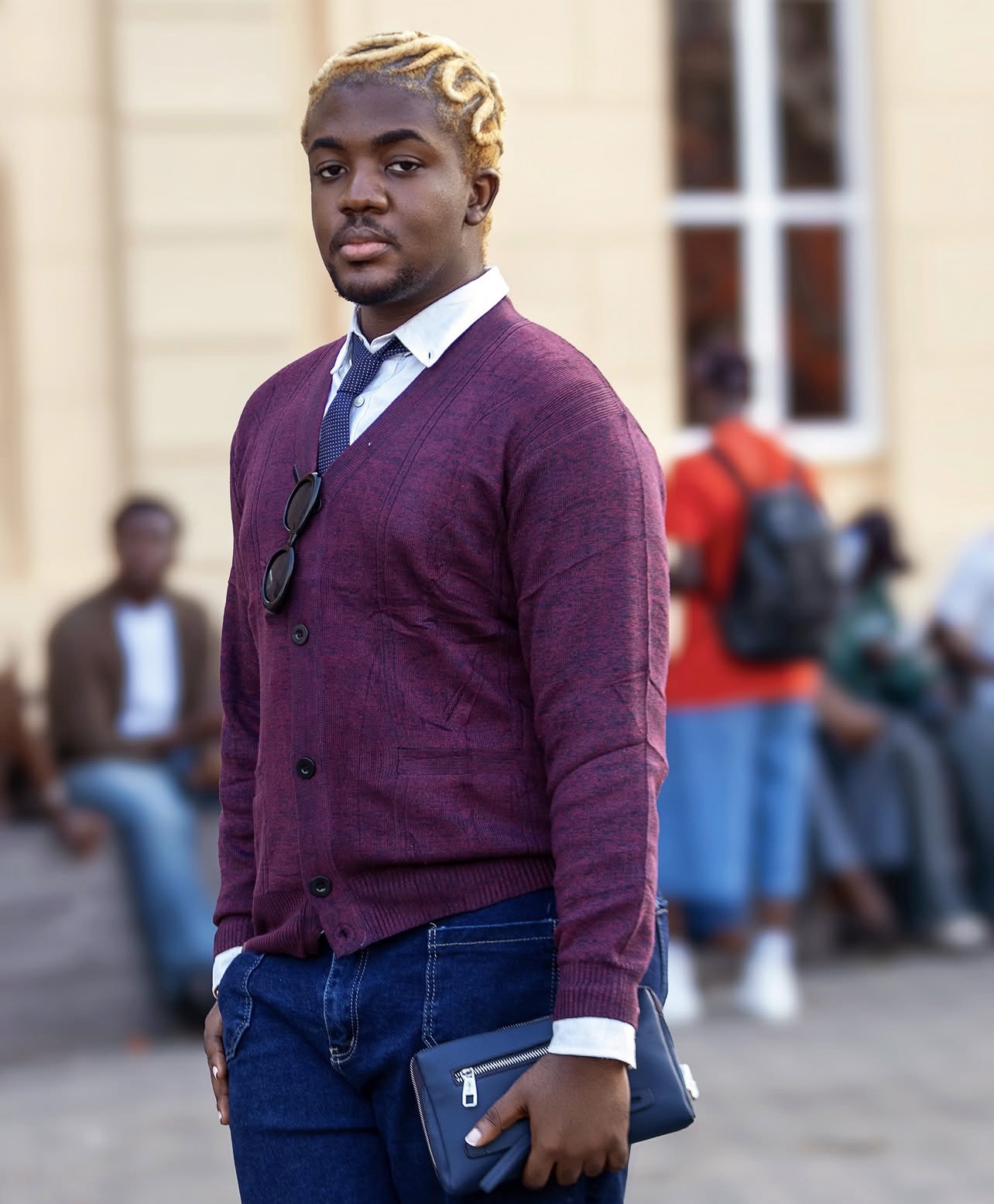
For someone who now speaks confidently about self-expression, mental wellness and individuality, Dieko revealed that he was once a very quiet child. He revealed that he rarely spoke to people while growing up and could stay at home without anyone realising he was around.
However, his experiences gradually helped him discover that he could use his voice to make a difference in the lives of others. He identified his hosting and presenting engagements in school as an important turning point. As people began approaching him and engaging with his work, he started to recognise that he had something valuable to offer. He said:
“I came to this world for something. I have a mission on earth, and that’s to make people feel something, to use my voice for the voiceless.”
Dieko also acknowledged the role his family played in supporting him through difficult periods, particularly his mother, whom he described as an amazing support system. He openly appreciated her and other family members, including his uncle, Aremu Afolayan, for their encouragement and support.
The conversation also touched on the women he considers role models and the values he has learnt from them. He explained that his admiration for women was not necessarily about their appearance or mannerisms but the qualities they displayed, particularly their strength.
Among the people he mentioned were his mother, his aunties and actress Funke Akindele. He also named actor and content creator Enioluwa as one of his role models. He praised Funke Akindele for her dedication to her work, while describing his uncle, Aremu, as someone who had taught him the importance of authenticity. He revealed:
“So for me I have a lot of role models. I think I’ll just mention few because some of them are actually men. Enioluwa is a role model to me I would say. My mother, my aunties, auntie Funke Akindele is also a role model because I know that she’s someone that regardless of anything that anyone says, she would always put in the work.
I think my uncle, Uncle Aremu as crazy as you people may think he is, I think one thing that my uncle has taught me is authenticity.
I don’t think my uncle is the type of person to want to conform to anybody or to what anybody expects of him, which is good because you have a lot of people these days, they don’t even know themselves. So, I look out for people who know who they are inside and are able to push it out positively.”
According to Dieko, one of the lessons he has learnt from observing people he admires is the importance of knowing oneself instead of constantly trying to conform to society’s expectations. He also used the opportunity to discuss toxic masculinity and how societal expectations can make it difficult for men to express their emotions.
Dieko argued that men are often expected to behave, dress and present themselves in particular ways, leaving little room for vulnerability. He linked this pressure to the wider conversation about men’s mental health, stressing the importance of allowing men the freedom to express themselves and seek support. For him, emotional expression should not be limited by gender expectations. In his words:
“So I think by the time this comes out a lot of blogs will want to try and misquote me because they can say a lot of things. Won ma n soro gan (they say a lot of things). But I would say the reason why I said a lot of role models of mine are women is because I pick certain values of them. Not the way they dress, not the way they walk, not their mannerisms.
I feel like society has created this space where there’s a so much toxic masculinity that they don’t give men the grace to express. They feel like they hold men to these pedestals that you have to dress in a certain way, you have to move in a certain way and at the end of the day that’s why we have a high rate of suicide among men.”
From pain to purpose: Why Dieko founded ITGlow

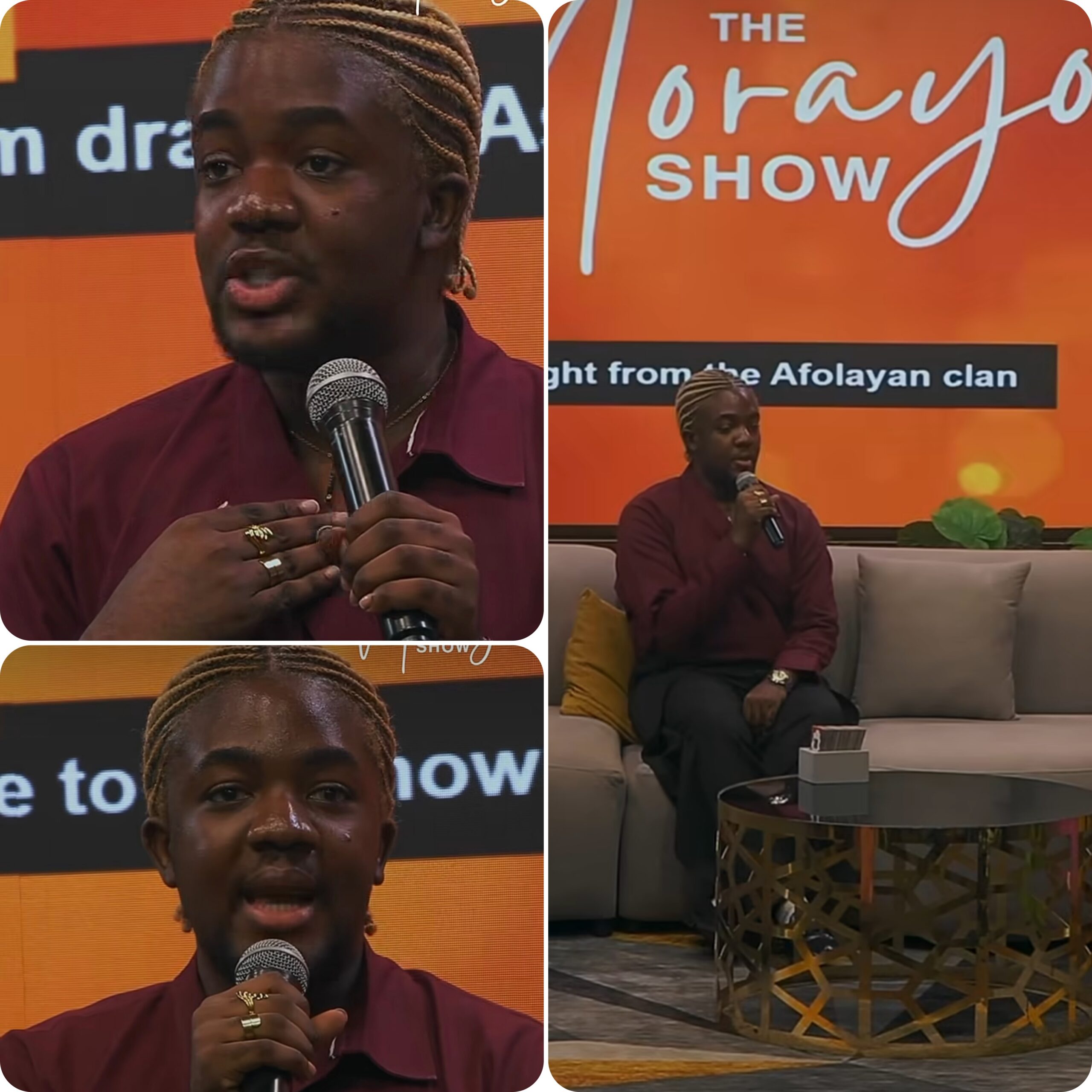
One of the most important projects Dieko discussed during the interview was ITGlow, a wellness and community initiative he founded to give people a safe space to express themselves. He explained that the name was inspired by the nickname “Gen Z ITboy”, which people often use to describe him.
According to him, an IT boy represents someone who embodies charisma and elegance, knows how to push boundaries and is confident enough to show up unapologetically. However, ITGlow came from a more personal place.
Dieko explained that he was going through a difficult period, including the breakdown of a friendship with a group of friends, when he began thinking about creating something that could help people express themselves. Having experienced the difficulty of keeping his feelings to himself while growing up, he wanted to build a community where people could speak freely without feeling judged.
He also wanted to encourage people to take their mental health seriously, especially in a society where the subject is still misunderstood. According to him, some Nigerians still associate mental health struggles with demonic influences rather than recognising the importance of caring for one’s mind.
He believes people need spaces where they can pause, reflect, have meaningful conversations and take care of their emotional well-being. That desire eventually inspired ITGlow.
Speaking about its growth, Dieko revealed that the community had already attracted more than 130 members and continued to grow. He disclosed that the initiative celebrated its first anniversary on November 6, which was also his birthday. For now, ITGlow focuses on people between the ages of 16 and 35, although he hopes to expand its reach as the brand develops.
Dieko stressed that he does not want it to remain an ordinary wellness brand, describing his ambition as building an empire. Beyond creating an online community, he hopes to take ITGlow into schools to reach teenagers and young adults who may be struggling with experiences they find difficult to discuss.
For him, the initiative represents an opportunity to turn some of his personal experiences into something that can positively affect other people’s lives.
Beyond fashion: Dieko’s vision for the next five years

Although mental health and wellness have become important parts of Dieko’s work, he is also interested in exploring other creative industries, particularly fashion, skincare and beauty. During the interview, he explained that fashion has always been an important way for him to express himself, especially because he was a quiet child who found it difficult to communicate with people.
He said dressing up made him feel confident, strong and powerful, giving him a way to communicate parts of himself that he could not easily express through words. He also addressed the criticism surrounding his appearance and fashion choices, making it clear that he does not dress to satisfy people’s expectations of how a man should look.
Speaking about his decision to dye his hair, which he said was his first time doing so, Dieko explained that he simply wanted to express himself rather than prove anything to anyone. He described his approach to fashion as part of his desire to break boundaries and challenge generational expectations about how people should present themselves.
Looking ahead, Dieko has even bigger ambitions. When asked what people should expect from him in the next five to 10 years, he confidently declared that he would become a leading face of mental health and wellness in Nigeria and globally. He also expressed his desire to explore more opportunities in fashion, skincare and the beauty industry.
Beyond his personal career, he hopes to expand ITGlow into schools and create opportunities to speak to teenagers and young adults about difficult life experiences. He wants his work to encourage people who have experienced pain to recognise that their past does not have to determine their future.
Explaining the kind of impact he hopes to make, Dieko said he wants people to look at his life and recognise that it is possible to experience difficult things and still build something beautiful.
He also made an important distinction between his painful experiences and his ambitions, stressing that he does not want his success to be defined by the things that happened to him. He said:
“I won’t be the one to tie or because I wanted to commit suicide or when I was assaulted. I wouldn’t say that is what made me successful. I want, I’m going to be successful because I have chosen to live a beautiful life outside the chaos.”
His statement captured the outlook he hopes to carry into the next phase of his life: building a future based on his choices rather than allowing his past to define him.
Conclusion
There is often pressure to explain oneself, especially when other people have already formed opinions about who they think someone should be.
For Dieko, finding his own voice has meant learning to embrace his individuality, allowing himself to express his creativity and recognising that there is more to his story than the expectations attached to his surname.
At 21, he is still discovering different parts of himself, with ambitions that stretch beyond the spaces he has already begun to explore. And perhaps, as he continues to find his footing, the most important part of his story is still being written.