
Sometimes, a statement made with the intention of offering advice can open the door to a much bigger conversation. What one person considers motivation may sound completely different to another, especially when both are looking at life from different experiences.
This was the situation surrounding a recent conversation involving Nigerian influencer and media personality Enioluwa Adeoluwa. What began as an attempt to encourage young people soon became a subject of heated debate, drawing reactions from netizens and fellow celebrities.
How Enioluwa’s comments about Nigerian youths sparked controversy

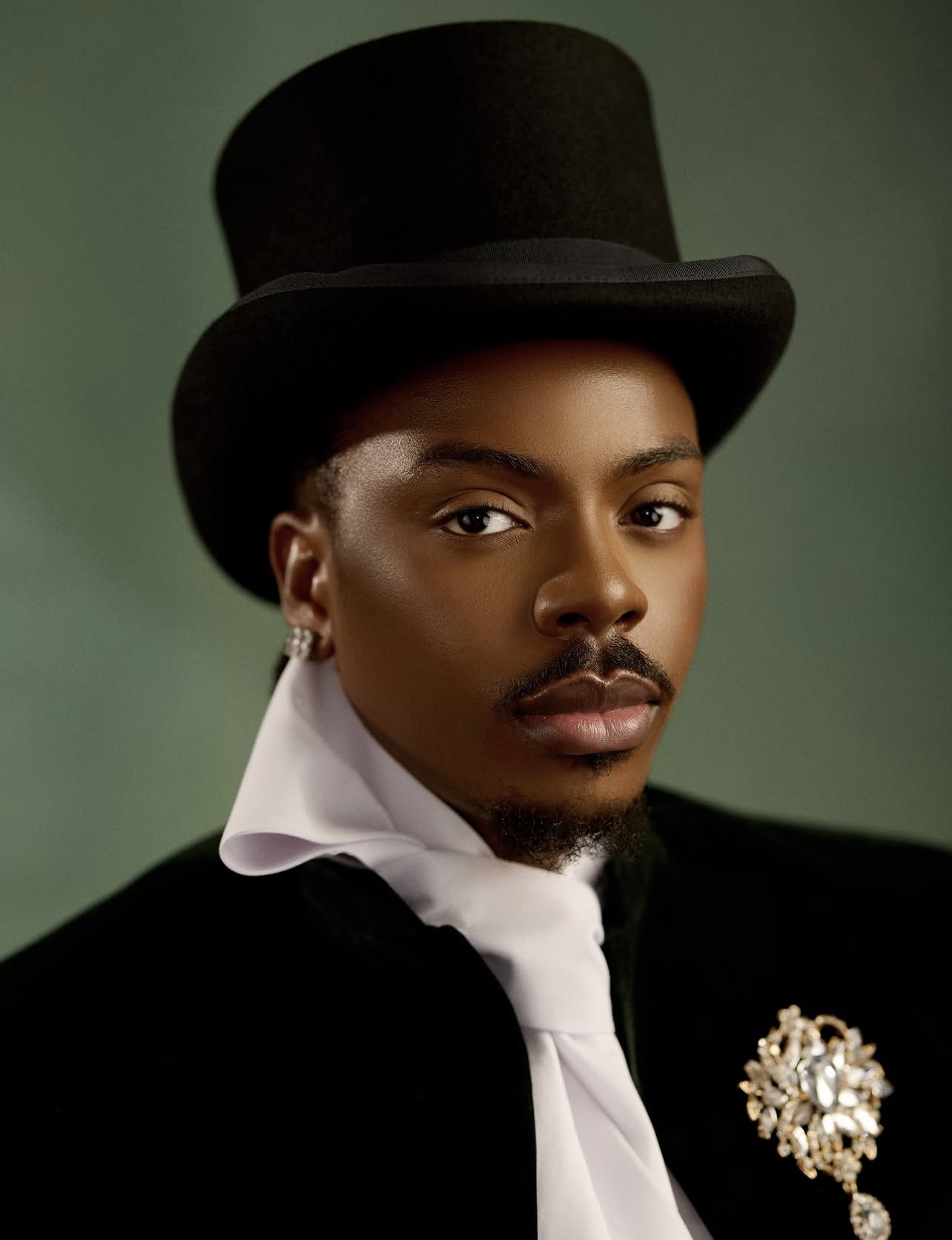
The controversy began after Enioluwa spoke at the Emergence of Stars youth conference in Port Harcourt, organised by the IBGQ network. A video from the event circulated online on November 17, 2026, showing the influencer sharing his thoughts about the attitude of young Nigerians towards work, success and life’s challenges.
During his speech, Enioluwa suggested that many young people no longer liked working because they expected things to come easily. He said:
“Young people, we don’t like to work anymore because we think that things should come easily for us.”
He also questioned young Nigerians in their twenties who complained about being tired of life, asking whether they had experienced enough of life’s challenges to make such statements. “You are 20, and you say you are tired of life? Have you even seen life? What has life shown you?” he asked.
Enioluwa encouraged young people to develop a strong work ethic, remain persistent and seek guidance from people who had achieved success in their chosen fields.
He also mentioned American filmmaker Tyler Perry as someone he considered a mentor, highlighting the importance of learning from people who had built successful careers.
However, another part of his speech attracted even more attention. He suggested that students who read every night could graduate with a first-class degree. He said:
“If you read every night, you are going to finish with a first class. It is very easy. Life is not difficult; we overcomplicate it.”
Although his message appeared to focus on discipline, consistency and hard work, many Nigerians felt his comments failed to recognise the realities confronting young people in the country.
Why his remarks did not sit well with Nigerians
Following the circulation of the video, several Nigerians took to social media to challenge Enioluwa’s position.
For many, the issue was not whether young people should work hard or remain committed to their goals. Rather, they questioned the suggestion that success was relatively easy to achieve through discipline alone.
They argued that the realities of living in Nigeria made it difficult for many young people to concentrate on building their futures.
Unemployment, rising living costs, poor access to opportunities and financial difficulties were among the issues raised.
Some pointed out that young Nigerians could work hard, pursue education and make sacrifices without necessarily getting the results they hoped for.
Others questioned how students who struggled to afford food, pay school fees or meet other basic needs were expected to maintain the same level of concentration and productivity as those with better financial support.
The debate also brought attention to the differences in people’s backgrounds and access to opportunities. While some believed Enioluwa was simply encouraging young people to take responsibility for their lives, others felt his delivery overlooked the struggles of those who were already doing their best to survive. Here are some reactions below:
@Olorimorenike01 wrote: Dear Enioluwa, I couldn’t graduate with a first-class degree because I could no longer afford my university fees in 300-level first semester and could not register my courses. I worried they wouldn’t let me into the exam hall since I didn’t have clearance. An unsettled mind could not study.
I worked for two years after secondary school to save for university. In fact, I worked for a month just to buy my graduation purple shirt.
I starved in school after depleting my savings. I expected nothing from home because there was nothing there. So yes, some of us might have earned a first-class if we only had to focus on reading, not survival. Please understand and embrace your privileges.
@ChideraJE wrote: Enioluwa is honestly not the kind of person I think should be coming out to give Nigerian youths advice. First of all, he and Bobrisky helped popularise a culture that made young people believe that dressing like women, wearing makeup and presenting themselves a certain way would automatically open doors for them, attract wealthy men and create opportunities. What exactly was the message being passed to young people?
Secondly, he knows the economic situation Nigerians are dealing with. Young people are applying for jobs every day, yet opportunities are limited. There aren’t enough jobs to go around, and while graduates are struggling to find employment, politicians are busy enriching themselves with public resources.
I don’t know what exactly Enioluwa thinks he has achieved that qualifies him to position himself as a voice of direction for Nigerian youths. There are thousands of young Nigerians doing meaningful things, building businesses, creating jobs and making genuine contributions to society. We need to stop giving microphones to people simply because they are popular on social media. Popularity is not the same as leadership, and having followers doesn’t automatically make you a role model.
Somebody should collect that microphone and send him back to Hilda Baci’s cooking class. That’s where he belongs. Take it or leave it.
@DurojaiyeSegun wrote: “Young people don’t like to work.” Coming from a nepo baby whose dad was once the Deputy Vice-Chancellor of EKSU.
A spoilt brat whose dad was once the Provost of Ekiti State College of Education.
And a rich man’s son whose dad is the current Vice-Chancellor of the University of Science and Technology in Ekiti State.
All these appointments show that his dad is obviously a political figure who dances to the tune of the APC. No state government would appoint someone as the head of a public university without expecting political loyalty in return.
Enioluwa is so lucky that the only work he has ever done in his life is attend EKSU for his BSc, enrol for his Master’s degree, and currently pursue a PhD, all while receiving a weekly allowance from his dad.
@powerfulbadeeu wrote: That Enioluwa’s video got me emotional, I’d been thinking out aloud, not for myself, but for some of my very brilliant and hardworking childhood friends across different tiers of education of my life, elementary school, high school, Polytechnic, Bachelor’s degree and even my MSc in FUTA.
Very hardworking guys, and even more brilliant than I can ever lay claims to be, I’ve said it here many times, there’s no time I’ve ever been the best in class, factly, in FUTA, I wasn’t even top 15 out of 75 in my FST class, to assume people ain’t locking-in is the sole causal organism of life not being fair to them is not a good thing to say, I’m glad he’s corrected himself & did apologized for that message, but NGL, that got me so emotional, boys are grinding on a daily & things haven’t come out as planned, May God crown everyone’s effort.
As the criticism continued, fellow celebrities also joined the conversation, including former Big Brother Naija housemate Nelly Mbonu.
BBNaija’s Nelly challenges Enioluwa


Nelly was among the personalities who publicly disagreed with Enioluwa’s comments. The reality TV star argued that although hard work was important, people did not have the same opportunities, financial support or starting points in life.
Drawing from her experience as a business owner, she highlighted the difficulties involved in running a business, explaining that working hard did not automatically remove the challenges people faced.
One of her strongest arguments was directed at Enioluwa’s suggestion that reading every night could help students graduate with first-class degrees.She questioned how students who struggled to afford food could concentrate on their studies. She queried:
“You mentioned if you read, you will pass your exams, how about reading with empty stomach? How will brain function?.”
Nelly also pointed out that some Nigerians worked hard and earned salaries but still struggled to pay their rent and afford basic necessities. Her argument was that it was unfair to judge young people’s efforts without considering the circumstances surrounding their lives. She concluded her response with a simple but striking statement: “My dear life no easy.”
Her reaction further fuelled the conversation, with many Nigerians agreeing that encouragement should also come with an understanding of the economic difficulties confronting young people.
For others, her comments highlighted an important distinction between telling people to work hard and recognising that hard work does not always guarantee immediate success.
Enioluwa breaks silence, issues public apology

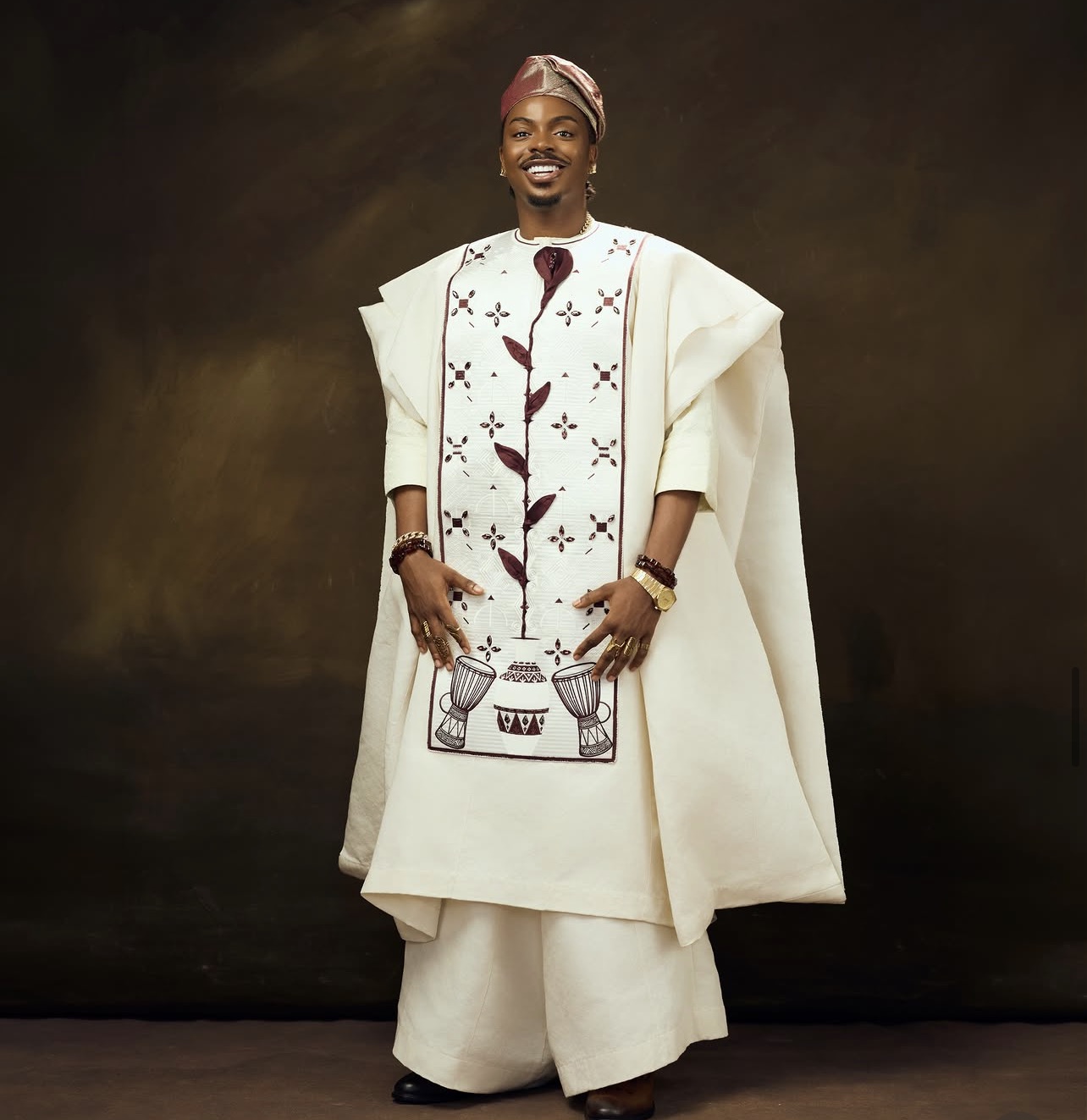
With the criticism surrounding his speech continuing, Enioluwa eventually addressed the controversy. On Tuesday, November 17, 2026, the influencer took to X to clarify his position and apologise for the reaction his comments had generated. He maintained that he did not consider Nigerian youths lazy and insisted that this was never the message he intended to communicate. He wrote:
“I do not believe that Nigerian youths are lazy. That has never been my belief, nor the message I intended to communicate. We are some of the most hardworking people I know.”
Enioluwa also acknowledged that his remarks might have overlooked the privileges he enjoys and the difficult circumstances many young Nigerians face. He expressed regret over the impact of his words, adding:
“I sincerely apologise for any hurt my remarks may have caused.”
He further recognised the resilience of Nigerian youths, noting that they continue to work incredibly hard despite the country’s economic challenges.
According to him, young Nigerians deserve every opportunity to thrive.
His statement appeared to be an attempt to clarify that his original message was about encouraging discipline and persistence, rather than dismissing the struggles of young people.
The reactions that followed his apology
Even after Enioluwa issued his apology, the conversation continued across social media. While some Nigerians appreciated his decision to acknowledge the concerns raised and clarify his position, others felt the apology did not completely address the issues surrounding his original speech.
Some maintained that public figures should be more careful when discussing issues affecting ordinary Nigerians, especially when their experiences and financial circumstances may differ significantly from those of the people they are addressing.
Others believed that his initial message about hard work, consistency and mentorship was still important, arguing that young people should not lose sight of their ambitions despite the difficulties around them.
The mixed reactions showed that the disagreement was not simply about whether young Nigerians should work hard. It was also about how success is measured, the opportunities available to people and the realities that can make achieving certain goals more difficult.
Conclusion
Conversations about success often come with different expectations, and what sounds like simple advice to one person may carry a different meaning for someone else.
Perhaps the most interesting part of such conversations is not always who wins the argument, but what they reveal about the experiences people bring to the table. And sometimes, the gap between what is said and what is understood is where the bigger conversation begins.