For years, Nigerian youths have remained at the centre of public conversations about work ethic, ambition, leadership, education and personal responsibility, with prominent politicians, entertainers, journalists and social commentators openly questioning their attitudes and expectations. At different moments, these discussions have emerged during debates about unemployment, economic hardship, political participation, social media behaviour and the growing demand for generational change. Several public figures have shared strong opinions about the younger generation, with their statements generating conversations that have continued long after the original controversies.
The debate gained national attention in 2018 when former President Muhammadu Buhari made remarks about young Nigerians during an international business gathering in London. His comments attracted widespread reactions, with other prominent Nigerians, including comedian Ali Baba and Muslim Rights Concern director Professor Ishaq Akintola, publicly defending criticism of the younger generation. Journalist Jimi Disu, actor Yul Edochie and Lagos lawmaker Desmond Elliot also made statements addressing different aspects of youth behaviour and political participation. Years later, influencer Enioluwa Adeoluwa entered the conversation with comments about work, perseverance and expectations of success, bringing the debate into the spotlight once again.
From Buhari’s controversial remarks in 2018 to Enioluwa’s November 2026 apology, these are some of the notable occasions when Nigerian public figures criticised the attitudes, conduct and expectations of young people.
Buhari’s controversial remarks in London in 2018

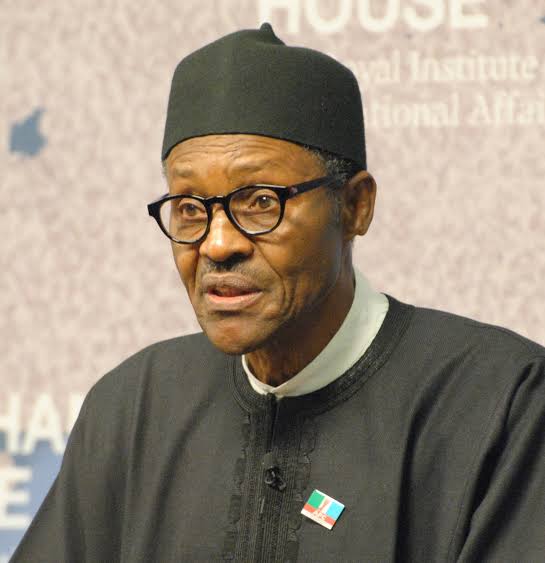
The national conversation took a dramatic turn on April 18, 2018, when former President Muhammadu Buhari spoke at the Commonwealth Business Forum in London. During a discussion about Nigeria’s economy, population and investment opportunities, the former president made comments about the country’s young population that quickly became one of the most controversial statements associated with Nigerian youths.
Buhari said, “We have a very young population. More than 60 per cent of the population is below 30. A lot of them haven’t been to school and they are claiming that Nigeria has been an oil producing country, therefore they should sit and do nothing and get housing, healthcare, education free.” The statement attracted attention because it addressed what he considered the expectations of some young Nigerians concerning government benefits and their contribution to the economy.
The public reaction quickly connected his comments to the description of Nigerian youths as lazy, making the controversy a major national discussion. The Presidency subsequently clarified that Buhari had referred to a lot of young people rather than the entire youth population, but his remarks continued to generate reactions across the country.
His comments became a defining moment in discussions about the younger generation, particularly as unemployment, limited economic opportunities, poor infrastructure and the rising cost of living remained major concerns. The controversy also prompted other public figures to express their own positions, with some defending Buhari and others rejecting his description of young Nigerians.
Ishaq Akintola backs Buhari’s position

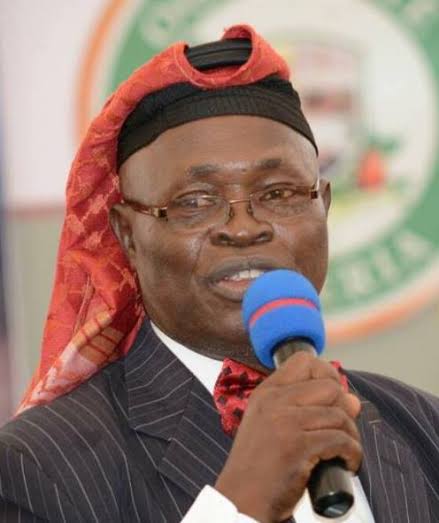
Just 5 days after Buhari’s remarks, Professor Ishaq Akintola, director of the Muslim Rights Concern, publicly defended the former president and offered a more direct criticism of some Nigerian youths. On April 23, 2018, Akintola published a statement titled Youths Comment: Buhari Has Not Said Anything New, addressing the controversy surrounding the president’s comments and the conduct of young Nigerians involved in criminal activities.
Akintola made his position clear when he declared, “Many of our youths are lazy but we don’t want to admit it.” He also questioned the activities of young Nigerians associated with internet fraud, asking, “Are the Yahoo Yahoo boys not of the same age bracket? Are they not all lazy?” His criticism extended to street touting and other activities he considered unproductive, as he asked, “What responsible work are they doing? What do they contribute to the Gross Domestic Product (GDP)?”
The MURIC director also called on young Nigerians to reconsider their priorities and abandon the pursuit of quick money. He urged them “To abandon the counter productive race for emergency wealth, to shun betting and to concentrate on education, training and hardwork.” His argument centred on criminal activities, political violence, betting and the desire for instant wealth, which he considered damaging to the reputation and prospects of the younger generation.
Akintola’s statement became one of the clearest examples of a Nigerian public figure openly describing sections of the youth population as lazy during the 2018 controversy. His remarks also focused attention on internet fraud, street extortion, political thuggery and the pursuit of emergency wealth.
Ali Baba describes mental laziness as a major challenge


Veteran comedian Ali Baba also joined the debate in 2018, openly disagreeing with Nigerians who believed Buhari had been unfair to the younger generation. On November 30, 2018, he spoke at a graduation ceremony organised by Gazzelle Academy in Lagos, where he addressed the attitude of some young Nigerians towards employment, vocational training and different forms of legitimate work.
Ali Baba described mental laziness as a serious problem, declaring, “Mental laziness is the biggest challenge facing our youths.” He also referred directly to the controversy surrounding the former president, saying, “A lot of people said President Muhammadu Buhari was wrong when he said that Nigerian youths were lazy. But there are young people who don’t want to do any work in this country.” His position was that some young Nigerians needed to reconsider their approach to employment and opportunities.
The comedian further questioned the way some young people treated individuals engaged in occupations they considered less prestigious. He said, “They have no respect for anyone who is employed. These people even treat labourers with disdain and laugh at commercial drivers.” Ali Baba encouraged young Nigerians to appreciate vocational skills and recognise the opportunities available in industries such as makeup, beauty, fashion and other practical professions. He urged them to pursue financial independence through different legitimate occupations rather than wait for jobs or social positions they considered attractive.
His intervention brought attention to how young people viewed different forms of work, particularly vocational occupations that could provide opportunities for financial independence. Ali Baba maintained that mental laziness and a refusal to embrace available opportunities were major challenges facing some members of the younger generation.
Jimi Disu questions entitlement in 2020


On August 14, 2020, veteran journalist and social commentator Jimi Disu expressed concerns about the attitude of young Nigerians towards opportunities, political participation and leadership. During an interview, Disu argued that many young people expected opportunities to come to them rather than taking the initiative to create openings through persistence and participation.
He said, “The youths of today are not ready to do that.” Explaining his position, he added, “You see, they want to sit back and want to be invited. During our days, nobody opened the doors for us, you have to barge in.” His criticism centred on what he considered an excessive sense of entitlement and an unwillingness among some young people to struggle for positions and opportunities.
Disu also referred to what he described as “That sense of corruption and laziness and no future ambition, sense of easy wealth that he brought.” He connected these attitudes to the wider culture of quick money and the examples provided by older generations. He also acknowledged the circumstances young Nigerians had inherited, stating, “I don’t blame them anyway, it is what they met on ground.”
His comments addressed the growing demand for young people to take leadership positions and become more involved in governance. Disu believed that gaining influence required active participation, preparation and persistence rather than waiting for established political figures to hand over power. His criticism therefore focused on personal ambition, political involvement and the willingness of young Nigerians to work towards securing opportunities.
Yul Edochie questions youths’ readiness for leadership


Actor Yul Edochie took a different approach to the debate in April 2020, focusing on political organisation and the readiness of young Nigerians to take over leadership positions. At a time when conversations about generational change were becoming increasingly prominent, Edochie argued that young people needed to demonstrate unity, commitment and the ability to work together if they wanted to replace older politicians.
He wrote, “Contrary to what you people think, the old guys in power are constantly looking for youths to hand over to. But what they see are youths insulting each other on social media, who can’t stand together and fight for anything, youths who will sell their souls for money. They hardly see leaders.” His statement questioned the ability of young Nigerians to unite around common objectives and demonstrate the qualities required for political leadership.
Edochie also encouraged young Nigerians to become involved in politics, contest elections and learn through the experience of participating in the political process. He said, “Join politics, contest, fail, gain experience, contest again and again till we win; leadership is not child’s play.” His position was that political leadership required preparation and persistence, and young people needed to gain experience through active participation.
His comments became part of the wider debate about whether Nigerian youths were prepared to move from demanding political change to actively participating in governance. Edochie specifically questioned their unity, commitment and readiness to challenge established political interests.
Desmond Elliot’s criticism during the #EndSARS controversy


The relationship between Nigerian youths and public office holders came under renewed pressure in October 2020 during the #EndSARS protests. The demonstrations, which began as a campaign against police brutality and misconduct, developed into a wider national conversation about governance, accountability and the treatment of young Nigerians.
On October 29, 2020, actor and Lagos State lawmaker Desmond Elliot became involved in a major controversy following comments he made during a Lagos State House of Assembly discussion about the protests and the activities of social media users. Elliot specifically raised concerns about Nigerian youths, social media influencers and the abusive comments directed at public officials.
He said, “We need to address certain things: Nigerian youth; social media; social influencers. These make the narrative that we’re seeing today. Except we’re joking with ourselves, social media has its negative impacts.” He also expressed his frustration with comments directed at lawmakers, saying, “When I went through the comments, I could not believe it, Mr Speaker. Curses, the abuses from children. And I asked myself, ‘Is this Nigeria? What is going on? Children cursing.'”
Elliot further complained about an incident involving the traditional institution, including the reported entry into an Oba’s palace and the removal of the ruler’s staff of office. Reacting to the situation, he declared, “Culture is gone!” His remarks generated widespread backlash, with many young Nigerians taking issue with his comments about their participation in the protests and criticism of political leaders.
The lawmaker subsequently apologised for referring to young people as children, explaining that his emotions had got the better of him. He also said he had been reacting to destruction and looting in his constituency. His comments became another notable episode in the history of public criticism directed at Nigerian youths, particularly concerning their online conduct and behaviour during a period of national tension.
Enioluwa reignites the debate in November 2026


More than 6 years after the major controversies involving Buhari, Ali Baba and other public figures, influencer and actor Enioluwa Adeoluwa brought the conversation back into the spotlight in November 2026. His comments at the Emergence of Stars Port Harcourt Youth Conference generated widespread attention after a video of his speech circulated online on November 17, 2026.
Speaking about the attitude of young people towards work and success, Enioluwa said, “Young people, we do not like to work anymore because we think that things should come easily for us.” He also questioned the complaints of young people who felt exhausted by life’s challenges at an early age, asking, “You are 20 and you are already saying you are tired of life, have you even seen life? What has life shown you?”
His comments also touched on academic performance and the relationship between studying and achieving good results. He said, “If you read every night, you are going to finish with a first class. It is very easy. Life is not difficult; we overcomplicate it.” The remarks became controversial because they presented hard work and perseverance as straightforward solutions to challenges many young Nigerians face while pursuing education, employment and financial stability.
The reaction placed Enioluwa at the centre of a debate that had existed for years, with his comments being compared to Buhari’s 2018 remarks. The controversy became particularly significant because Enioluwa was speaking as a young public figure addressing people within his own generation.
On November 17, 2026, he issued a public apology and clarified his position. He stated, “I do not believe that Nigerian youths are lazy. That has never been my belief, nor the message I intended to communicate.” He further acknowledged the hardworking nature of young Nigerians, saying, “We are some of the most hardworking people I know.”
Enioluwa also recognised that his comments might have overlooked the privileges he enjoyed and the difficult circumstances confronting other young people. His apology became an important part of the controversy, as he acknowledged the challenges facing the younger generation while addressing the interpretation of his earlier remarks.
The November 2026 controversy brought the discussion back to the same issues that had featured in earlier statements by Buhari, Akintola and Ali Baba, adding another episode to the history of public criticism directed at Nigerian youths.
The different faces of criticism across the years
The statements made by these public figures cover several aspects of Nigerian youth life, from employment and financial expectations to education, political participation and social behaviour. Buhari, Akintola and Ali Baba focused largely on work ethic, laziness and the pursuit of quick wealth, while Jimi Disu questioned entitlement and the willingness to struggle for opportunities. Their comments reflected concerns about how some young Nigerians approached employment, personal development and financial independence.
Yul Edochie and Desmond Elliot addressed different aspects of youth participation in public life. Edochie questioned the ability of young Nigerians to unite and prepare for political leadership, while Elliot raised concerns about online behaviour, insults directed at public officials and conduct during the #EndSARS protests. Enioluwa’s November 2026 remarks brought renewed attention to perseverance, work and expectations of success.
Across these years, the criticism has come from different generations and professional backgrounds, with each personality identifying attitudes they considered obstacles to progress. Their statements have also generated controversies of their own, particularly when broader descriptions of young Nigerians appeared to overlook the economic and social difficulties confronting millions of people.
From the Commonwealth Business Forum in London in 2018 to the Emergence of Stars Youth Conference in Port Harcourt in 2026, the debate has remained a recurring feature of public conversations about Nigeria’s younger generation. Buhari, Ali Baba, Ishaq Akintola, Jimi Disu, Yul Edochie, Desmond Elliot and Enioluwa have all contributed to that history through statements that challenged young Nigerians in different ways.