
Nigeria’s business landscape is entering an interesting period, with a new generation of entrepreneurs building companies that are attracting serious attention from international investors. Across financial technology, artificial intelligence, defence technology, renewable energy, transportation, healthcare, agriculture and digital commerce, Nigerian founders are developing businesses around problems that affect millions of people, while attracting capital from some of the world’s biggest investment firms.
Some of these entrepreneurs started with relatively small technology businesses before expanding into international markets, while others are building companies in industries that were previously dominated by established corporations. Their businesses are attracting millions of dollars in investment, opening offices abroad, securing commercial partnerships and developing products for customers far beyond Nigeria. The growing interest in these companies is also bringing attention to the people behind them, particularly founders whose names are becoming increasingly associated with Nigeria’s changing business environment.
The investment figures tell an interesting story, with some Nigerian founded companies already crossing billion dollar valuation milestones and others receiving substantial financial backing as they pursue expansion. From Moniepoint’s growing financial infrastructure to Moove’s international mobility operations and Terra Industries’ entry into defence technology, these businesses represent different opportunities for building substantial commercial empires.
Here are the Nigerian entrepreneurs attracting millions in foreign investment in 2026, the companies behind their growing influence and the industries positioning them for potentially enormous business success.
The New Generation Transforming Nigerian Business
For decades, Nigeria’s most recognisable business fortunes have been associated with industries such as oil, cement, telecommunications, banking, manufacturing and real estate. However, the emergence of technology driven companies has introduced another category of entrepreneurs whose businesses can expand across several countries without relying entirely on traditional physical infrastructure.
Financial technology founders are building payment systems used by merchants and international businesses, while renewable energy entrepreneurs are developing alternatives for households and companies struggling with electricity supply. Others are entering artificial intelligence, autonomous security systems, healthcare technology and agricultural distribution, attracting investors interested in businesses capable of addressing large markets.
The development has created opportunities for founders to attract international capital and build companies with significant commercial potential. Some have already raised tens of millions of dollars, while others are operating businesses valued in billions. Their personal fortunes remain a separate question because investment raised by a company is not the same as money personally owned by its founders.
Tosin Eniolorunda, Felix Ike: Moniepoint


Tosin Eniolorunda and Felix Ike are among the Nigerian entrepreneurs who have demonstrated the commercial potential of financial technology through Moniepoint. The founders established TeamApt in 2015, initially developing financial technology infrastructure before expanding into business banking and payment services under the Moniepoint brand.
The company has become particularly important to Nigerian merchants, small businesses and individuals who depend on reliable payment systems. Its services include payment terminals, business accounts, transfers, banking services and financial management tools, creating an ecosystem that addresses several everyday financial needs. Its expansion has also positioned it beyond the conventional image of a mobile banking application, with an opportunity to become a major financial infrastructure provider across African markets.
Moniepoint announced a $110 million Series C funding round in 2024 before securing an additional $90 million in 2025, bringing the announced Series C financing to approximately $200 million. Visa also invested in the company in January 2025, adding another significant international financial institution to its list of strategic backers. Its valuation crossed the billion dollar threshold following the 2024 investment, establishing Moniepoint as one of Nigeria’s major technology unicorns.
For Eniolorunda and Ike, the opportunity extends beyond the Nigerian payments market, as millions of African businesses still require better access to financial services. The company’s ability to expand its operations, maintain customer confidence and establish a stronger presence across international markets could determine how much further its commercial value grows.
Ridwan Olalere: LemFi


Ridwan Olalere is another Nigerian entrepreneur attracting international attention through LemFi, formerly known as Lemonade Finance. The company was established to make international money transfers easier for Africans living abroad, particularly those who regularly send money to relatives, friends and businesses in their home countries.
Its services connect customers across international payment corridors, providing a financial platform for people who need to move money between different countries. The opportunity is considerable because remittances remain an important source of financial support for millions of African households, creating demand for faster and more convenient payment services.
LemFi raised $53 million in Series B funding in January 2025, with Highland Europe and Left Lane Capital leading the investment. The company subsequently secured another $32 million Series B extension in May 2026, strengthening its financial position as it expands its international operations. Its ambitions extend beyond conventional remittance services, with opportunities to introduce additional financial products for customers living and working abroad.
Olalere’s business is particularly interesting because it is addressing a financial problem that exists across several continents rather than depending entirely on Nigerian customers. Its long term growth will depend on its ability to secure regulatory approvals, maintain competitive transfer costs and build a broader financial services network.
Victor Alade: Raenest


Victor Alade is building another important Nigerian financial technology business through Raenest, which he co founded with Richard Oyome and Sodruldeen Mustapha in 2022. The company provides financial services for African freelancers, remote workers, businesses and technology professionals receiving payments from international customers.
Its products address challenges involving foreign currency accounts, international transfers, business expenses and financial management. These services are becoming increasingly important as more African professionals work remotely for companies outside the continent and receive earnings in foreign currencies.
Raenest secured $11 million in Series A funding in February 2025, with QED Investors leading the investment alongside Norrsken22, Ventures Platform and other participants. The funding provided additional resources for expanding its products and reaching more customers across international markets.
Alade’s previous professional experience at Jumia and Andela also forms part of his entrepreneurial background. His company’s opportunity lies in serving a growing population of African professionals and businesses participating in the international digital economy.
Nathan Nwachuku, Maxwell Maduka: Terra Industries


One of the most interesting developments in Nigeria’s emerging technology industry is the entry of younger entrepreneurs into defence technology. Nathan Nwachuku and Maxwell Maduka co founded Terra Industries in 2024, establishing a company focused on autonomous security systems, drones and technology designed to protect critical infrastructure.
The business operates in an industry attracting increasing international attention because governments, energy companies, mining operators and infrastructure owners require advanced monitoring and security solutions. Terra’s products are designed around these needs, with opportunities extending beyond Nigeria into other African markets and international territories.
The company recorded a significant funding milestone in March 2026, involving $34 million in initial seed financing and additional investment, before attracting another reported $18 million in August 2026. These investments have strengthened its ability to develop technology, expand production capacity and pursue commercial opportunities in the security industry.
Nwachuku and Maduka are particularly interesting because their business places them in an industry traditionally associated with established defence contractors and major technology companies. Their long term commercial opportunity will depend on converting investor interest into sustainable contracts, reliable manufacturing operations and international business relationships.
Adetokunbo Omotosho: Cybervergent

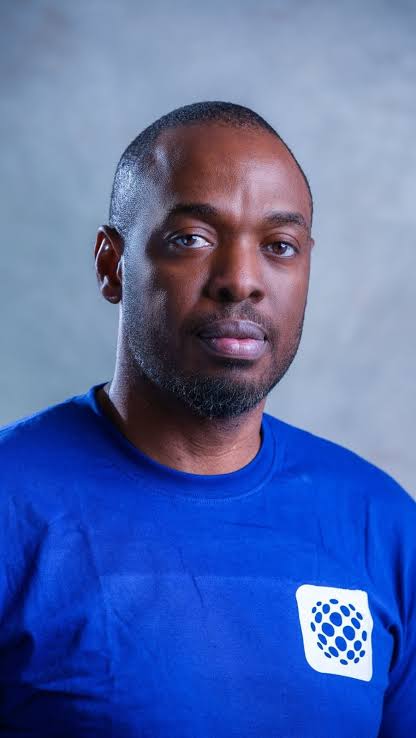
Adetokunbo Omotosho is another Nigerian technology entrepreneur worth watching through Cybervergent, an enterprise technology company co founded with Ayomide I. Daniels. The business focuses on data protection, governance, regulatory compliance and cybersecurity solutions for organisations handling sensitive information.
Banks, insurance companies, telecommunications operators and other large institutions increasingly depend on digital systems to manage customer information. This creates demand for technology capable of protecting data, identifying security risks and helping businesses meet regulatory requirements.
Cybervergent attracted $3 million in seed funding in March 2026, providing additional resources for its expansion. Its opportunity lies in developing enterprise solutions that can serve organisations across Africa and potentially international markets where data security remains a major business requirement.
Abiodun Adetona: Decide


Artificial intelligence is creating another opportunity for Nigerian entrepreneurs, including Abiodun Adetona, associated with Decide. The company is developing artificial intelligence agents designed to automate spreadsheet operations and improve business productivity.
Spreadsheets remain essential to financial analysis, accounting, business planning and administrative operations across different industries. A technology capable of automating complicated spreadsheet tasks can therefore serve professionals, companies and financial institutions in several countries.
Decide attracted attention in 2026 through its performance on SpreadsheetBench, a benchmark used to assess artificial intelligence systems performing spreadsheet related tasks. Its development represents an opportunity for Nigerian founders to compete in specialised artificial intelligence markets rather than concentrating exclusively on general purpose chatbots.
Femi Adeyemo: Arnergy

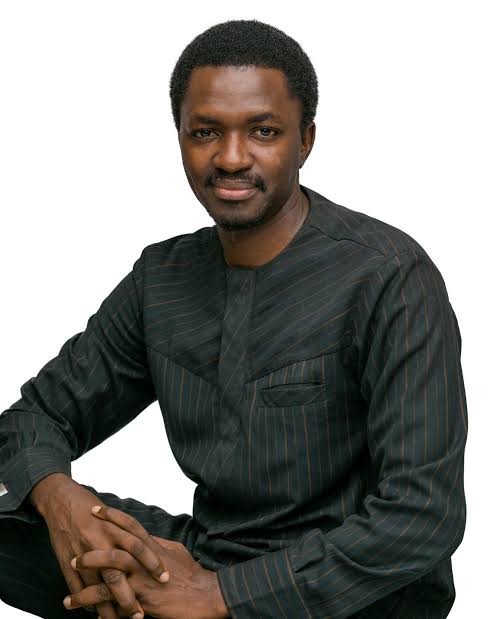
Nigeria’s electricity challenges have created opportunities for entrepreneurs developing alternative power solutions, with Femi Adeyemo among the founders building businesses in this sector. He established Arnergy to provide solar energy systems for households and businesses seeking more reliable electricity.
The company develops distributed solar installations, energy storage solutions and other power systems designed to reduce dependence on unreliable electricity supplies. Its business model targets a market that includes commercial establishments, households and organisations requiring dependable electricity for daily operations.
Arnergy raised $15 million in a Series B extension in April 2025, attracting investment from organisations including Breakthrough Energy Ventures and CardinalStone. The funding supports its expansion in a market where demand for alternative electricity continues to create commercial opportunities.
Adeyemo’s business demonstrates how an entrepreneur can build a substantial company around electricity generation, equipment distribution, installation and energy services. Its future growth will depend on financing arrangements, equipment costs and its ability to maintain systems across a growing customer base.
Ayoola Dominic: Koolboks


Ayoola Dominic founded Koolboks, a Nigerian company developing solar powered refrigeration systems for businesses and communities affected by unreliable electricity. Its products target food vendors, retailers, pharmaceutical operators and other businesses that depend on refrigeration to preserve products.
Electricity interruptions can create significant losses for businesses storing perishable goods, while inadequate refrigeration also affects the distribution of certain medical products. Koolboks addresses this problem through solar powered cooling technology designed for environments where conventional electricity supplies are unreliable.
The company raised $11 million in Series A financing in 2025, alongside additional grant support. Its expansion opportunity extends beyond Nigeria because inadequate refrigeration infrastructure affects several African countries and other emerging markets.
Dominic is building a business around a practical commercial need, with opportunities in equipment distribution, refrigeration services and international expansion.
Ladi Delano, Jide Odunsi: Moove


Ladi Delano and Jide Odunsi co founded Moove in 2020, developing a business around vehicle financing for commercial drivers and mobility operators. The company initially addressed the difficulty many drivers face when trying to purchase vehicles because of limited access to conventional credit.
Its financing model allows eligible drivers to access vehicles and repay through earnings generated from their operations. The business subsequently expanded into fleet management and mobility infrastructure, building relationships with international transportation companies and entering additional markets.
Moove’s international expansion has become one of the most significant Nigerian founded technology business stories. Its relationship with Uber and growing involvement in autonomous vehicle operations have strengthened its position in the global mobility industry.
The company secured a $250 million Series C investment led by Mubadala in August 2026, with its reported valuation reaching $2.1 billion. The development places Delano and Odunsi among the founders behind a Nigerian founded business that has achieved substantial international commercial recognition.
However, the company’s valuation does not establish that either founder personally owns billions of dollars. Their individual fortunes depend on their equity holdings, previous funding agreements and other financial interests.
Adetayo Bamiduro, Chinedu Azodoh: MAX


Adetayo Bamiduro and Chinedu Azodoh co founded MAX, formerly known as Metro Africa Xpress, to develop transportation and mobility solutions for African markets. The company has expanded from its original transportation services into vehicle financing, fleet management and electric mobility.
Its business addresses the needs of commercial drivers who require access to motorcycles, three wheelers and other vehicles to generate income. MAX also operates within a growing market for electric transportation, where businesses are exploring alternatives to conventional fuel powered vehicles.
The company’s commercial opportunity lies in financing and managing vehicles at scale, creating services around transportation rather than depending exclusively on individual ride bookings. Its expansion will depend on access to capital, operational efficiency and the ability to establish sustainable relationships with drivers and commercial customers.
Ayodeji Balogun: AFEX


Agriculture remains another important industry for Nigerian entrepreneurs seeking to build substantial businesses. Ayodeji Balogun is associated with AFEX, an agricultural commodities company developing infrastructure around commodity trading, warehousing and market access.
The company connects agricultural producers, traders, processors and institutional buyers through organised commodity markets and storage facilities. Its operations address problems involving agricultural financing, post harvest losses, storage and access to reliable markets.
AFEX represents an opportunity to generate commercial value from several stages of the agricultural supply chain. Its business is particularly relevant because Nigeria requires stronger systems for moving agricultural products from farms to processors, manufacturers and consumers.
A successful agricultural infrastructure company can generate revenue through storage, trading services, logistics and relationships with institutional buyers. Balogun’s work illustrates why the next generation of major Nigerian business fortunes could emerge from agricultural distribution rather than farmland ownership alone.
Odunayo Eweniyi: PiggyVest


Odunayo Eweniyi is among Nigeria’s most recognisable female technology entrepreneurs, having co founded PiggyVest with Joshua Chibueze and Somto Ifezue. The company began as Piggybank.ng, offering automated savings services before expanding into a broader digital savings and investment platform.
Its business model addresses the need for convenient financial products that help individuals save and manage money. PiggyVest has developed a strong position within Nigeria’s consumer financial technology market, particularly among young professionals and digital banking customers.
The company’s opportunity lies in expanding its customer base and introducing additional financial products while maintaining the trust required to operate in the savings and investment industry. Eweniyi’s involvement also highlights the growing influence of Nigerian women in the country’s technology and investment ecosystem.
Olugbenga Agboola: Flutterwave


Olugbenga Agboola is another major Nigerian entrepreneur whose business has achieved substantial international recognition through Flutterwave. Founded in 2016 with Iyinoluwa Aboyeji and other members of its founding team, the company developed payment infrastructure that allows businesses to accept and process transactions across African markets and international payment channels.
Its services address the difficulties businesses face when accepting payments from customers using different currencies and payment methods. Flutterwave has expanded its operations across several African countries and established relationships with international financial institutions and commercial partners.
The company achieved a reported $3.2 billion valuation in June 2026, reinforcing its position among Africa’s most valuable technology businesses. Its development demonstrates the commercial possibilities of building financial infrastructure for businesses operating across different markets.
Agboola’s personal wealth is not automatically equivalent to the company’s valuation, but his position within the business makes him one of the Nigerian entrepreneurs whose ownership and financial interests deserve closer attention.
The Investment Figures Behind Nigeria’s Emerging Business Fortunes
The amount of capital entering Nigerian startups provides another indication of the industries attracting international investors. Financial technology remains a major destination, although businesses operating in defence technology, artificial intelligence, logistics and renewable energy are also receiving attention.
According to the 2026 funding figures presented in the research, Nigerian startups attracted approximately $326 million between July and September. Moove’s $250 million Series C investment accounted for a substantial portion of that amount, leaving approximately $76 million for other recorded transactions during the period.
The first half of 2026 also showed the concentration of investor interest in financial technology, which attracted approximately $98.5 million. Deep technology companies secured $37.1 million, while logistics and transportation businesses attracted $33.1 million. Energy and water companies recorded $5.6 million, while agriculture and food businesses attracted $5.2 million.
These figures show that investors continue to place considerable attention on financial services, although opportunities in other industries are becoming increasingly visible. They also demonstrate why the funding raised by individual companies must be examined alongside their actual commercial performance.
The Difference Between Company Valuation, Funding And Personal Wealth
One important issue surrounding discussions about Nigeria’s next billionaires is the difference between a company’s valuation and the personal wealth of its founder. A business attracting $100 million in investment does not mean its founder has personally received $100 million, as the money is generally provided to the company to support operations, expansion and other business activities.
Similarly, a company valued at $1 billion does not automatically make its founder a billionaire. Investors, co founders, employees and other shareholders may own substantial portions of the business, meaning the founder’s personal stake could be considerably smaller than the headline valuation suggests.
Moniepoint, Moove and Flutterwave demonstrate the scale of businesses Nigerian entrepreneurs can build when they attract international capital and expand beyond their original markets. However, establishing the personal fortunes of their founders requires reliable information about share ownership, equity dilution, liabilities and other assets.
The Next Generation Of Nigerian Business Empires
The entrepreneurs attracting millions in foreign investment in 2026 represent a changing business landscape in Nigeria. Their companies are addressing problems involving payments, electricity, transportation, healthcare, food distribution, cybersecurity and security infrastructure, creating opportunities that extend beyond the country’s traditional industries.
Some have already built businesses valued in billions, while others are still developing products, securing commercial partnerships and expanding their customer bases. Their journeys also demonstrate that major business fortunes can emerge from industries that previously received considerably less attention from the Nigerian public.
The next generation of Nigerian billionaires could emerge from several of these sectors, particularly where founders can combine international investment with sustainable revenue, strong ownership positions and successful expansion. For now, the most important names to follow include Tosin Eniolorunda, Felix Ike, Ridwan Olalere, Nathan Nwachuku, Maxwell Maduka, Ladi Delano, Jide Odunsi, Victor Alade, Femi Adeyemo, Ayoola Dominic, Odunayo Eweniyi and Olugbenga Agboola.
Their companies are already attracting significant financial attention, but the bigger story is how these entrepreneurs are positioning themselves within industries that could shape Nigeria’s next major business fortunes.