

For thousands of Nigerian households, electricity has become an expense that demands careful planning, with prepaid customers constantly calculating how many units they can afford and how long each recharge will last. Yet, some electricity consumers are entitled to receive additional units without making another payment, simply because they previously spent their own money to acquire prepaid meters under an approved government regulated arrangement. The reimbursement is part of an existing electricity metering policy, but a major regulatory intervention in 2026 has brought renewed attention to how much customers are owed, how the credits are being distributed and how they can retrieve them.
The development involves the Nigerian Electricity Regulatory Commission’s intervention over billions of naira in unpaid meter reimbursements, with electricity distribution companies directed to accelerate payments through prepaid electricity credits. For eligible customers, the process could mean receiving special electricity tokens alongside their regular purchases, with some able to retrieve outstanding credits through dedicated online portals. Understanding the arrangement, the dates involved and the steps required to access the refunds could help customers recover money they spent years ago.
What Is the MAP Meter Refund Programme?
MAP means Meter Asset Provider, a metering arrangement introduced to help address Nigeria’s electricity metering gap by allowing approved companies to supply and install prepaid meters for electricity consumers. Under the arrangement, customers could pay for meters rather than remain indefinitely on estimated billing while waiting for their distribution companies to provide them. The framework also established a reimbursement mechanism because customers who financed eligible meters were entitled to recover the approved cost through electricity credits.
The reimbursement does not ordinarily come as a cash transfer into a customer’s bank account. Instead, the electricity distribution company converts the amount due into electricity credits and generates special prepaid meter tokens that the customer can load into the meter. These tokens work similarly to ordinary electricity recharge tokens, although their purpose is different because they represent repayment for the original meter purchase. Eligible customers therefore receive electricity units without paying again for those particular credits.
The Nigerian Electricity Regulatory Commission established the reimbursement framework to ensure that customers who paid for meters under the approved MAP arrangement could recover their expenditure. The regulator’s position is that the purchase cost should be reimbursed through energy credits over an agreed period, subject to the applicable regulatory provisions. This means that purchasing an eligible meter does not automatically make the payment a permanent financial burden on the customer.
How the 120 Month Reimbursement Arrangement Started
The original reimbursement arrangement was established through NERC’s order dated March 20, 2023, which provided the framework for refunding the cost of prepaid meters procured under the MAP scheme. Under the order, the reimbursement was structured across 120 equal monthly instalments, equivalent to 10 years. The arrangement was designed to distribute the financial obligation over time rather than require electricity distribution companies to repay the entire meter cost immediately.
The monthly reimbursement is calculated using the monetary value of the eligible meter cost and converted into electricity credits according to the applicable electricity tariff. Consequently, customers may receive different quantities of electricity units depending on the tariff used for the conversion. The refund is therefore not necessarily a fixed number of units for every customer, even where the original meter prices are similar.
The 2023 order also introduced transparency requirements to help customers understand their reimbursement records. Electricity distribution companies were required to show meter reimbursement as a separate item on relevant vending receipts, including the energy cost, corresponding energy value and outstanding meter cost. This was intended to make it easier for customers to follow the repayment process and determine how much of their original expenditure had been recovered.
The ₦20.33 Billion Refund Development in 2026
A major development occurred in February 2026 when NERC reviewed the outstanding obligations under the MAP reimbursement arrangement. The Commission identified approximately ₦20.33 billion in unpaid meter reimbursements owed by electricity distribution companies as of December 31, 2025. The amount represented outstanding obligations to customers who had purchased eligible meters but had yet to receive the full reimbursement due to them.
Following the review, NERC issued Order No. NERC/2026/025, titled the Amended Order on the Reimbursement of Meter Costs. The directive was signed on February 27, 2026, and became effective on March 1, 2026. It required electricity distribution companies to recover and fully disburse the outstanding ₦20.33 billion over 12 months, beginning March 1, 2026.
The new directive introduced an accelerated repayment arrangement alongside the original 120 month reimbursement framework. This distinction is important because the 12 month deadline concerns the outstanding reimbursement backlog identified as of December 31, 2025, rather than automatically replacing the original repayment period for every meter purchased under MAP. Customers therefore need to understand that their individual refund depends on their eligibility, previous reimbursement credits and outstanding balance.
How Customers Can Receive 2 Refund Tokens Every Month
One of the most important provisions of the amended order concerns the monthly generation of reimbursement tokens. Under the arrangement, eligible prepaid customers are entitled to their regular monthly reimbursement, while customers with outstanding balances covered by the 2026 catch up directive are also entitled to additional credits representing their share of the backlog repayment.
The regular reimbursement represents the customer’s entitlement under the original 120 month arrangement. The additional reimbursement addresses outstanding obligations covered by the accelerated 12 month programme, which commenced on March 1, 2026. This means eligible customers affected by the backlog should receive 2 separate refund tokens during the catch up period, with each token representing a different reimbursement obligation.
The accelerated repayment period runs from March 2026 through February 2027. NERC also directed electricity distribution companies to ensure that the regular monthly refund tokens are automatically generated no later than the 4th day of every month. Customers should therefore monitor their registered telephone numbers, email addresses and their electricity distribution companies’ official refund platforms for notifications.
However, receiving 2 tokens is not an automatic entitlement for every prepaid meter owner. The arrangement applies to customers with outstanding eligible reimbursements covered by the amended order. A customer who has already received the relevant reimbursement may not have the same additional entitlement as someone whose meter refund remains outstanding.
Do Customers Need to Buy Electricity Before Receiving Their Refund?
The amended directive provides for automatic generation of reimbursement tokens for eligible prepaid customers, meaning customers should not have to purchase ordinary electricity before their refund entitlement can be generated. The tokens are expected to be communicated through the telephone numbers and email addresses registered to their electricity accounts. This is particularly important for consumers who may have changed their contact details since purchasing their meters.
The notification is expected to provide information that helps customers understand their reimbursement position, including the original meter cost, the gross value of reimbursement credits already applied, the outstanding meter balance and the current refund token. These details are important because the customer can compare the amount originally paid with the value of credits received over time.
Under the original reimbursement arrangement, customers who did not purchase electricity in a particular month were entitled to accumulated energy credits when they next purchased electricity. This provision helps ensure that an eligible customer’s reimbursement is not simply lost because they did not recharge their meter during a particular period.
NERC Prohibits DisCos From Using Refund Credits to Settle Electricity Debts
Another important provision of the 2026 amended order concerns how electricity distribution companies handle customers’ existing electricity debts. NERC specifically directed DisCos not to offset MAP meter reimbursement credits against customers’ outstanding or legacy electricity liabilities. This means the refund owed to an eligible customer must be treated separately from money the customer may owe for electricity already consumed.
For example, a prepaid customer who purchased a meter under the MAP arrangement may have an outstanding electricity bill arising from an earlier billing period. The distribution company cannot simply take the customer’s eligible MAP reimbursement and use it to settle that unrelated debt. The refund is intended to repay the customer’s meter expenditure, not provide an additional source of payment for other electricity obligations.
The amended directive also introduced reporting and transparency requirements to strengthen monitoring of the reimbursement process. Electricity distribution companies are expected to provide information about refunds made to customers, allowing the regulator to monitor compliance with the repayment arrangement.
How Much Free Electricity Can Customers Receive?
The amount of electricity credits a customer receives depends on the original meter purchase cost, the amount already reimbursed, the remaining outstanding balance and the applicable electricity tariff. There is therefore no single refund figure that applies to every customer. Someone who paid more for an eligible meter may have a different reimbursement value from another customer who purchased a cheaper meter.
Consider a customer who purchased an eligible prepaid meter for ₦100,000. Under the original 120 month arrangement, dividing the purchase cost by the repayment period produces a standard monthly reimbursement value of approximately ₦833.33. The electricity distribution company then converts the monetary value into electricity credits using the applicable tariff.
The additional backlog reimbursement is calculated separately according to the customer’s outstanding eligible balance under the amended directive. This means the customer may receive a regular monthly reimbursement token and another token representing the accelerated repayment. The actual units credited will depend on the conversion applied by the electricity company.
Customers should therefore avoid assuming that every refund token will contain the same number of units or that the entire ₦20.33 billion will be shared equally among prepaid meter owners. The amount identified by NERC represents the outstanding obligations across the electricity distribution companies, while individual entitlements must be established from the relevant meter and payment records.
How to Check MAP Refund Tokens Through Ikeja Electric
Ikeja Electric customers can use the company’s dedicated MAP refund portal to check their reimbursement details and retrieve issued tokens.
Customers can enter their prepaid meter numbers to access available refund information, including the latest tokens and previously issued reimbursement records. The platform is particularly useful for customers who may have missed an SMS or email notification or who want to check whether credits have already been generated for their meters.
Ikeja Electric also advises customers to load multiple unused refund tokens in chronological order, beginning with the oldest. Customers experiencing problems with their registered contact details can contact the company’s customer care team through customercare@ikejaelectric.com or visit an approved customer service office for assistance.
How Eko Electricity Customers Can Retrieve Their Refunds
Eko Electricity Distribution Company has also provided a dedicated platform for customers who purchased eligible prepaid meters under the MAP arrangement.
Customers can search for their reimbursement details using an 11 digit meter number or a 9 digit account number. The company’s published information also provides details of its refund batches, including Batch 1 and Batch 2, to help eligible customers identify available reimbursement records.
Eko’s notification arrangement includes information about the refund token, equivalent electricity units in kWh, the naira value of the reimbursement and the customer’s cumulative refund total. Customers can also contact the company through customercare@ekedp.com for further enquiries.
How AEDC Customers Can Check Their MAP Refund Status
Abuja Electricity Distribution Company has introduced a dedicated portal for customers seeking to retrieve their MAP reimbursement tokens.
According to its published customer guidance dated July 1, 2026, eligible customers are notified through SMS and email, with the communication containing their meter number, reimbursement amount and a unique 20 digit token. Customers can use the online platform to retrieve their refund details.
Those who experience difficulties accessing their credits can contact AEDC through map.refund@abujaelectricity.com. The company also advises customers to provide evidence of their original MAP meter payment when requesting assistance.
IBEDC Customers Can Retrieve Tokens Online
Ibadan Electricity Distribution Company has also introduced a dedicated MAP refund portal for customers who purchased eligible meters under the scheme.
Customers can enter their meter numbers to check their eligibility and retrieve available reimbursement information. The company specifically advises customers with multiple refund tokens to load them in ascending order, beginning with the earliest issue date.
This instruction is important because customers who received several tokens over different months may experience difficulties if they attempt to load them in the wrong order.
EEDC Introduces Online Portal, WhatsApp Refund Service
Enugu Electricity Distribution Company announced a digital platform on November 17, 2026, to enable eligible customers to access and monitor their MAP refund tokens. The development provides customers with another route to retrieve reimbursement information without necessarily visiting a physical customer service office.
Customers can enter their prepaid meter numbers on the platform to check their refund details. Another option is to use the company’s WhatsApp service through. Customers are instructed to send Hi, Hello or 100, select the MAP Refund Token option and provide their meter number to access the relevant information.
The arrangement also covers EEDC’s subsidiary distribution companies, including MainPower, TransPower, FirstPower, NewEra and EastLand. Customers under these electricity providers can use the available channels to establish whether their meters have eligible reimbursement records.
Who Qualifies for MAP Meter Refund Tokens?
The primary requirement is that the customer must have paid for an electricity meter supplied under the approved Meter Asset Provider arrangement. The refund is intended for consumers who financed eligible meters and are entitled to recover the approved purchase cost through electricity credits.
Customers who purchased MAP meters several years ago should check their eligibility, particularly if they have received only partial reimbursement or have never received any refund notification. Those who changed their registered telephone numbers or email addresses should also contact their electricity companies to confirm that their current contact details are properly associated with their accounts.
However, owning a prepaid meter does not automatically qualify someone for the reimbursement. Customers who received free meters under government funded metering programmes cannot claim a refund for a purchase they never made. Similarly, purchasing a meter privately outside the approved MAP arrangement does not automatically establish eligibility.
The electricity distribution company must be able to verify the meter, the original payment and the customer’s account records before confirming the reimbursement entitlement. Keeping the original purchase receipt and installation documents can therefore make the verification process easier.
How to Load Your MAP Refund Token
Once a customer retrieves an eligible refund token, the next step is to load it into the prepaid electricity meter. The process is generally similar to entering an ordinary electricity recharge token, although customers should ensure that the token belongs to their particular meter before proceeding.
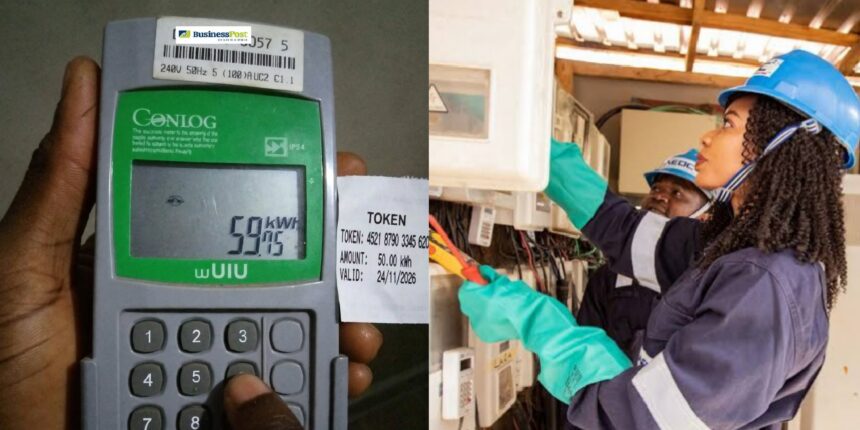
For customers using a split prepaid meter, the token should be entered through the Customer Interface Unit, commonly called the CIU. Customers should first switch on the keypad, enter the complete 20 digit refund token and press the Enter button. They should then wait for the meter to accept the code and check the electricity balance to confirm that the units have been credited.
Customers with several unused reimbursement tokens should load them chronologically, starting with the oldest token. This is an instruction specifically highlighted by Ikeja Electric and IBEDC for customers retrieving multiple refund credits. Loading the tokens in the correct order can help prevent avoidable rejection problems.
What to Do When a Refund Token Is Rejected
A rejected token does not necessarily mean that the customer is ineligible for reimbursement. The problem could result from entering an incorrect meter number when retrieving the token, making a mistake while typing the 20 digit code or attempting to load tokens in the wrong order.
Another possibility is that the token has already been used or was generated for a different meter. Technical problems involving the prepaid meter or its Customer Interface Unit may also prevent a valid token from being accepted.
Customers should first confirm that the token belongs to their meter and carefully check all 20 digits. Those who have several unused tokens should confirm the issue dates and follow their distribution company’s instructions on the correct loading order. If the problem continues, they should contact the electricity company with their meter number, token and relevant refund information.
How to Complain When a DisCo Fails to Issue Your Refund
Customers who believe they qualify but cannot retrieve their MAP refund should begin by gathering the documents needed to establish their original purchase and electricity account details. These include the prepaid meter number, original payment receipt, evidence of installation, electricity account number and registered telephone number or email address.
The next step is to submit a written complaint to the relevant electricity distribution company, requesting verification of the MAP reimbursement. Customers should specifically ask the company to confirm the original meter cost, the value of refunds already applied, the outstanding reimbursement balance and the tokens generated for their account.
It is advisable to retain copies of all communications, including emails, screenshots, receipts and complaint reference numbers. These records may become important if the matter requires further regulatory attention.
Where the electricity company fails to resolve the complaint, customers can escalate it through the appropriate NERC consumer complaint channels. The Commission provides information about metering and customer complaints through its official website.
MAP Refunds Are Different From Free Government Prepaid Meters
Customers should also understand the difference between the MAP reimbursement arrangement and government funded electricity metering programmes. Although both initiatives involve prepaid meters, they serve different purposes and have different eligibility requirements.
The MAP refund programme is intended for customers who previously paid for eligible meters and are entitled to recover the approved purchase cost through electricity credits. Free metering programmes, on the other hand, provide approved customers with meters without requiring them to finance the purchase under the MAP reimbursement arrangement.
For instance, Eko Electricity has also announced the distribution of free smart prepaid meters under the Distribution Sector Recovery Programme. A customer who receives a meter through such a programme does not automatically become entitled to a MAP refund because there was no qualifying MAP purchase to reimburse.
What Nigerian Electricity Customers Should Do Before February 2027
The accelerated reimbursement arrangement introduced by NERC provides an important opportunity for eligible customers to recover outstanding meter costs through electricity units. With the 12 month catch up period running from March 2026 through February 2027, customers should pay attention to their reimbursement records rather than wait until the end of the programme before making enquiries.
Those who purchased prepaid meters under the MAP arrangement should check their electricity distribution companies’ official refund portals, confirm their registered contact details and retrieve any available tokens. Customers who have already received some reimbursement should also check their outstanding balances to establish whether further credits are due.
The most important point is that the ₦20.33 billion identified by NERC is not a general electricity benefit available to every prepaid meter owner. It represents outstanding reimbursement obligations owed to eligible customers across the distribution companies. The actual amount due to an individual consumer depends on the original meter purchase, previous credits and the remaining eligible balance.
For customers who paid for their meters years ago, checking the refund portal could reveal reimbursement credits they have yet to retrieve. The process begins with identifying the electricity distribution company, entering the correct meter number and confirming the available refund records before loading the tokens into the prepaid meter.